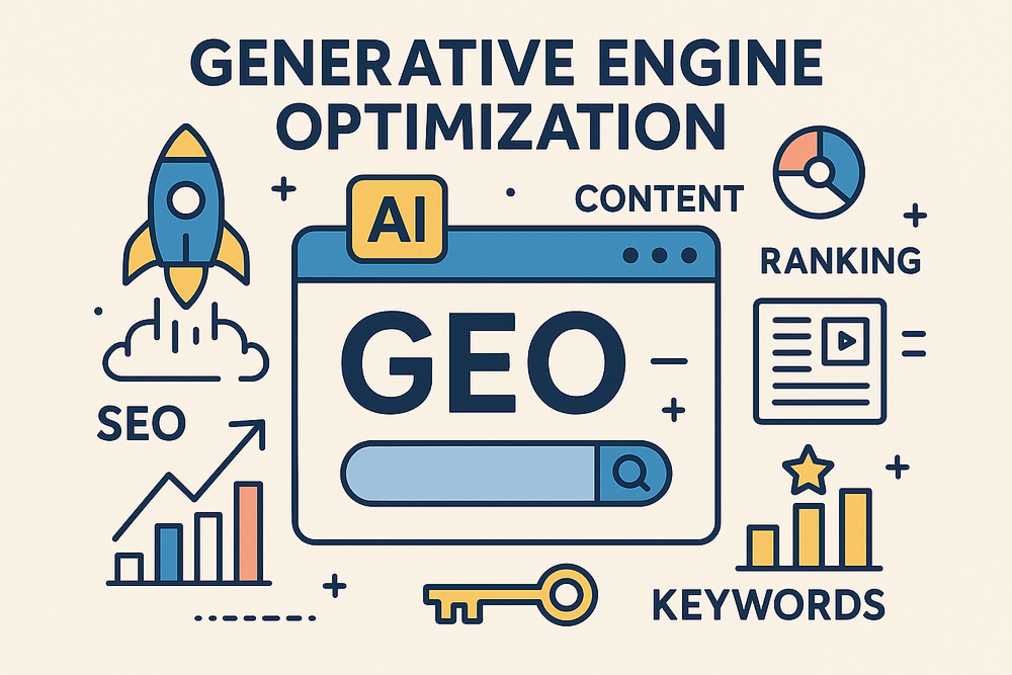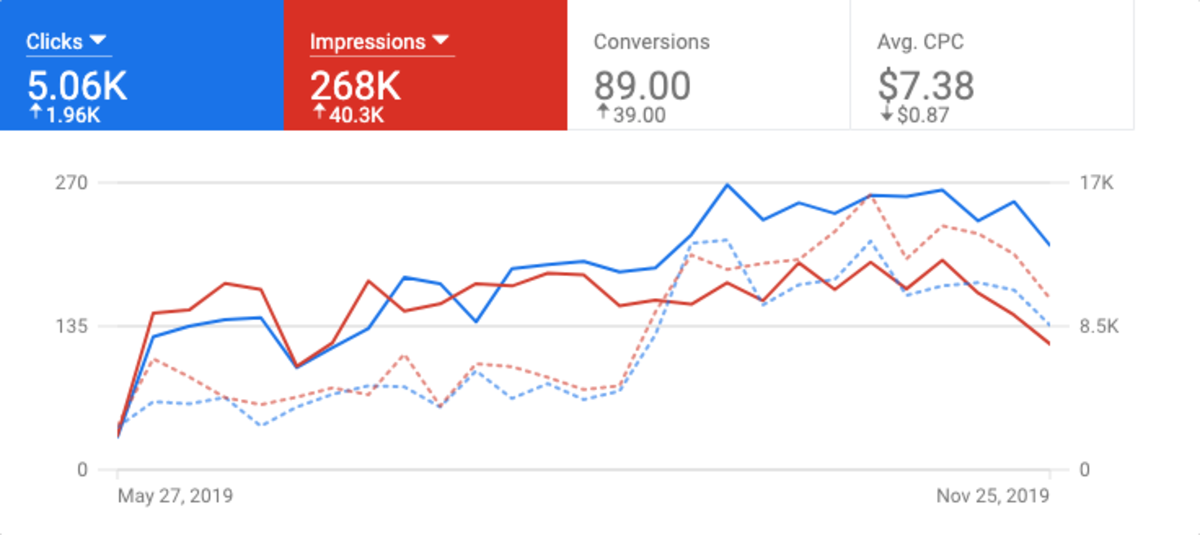

Most marketers rely on basic keyword research, chasing high-volume terms without understanding why they fail to rank in today’s competitive landscape. This guide introduces a smarter approach, showing how advanced techniques like competitor keyword research, semantic mapping, keyword clustering, and targeting low-competition or zero-volume queries can uncover hidden opportunities that others overlook. In an era shaped by evolving search algorithms and intent-driven ranking systems, success in SEO now depends on depth, strategy, and precision—focusing not just on traffic, but on relevance, authority, and conversion potential.
Most marketers do keyword research the same way — open a tool, type a topic, pick the highest volume keyword, and move on. That’s exactly why they struggle to rank.
The truth is, competitor keyword research and the more advanced techniques behind it are what separate sites that rank on page one from those stuck on page five. In this guide, you’ll discover 8 advanced keyword research techniques that most marketers completely ignore — practical, actionable, and built for 2026’s competitive search landscape.
Why Basic Keyword Research Isn’t Enough Anymore
Google’s algorithms have evolved. The February 2026 Core Update continued to reward content that demonstrates genuine expertise, satisfies real search intent, and goes beyond surface-level information.
If you’re only targeting high-volume, obvious keywords, you’re competing with thousands of established sites. The smarter play? Go deeper. Use advanced keyword research for SEO to find the gaps your competitors have left wide open.
8 Advanced Keyword Research Techniques You Should Be Using
1. Mine Competitor Keywords the Right Way
Competitor keyword research is the single fastest way to find proven, rankable keyword opportunities.
Most people glance at a competitor’s top keywords and stop there. Instead, go deeper:
- Find competitors ranking on positions 5–20 for a keyword — they’re vulnerable
- Look for keywords where multiple weak competitors rank — that’s a gap you can exploit
- Use tools like Ahrefs, Semrush, or Ubersuggest to export a full competitor keyword list, then filter by difficulty and intent
The goal isn’t to copy your competitors — it’s to find what’s working and do it better.
2. Use Zero Volume Keywords Strategically
Here’s a technique most marketers laugh at — until they see the results.
Zero volume keywords SEO strategy involves targeting keywords that tools report as having 0–10 monthly searches. Why? Because these tools often undercount actual search volume, and zero volume keywords frequently carry extremely high purchase intent.
For example, a query like “best CRM for real estate agents under $50/month” might show zero volume — but anyone searching it is ready to buy.
How to find them:
- Use Google’s autocomplete and “People Also Ask” sections
- Browse Reddit, Quora, and niche forums for exact phrases people use
- Check your Google Search Console for queries already sending impressions
These are untapped keywords hiding in plain sight.
3. Apply Semantic Keyword Research Methods
Google no longer ranks pages based on exact keyword matches. It understands topics and context.
Semantic keyword research methods involve building a content map of related terms, synonyms, and subtopics that signal to Google you’ve fully covered a subject.
Practical approach:
- Type your target keyword into Google and scroll to “Related Searches” at the bottom
- Use tools like AlsoAsked or AnswerThePublic to map question clusters
- Look at the headers (H2/H3) used by top-ranking pages — those subheadings are semantic signals
When your content covers a topic semantically, it ranks for dozens of related queries — not just one.
4. Master Keyword Clustering Techniques for SEO
Publishing one page per keyword is outdated and inefficient.
Keyword clustering techniques SEO means grouping related keywords together and covering them within a single, comprehensive piece of content. This matches how Google’s algorithm now evaluates topical authority.
How to cluster keywords:
- Export a list of 50–100 related keywords from your tool
- Group them by search intent — informational, navigational, commercial, transactional
- Assign one primary keyword and 3–5 supporting keywords per page
- Build internal links between clustered content to reinforce topical depth
One well-clustered page can rank for 20–30 keyword variations simultaneously.
5. Focus on Keyword Research Techniques for Low Competition
Chasing high-volume keywords with a DR 20 site is like a rookie boxer challenging the world champion. You need keyword research techniques for low competition that match your current authority level.
Filters to apply in any keyword tool:
- Keyword Difficulty (KD): 0–25 for new sites, 25–40 for intermediate sites
- Search volume: 100–2,000/month — enough traffic to matter, low enough to rank
- SERP analysis: Check if the top 10 results are dominated by weak or thin content
Low competition doesn’t mean low value. A keyword with 300 monthly searches and a 15% conversion rate is worth far more than a 10,000-volume keyword you’ll never rank for.
6. Find High Intent Keywords Fast
Traffic means nothing if it doesn’t convert. Learning to find high intent keywords fast is what turns SEO into actual revenue.
High intent keywords signal that the searcher is close to making a decision. They typically include modifiers like:
- Best, Top, Review, vs, Comparison — commercial intent
- Buy, Price, Discount, Deal — transactional intent
- How to, Tutorial, Guide, Fix — informational with action intent
Quick technique:
Filter your keyword list for these modifiers and prioritize them over generic informational terms. A keyword like “Semrush vs Ahrefs 2026” has far higher conversion potential than “what is SEO.”
7. Use Hidden Keyword Research Strategies via Google Search Console
Your own data is one of the most underused sources of keyword intelligence.
Hidden keyword research strategies inside Google Search Console can reveal:
- Keywords you’re ranking for on pages 2–3 that need a content refresh to jump to page 1
- Impression-heavy, low-click keywords — you’re showing up but your title/meta isn’t compelling enough
- Seasonal keyword trends specific to your audience
Action steps:
- Go to GSC → Performance → Search Results
- Filter by “Impressions > 500” and “Position > 10”
- These are your quick-win keywords — update your existing content to target them more directly
This strategy alone can increase organic traffic by 20–40% based on available data from documented SEO case studies.
8. Analyze Keyword Difficulty Properly (Not Just the Score)
The KD score in your keyword tool is a starting point — not the final answer. How to analyze keyword difficulty properly requires you to look beyond the number.
What to actually check:
- Domain Rating (DR) of ranking pages — if DR 20–40 sites rank in the top 5, you can compete
- Content quality of top results — is the top-ranking page thin, outdated, or poorly structured?
- Backlink profile — how many links do ranking pages have? Can you realistically match that?
- SERP features — are featured snippets, PAA boxes, or local packs taking up the top results?
A keyword with a KD of 45 might actually be easier to rank for than one with a KD of 20 if the top-ranking pages are weak.
Quick Reference: The 8 Techniques at a Glance
| # | Technique | Best For |
|---|---|---|
| 1 | Competitor keyword research | Finding proven keyword gaps |
| 2 | Zero volume keywords | High-intent, low-competition wins |
| 3 | Semantic keyword research | Topical depth and broader rankings |
| 4 | Keyword clustering | Ranking for multiple terms per page |
| 5 | Low competition filtering | New and mid-authority sites |
| 6 | High intent keyword targeting | Driving conversions, not just traffic |
| 7 | Google Search Console mining | Quick wins from existing rankings |
| 8 | Proper KD analysis | Identifying truly beatable keywords |
Long Tail Keyword Research Tips for 2026
As a bonus, here are three long tail keyword research tips 2026 worth keeping in mind:
- Voice search is growing — optimize for natural, conversational phrases like “what’s the best tool for keyword research for small businesses”
- AI-generated SERPs — Google’s AI Overviews now dominate informational queries; focus long tails on commercial and transactional intent where AI summaries are less dominant
- Specificity wins — the more specific your long tail, the higher the intent. “email marketing software for Shopify stores under 500 subscribers” beats “email marketing software” every time
Conclusion
The gap between marketers who rank and those who don’t usually comes down to depth — going beyond the obvious, applying competitor keyword research properly, targeting zero volume keywords, clustering smartly, and always analyzing intent before chasing volume.
The 8 techniques covered in this post aren’t theory — they’re proven advanced keyword research techniques used by top SEO professionals right now. Start with one or two, build your process, and watch your organic reach grow consistently.
For more SEO guides, marketing strategies, and brand-building resources, visit brandsholder.com — your trusted source for practical digital marketing insights.
Frequently Asked Questions (FAQs)
Q1: What is competitor keyword research and why does it matter?
Competitor keyword research means analyzing which keywords your competitors rank for and finding gaps or opportunities you can target. It’s one of the fastest ways to discover proven, rankable keywords without starting from scratch.
Q2: What are zero volume keywords and should I target them?
Zero volume keywords show 0–10 monthly searches in keyword tools but often have high purchase intent and are undercounted by tools. Yes — they’re worth targeting, especially for conversion-focused pages.
Q3: How do I find untapped keywords in 2026?
Use Google Search Console for hidden ranking opportunities, browse Reddit and forums for real user language, use “People Also Ask” boxes, and filter competitor keywords by difficulty and intent to find gaps.
Q4: What is keyword clustering and how does it help SEO?
Keyword clustering means grouping related keywords and targeting them within one page. It helps Google understand topical depth, allows a single page to rank for dozens of variations, and reduces keyword cannibalization.
Q5: How do I analyze keyword difficulty properly?
Don’t rely only on the KD score. Check the DR of pages currently ranking, evaluate the quality and depth of their content, count their backlinks, and assess whether SERP features are blocking organic clicks. A full SERP analysis gives a more accurate picture of real competition.