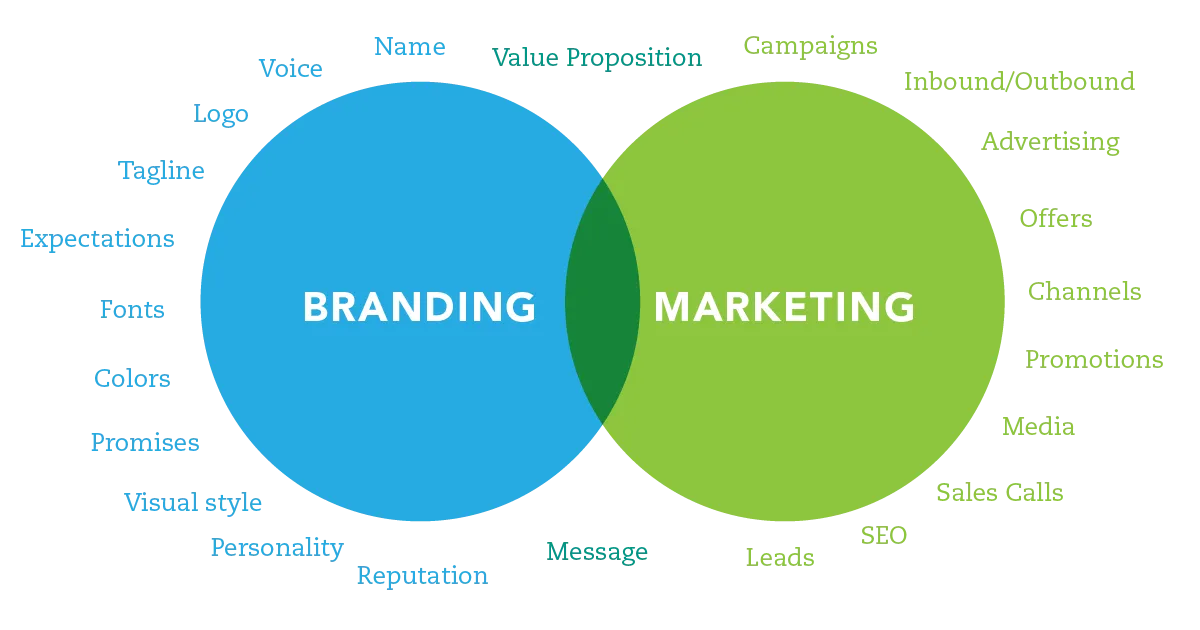

The landscape of professional identity is undergoing a seismic shift. In 2026, AI branding is no longer a futuristic buzzword or a luxury for Silicon Valley giants—it has become the new baseline for competitive brand building. Today, brands face a binary future: they either leverage artificial intelligence to enhance their resonance or risk becoming invisible in an increasingly automated marketplace.
However, the path to success is narrow. Adopting AI blindly leads to a “soulless” brand that lacks emotional depth, while ignoring it leads to obsolescence. This guide explores the essential AI brand tools, the strategic shifts required to stay relevant, and the human guardrails necessary to ensure your brand remains authentic while operating at machine speed.
What Is AI Branding? (And What It Is Not)
To build a modern AI marketing strategy, we must first define the terrain. AI branding is the strategic integration of Machine Learning (ML), Natural Language Processing (NLP), Generative AI, and predictive analytics to design, communicate, and evolve a brand’s identity.
It is crucial to understand what AI branding is not: it is not a replacement for human creativity. Instead, think of it as a force multiplier. While a human designer brings intuition and emotional intelligence, AI brings the ability to analyze billions of data points to see which visual cues or tones of voice will resonate with a specific demographic in real-time.
The Spectrum of Applications
-
Visual Identity: Instant logo iterations and brand color palettes.
-
Voice & Tone: Maintaining a consistent personality across millions of chat interactions.
-
Audience Segmentation: Moving beyond basic demographics to behavioral psychographics.
-
Automated Branding: Scaling content production without losing the core brand “feel.”
Authenticity remains a human-centric trait. While AI can execute the “how,” humans must always define the “why.”
How AI Is Reshaping Brand Building: 5 Core Shifts
The transition to automated branding has triggered five fundamental shifts in how we perceive brand identity.
Shift 1: From Static Identity to Adaptive Branding
Traditionally, a brand book was a static PDF. In 2026, brands are living organisms. AI allows a brand’s visual elements to subtlely adapt based on the platform or the user’s current mood, ensuring the brand always feels “appropriate” for the context.
Shift 2: Individual Personalization at Scale
We have moved past “Hi [First_Name].” An AI marketing strategy now allows for hyper-personalization, where every customer journey—from the ad they see to the email they receive—is custom-built based on their unique history with the brand.
Shift 3: From Reactive Insights to Predictive Intelligence
Instead of looking at last month’s social media report to see what worked, brands use predictive AI to forecast trends. You can now adjust your brand positioning before a cultural shift happens, staying ahead of the curve.
Shift 4: Automated Branding at Scale
The “content monster” is real. AI allows brands to generate high-quality, on-brand social posts, blogs, and videos in seconds. This allows a small team to maintain the presence of a global corporation.
Shift 5: Omnichannel Brand Coherence
AI monitors every channel—from TikTok to customer support logs—to ensure that the brand’s voice is consistent. If a chatbot starts sounding too robotic or an ad deviates from the brand values, AI flags it instantly.

Top AI Brand Tools You Should Know in 2026
Selecting the right AI brand tools depends on your brand’s maturity. Here are the leaders in the space:
| Category | Recommended Tools | Best For |
| Visual Identity | Looka, Midjourney, Adobe Firefly | Generating logos, mood boards, and unique brand imagery. |
| Brand Voice | Jasper, Copy.ai, Writer.com | Scaling blog content and social copy while keeping a consistent tone. |
| Audience Intel | Brandwatch, Sprinklr, Audiense | Real-time social listening and predictive consumer behavior. |
| Campaign Optimization | Persado, Phrasee | Using NLP to find the exact words that trigger a click or purchase. |
Building Your AI Marketing Strategy Around Brand Values
AI is an amplifier. If your brand values are weak, AI will only amplify that weakness. Use this 5-step framework to build a values-first AI marketing strategy:
-
Anchor in Purpose: Before touching a tool, define your brand’s “North Star.” Use AI to find new ways to express that purpose, not to find a new purpose entirely.
-
Prioritize First-Party Data: With privacy laws tightening, your brand intelligence is only as good as your data. Build a clean, ethical data architecture.
-
The Pilot-Prove-Scale Framework: Don’t automate everything at once. Pilot AI in one area (like email subject lines), prove the ROI, and then scale to larger creative tasks.
-
Set Human Guardrails: Every piece of AI-generated content must pass a “Human Vibe Check.” Establish checkpoints to ensure the output isn’t just fast, but right.
-
Measure Brand Health: Move beyond “clicks.” Use AI to track sentiment, brand recall, and emotional resonance.
Real-World Examples of AI Branding Done Right
-
Nike: Uses AI for hyper-personalization in the Nike app, suggesting gear based on actual workout data while keeping the voice aspirational and “unmistakably Nike.”
-
Spotify Wrapped: The gold standard of automated branding. It turns raw user data into a highly emotional, shareable “gift” that reinforces Spotify’s brand as a companion to the user’s life.
-
Coca-Cola: Leveraged generative AI to allow fans to create their own digital art using the brand’s iconic assets, increasing engagement while protecting over 100 years of equity.
Challenges, Risks, and the Authenticity Paradox
The more we automate, the more consumers crave the “Human Element.” A recent study showed that 82% of consumers expect brands to disclose when AI is being used. Transparency is no longer a legal hurdle; it is a brand asset.
Key Risks:
-
Brand Dilution: Over-reliance on AI leads to generic “Uncanny Valley” content that feels forgettable.
-
Algorithm Bias: If your AI is trained on biased data, your brand communication will be tone-deaf or offensive.
-
Data Privacy: Brands must navigate the “Creepy vs. Cool” line. If your personalization feels like surveillance, you lose trust.
Mitigation: Implement regular bias audits and maintain a “Human-in-the-loop” policy for all customer-facing AI output.
The Future of AI Branding: What’s Next?
We are moving toward Agentic AI, where brand bots don’t just answer questions—they autonomously manage campaigns and adjust spend in real-time based on live brand sentiment. We will see the rise of the Brand AI Strategist, a role that bridges the gap between creative storytelling and algorithmic governance.
Conclusion
AI branding is not a threat to your professional identity; it is the most powerful tool ever created to protect and amplify it. By combining the speed of machine learning with the emotional depth of human strategy, you can build a brand that is both hyper-efficient and deeply authentic. Now is the time to audit your technology stack and begin integrating these tools to safeguard your brand’s future.
Frequently Asked Questions (FAQs)
1. Will AI branding make human designers obsolete?
No. AI handles the “heavy lifting” of iteration and data analysis, but human designers are essential for setting the creative vision, ensuring emotional resonance, and making final ethical judgments.
2. What are the best AI brand tools for a small startup?
For those just starting, tools like Looka for visual identity and Copy.ai for content are excellent, budget-friendly options to establish a professional presence quickly.
3. How can I ensure my AI-generated content stays “on-brand”?
Use tools like Writer.com that allow you to upload your brand guidelines and “train” the AI on your specific voice, tone, and forbidden vocabulary.
4. Is AI branding expensive to implement?
While enterprise-level tools like Sprinklr are significant investments, many “Software as a Service” (SaaS) AI tools offer tiered pricing that scales with your business size, making it accessible for any budget.
5. How do I disclose AI use without scaring away customers?
Frame it as a tool for better service. For example, “This personalized recommendation was generated by our AI to help you find exactly what you’re looking for.” Transparency builds trust.