
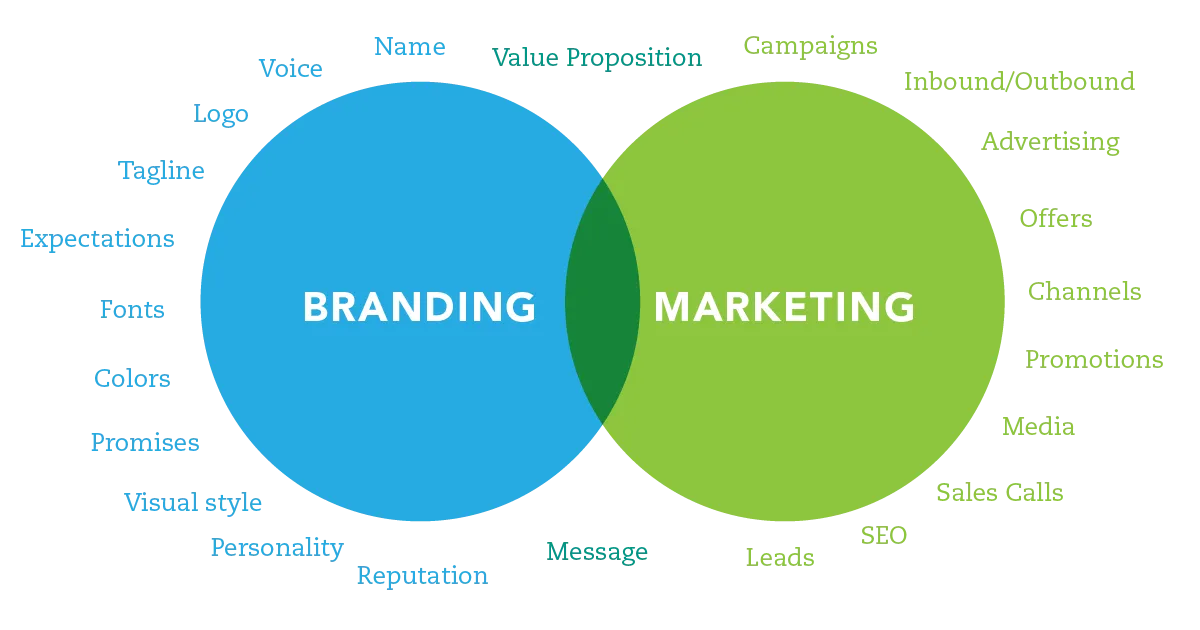
The content explains that many businesses fail not because of a lack of marketing, but due to weak or unclear branding. While marketing drives visibility, clicks, and short-term sales, branding forms the deeper identity of a business by defining its values, personality, voice, and promise. It emphasizes that branding is the emotional connection customers feel, whereas marketing is the method used to communicate and promote that connection. Without strong branding, even high-performing campaigns can result in poor customer retention, creating a “leaky bucket” where businesses constantly acquire but fail to keep customers.
It further highlights that branding and marketing must work together strategically for long-term success. Branding acts as the foundation and long-term vision, while marketing serves as the tactical execution to reach audiences and generate results. When aligned, they shorten sales cycles, increase trust, and allow businesses to charge premium prices. The article also warns against common mistakes such as prioritizing marketing before establishing a brand identity, maintaining inconsistent messaging, or treating branding as a one-time task. Ultimately, sustainable growth comes from building a strong brand first and then using marketing to amplify it effectively.
Introduction
Imagine this: your business is spending thousands on sleek Instagram ads, your SEO is climbing, and your inbox is buzzing with clicks. Yet, six months later, those customers haven’t returned, and your brand feels like just another name in a crowded feed. You’re winning the sprint but losing the race. This is the “leaky bucket” of modern business—investing heavily in promotion without a soul to back it up. The disconnect lies in a fundamental misunderstanding of branding vs marketing. While they are two sides of the same coin, knowing the difference is what separates a flash-in-the-pan product from a household name.
In this guide, we’ll break down why branding is your lighthouse and marketing is your megaphone, and how to align both for explosive, long-term growth. We will explore the strategic architecture of brand management, contrast short-term tactics with long-term equity, and provide a roadmap for a unified brand strategy vs marketing strategy.
Defining Branding: The Soul of Your Business
Branding is not a logo; it is a gut feeling. It is the strategic foundation that defines who you are, what you stand for, and the emotional promise you make to your customers. If your business were a person, branding would be its personality, values, and reputation. It is the “Why” behind your existence.
The Core Elements of a Powerful Brand
To build a brand that lasts until 2026 and beyond, you must master these components:
-
Brand Identity: This is the visual world—your logo, typography, and color palette. It’s the first thing people see, but it’s only the “clothes” the brand wears.
-
Brand Personality: Are you the witty friend, the authoritative expert, or the rebellious disruptor?
-
Brand Voice: How you speak across all mediums. Is your tone clinical and professional or warm and conversational?
-
Brand Promise: The specific value or experience you guarantee every time a customer interacts with you.
The Role of Brand Management
This is where brand management comes into play. A brand isn’t a “set and forget” asset. It requires ongoing management to ensure that every touchpoint—from a customer service email to a TikTok comment—feels like the same person. Without strict management, a brand becomes diluted, confusing the audience and eroding trust.
The Apple Example:
Think of Apple. You don’t buy an iPhone solely because of a technical spec sheet (marketing); you buy it because you identify with their brand of “thinking differently” and sleek simplicity. That trust is built through years of consistent branding before you ever see a single ad. They don’t just sell phones; they sell a lifestyle of creative empowerment.
Defining Marketing: The Engine of Discovery
If branding is who you are, marketing is how you get noticed. Marketing is the set of tactical actions used to communicate your brand’s value, capture attention, and drive a specific action—usually a sale. It is the “How” of your business growth.
The Modern Marketing Toolkit
Marketing is fluid, campaign-based, and often short-term. In 2026, the landscape includes:
-
Digital Marketing & SEO: Ensuring your brand appears when people are actively searching for solutions.
-
Content Marketing: Providing value through blogs, videos, and podcasts to build authority.
-
Social Media Marketing: Engaging your audience in real-time conversations.
-
Email & Paid Advertising: Directly pushing offers to convert leads into customers.
Marketing is the voice, but branding is the message. You can have the loudest voice in the room (a massive ad budget), but if you have nothing interesting or consistent to say, people will eventually stop listening. Marketing finds the audience; branding keeps them.
Branding vs. Marketing: The Head-to-Head Comparison
To understand how to allocate your budget effectively, you must contrast branding vs marketing across several critical dimensions. Use this breakdown to audit your current business spend:
| Dimension | Branding (The Foundation) | Marketing (The Megaphone) |
| Timeline | Long-term; built over years. | Short-term; measured in weeks or months. |
| Primary Goal | Identity-building and customer loyalty. | Lead generation and immediate sales. |
| Driver | Emotional connection and trust. | Conversions and click-through rates. |
| Nature | Consistency is the priority. | Adaptability to trends is the priority. |
| Outcome | Reputation and brand equity. | Revenue and immediate growth. |
| Focus | The “Why” (Purpose). | The “What” and “How” (Product/Offer). |
Brand Strategy vs. Marketing Strategy: The Strategic Alignment
It is vital to distinguish between your brand strategy and your marketing strategy. They are not interchangeable; one informs the other.
What is Brand Strategy?
Your brand strategy is your “North Star.” It’s the long-term plan for how you want to be perceived in the marketplace. It covers:
-
Positioning: Where do you sit in the customer’s mind compared to competitors?
-
Differentiation: What makes you unique in a sea of “me-too” products?
-
Purpose: Why does your company exist beyond making a profit?
What is Marketing Strategy?
Your marketing strategy is your tactical roadmap. It outlines:
-
Channels: Where will you reach your audience (LinkedIn, YouTube, AI-search)?
-
Budget: How much will you spend to acquire a customer (CAC)?
-
KPIs: What are your specific targets for the next quarter?
Without a clear brand strategy, even the most sophisticated marketing strategy loses its power. You’ll find yourself constantly changing your “vibe” to match the latest trend, which eventually confuses your audience. If your marketing says “buy this now because it’s cheap,” but your branding says “we are a premium luxury experience,” the cognitive dissonance will kill your conversion rates.
The Power Couple: How They Work Together
Branding and marketing aren’t at odds; they are a feedback loop. Branding creates the “why,” and marketing communicates it. When they are aligned, they create a “multiplier effect” on your business.
Shortening the Sales Cycle
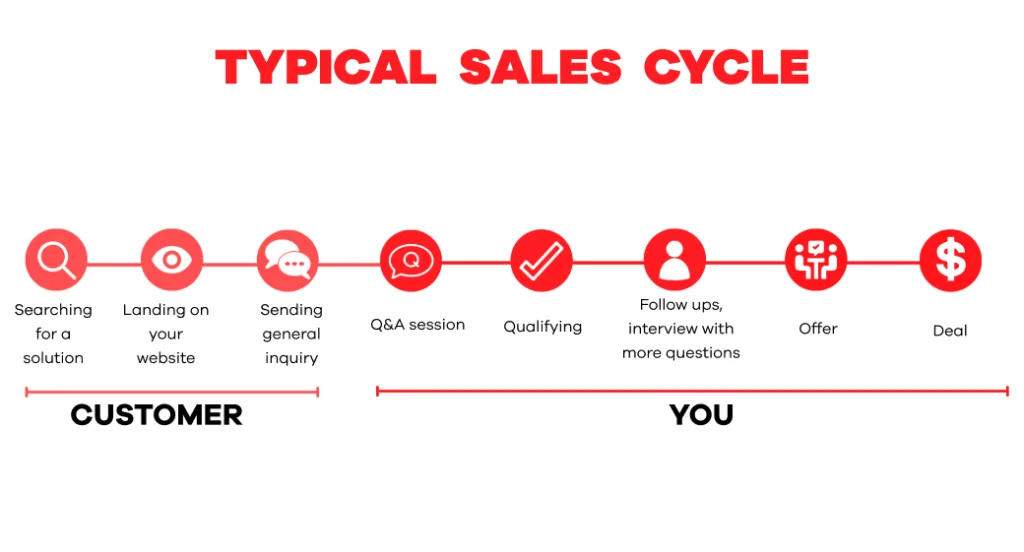
When your branding is strong, every marketing dollar works harder. Why? Because recognition shortens the sales cycle. A customer is 10x more likely to click an ad from a brand they already trust and recognize than from a total stranger.
Premium Pricing and ROI
This is why a “Brand” can charge $100 for a t-shirt while a “Generic Seller” struggles to sell the same quality for $20. Strong branding allows for premium pricing because you aren’t just selling a product—you’re selling an identity. When you have high brand equity, your ROI on paid ads increases because your conversion rate is naturally higher.
Common Mistakes: Where Businesses Trip Up
-
Marketing Before Branding: This is the most expensive mistake. Running ads before you know your brand voice results in high traffic but zero retention.
-
The “Just a Logo” Trap: Thinking a visual identity is a brand. If your customer service is poor, no amount of “premium” colors will save your reputation.
-
Inconsistency Across Channels: Being “corporate” on your website but “edgy” on Twitter. This creates a fragmented personality that people can’t trust.
-
Treating Branding as an Expense: Branding is an investment. It builds an asset (Equity) that sits on your balance sheet, whereas marketing is an operational expense to drive immediate flow.
Conclusion: Build the Foundation, Then Start the Engine
In the high-speed, AI-driven market of 2026, branding and marketing are inseparable. Branding is your foundation—it’s the “reason to care.” Marketing is your engine—it’s the “reason to buy.” If you build a house without a foundation, it will collapse under the pressure of competition. If you build an engine with no car, you aren’t going anywhere.
Before you launch your next ad campaign, perform a deep audit. Does your marketing reflect your brand’s soul? Does your brand strategy provide a clear path for your marketing tactics?
Ready to stop chasing clicks and start building a legacy? Contact Velocity Agency today for a comprehensive Brand Audit and let’s align your strategy for 2026.
Frequently Asked Questions (FAQs)
1. Which should I invest in first: branding or marketing?
Ideally, branding should come first. You need to know who you are and what you stand for before you tell the world about it. However, for startups, these often happen in parallel. Just ensure you have at least a “Minimum Viable Brand” (MVB) before spending significant money on paid ads.
2. Can marketing change my brand?
Yes. Over time, the way you market—the influencers you partner with, the tone of your ads—will shape your brand perception. This is why brand management is so important; you want to ensure your marketing is reinforcing your brand, not accidentally changing it into something you didn’t intend.
3. How do I measure the ROI of branding vs. marketing?
Marketing ROI is easy to measure: Spend $1, get $3 in sales (ROAS). Branding ROI is measured through “Brand Equity”—metrics like brand awareness, customer lifetime value (LTV), and the ability to maintain higher profit margins than competitors.
4. Is a logo considered branding or marketing?
A logo is a tool of branding. It is a visual shortcut for your brand’s identity. It becomes a marketing asset when it is placed on an ad or a social media post to drive recognition.
5. Why do big brands like Coca-Cola still market if everyone knows their brand?
Because branding is about retention and marketing is about remembrance. Even the biggest brands need to stay “top of mind” to prevent competitors from stealing market share. Marketing keeps the brand relevant in the daily lives of consumers.
6. Can a small business afford “Branding”?
Small businesses can’t afford not to brand. Branding doesn’t require a million-dollar agency; it requires clarity and consistency. Being the “most honest plumber in town” is a brand. Consistency in how you answer the phone and the color of your van is brand management.
7. What happens if my marketing and branding are not aligned?
You will experience high “customer churn.” People will buy once because of a good ad (marketing), but they won’t return or refer others because the actual experience or “feeling” of the business (branding) didn’t live up to the promise.