Introduction
In the hyper-saturated digital landscape of 2026, building a brand is no longer about just “looking professional”; it is about creating a resonant signal in a world of AI-generated noise. This guide provides a strategic blueprint to transform a blank slate into a market-leading identity by focusing on depth, differentiation, and human connection. We will navigate the essential architecture of brand identity, strategy, and positioning to ensure your venture doesn’t just launch, but truly leads.
What Does It Mean to Build a Brand From Scratch?
Building a brand is the deliberate process of engineering a specific perception in the mind of your target consumer. While a logo is a visual shorthand, the brand itself is the emotional residue and trust left behind after every interaction. It is a strategic fusion of your business’s core values and the external symbols that represent them to the world.
Why Brand Development Is Critical in 2026
With attention spans at an all-time low, a powerful brand acts as a visual and mental anchor that allows customers to choose you instantly. Differentiation is the only defense against the “commodity trap,” where businesses are forced to compete solely on price rather than value. Strong brand development directly impacts your bottom line by building the long-term equity needed to drive consistent conversions and customer loyalty.
Step-by-Step Brand Strategy Guide
Define Your Brand Purpose & Vision
Your brand must start with a “Why” that transcends simple profit, acting as the North Star for every decision you make. Define a mission that describes your daily impact and a vision that captures the future world you intend to create. These foundational elements ensure your team and your audience are aligned with a meaningful, long-term objective.
Identify Your Target Audience
Generic messaging is invisible in 2026, so you must identify a specific “Minimum Viable Audience” to serve with absolute precision. Use data to map out their deepest pain points, secret desires, and the specific language they use when searching for solutions. By narrowing your focus, you become more relevant to the people who actually matter to your business’s growth.
Create Your Brand Positioning
Positioning is the act of owning a unique “space” in the customer’s mind that no other competitor can realistically claim. Analyze the market to find the “white space” where your competitors are weak and your Unique Value Proposition is strongest. This strategic placement ensures that when a customer needs a specific solution, your brand is the first and only one they consider.
Build Your Brand Messaging
Your tone of voice should be a distinct personality that remains consistent across every email, social post, and website headline.
Create a core brand story where the customer is the hero of the journey and your brand is the expert guide helping them succeed. Clear messaging removes friction, making it easy for your audience to understand exactly how you improve their lives.
Design Your Brand Identity
Your visual identity—including your logo, color palette, and typography—is the “face” that makes your strategy tangible to the world. Every design choice must trigger a specific psychological response that aligns with your brand’s personality and core values. In a multi-platform world, visual consistency is what builds the “mental availability” required for instant brand recognition.
Develop Brand Guidelines
Consistency is the soul of a powerful brand, and guidelines act as the “source of truth” for anyone creating content on your behalf. These rules ensure that your logo, fonts, and messaging style never become diluted as your team or agency partners expand. A well-documented brand identity protects your reputation and ensures a professional, unified experience for every customer.
Launch & Activate Your Brand
A successful launch is not a single event but a strategic rollout designed to move the brand from a concept to a living experience. Activation involves applying your new strategy across your website, social media channels, and physical touchpoints to engage your audience. This phase is about proving your brand promise through action, turning your strategic theory into real-world market presence.
Key Elements of a Strong Brand Identity
| Element | Description | Goal |
| Visual Identity | Graphics, logo, and color systems. | Immediate recognition. |
| Verbal Identity | Vocabulary, tone, and messaging. | Emotional resonance. |
| Brand Personality | Human traits assigned to the brand. | Relatability and trust. |
| Brand Experience | The feeling of every interaction. | Long-term loyalty. |
Common Branding Mistakes to Avoid
Many startups fail by treating branding as a one-time aesthetic task rather than an ongoing strategic relationship with the customer. A common error is starting with a logo design before defining the brand’s purpose, which leads to a visual identity that lacks depth. Additionally, copying a competitor’s style or being inconsistent with your messaging creates confusion and erodes the trust you are trying to build.
Startup Branding Tips for 2026
In the modern era, must prioritize radical authenticity and the “human touch” to stand out from AI-generated content. Use technology to enhance your efficiency, but ensure your brand’s heart and storytelling remain undeniably handcrafted and real. Building a community around your brand is far more effective than traditional advertising, as it fosters organic advocacy and sustainable growth.
How to Grow and Scale Your Brand
Scaling your brand requires a delicate balance of maintaining your core values while adapting your visual and verbal tactics to new markets. As you grow, focus on building “Brand Equity”—the cumulative value of your reputation—which allows you to expand your offerings with built-in trust. Long-term success comes from evolving with your audience without ever losing the unique identity that made them love you in the first place.
Real Examples of Successful Brand Building
| Brand | Core Positioning | Key Success Factor |
| Apple | Simplicity & Innovation | Absolute visual and verbal consistency. |
| Airbnb | Community & Belonging | Shifting from “rentals” to “experiences.” |
| Nike | Inspiration & Performance | Positioning the customer as the ultimate athlete. |
Brand Building Checklist
-
Define Identity: Establish your Mission, Vision, and Values as the brand’s foundation.
-
Research Audience: Identify the pain points and desires of your “Ideal Customer Avatar.”
-
Draft UVP: Create a single, powerful sentence that explains your unique value.
-
Design Assets: Develop a scalable logo, color palette, and typography system.
-
Establish Voice: Define the tone and vocabulary for all brand communications.
-
Publish Guidelines: Create a master document to maintain consistency across all platforms.
-
Activate: Execute a multi-channel launch strategy to introduce the brand to the market.
Conclusion
Building a powerful brand from scratch is a journey of “Identity Architecture” that requires both strategic logic and creative soul. By following this blueprint, you ensure that your business is not just another option, but the only logical choice for your ideal audience. The relentless pursuit of consistency and authenticity is what ultimately turns a new startup into a household name. Velocity Agency is committed to helping you navigate this complex terrain, ensuring your brand achieves maximum impact and sustainable growth. Start building your brand today—the future of your industry is waiting for a voice that is uniquely yours.
FAQs
How long does it take to build a brand?
While a visual identity can be designed in weeks, “Brand Equity”—the actual value of your reputation—takes 6 to 12 months of consistent market presence to solidify.
What is the difference between brand identity and branding?
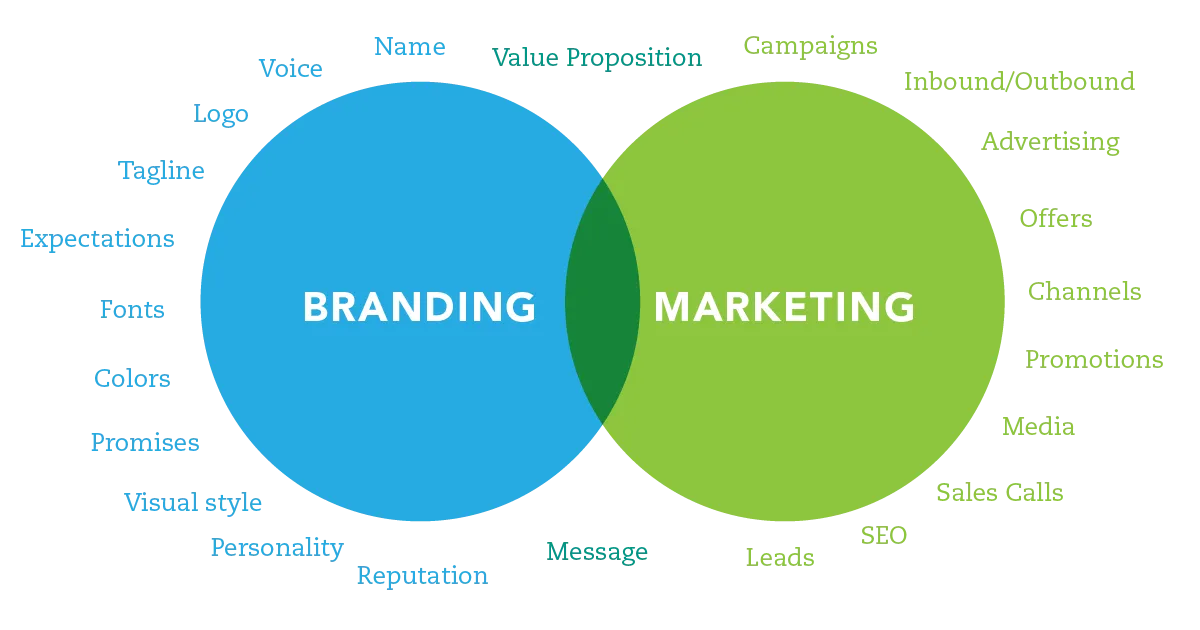
Brand identity is the “wardrobe” (your logo, colors, and fonts), while branding is the “personality” and the “actions” (the way you speak, the values you uphold, and the trust you build).
Can I build a brand without a big budget?
Absolutely. In 2026, “Niche Authority” is more powerful than “Mass Reach.” By focusing on a specific community and offering authentic value, a startup can outperform a legacy brand with a million-dollar ad spend.
What is the first step in brand development?
The first step is Purpose-Discovery. Before you touch a design tool, you must define exactly why your brand exists and who it is designed to serve.