
Finding out your brand name is taken can feel stressful and disappointing. Many people face this issue while starting a business or brand. You may worry about legal trouble or starting over completely. The good news is that you still have clear options.
This guide explains what “brand name taken” really means legally. It also shows what steps you should take next. Everything is written in simple and friendly language. Let’s walk through this together calmly.
What Does “Brand Name Taken” Really Mean?
When someone says a brand name is taken, it can mean different things. It does not always mean the name is legally protected. Sometimes the name is only used online or locally. Understanding this difference saves time and prevents legal mistakes.
Many people panic before checking the actual legal status properly. A name being used does not always block you legally. You must understand the type of protection involved. This section clears that confusion.
Business Name vs Brand Name
A business name is the registered name of a company. A brand name is how customers recognize products or services. These two are often confused by beginners. They do not always have the same legal protection.
A business name can be registered locally without trademark protection. A brand name usually needs trademark registration for legal safety. This difference matters a lot during name conflicts. Knowing this helps you make smarter decisions.
Trademarked vs Unregistered Names
A trademarked name has strong legal protection under trademark law, giving owners exclusive rights to use it in commerce. In contrast, an unregistered name may still be used publicly, but it lacks full legal protection. This is where many people misunderstand brand availability, assuming that public use equals safety.
Legal risk depends on the trademark status, not just how widely the name is used. Even unregistered names can create some risk in certain situations. Trademark owners have stronger rights than regular business users, which is why conducting thorough checks is crucial.
Skipping this step can lead to serious legal and business problems later. To avoid these issues and ensure your brand story is both unique and legally safe, it’s helpful to learn how to craft and protect your brand effectively, as explained in this guide on how to tell your brand story.
How to Check If a Brand Name Is Legally Taken

Before changing your idea, you should always check properly. Many tools exist to check brand name availability. Each check serves a different legal purpose. Doing all of them gives you clarity and peace of mind.
This process is not as hard as it sounds. You do not need to be a lawyer. You just need to follow the steps carefully. Let’s break them down simply.
Trademark Search (USPTO and Local Databases)
A trademark search shows if a name is legally protected. In the United States, the USPTO database is commonly used. Other countries have their own trademark databases. This step is critical for legal safety.
You should search exact names and close variations. Similar names can still cause trademark conflicts. Many people miss this detail completely. A thorough search reduces future legal risks.
Business Name Registration Check
Business name registration is usually handled by state or local authorities. This check tells you if a company already registered the name. It does not always mean trademark protection exists. Still, it matters for local operations.
Two businesses cannot share identical registered names in one state. Different states may allow the same name. This is why location matters here. Always check your target operating area.
Domain and Social Media Availability
Domain names and social handles matter for branding success. A name may be legally available but unavailable online. This creates marketing and trust problems later. Availability here affects long-term growth.
You should check popular domain extensions and social platforms. Consistency across platforms builds a strong brand identity. Many businesses fail to do this early. This mistake causes rebranding later.
Brand Availability Comparison Table
| Check Type | What It Confirms | Legal Importance |
|---|---|---|
| Trademark Search | Legal ownership of name | Very High |
| Business Registration | State or local usage | Medium |
| Domain Availability | Website identity | Medium |
| Social Media Handles | Brand consistency | Low to Medium |
What Happens If You Use a Taken Brand Name?
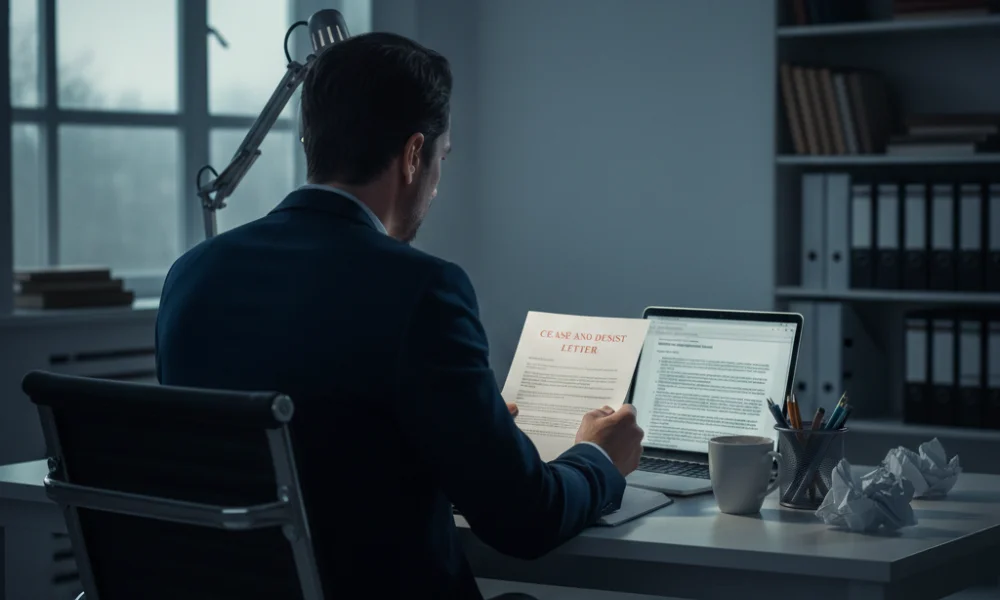
Using a well-known brand name can create serious problems. Legal consequences often surprise new business owners. Many think nothing will happen until it does. Understanding risks early saves money and stress.
Some conflicts start small but grow quickly. A single legal notice can shut down your brand. Rebuilding costs time and reputation. Avoiding this situation is always better.
Legal Risks and Trademark Infringement
Trademark infringement happens when you use a protected name. The owner can legally stop you from using it. You may receive cease-and-desist letters. Lawsuits are also possible in serious cases.
Courts usually protect registered trademark owners strongly. Even unintentional use can be punished. Legal defense costs are very high. This risk alone makes proper checking essential.
Rebranding Costs and Business Damage
Rebranding is expensive and emotionally exhausting. You have to update logos, domains, and all marketing materials, which takes both time and money. Customers may lose trust during sudden changes, and business growth often slows down throughout the transition.
Many businesses struggle or fail after forced rebranding because brand recognition takes time to rebuild, and in some cases, the damage can be permanent. The best way to avoid these issues is early name validation and careful planning.
For freelancers and small business owners, focusing on strong personal branding from the start is crucial, as it helps maintain credibility and client trust. Learn more about building a solid reputation and effective strategies in this guide on personal branding for freelancers.
What to Do If Your Brand Name Is Taken

Discovering your brand name is taken does not mean failure. It simply means adjustment is needed. Many successful brands faced this situation early. What matters is how you respond next.
You have multiple options depending on the situation. Some options involve small changes. Others require new creative thinking. Let’s explore them calmly.
Check If Similar Names Are Allowed
Similar names may be legally allowed in some cases. This depends on industry and trademark class. Two similar names can exist in different industries. Legal confusion risk must still be evaluated.
You should compare pronunciation, spelling, and meaning. Slight differences are not always safe. Legal advice helps in borderline cases. Do not assume similarity is allowed automatically.
Modify the Brand Name Safely
Adding words can sometimes make a name unique. Using location, service, or descriptive words helps. This approach keeps your original idea alive. It also reduces trademark conflict risks.
Examples include adding “studio,” “solutions,” or a city name. These changes must still be checked legally. Smart modifications save time and money. Always recheck availability after changes.
Buy the Name If Possible
Some owners may be willing to sell their brand name. This usually happens when the brand is inactive. Domain marketplaces and brokers can help. Costs vary depending on demand.
Buying a name gives full control and legal clarity. However, it may not fit every budget. Negotiation skills matter here. This option suits businesses with a strong commitment.
Choose a New Brand Name
Choosing a new name is sometimes the best option. It allows complete freedom and safety. Fresh names avoid legal stress completely. Creativity becomes your biggest advantage.
Many strong brands were created after name rejection. A new name can perform even better. Focus on uniqueness and clarity. This decision can be empowering.
Can You Use a Similar Brand Name?

Using a similar brand name is risky territory. Some similarities are allowed, others are not. The difference depends on the likelihood. This section explains how that is judged.
Many people assume small spelling changes are safe. This is not always true legally. Courts focus on consumer confusion. Understanding this protects your business.
When It Is Usually Legal
It is usually legal when industries are completely different. Names can coexist if audiences never overlap. Trademark classes help determine this. Geographic separation also matters sometimes.
For example, a tech brand and a food brand may share names. Still, legal checks are required. This is not guaranteed safety. Always verify before proceeding.
When It Becomes Risky
Risk increases when industries overlap closely. Similar pronunciation increases confusion risk. Visual similarity also matters in logos. Courts examine the overall impression carefully.
Even different spellings may still be considered infringement. Intent does not always matter legally. Consumer confusion is the main concern. This is why caution is necessary.
How Lawyers Judge Brand Conflicts
Lawyers examine similarity, industry, and audience overlap. They assess trademark strength and usage history. Market confusion evidence is also reviewed. Each case is evaluated holistically.
This process is complex for non-lawyers. Legal advice simplifies decision-making. A short consultation can prevent major loss. This step is often worth the investment.
How to Choose a Safe Brand Name Going Forward

Choosing a safe brand name requires planning and patience. Rushing leads to mistakes and regret. A structured approach reduces risks significantly. This section helps you do it right.
Many founders skip checks due to excitement. This often causes future legal trouble. A calm process saves years of stress. Follow these steps carefully.
Legal Checklist Before Finalizing a Name
Always perform a trademark search first. Check business registration availability next. Review domain and social handle availability. Confirm name uniqueness within your industry.
Doing this checklist prevents future conflicts. It takes only a few hours. The benefits last for years. This habit protects your brand investment.
Tools to Avoid Brand Name Conflicts
Online trademark databases are very helpful. Business registration portals provide quick checks. Domain tools show digital availability instantly. Social platforms help confirm branding consistency.
Using these tools together gives full clarity. No single tool is enough alone. Combined checks provide confidence. This approach avoids costly surprises later.
Conclusion
Finding out your brand name is taken feels discouraging at first. However, it does not mean your business idea is failing. With proper checks, you can move forward safely. Smart decisions now protect your future growth.
Legal clarity and availability checks are always worth the effort. Many successful brands faced this exact situation. Stay calm and explore your options wisely. Your perfect brand name is still possible.