
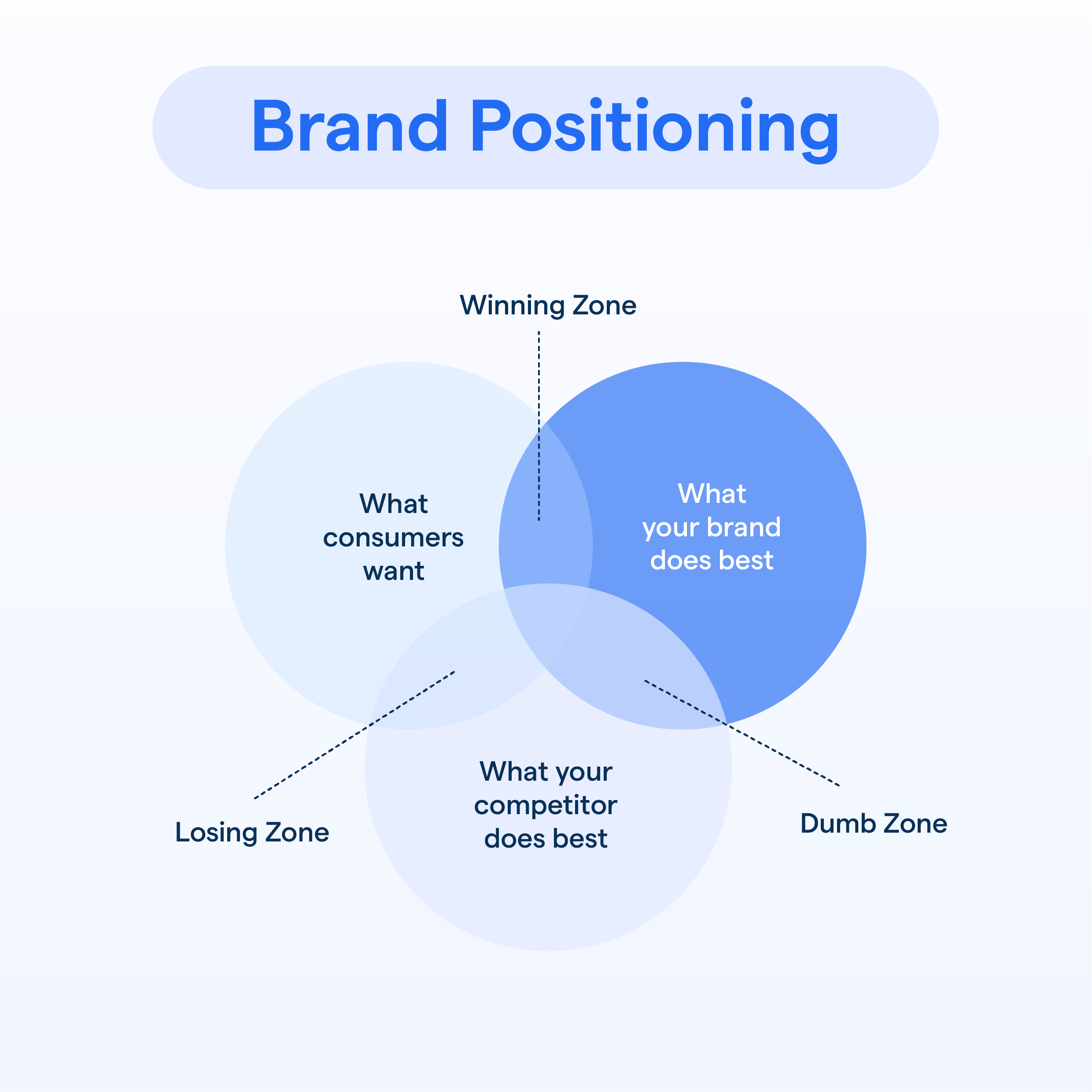
Brand positioning is the process of creating a clear and unique place for a brand in the customer’s mind. It helps people understand what a brand stands for and why it is different from competitors. A strong positioning strategy is built by understanding the target audience, defining brand identity, and creating a clear value that separates the business from others. Real examples like Apple, Nike, and Coca-Cola show how powerful positioning can shape customer perception and loyalty. When done correctly, brand positioning improves trust, recognition, and long-term business growth by keeping messaging consistent and meaningful across all platforms.
Brand Positioning Explained with Real Examples
What is Brand Positioning?
Brand positioning is how a brand is placed in the customer’s mind. It explains what makes a brand different from others in the market. In simple words, it is about how people see your brand. It shapes brand identity and overall market perception clearly.
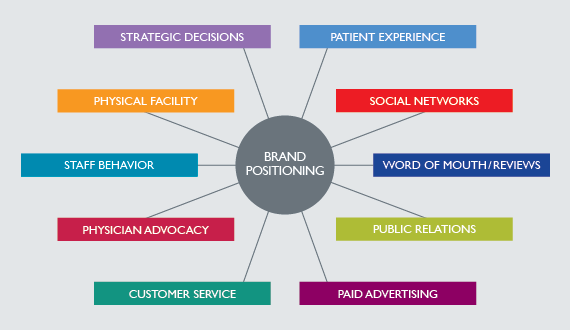
Brand positioning is not just about logo or design. It is about the feeling and value people connect with your brand. It helps you stand out in a crowded market. Every business needs clear positioning for long-term success in markets.
Many people confuse branding with positioning, but they are not the same. Branding is everything about your business identity and visuals. Positioning is the space your brand owns in customer minds. Strong positioning creates strong emotional connection with target audience effectively.
Why Brand Positioning Matters in Marketing
Brand positioning is important because it helps customers remember your business. When people clearly understand your value, they trust your brand more easily. It also helps you compete with similar businesses in your industry. Good positioning increases customer trust and improves overall business growth.
Without proper positioning, your brand can look similar to others. This creates confusion in the customer’s mind and reduces sales chances. Clear positioning helps people choose you over competitors easily. It builds strong market identity and long-term customer loyalty quickly.
In marketing, positioning also guides your messaging and communication style. It ensures that every ad, post, or campaign feels consistent. This consistency builds recognition and brand recall in the market. Consistent messaging strengthens brand identity and improves customer experience greatly.
Key Elements of a Strong Brand Positioning Strategy
A strong brand positioning strategy is built on several important elements. These elements help shape how your brand is seen in the market. Without them, your strategy may feel weak or unclear. Each element builds clarity and trust in customer perception effectively.
Understanding Target Audience
Your target audience is the group of people you want to reach. Knowing their needs helps you build better positioning strategy examples. It also helps you design products and messages that fit them. Understanding audience behavior improves marketing results and brand success greatly.
Defining Your Brand Identity
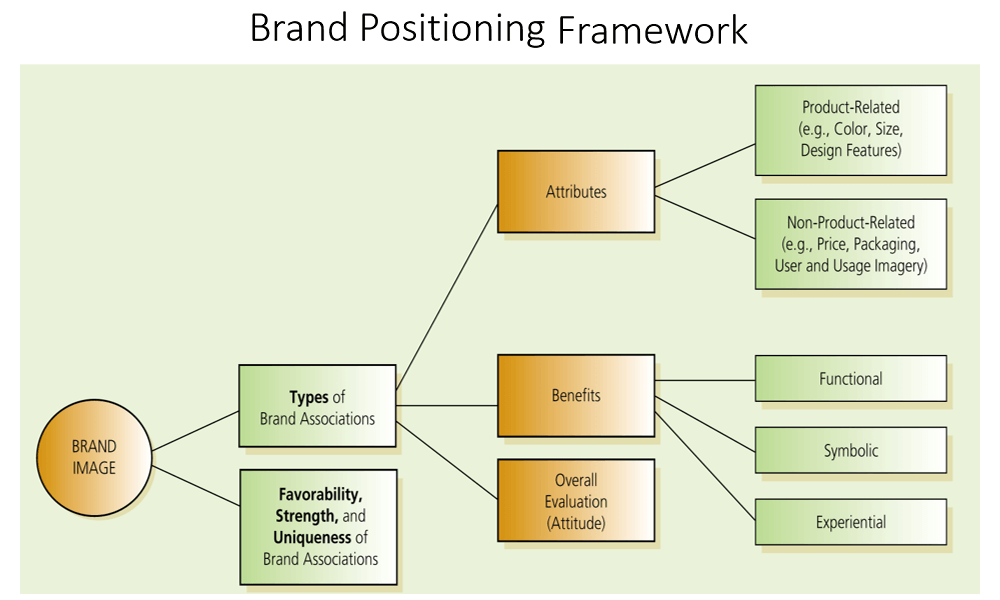
Brand identity includes your logo, tone, values, and personality. It shows how your brand looks and feels to people. A strong identity makes your brand easy to recognize everywhere. Clear identity improves recognition and builds emotional connection with customers.
Competitive Positioning in the Market
Competitive positioning means understanding how you are different from others. It helps you find your unique space in the market. You must highlight what makes your brand better or special. Differentiation helps brands survive and grow in competitive industries fast.
Brand Positioning Strategy Examples from Real Companies
Real-world examples make brand positioning easier to understand clearly. Many successful companies use strong positioning to stay ahead. Let’s look at some simple examples from popular brands. These examples show how positioning shapes customer perception effectively today.
| Brand | Positioning Strategy | Customer Perception |
|---|---|---|
| Apple | Premium + Innovation | High quality and luxury feel |
| Nike | Motivation + Performance | Inspiration and active lifestyle |
| Coca-Cola | Happiness + Emotion | Fun, joy, and togetherness |
| Tesla | Future + Innovation | Smart and eco-friendly tech |
Apple focuses on premium quality and innovation in every product. People see it as a luxury and high-tech brand. This positioning allows Apple to charge higher prices easily. Apple builds strong emotional and premium brand identity globally.
Nike focuses on sports, motivation, and performance improvement for users. Their slogan inspires people to push their limits every day. This creates strong emotional connection with athletes and youth. Nike builds powerful identity through motivation and performance messaging globally.
Coca-Cola connects its brand with happiness and sharing moments. It uses emotional advertising to build strong customer relationships. People associate Coca-Cola with celebrations and enjoyable experiences. Emotional branding helps Coca-Cola stay top in beverage industry.
Step-by-Step Brand Positioning Guide
Creating brand positioning is not very complicated if done step by step. You just need to follow a clear process and understand your market. This helps you build strong and effective brand strategy guide. Simple steps make positioning process easier for beginners and businesses.
Step 1 – Identify Your Market Gap
First, find what is missing in the current market. Look at what competitors are not offering properly. This gap will help you position your brand better. Market gap discovery leads to better business opportunities and growth.
Step 2 – Define Your Unique Value
Now decide what makes your brand different and valuable. This is called your unique selling proposition or USP. It should clearly explain why customers should choose you. Unique value helps brands stand out in crowded competitive markets.
Step 3 – Build Your Positioning Statement
A positioning statement is a short message about your brand. It explains who you serve and what value you give. This statement guides all your marketing and branding decisions. Clear statement improves consistency across all marketing channels effectively.
Step 4 – Align Brand Identity with Messaging
Make sure your brand identity matches your message everywhere. Your logo, tone, and visuals should support your positioning. This creates trust and strong recognition in customers’ minds. Consistency in identity builds long-term trust and brand loyalty.
Common Mistakes in Brand Positioning
Many businesses fail because they do not plan positioning properly. One common mista
ke is copying competitors without any difference. This makes the brand invisible in the market. Copying others reduces originality and weakens brand identity badly.
Another mistake is ignoring customer needs and expectations completely. If you do not understand your audience, positioning will fail. Customers will not connect with your brand message. Customer understanding is key for successful brand positioning strategy.
Some brands also change their message too often. This creates confusion and reduces trust in the market. Consistency is very important for strong positioning success. Consistency builds recognition and improves long-term customer relationships greatly.
Final Thoughts on Brand Positioning
Brand positioning is the foundation of every successful business strategy. It helps customers understand who you are and what you offer. Without it, your brand cannot grow in a competitive market. Strong positioning creates clear identity and long-term business success.
In simple words, brand positioning is about owning a space in minds. It combines identity, messaging, and customer perception into one clear idea. When done right, it builds powerful brand recognition and trust. Effective positioning turns simple businesses into strong market leaders.
If you want to learn more about branding, strategy, and digital growth, you can explore resources on Brandsholder website. It provides helpful insights on brand strategy, identity building, and modern marketing approaches. This can help you improve your understanding and apply better business decisions. Learning from trusted platforms improves your branding knowledge and skills.