Brand vs Logo is one of the most confusing topics for new business owners and even experienced marketers.
However, once you understand the difference, your marketing becomes clearer, stronger, and more consistent.
In simple words, a logo is a symbol, while a brand is the full experience people have with your business.
Therefore, if you want customers to remember you and trust you, you need more than a nice-looking design.
What Is a Brand?
A brand is the overall perception people have about your business.
In other words, it’s what customers feel and expect when they see your name.
It includes your values, your voice, your customer service, your product quality, and even the emotions you create.
Moreover, your brand is shaped by every interaction—your website, social media posts, emails, packaging, and reviews.
Streamline your branding with our brand guidelines template to keep your visuals and messaging perfectly consistent.
What a Brand Includes
A brand is made of many parts working together.
For example, these elements usually shape your brand:
-
Mission and values (what you stand for)
-
Tone of voice (friendly, premium, bold, calm, etc.)
-
Visual identity (colors, fonts, style, and imagery)
-
Customer experience (service, speed, support, and trust)
-
Reputation (what people say about you publicly)
As a result, branding is not just “design work.” It’s a long-term strategy.
Meanwhile, the goal is simple: create a consistent impression people can rely on.
What Is a Logo?
Source: Pinterest
A logo is a visual mark that represents your business.
Typically, it could be a wordmark (text-only), an icon, or a mix of both.
A logo helps people recognize you quickly. However, it’s easy to get the design wrong. Before you start sketching, make sure you avoid these common logo design mistakes that can hurt your brand’s credibility. However, it does not explain your values, your quality, or your personality by itself.
What a Logo Does Well
A logo is powerful when used the right way.
For instance, a strong logo can:
-
Improve recognition at a glance
-
Make your business look more professional
-
Create consistency across platforms
-
Help your packaging, website, and ads feel connected
That said, a logo is still just one brand asset.
Therefore, even an expensive logo won’t fix confusing messaging or weak customer experience.
Brand vs Logo: The Core Difference
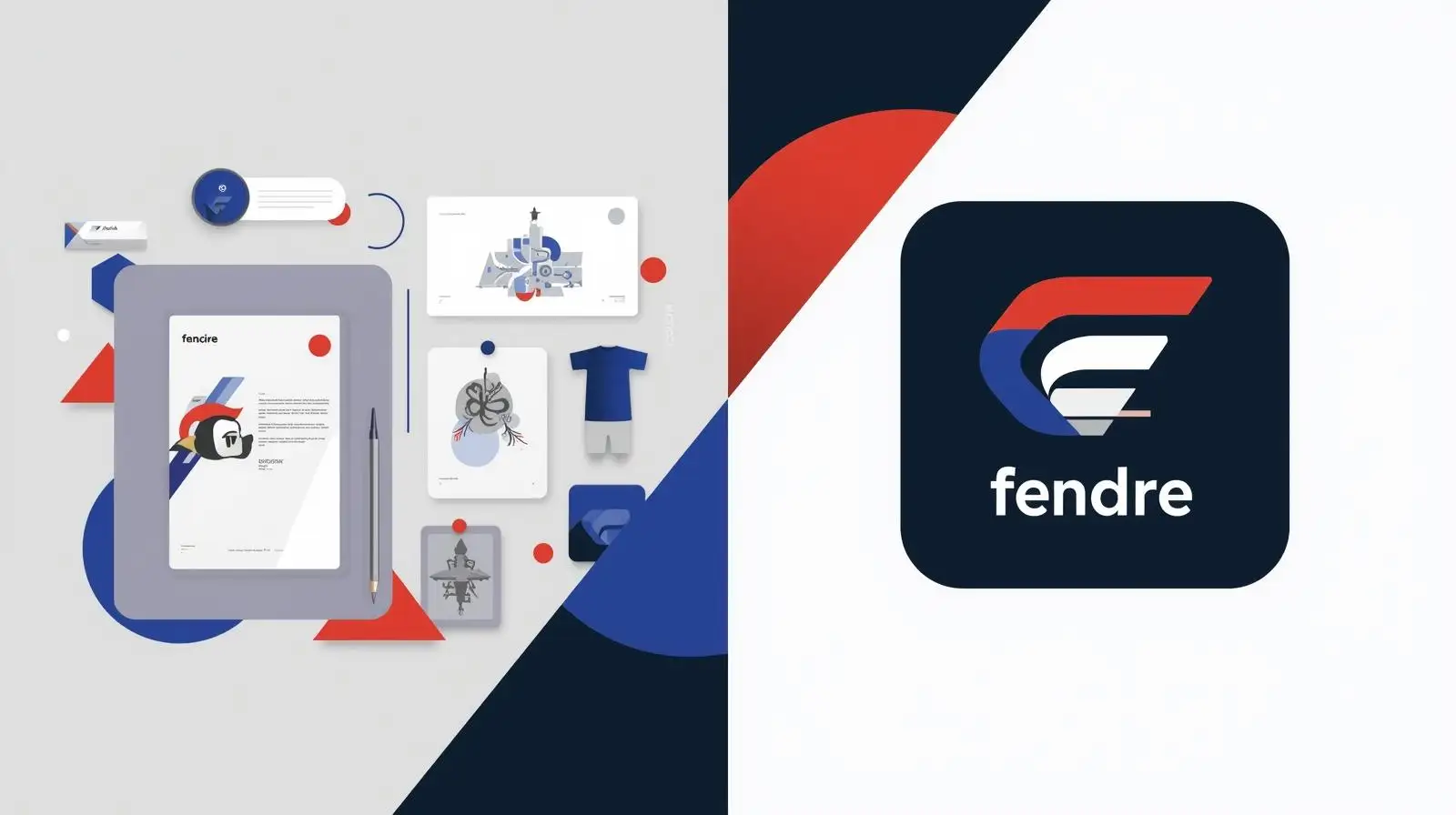
Here’s the easiest way to understand Brand vs Logo: Your logo is what people see; your brand is what people remember.
While a logo is a single visual symbol, a brand is the full story and meaning behind your business. If you aren’t sure how to articulate yours, learn how to tell a brand story that truly resonates with your audience.
A Quick Example
Imagine two coffee shops with equally nice logos.
However, one shop is warm, consistent, friendly, and always delivers great coffee.
The other shop is messy, slow, and feels unreliable.
Even with a good logo, the second shop won’t build loyalty because the brand experience is weak.
So, the difference is clear: the logo can open the door, but the brand makes people stay.
Consequently, brand building is where long-term growth happens.
Pro Tip from the Field: > Having worked with dozens of startups, I’ve noticed a recurring pattern: founders often spend 80% of their budget on a “perfect” logo and 0% on their brand story. One client I worked with had a world-class logo, but their website messaging was so confusing that their conversion rate stayed below 1%. Once we fixed the brand (the story and the promise), their sales tripled without changing a single line of the logo.
Why This Difference Matters for Business Growth
If you treat your logo like your entire brand, you may focus on the wrong things. Instead, you should build the bigger system that creates trust and preference.
1) People Buy Feelings, Not Just Features
Customers choose brands that match their identity.
For example, they might choose “simple and clean,” “luxury,” or “fun and playful.”
Therefore, your brand must communicate those feelings consistently.
Meanwhile, your logo supports that message visually.
2) Branding Helps You Charge More
A strong brand creates perceived value.
As a result, customers often accept higher prices because they trust the experience.
However, a logo alone cannot justify premium pricing.
You need storytelling, consistency, and customer confidence.
3) Branding Builds Loyalty
When people connect emotionally, they return. Moreover, they recommend you, defend you, and remember you.
So, if your goal is retention, branding matters more than a redesign.
That said, your logo should still look clean and recognizable.
How Brand and Logo Work Together

Your logo should reflect your brand personality. For instance, a playful brand often uses softer shapes and friendly typography. Meanwhile, a serious corporate brand may use clean lines and minimal colours. Therefore, design choices should come from strategy, not trends.
A Simple Way to Align Them
To connect brand and logo, start with clarity.
Then, make sure these match:
-
Your brand values and messaging
-
Your target audience’s expectations
-
Your visual identity (colors, fonts, layout style)
-
Your tone of voice across content
As a result, your logo becomes a “shortcut” to your brand feeling.
Moreover, consistency makes you look bigger and more trustworthy.
The Concept of Brand Equity
When your brand and logo work together perfectly, you build Brand Equity. This is the commercial value that derives from consumer perception of the brand name, rather than from the product itself.
-
Brand Identity: What you create (Logo, colors, voice).
-
Brand Image: What the customer actually perceives.
-
Brand Alignment: When your identity matches your image.
Using a consistent logo across all touchpoints is the “glue” that holds your Brand Equity together.
Common Mistakes People Make
Many businesses waste time because they mix these ideas up.
So, here are mistakes to avoid:
Mistake 1: Redesigning the Logo Instead of Fixing the Brand
If customers don’t trust you, the issue may be service, messaging, or positioning. Therefore, a logo refresh won’t solve the real problem.
Mistake 2: Using Random Colors and Fonts Everywhere
A brand should feel consistent. However, switching styles across platforms makes you look uncertain.
Mistake 3: Copying Competitors
It may feel safer to follow what others do. However, copying usually makes your business forgettable. Instead, you should focus on what makes you different and build your identity around that strength.
Consequently, your brand becomes easier to recognise, trust, and remember, especially when you consistently reinforce credibility and transparency, as explained in this guide on how to build brand trust.
How to Improve Your Brand Without Overcomplicating It
You don’t need a huge budget to build a strong brand. Rather, you need clear choices and consistency.
Start here:
-
Define your promise: What do you deliver every time?
-
Choose a personality: Friendly? Premium? Bold? Minimal?
-
Write a simple message: One sentence customers understand quickly
-
Create basic brand guidelines: colors, fonts, logo usage, tone
-
Stay consistent for 90 days: then refine based on feedback
Therefore, your branding improves step by step. Moreover, small consistent actions beat big random changes.
Streamline your branding with our brand guidelines template to keep your visuals and messaging perfectly consistent.
FAQs
What comes first: the brand or the logo?
The brand should come first because it defines the strategy. Then, the logo is designed to match that personality and message.
Can a business succeed with a simple logo?
Yes, absolutely, However, success depends more on the brand experience—quality, trust, clarity, and consistency.
Is branding only for big companies?
No. In fact, small businesses benefit even more. Therefore, branding helps you stand out and look professional, even on a tight budget.
How often should I change my logo?
Not often , Instead, update your logo only when your business has evolved or the design creates confusion.
What’s more important for marketing: brand or logo?
Your brand is more important because it shapes customer decisions. However, a good logo supports recognition and consistency.
Conclusion
Brand vs Logo is not a small detail it’s a foundational business idea. A logo is your visual symbol, while your brand is the full experience people connect with over time. Therefore, if you want real growth, you must focus on how customers feel at every touchpoint, from your website and content to your communication and trust signals.
In fact, understanding the basics of visibility and strategy, such as those explained in this helpful guide on SEO for beginners, can significantly strengthen how your brand is discovered and remembered online.
Meanwhile, keeping your logo consistent and aligned with your brand personality helps reinforce that experience. When your brand message is clear and your logo supports it visually, marketing becomes easier and more effective.
As a result, people recognize your business faster, trust it sooner, and return more often—turning simple awareness into long-term loyalty.