Brand storytelling is a marketing approach that uses emotional and meaningful stories to build trust with customers. It focuses on emotional branding, customer connection, and consistent messaging. Businesses use storytelling marketing examples to show real experiences and values. A strong brand content strategy helps maintain consistency across all platforms. In the future, personalization and AI will make storytelling even more powerful in digital marketing.
Brand Storytelling: How Does It Build Trust?
What is Brand Storytelling?
Brand storytelling is a way companies share meaningful stories to connect with customers. It focuses on emotions, values, and experiences instead of just selling products. In simple words, brand storytelling means showing the human side of a business. It helps people understand what a brand stands for and why it exists.
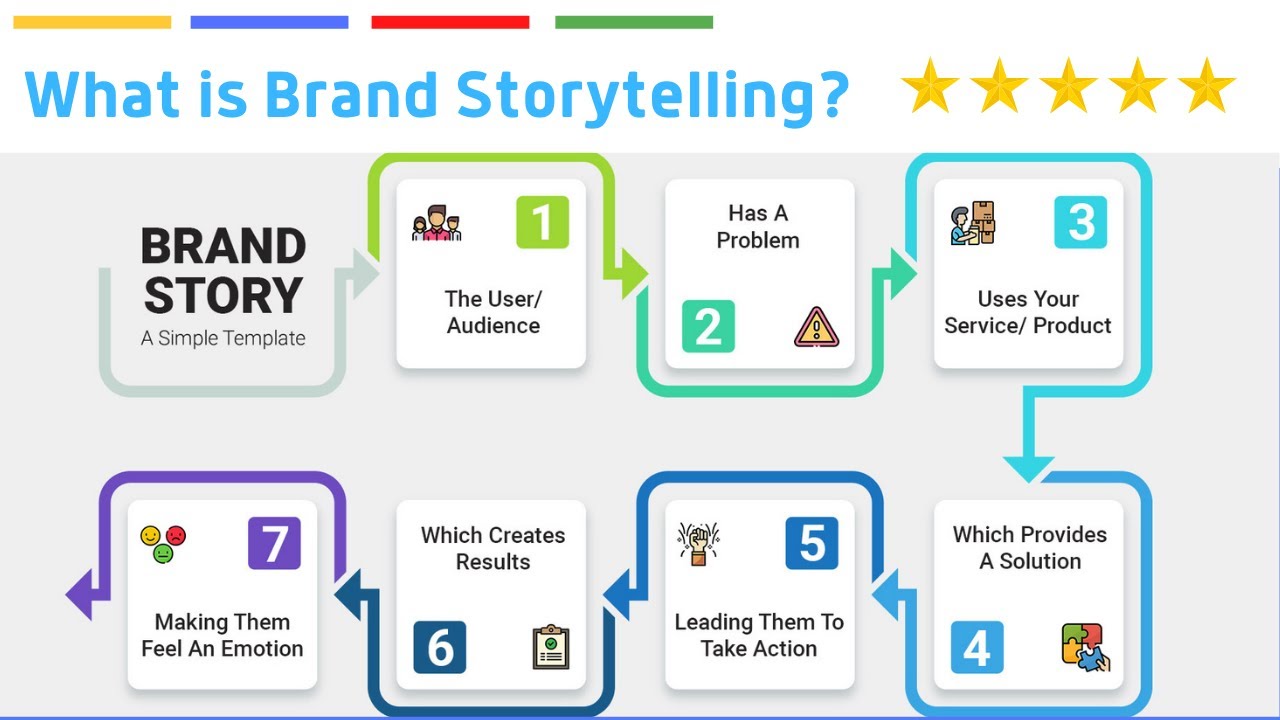
Modern marketing uses brand storytelling to build emotional connections with audiences. When customers feel emotionally connected, they trust the brand more easily. This is why emotional branding is becoming very important in digital marketing today.
Why Brand Storytelling Matters in Modern Marketing
Brand storytelling matters because customers no longer trust direct advertising easily. They prefer brands that feel real, honest, and relatable in their message. Storytelling creates emotional bonding between brands and customers over time.
It also improves customer trust building by showing real values and missions. When people relate to a story, they remember the brand longer. This is how storytelling marketing helps businesses grow in competitive markets.
Emotional Branding and Its Role in Trust Building
Emotional branding focuses on connecting with customers through feelings and experiences. It is not just about selling products but creating emotional impact. This strategy helps brands stay in customers’ minds for a long time.
E=f(Emotion,Trust,Experience)E = f(Emotion, Trust, Experience)E=f(Emotion,Trust,Experience)
This simple idea shows that emotions strongly influence trust and decision-making. When a brand triggers positive emotions, customers naturally feel more connected. Emotional branding builds loyalty by making customers feel understood and valued.
Best Storytelling Marketing Examples from Top Brands
Many famous companies use storytelling marketing examples to build strong relationships. These brands focus on emotions instead of only product features. Let’s understand a simple comparison.
| Brand | Storytelling Approach | Result |
|---|---|---|
| Nike | Inspiring athlete stories | Strong motivation & loyalty |
| Apple | Innovation + lifestyle identity | Premium brand image |
| Coca-Cola | Happiness and togetherness | Emotional global connection |
These examples show how storytelling builds trust and brand value. Customers remember feelings, not just advertisements or product features.
How to Build a Strong Brand Content Strategy
A strong brand content strategy starts with understanding your audience deeply. You need to know what they feel, need, and expect from your brand. After that, you create content that matches those emotions and needs.
Consistency is very important in storytelling marketing. If your message changes often, customers may lose trust. A clear and stable story helps build long-term emotional branding.
Creating Your Brand Narrative
Your brand narrative is the main story behind your business. It includes your mission, values, and journey as a company. This narrative should feel real and easy for people to understand.
A strong narrative builds customer trust building naturally over time. It makes your brand more human and relatable in the market. Always keep your message simple and emotionally engaging.
Using Social Media for Storytelling
Social media is one of the best tools for digital storytelling. Platforms like Instagram, TikTok, and YouTube help brands share real stories. These stories can include behind-the-scenes moments or customer experiences.
Engaging content increases emotional connection with the audience quickly. When people share your story, your brand reach grows naturally. This improves your overall brand engagement strategy.
Key Elements of Effective Brand Storytelling
Effective brand storytelling includes several important elements that work together. These elements make the story clear, emotional, and memorable for customers.
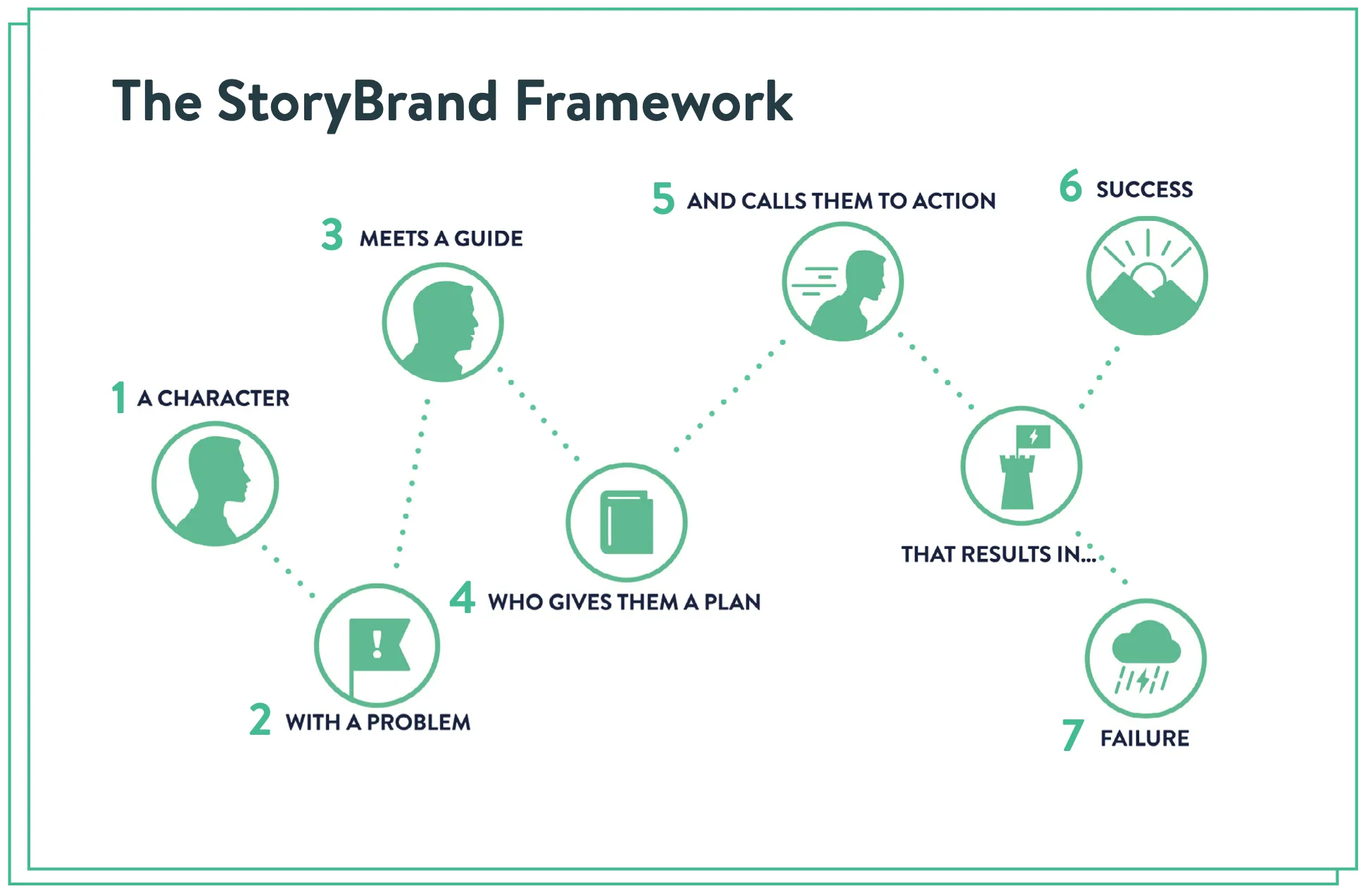
- Characters (brand or customer)
- Conflict (problem or challenge)
- Resolution (solution provided by brand)
- Emotion (trust, happiness, inspiration)
When these elements are combined, they create a powerful story. This story helps customers feel connected to the brand identity.

Common Mistakes in Brand Storytelling
Many brands make mistakes while using storytelling marketing strategies. One common mistake is focusing only on selling products. This makes the message feel forced and less emotional.
Another mistake is inconsistency in storytelling. If the brand message keeps changing, customers lose trust. Weak emotional connection also reduces the impact of storytelling efforts.
Future of Brand Storytelling in Digital Marketing
The future of brand storytelling is becoming more personalized and interactive. AI and data will help brands understand customer emotions better. This will improve emotional branding strategies in the coming years.
Personalization=Data+Emotion+TimingPersonalization = Data + Emotion + TimingPersonalization=Data+Emotion+Timing
This means future marketing will focus more on individual experiences. Brands will create stories based on user behavior and preferences. This will make storytelling even more powerful and effective.
Quick Summary Table of Brand Storytelling
| Aspect | Description |
|---|---|
| Brand Storytelling | Sharing emotional brand-based stories |
| Emotional Branding | Connecting through feelings |
| Content Strategy | Planning consistent brand messages |
| Marketing Impact | Builds trust and loyalty |
Conclusion
Brand storytelling is one of the strongest tools in modern marketing. It helps businesses connect emotionally and build long-term trust with customers. A strong story makes a brand more human, relatable, and memorable.
If you want to learn more about branding and marketing strategies, you can explore resources on BrandsHolder website for deeper insights and practical tips.
FAQs
1. What is brand storytelling in marketing?
Brand storytelling in marketing is the process of sharing a brand’s journey, values, and purpose through emotional and relatable stories. It helps customers understand what the brand truly stands for. This approach builds stronger emotional branding and long-term trust.
2. Why is brand storytelling important for businesses?
Brand storytelling is important because it helps businesses connect with people on an emotional level. Customers trust brands more when they feel a real human connection. It also improves loyalty and strengthens overall brand content strategy.
3. What are some storytelling marketing examples?
Common storytelling marketing examples include Nike inspiring athletes through real success stories. Apple focuses on innovation and lifestyle experiences in its messaging. Coca-Cola shares stories of happiness, togetherness, and emotional moments.
4. How does emotional branding help in trust building?
Emotional branding builds trust by connecting with customer feelings and experiences. When people emotionally relate to a brand, they are more likely to stay loyal. This creates long-term customer trust building and stronger brand relationships.
5. Can small businesses use brand storytelling effectively?
Yes, small businesses can use brand storytelling very effectively. Even simple stories about their journey or customers can create strong emotional impact. It helps them compete with larger brands through authenticity and connection.