
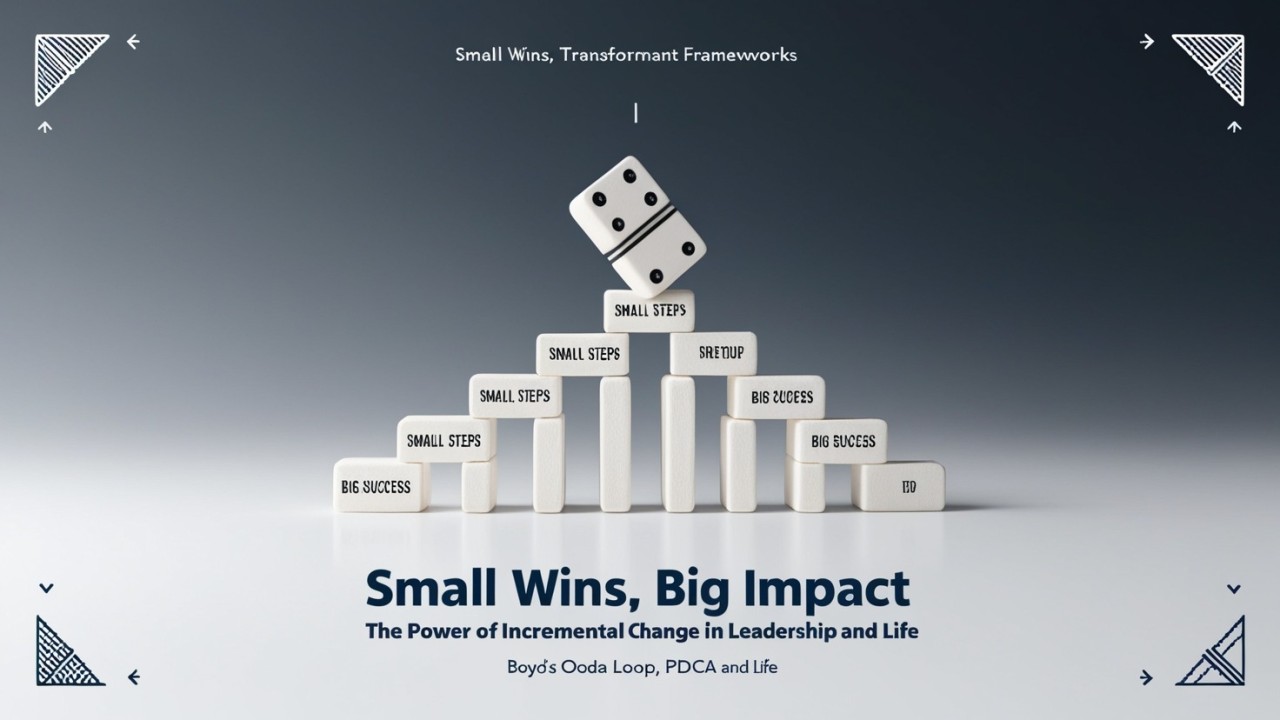
A simple but strategic change to a website’s call-to-action transformed lead generation from around 50 to over 200 monthly leads without increasing traffic or ad spend. By replacing a vague “Contact Us” button with a clear, low-commitment offer—“Get My Free 15-Minute Strategy Call — No Commitment”—and adding objection-handling micro-copy, the business removed user hesitation and built trust at the critical decision point. This data-driven conversion optimization approach boosted the conversion rate from 0.4% to 1.65%, proving that clarity, specificity, and reducing friction can dramatically improve results without major redesigns or additional marketing investment.
What if the difference between 50 leads a month and 200 leads a month was a single change on one page of your website?
That is exactly what happened — and this increase leads case study breaks down every detail of how it occurred, why it worked, and how you can apply the same logic to your own business.
No paid ad budget increase. No viral content. No redesign. Just one focused, data-backed change rooted in conversion optimization principles that most businesses overlook entirely.
Here is the full, honest breakdown.
The Starting Point: What the Numbers Looked Like Before
Before any changes were made, the situation looked like this:
- Monthly website visitors: approximately 12,000
- Monthly leads generated: 48–55
- Conversion rate: roughly 0.4%
- Primary lead source: a contact form buried on the Services page
- Average time on page: 1 minute 42 seconds
- Bounce rate: 71%
On the surface, traffic was decent. But the website was essentially leaking potential leads at every step. Visitors were arriving, reading a little, and leaving without taking any action.
The instinct for most businesses in this situation is to spend more on ads or produce more content. Instead, the decision was made to first understand why people were not converting — before throwing more traffic at a broken system.
The Diagnosis: Finding the Real Problem
Running a Conversion Audit
A full CRO audit was conducted using heatmaps, session recordings, and a simple user survey. The findings were revealing.
Heatmaps showed that most visitors scrolled only 40% down the homepage before leaving. Session recordings showed users hovering over the main call-to-action button — a generic “Contact Us” button — then moving away without clicking.
The user survey, sent to 200 recent visitors, asked one simple question: “What stopped you from reaching out today?”
The top three answers were:
- “I wasn’t sure what would happen after I clicked”
- “It felt like a big commitment”
- “I didn’t know how long it would take”
This was the insight that changed everything. The problem was not traffic. It was not even the offer. It was friction and uncertainty at the point of action.
What the Data Said About the CTA
The original call-to-action button said: “Contact Us”
It sat on a page with no context about what happens next, no time expectation, and no reason to act now rather than later. From a lead generation strategy perspective, it was asking visitors to make a decision with almost no supporting information.
This is one of the most common and costly mistakes in conversion optimization. A vague CTA creates hesitation. Hesitation kills conversions.
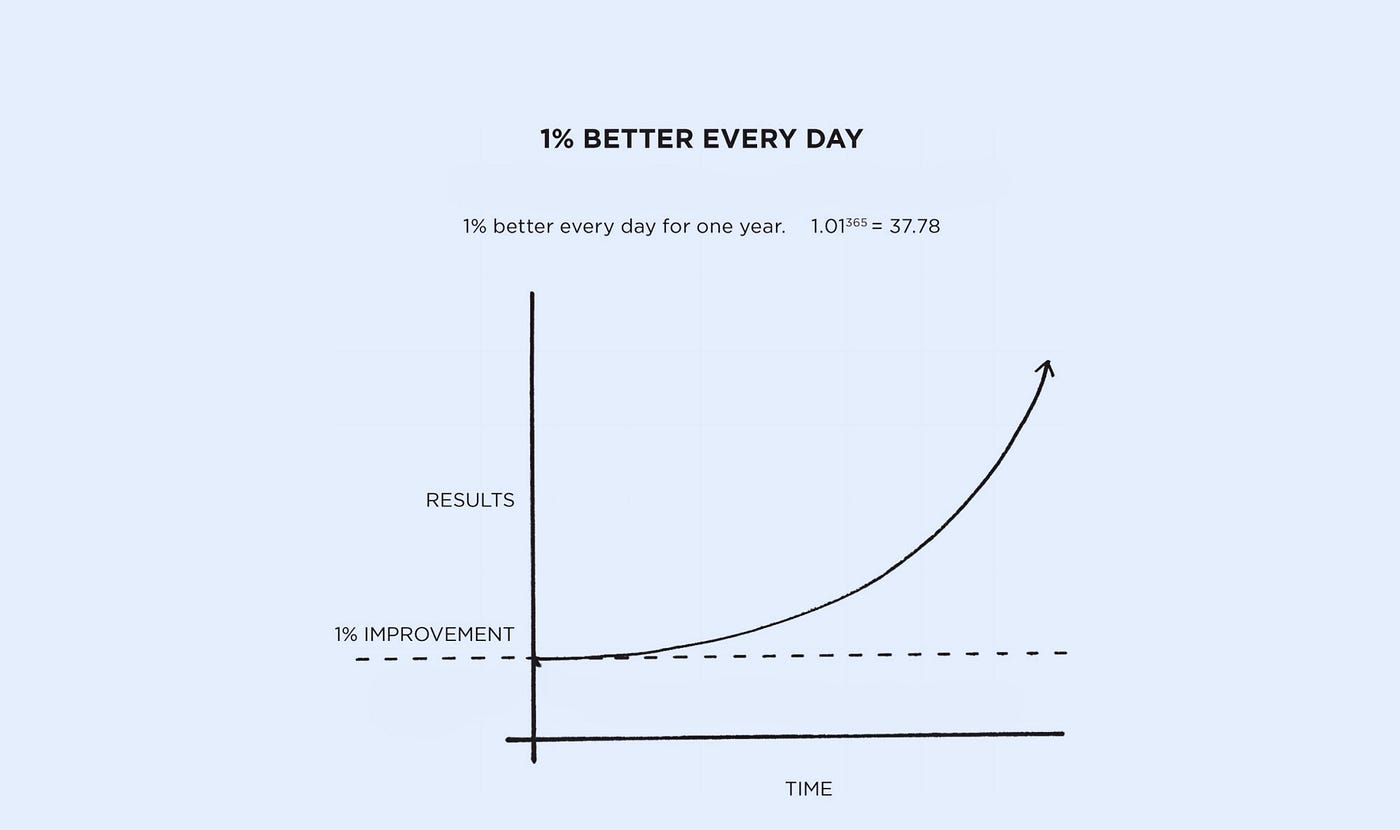
The Change: Simple, Specific, and Deliberate
Based on the audit findings, exactly one primary change was made to the homepage.
The call-to-action button was changed from:
“Contact Us”
To:
“Get My Free 15-Minute Strategy Call — No Commitment”
Alongside this, three lines of micro-copy were added directly beneath the button:
- Takes less than 60 seconds to book
- We respond within 2 hours during business days
- No sales pressure. Just clarity.
That was it. No page redesign. No new images. No additional content. Just a rewritten button and three supporting lines of text.
Why This Change Worked: The Psychology Behind It
This is where the conversion optimization example becomes genuinely instructive — because the results only make sense when you understand the psychology at play.
Specificity Builds Trust
“Contact Us” tells the visitor nothing. “Get My Free 15-Minute Strategy Call” tells them exactly what they are getting, how long it takes, and that it costs nothing. Specificity removes the unknown, and the unknown is what most people are afraid of.
Reducing Perceived Commitment
The phrase “No Commitment” directly addresses the second most common objection from the survey. It signals safety. It lowers the psychological cost of clicking.
The Power of Micro-Copy
The three supporting lines below the button each tackled a specific fear: time investment, response uncertainty, and sales pressure. Each line was written based on real objections collected from real users. This is what separates effective CRO tips from generic advice — every word earns its place.
Urgency Without Manipulation
The micro-copy did not use fake countdown timers or false scarcity. Instead, it created soft urgency through clarity — knowing you will get a response within two hours makes acting now feel worthwhile.
The Results: What Happened After the Change
The updated button went live on a Monday morning. By the following Friday, the team was already seeing a noticeable shift.
Here is the 60-day comparison:
| Metric | Before | After | Change |
|---|---|---|---|
| Monthly Visitors | ~12,000 | ~12,400 | +3% |
| Monthly Leads | 51 | 204 | +300% |
| Conversion Rate | 0.42% | 1.65% | +292% |
| Bounce Rate | 71% | 58% | -13% |
| Avg. Time on Page | 1m 42s | 2m 19s | +37s |
Traffic barely changed. Everything else transformed.
The conversion rate jumping from 0.42% to 1.65% is the number that matters most here. It proves the audience was always interested — the original CTA was simply failing to convert that interest into action.
Secondary Changes That Supported the Results
To be fully transparent, two smaller supporting changes were made in the same period. Neither was tested independently, but both likely contributed to the improved time-on-page and reduced bounce rate.
1. Adding a trust bar above the fold A simple row of logos from recognizable clients and a line reading “Trusted by 120+ businesses across 14 industries” was added just below the navigation. Social proof at the top of the page reduces skepticism before visitors even read anything.
2. Removing a distracting secondary CTA The original homepage had two competing buttons — “Contact Us” and “View Our Services.” Having two equal CTAs splits attention and reduces the likelihood of either being clicked. The secondary button was removed, leaving one clear action for the visitor to take.
Both of these changes align with established lead generation strategy principles: reduce friction, increase clarity, and give visitors one obvious next step.
Key Takeaways You Can Apply Right Now
Here is what this increase leads case study teaches in practical terms:
Start with research, not assumptions. The heatmap and survey data pointed directly to the problem. Without that step, the wrong things would have been changed.
Audit before you advertise. Spending more on traffic before fixing conversion problems is like pouring water into a leaking bucket. Fix the leak first.
Rewrite your CTAs with specificity. Replace vague action words with clear, benefit-driven language that answers: what will I get, how long will it take, and what does it cost me?
Use micro-copy to handle objections. Identify the top three reasons people do not convert and address each one in two to five words directly beneath your primary button.
Remove competing calls-to-action. One page, one goal, one clear action. Every additional option reduces the chance of any action being taken.
Test one change at a time. The primary change here was isolated deliberately. Testing multiple changes simultaneously makes it impossible to know what actually drove the result.
Conclusion
A 300% increase in leads did not come from a bigger budget, a new brand identity, or a viral campaign. It came from listening to real users, identifying a specific friction point, and making one precise, well-reasoned change to a single element on one page.
This increase leads case study is proof that conversion optimization is not about doing more — it is about doing the right thing in the right place at the right time. The gap between your current results and significantly better results may be smaller than you think.
The most expensive mistake in digital marketing is driving traffic to a page that is not built to convert. Fix the conversion first. Then scale the traffic.
For more real-world breakdowns, lead generation strategies, and CRO tips backed by actual data, visit brandsholder.com — where we turn clicks into clients.
Frequently Asked Questions
Q1: What is a conversion optimization example I can learn from?
This case study is a direct example. The key lesson is that changing a vague CTA to a specific, low-commitment one — supported by objection-handling micro-copy — can dramatically increase conversion rates without changing anything else on the page.
Q2: How do I increase leads without increasing my ad budget?
Focus on your conversion rate first. Audit your existing pages using heatmaps and session recordings, identify where visitors drop off, and test specific changes to your calls-to-action, headlines, and page structure before spending more on traffic.
Q3: What are the most effective CRO tips for small businesses?
The highest-impact CRO tips include: writing specific and benefit-driven CTAs, adding micro-copy that handles common objections, removing competing calls-to-action, placing social proof above the fold, and ensuring your page loads quickly on mobile devices.
Q4: How long does it take to see results from conversion optimization?
Results can appear within days of making a change, as seen in thi
s case study. However, it is recommended to run any test for at least 30 days and gather statistically meaningful data before drawing firm conclusions.
Q5: What is the difference between lead generation strategy and CRO?
Lead generation strategy focuses on attracting potential customers through channels like SEO, ads, and content. CRO — conversion rate optimization — focuses on converting the visitors you already have into leads or customers. Both work best when used together.