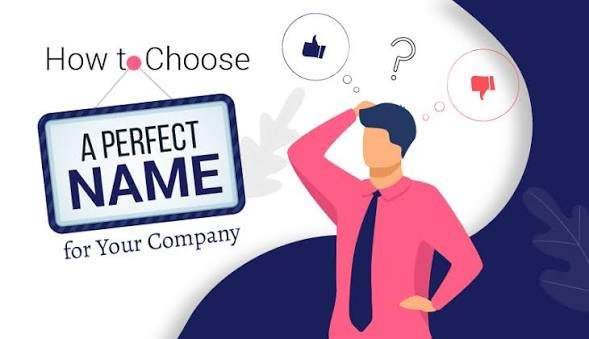
Start by understanding your audience, brand personality, positioning, and future goals. Then brainstorm several names, shortlist the strongest options, check their availability, test them with real people, and make your final choice.
A simple naming framework is:
Define → Brainstorm → Shortlist → Check → Test → Choose
Before committing to a name, research competitors, domain availability, social media handles, and relevant trademarks.
The best business name is memorable, easy to pronounce, easy to spell, distinctive, and flexible enough to support future growth.
Key Takeaways
- Define your brand before choosing a name.
- Create a clear brand name strategy.
- Use a practical naming framework to evaluate ideas.
- Choose a name that is memorable and easy to pronounce.
- Check competitors, domains, social handles, and trademarks.
- Test your strongest names with real people.
- Research carefully to avoid bad business name decisions.
Choosing the right business name is one of the first important decisions you will make as a business owner. A strong name can make your brand memorable, build trust, and help you stand out from competitors. A weak name, however, can confuse customers or create expensive problems later.
So, how to name a business the right way? This business naming guide gives you a simple brand name strategy and practical naming framework to create a name that fits your audience, reflects your brand, and gives your business room to grow.
Why Your Business Name Matters
Your business name is more than a label. It becomes part of your brand identity and can influence how customers remember your company.
A strong name can communicate personality, create recognition, and give your business a professional identity.
Your name should ideally be:
- Memorable
- Easy to pronounce
- Easy to spell
- Distinctive
- Relevant to your brand
- Flexible for future growth
- Suitable for digital platforms
The goal is not to find the cleverest name. The goal is to find a name that can become more valuable as your business grows.
How to Name a Business: Start With Your Brand
Before brainstorming names, understand the brand you are building.
Ask yourself:
Who Is Your Target Audience?
Know exactly who you want to attract. Are they professionals, families, students, luxury customers, startups, or small businesses?
What Does Your Business Offer?
Clearly define your product or service and the problem it solves.
What Makes You Different?
Identify your strongest advantage. It could be quality, affordability, innovation, convenience, expertise, or customer experience.
How Should Your Brand Feel?
Decide whether you want your brand to feel premium, modern, friendly, bold, trustworthy, simple, or creative.
These answers create the foundation of your brand name strategy.
Brand Name Strategy: Choose a Direction
A brand name strategy is a planned approach to creating a name that fits your audience, positioning, personality, and long-term goals.
Before choosing a name, decide what you want it to communicate.
Do you want customers to associate your brand with:
- Trust?
- Innovation?
- Luxury?
- Creativity?
- Simplicity?
- Speed?
- Expertise?
- Affordability?
For example, a premium company may need an elegant name, while a children’s brand may benefit from something playful and friendly.
Your name should support the position you want your business to own in the customer’s mind.
Choose Your Naming Style
There are several approaches to creating a business name.
Descriptive Names
These names directly explain what the business does. They are easy to understand but can sometimes sound generic.
Suggestive Names
These names communicate an idea, emotion, or benefit without directly describing the product.
Invented Names
These are new words created specifically for a brand. They can be highly distinctive but may require more marketing to build meaning.
Founder-Based Names
These use the founder’s name and can work well for consultants, agencies, professional services, and personal brands.
Abstract Names
These names may not have an obvious connection to the business. Their meaning develops through branding and customer experience.
Choose the style that best supports your business goals.
Create 20–50 Business Name Ideas
Do not try to find the perfect name immediately.
Create a large list first. Aim for 20–50 potential names. A larger list helps you compare different directions instead of becoming attached to your first idea.
Look for inspiration from:
- Brand values
- Customer problems
- Product benefits
- Desired emotions
- Industry terminology
- Metaphors
- Nature
- Stories
- Unique word combinations
You can also combine two relevant concepts.
For example:
Trust + Growth = TrustGrow
Brand + Logic = BrandLogic
These are examples of the naming process, not recommendations.
Naming Framework: How to Shortlist Your Ideas
Once you have your list, stop relying only on personal preference.
Use this naming framework to evaluate every candidate.
Is It Memorable?
Can someone remember the name after hearing it once?
If people forget it immediately, building recognition will be difficult.
Is It Easy to Pronounce?
Customers should feel comfortable saying your name.
A difficult pronunciation can reduce word-of-mouth referrals.
Is It Easy to Spell?
If customers hear your name, can they reasonably spell it when searching online?
Complicated spelling can create unnecessary friction.
Is It Distinctive?
Search your competitors and look for similar names.
A name that sounds too close to another company can cause confusion.
Is It Flexible?
Think about the future.
If you currently sell one product but may expand later, avoid a name that locks you into a narrow category.
Does It Fit Your Brand?
Your name should support the emotions and expectations you want customers to have.
Can You Use It?
Check domain availability, social media handles, business registrations, and trademarks before committing.
Business Naming Framework at a Glance
| Step | What to Do | Why It Matters |
| 1. Define | Understand your audience, values, and positioning | Creates a clear direction |
| 2. Brainstorm | Generate 20–50 name ideas | Gives you more options |
| 3. Shortlist | Select the strongest names | Removes weak ideas |
| 4. Check | Research competitors, domains, social handles, and trademarks | Helps avoid bad business name decisions |
| 5. Test | Get feedback from real people | Reveals potential problems |
| 6. Choose | Select the strongest long-term name | Builds a foundation for your brand |
Research Before You Commit
Never fall in love with a name before researching it.
Search your shortlisted names on Google and check:
- Existing businesses
- Competitor websites
- Domain availability
- YouTube
- Business directories
- Trademark databases
Also check similar spellings and pronunciations.
Look for unexpected meanings, negative associations, or companies with confusingly similar names.
If you want to avoid bad business name decisions, this research stage is essential.
A name that sounds perfect creatively but is unavailable legally or digitally is not a practical choice.
Do Not Force SEO Into Your Brand Name
SEO matters, but your business name does not need to contain your primary keyword.
For example, you do not need to call your company “Best Digital Marketing SEO Services” simply because people search for digital marketing services.
A keyword-heavy name can sound generic and may limit your brand.
Instead, choose a distinctive name and use relevant keywords naturally throughout your website, service pages, blog posts, headings, metadata, and other content.
Your brand name strategy should prioritize memorability, differentiation, and long-term brand value.
Test Your Top Names With Real People
Your favorite name is not automatically your customer’s favorite.
Select your top three to five names and ask potential customers:
- What do you think this business does?
- How would you pronounce this name?
- How would you spell it?
- What feeling does the name create?
- Which name do you remember?
- Which name feels most trustworthy?
Do not explain the meaning before asking.
You want their natural reaction rather than an answer influenced by your explanation.
This simple test can reveal problems you may never notice yourself.
Common Business Naming Mistakes to Avoid
Choosing a Complicated Name
Long names, strange spellings, and difficult combinations can make your brand harder to remember.
Simple does not mean boring. Simple often means easier to recognize.
Following Trends Too Closely
A trendy name may sound modern today but outdated later.
Choose something that can remain relevant as your business evolves.
Copying Competitors
Your competitor’s name may be successful, but copying its style can make your brand look unoriginal.
Study competitors to understand the market, not to imitate them.
Making Your Name Too Narrow
A name based on one product, service, or location can restrict future growth.
Think about where you want your business to be five or ten years from now.
Ignoring Legal Research
A name may look perfect until you discover another company already has rights to it.
Always conduct appropriate trademark and business-registration research before investing heavily in branding.
Business Naming Checklist
Before choosing your final name:
- Is it memorable?
- Is it easy to pronounce?
- Is it easy to spell?
- Is it different from competitors?
- Does it match my brand personality?
- Can the business grow under this name?
- Is a suitable domain available?
- Are suitable social media handles available?
- Have I checked trademarks?
- Have I tested the name with real people?
- Does it sound professional when spoken?
- Will it still work several years from now?
Conclusion:
Choosing a business name does not have to be confusing or risky. A strong name starts with a clear understanding of your audience, positioning, and long-term goals. Use a thoughtful brand name strategy, follow a practical naming framework, and test your ideas before making the final decision.
Take time to check competitors, domain availability, social media handles, and trademarks. These simple steps can help you avoid bad business name decisions and give your brand a stronger foundation from day one.
Your business name is more than a word; it is the beginning of your brand story. Choose a name that people can remember, trust, and connect with as your business grows. For more practical branding and marketing insights, explore BrandsHolder.
Frequently Asked Questions
How do I choose a business name?
Start by defining your target audience, positioning, brand personality, and future goals. Then create multiple options and evaluate them for memorability, pronunciation, uniqueness, flexibility, and availability.
What makes a good business name?
A good business name is memorable, easy to pronounce, easy to spell, distinctive, relevant to the brand, and flexible enough to support future growth.
What is a naming framework?
A naming framework is a structured process for creating and evaluating business names. A simple framework is Define → Brainstorm → Shortlist → Check → Test → Choose.
What is a brand name strategy?
A brand name strategy is a planned approach to creating a business name that fits your target audience, positioning, personality, and long-term brand goals.
How many business names should I brainstorm?
Start with 20–50 ideas. A larger list gives you enough options to compare different directions before choosing your finalists.
Should my business name include a keyword?
Not necessarily. A memorable and distinctive brand name is often more valuable than forcing an exact keyword into your business name. Use keywords naturally throughout your website and content.
What should I do to avoid bad business name choices?
Research competitors, search the name online, check domain and social media availability, investigate trademarks, and test the name with real people before committing.
Should I check a business name before using it?
Yes. Search Google, competitors, domains, social media platforms, and relevant trademark databases before committing.
What is the biggest business naming mistake?
Choosing a name based only on what the founder likes. A strong name should also work for your audience, support your positioning, and give your business room to grow.