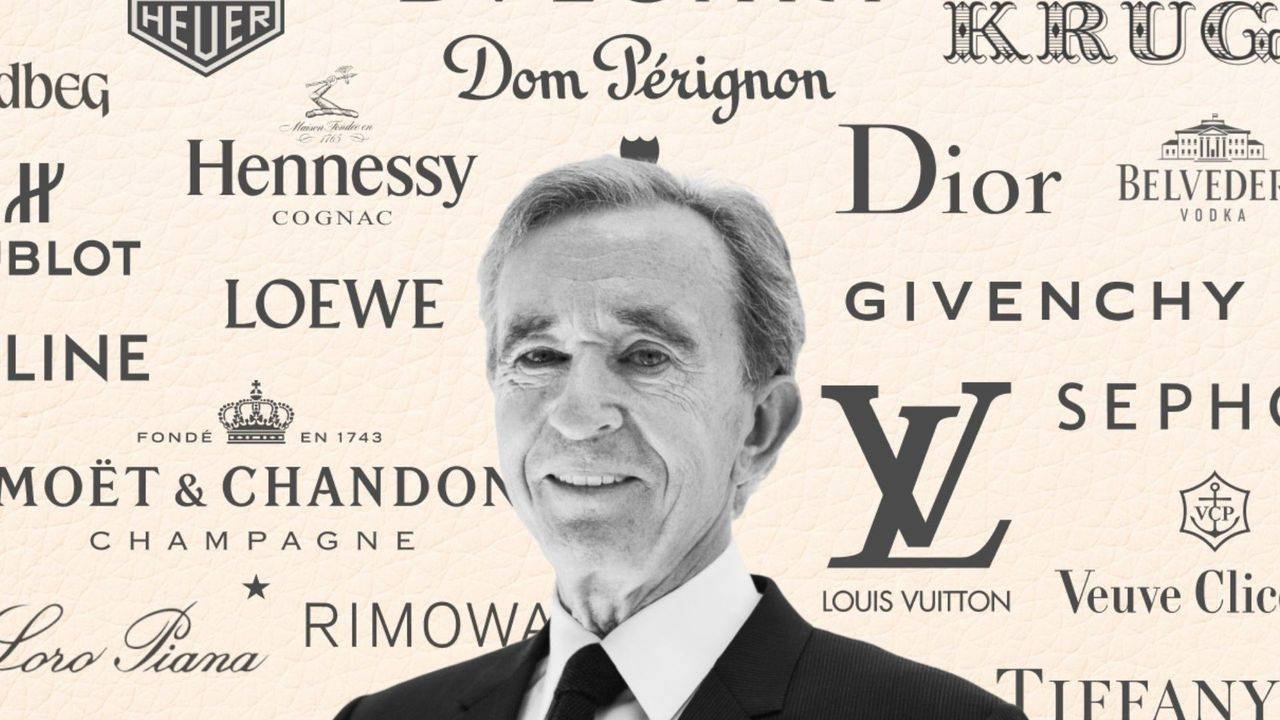
LVMH is the world’s largest luxury conglomerate led by Bernard Arnault today globally. The company owns major luxury brands across fashion, beauty, jewelry, hospitality, and beverages industries. Important brands include Louis Vuitton, Dior, Tiffany & Co., Bulgari, Sephora, Moët & Chandon, and Hennessy. The LVMH brand portfolio 2026 continues dominating global luxury markets through exclusivity, strategic acquisitions, and premium customer experiences.
Inside Bernard Arnault’s $200B Empire: Every Brand LVMH Owns in 2026
Luxury fashion dominates global markets more aggressively than ever before today. Many people search for all brands LVMH owns because the company controls famous luxury maisons worldwide. Bernard Arnault built a massive luxury empire through smart acquisitions and strong brand positioning. The LVMH brand portfolio 2026 includes fashion, beauty, jewelry, hotels, and premium wine companies.
What Is LVMH?
LVMH stands for Louis Vuitton Moët Hennessy, a French luxury conglomerate. The company owns many prestigious brands across multiple luxury industries worldwide today. Bernard Arnault transformed LVMH into the world’s strongest luxury business powerhouse successfully. The company generates billions yearly through fashion, cosmetics, jewelry, hospitality, and spirits divisions.

How LVMH Became the Largest Luxury Conglomerate
LVMH grew rapidly through strategic acquisitions and premium brand management over decades. The company focused heavily on exclusivity, craftsmanship, and global retail expansion consistently. Luxury consumers trust LVMH brands because they represent heritage and exceptional quality worldwide. Today, the group controls some of the most valuable luxury brands internationally.
Who Is Bernard Arnault?
Bernard Arnault is the chairman and CEO of the luxury giant LVMH. He is widely recognized for building one of history’s strongest luxury empires globally. His business strategy focuses on acquiring premium heritage brands with strong market potential. Many Bernard Arnault companies dominate fashion, jewelry, wine, and beauty industries successfully.
All Brands LVMH Owns in 2026
The complete LVMH list continues expanding across several profitable luxury business sectors globally. The company manages over seventy luxury maisons under different specialized business divisions today. Fashion and leather goods remain the strongest segment within the LVMH empire currently. However, beauty, hospitality, jewelry, and wines also generate enormous annual revenue consistently.
LVMH Portfolio Structure
LVMH organizes its businesses into multiple luxury divisions for stronger market management globally. These categories include fashion, jewelry, perfumes, cosmetics, wines, spirits, and hospitality sectors. Each division operates independently while benefiting from LVMH’s massive global business network worldwide. This structure helps brands maintain unique identities while achieving strong commercial performance.
| Division | Major Brands | Industry |
|---|---|---|
| Fashion & Leather Goods | Louis Vuitton, Dior, Fendi | Luxury Fashion |
| Watches & Jewelry | Tiffany & Co., Bulgari | Jewelry |
| Perfumes & Cosmetics | Sephora, Guerlain, Fenty Beauty | Beauty |
| Wines & Spirits | Moët & Chandon, Hennessy | Beverages |
| Retail & Hospitality | DFS, Cheval Blanc | Hospitality |
Fashion & Leather Goods Brands
Fashion remains the most powerful division within the LVMH brand portfolio 2026 today. The company owns iconic luxury houses recognized across nearly every global fashion market. These brands combine heritage craftsmanship with modern luxury trends and celebrity influence successfully. Many consumers associate LVMH directly with luxury fashion excellence and exclusivity worldwide.
Louis Vuitton
Louis Vuitton remains the flagship brand inside the Louis Vuitton parent company empire. The brand generates enormous annual revenue through handbags, clothing, and luxury accessories worldwide. Louis Vuitton maintains exclusivity through limited releases and premium retail store experiences globally. The company also collaborates frequently with artists, athletes, and famous celebrities internationally.
Dior
Dior is another major powerhouse inside the LVMH luxury portfolio today globally. The brand dominates haute couture, beauty, fragrance, and luxury accessories markets successfully worldwide. Dior’s popularity increased significantly due to modern marketing and celebrity partnerships recently worldwide. Many luxury shoppers consider Dior one of fashion’s most prestigious global brands today.
Other Major Fashion Brands
LVMH also owns several respected fashion houses with strong international recognition worldwide today. These brands target different luxury audiences while maintaining exceptional craftsmanship and exclusivity standards globally.
Some important fashion brands include:
- Fendi
- Loewe
- Givenchy
- Celine
- Kenzo
- Berluti
- Loro Piana
- Rimowa
Watches & Jewelry Brands
Jewelry and watches represent another profitable segment inside the complete LVMH list today. The company owns globally respected luxury watchmakers and prestigious jewelry maisons internationally today. These brands attract wealthy consumers seeking premium craftsmanship and timeless luxury products worldwide. LVMH strengthened this category through major acquisitions over recent years strategically.
Tiffany & Co.
LVMH acquired Tiffany & Co. to strengthen its jewelry market position globally significantly. The acquisition became one of the largest deals within luxury industry history recently worldwide. Tiffany remains famous for engagement rings, silver jewelry, and premium luxury gifting worldwide. The brand continues expanding internationally under LVMH’s powerful luxury retail network successfully.
Bulgari and TAG Heuer
Bulgari combines Italian luxury craftsmanship with premium jewelry and watches successfully worldwide today. TAG Heuer focuses heavily on sports-inspired luxury watches and modern innovation internationally today. Both brands contribute significantly to the company’s luxury market dominance and global visibility. These maisons strengthen LVMH’s position within high-end jewelry and watchmaking industries internationally.
Perfumes & Cosmetics Brands
Beauty and cosmetics play an increasingly important role inside the LVMH empire today. The company owns globally recognized beauty brands targeting different luxury customer demographics worldwide today. These brands benefit from celebrity influence, innovation, and strong retail distribution internationally today. Sephora remains one of the most powerful beauty retailers under LVMH globally.
Sephora
Sephora transformed beauty retail through innovative shopping experiences and strong digital marketing worldwide. The retailer sells premium cosmetics, skincare, fragrances, and exclusive beauty collaborations internationally today. Sephora also helps LVMH distribute many luxury beauty brands more effectively worldwide successfully. Consumers often associate Sephora with premium beauty products and modern retail convenience globally.
Fenty Beauty and Guerlain
Fenty Beauty gained massive popularity through inclusivity and celebrity-backed marketing worldwide rapidly recently. Guerlain remains one of the oldest luxury fragrance and cosmetics houses internationally today successfully. These beauty brands help LVMH dominate both heritage and modern beauty markets simultaneously. The company continues investing heavily in cosmetics innovation and global beauty expansion consistently.
Wines & Spirits Brands
LVMH owns some of the world’s most famous wine and champagne brands internationally. The company dominates luxury beverages through heritage, exclusivity, and premium global positioning successfully today. These brands contribute enormous prestige and profitability to the broader LVMH empire worldwide. Many luxury consumers recognize Moët Hennessy products immediately across international hospitality markets today.
Moët & Chandon and Dom Pérignon
Moët & Chandon remains one of the most recognizable champagne brands globally today successfully. Dom Pérignon targets ultra-premium luxury consumers seeking exclusivity and prestige internationally today. Both brands represent celebration, luxury lifestyles, and premium hospitality experiences worldwide consistently. Their strong heritage strengthens LVMH’s influence within global luxury beverage markets significantly.
Hennessy
Hennessy dominates the luxury cognac industry with strong international consumer demand worldwide today. The brand performs exceptionally well across Asian, European, and American luxury markets consistently today. Hennessy combines tradition with modern marketing to attract younger luxury audiences successfully worldwide. This strategy keeps the brand relevant inside competitive global beverage industries continuously.
Retail, Hospitality, and Other Businesses
LVMH expanded beyond fashion into luxury hospitality and premium retail sectors strategically today. The company owns hotels, department stores, and travel retail businesses internationally today successfully. These businesses strengthen customer loyalty while expanding the luxury experience beyond products worldwide. Hospitality now plays a growing role within Bernard Arnault companies globally today.
Cheval Blanc and Belmond
Cheval Blanc offers ultra-luxury hospitality experiences in exclusive global destinations worldwide today successfully. Belmond operates luxury hotels, trains, and travel experiences across several international markets globally. These businesses align perfectly with LVMH’s premium lifestyle and luxury positioning strategy internationally today. Wealthy consumers increasingly value experiences alongside traditional luxury fashion and jewelry products globally.

Why LVMH Dominates the Luxury Industry
LVMH dominates because it combines heritage, exclusivity, innovation, and global expansion effectively together. The company understands luxury consumers better than nearly every competitor worldwide today consistently. Bernard Arnault also focuses heavily on acquiring brands with strong long-term growth potential internationally. This strategy helped the company maintain leadership within the global luxury market successfully.
Brand Exclusivity Strategy
LVMH carefully protects brand image through limited production and premium pricing internationally today. Luxury consumers often value scarcity because exclusivity increases perceived social prestige dramatically worldwide. The company also invests heavily in flagship stores and luxury customer experiences internationally. These strategies strengthen loyalty while protecting long-term luxury brand value consistently worldwide.
Conclusion
The complete list of all brands LVMH owns reveals the extraordinary scale of Bernard Arnault’s luxury empire today. From Louis Vuitton and Dior to Sephora and Tiffany & Co., the company controls some of the world’s most influential premium brands. Its strong acquisition strategy, global retail power, and focus on exclusivity continue driving luxury market dominance worldwide. Platforms like Brandsholder also highlight how LVMH remains one of the most powerful luxury conglomerates shaping modern fashion, beauty, and lifestyle industries globally.
FAQs
How many brands does LVMH own in 2026?
LVMH owns more than seventy luxury maisons across several premium business sectors globally today.
Does LVMH own Sephora?
Yes, Sephora is part of the LVMH perfumes and cosmetics business division globally.
Who owns Louis Vuitton?
Louis Vuitton is owned by LVMH, led by billionaire Bernard Arnault internationally today successfully.
What is the biggest brand under LVMH?
Louis Vuitton remains the largest and most profitable brand inside the LVMH empire globally.
Did LVMH acquire Tiffany & Co.?
Yes, LVMH acquired Tiffany & Co. through a major luxury industry deal recently.