Rolex price increase 2026 is mainly driven by rising gold costs and global inflation.Day-Date 40 new price has increased significantly but still holds strong demand.Rolex gold price hike is linked to material costs and luxury market pressure.Tariffs and regional taxes are also affecting Rolex 2026 retail prices worldwide.Despite higher prices, Rolex remains a strong luxury and investment choice in 2026.
Rolex Price Increase 2026 – What Has Changed?
Rolex price increase 2026 has become a major topic in the luxury watch market. Buyers are noticing higher retail prices across almost every Rolex collection. The biggest change is seen in gold models, which have become significantly more expensive. This shift is mainly due to global economic pressure and material cost increases.

Many collectors feel that Rolex 2026 retail prices are rising faster than before. The brand continues to stay strong in demand, even after repeated price updates. This makes Rolex both a luxury item and a long-term value asset. Overall, the market is clearly moving toward higher pricing in 2026.
Why Rolex Gold Watch Prices Are Rising in 2026
The Rolex gold price hike is mainly linked to global gold market conditions. Gold is more expensive in 2026, and that directly impacts watch pricing. Rolex uses high-quality gold, so production costs naturally increase with market trends. This is one of the biggest reasons behind the price jump.
Another factor is inflation in the Swiss manufacturing sector. Labor costs, logistics, and supply chain expenses have all gone up. Luxury demand is also extremely strong, which supports higher pricing. All these factors combine to push Rolex gold watch prices upward in 2026.
Rolex 2026 Retail Prices Breakdown by Model
Rolex 2026 retail prices show a clear upward trend across popular models. The Day-Date 40 new price has increased the most due to its gold content. Steel models also saw a rise, but not as sharp as gold versions. Below is a simple breakdown for better understanding.
| Model | 2025 Price | 2026 Price | Increase |
|---|---|---|---|
| Day-Date 40 | $42,000 | $46,200 | ~10% |
| Submariner | $12,500 | $13,200 | ~6% |
| Oyster Perpetual | $6,000 | $6,300 | ~5% |
The table clearly shows how Rolex price increase 2026 affects different models. Gold watches are impacted the most compared to entry-level pieces. This pricing strategy reflects material cost and demand pressure in the luxury market.
Day-Date 40 New Price Update
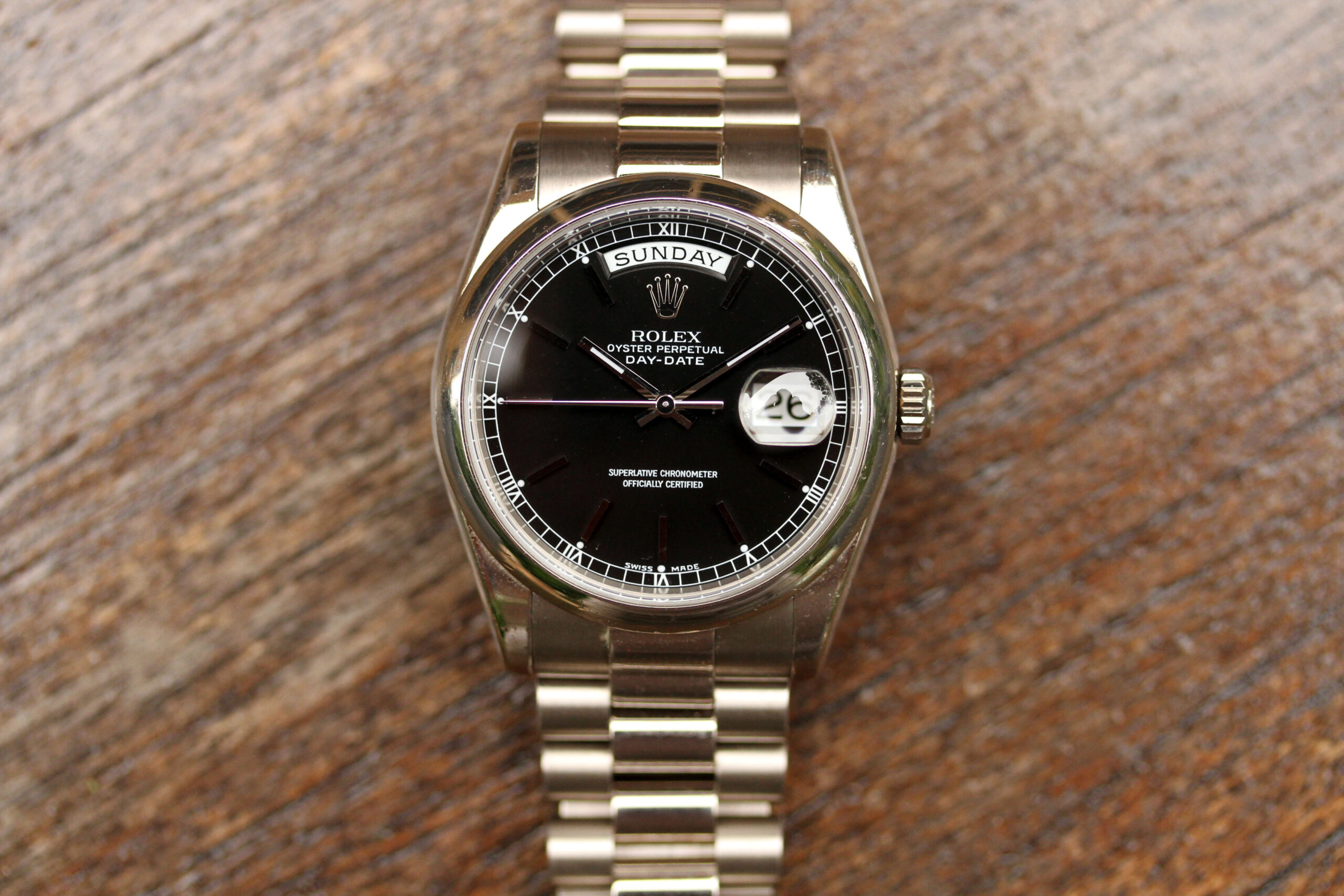
The Day-Date 40 new price is one of the biggest talking points in 2026. This model is made with solid gold, which is why its price rises faster. Buyers still consider it a prestige symbol in the Rolex collection. Even with the increase, demand remains very strong worldwide.
Collectors see it as both a luxury item and an investment watch. The resale market also supports its high value over time. This keeps the model attractive even after the Rolex gold price hike. It remains a flagship piece in the Rolex lineup.
Submariner and Other Models Comparison
The Submariner has also experienced a moderate price increase in 2026. However, its rise is not as aggressive as gold models. Steel watches remain more stable in pricing compared to luxury gold pieces. This makes them more accessible for first-time buyers.
Other Rolex models follow similar patterns depending on materials used. The more gold content a watch has, the higher the price increase. This is a key trend in Rolex 2026 retail prices. Buyers often compare models before making a final decision.
Entry-Level Rolex Price Changes
Entry-level Rolex watches have seen smaller but steady price increases. These models are still popular among new luxury buyers. Even with increases, they remain the easiest entry point into Rolex ownership. Demand for these watches is still very strong globally.
The price change is not too aggressive, but still noticeable. This keeps Rolex positioned as a premium brand across all segments. Buyers looking for value often start with these models first. It balances affordability with luxury appeal.
Rolex Tariff Impact and Global Market Factors
The Rolex tariff impact plays an important role in regional pricing differences. Import duties in different countries can increase final retail prices. This means the same Rolex watch may cost more in certain markets. Currency changes also affect overall pricing.
Global trade conditions are another important factor in 2026. Supply chain delays and higher transportation costs add pressure. These external factors make luxury watches more expensive overall. Rolex adjusts prices to maintain global consistency and brand value.
Is the Rolex Day-Date 40 Still a Smart Buy in 2026?
The Day-Date 40 remains a strong luxury choice in 2026. Even after the Rolex price increase 2026, demand has not slowed down. This model continues to be seen as a status symbol. Many buyers still prefer it for long-term value.
From an investment perspective, it performs well in resale markets. Gold watches usually hold or increase value over time. However, short-term buyers may feel the price is high. Overall, it is still considered a smart luxury purchase.

Should You Buy a Rolex Before Prices Go Higher?
Many buyers are asking this question due to rising Rolex 2026 retail prices. The answer depends on personal budget and long-term goals. If you wait, prices may increase again in the future. This makes early buying a safer option for many collectors.
Luxury watches often follow an upward pricing trend. This means delaying a purchase can cost more later. However, buyers should not rush without proper planning. A balanced decision is always best in luxury investments.
Final Market Outlook for Rolex Prices in 2026
The market outlook for Rolex in 2026 remains strong and stable. Demand for luxury watches continues to grow worldwide. The Rolex gold price hike trend is expected to continue. This means prices may stay high or increase further.
Experts believe Rolex will maintain its premium positioning. Limited supply also supports long-term price strength. Buyers should expect steady growth in value over time. Overall, Rolex remains a strong luxury asset in 2026.
Conclusion
The Rolex price increase 2026 shows how strong the luxury watch market is becoming. Gold watches, especially the Day-Date 40, have seen the biggest changes. Even with higher prices, demand remains very consistent worldwide.
For brandsholder and collectors, Rolex still represents long-term value and prestige. It continues to be a trusted luxury investment in 2026. Buyers should focus on timing, budget, and long-term goals before purchasing.
FAQs
Why is Rolex increasing prices in 2026?
Rolex is increasing prices due to higher gold costs and inflation. Production and labor expenses in Switzerland have also gone up. Strong global demand for luxury watches adds further pressure. These combined factors lead to the Rolex price increase 2026.
How much did Rolex gold watches increase in 2026?
Gold Rolex models saw around a 7% to 10% increase. The Day-Date 40 new price increased the most in this category. Material costs, especially gold, are the main reason behind this rise. Luxury demand also supports higher pricing trends.
Is the Day-Date 40 still worth buying in 2026?
Yes, the Day-Date 40 is still considered a strong luxury investment. Even after the Rolex gold price hike, it holds good resale value. Many collectors see it as a long-term asset. It remains one of the most prestigious Rolex models.
Will Rolex prices go up again after 2026?
Most experts believe Rolex prices may continue to rise slowly. Inflation and material costs are still affecting the luxury market. Demand for Rolex watches remains very strong globally. So gradual price increases are expected in the future.
Which Rolex models are most affected by price increase?
Gold models like Day-Date 40 are most affected by price changes. Steel models like Submariner see smaller increases. Entry-level Rolex watches also rise but at a slower rate. Material type plays a big role in pricing differences.
What is the impact of tariffs on Rolex prices?
Tariffs increase the final retail price in many countries. Import duties and taxes vary by region, affecting cost differences. This is part of the Rolex tariff impact in 2026. It makes watches more expensive in some markets compared to others.