This article explores the “Rolex Daytona Effect,” explaining why the watch’s resale value (approx. $40k) vastly exceeds its retail price ($14k-$15k). Key factors include extreme scarcity, the historical “Paul Newman” legacy, and its status as a “wearable asset.” The post analyzes the daytona grey market 2026 trends and the persistent rolex daytona resale premium, concluding that the watch remains a top-tier investment in the luxury space.
The Rolex Daytona Effect: Why a $14K Watch Sells for $40K on the Resale Market
In the world of luxury horology, few names carry as much weight as the Rolex Cosmograph Daytona. It is the undisputed king of the “waitlist culture,” representing a phenomenon where the rolex daytona resale premium has turned a stainless steel timepiece into a better investment asset than many stocks or cryptocurrencies. To the uninitiated, the math seems broken: how can a watch with a retail price tag of roughly $15,100 (depending on the specific reference) instantly command $35,000 to $45,000 the moment it leaves the boutique?
This isn’t just about telling time; it’s about a perfect storm of scarcity, heritage, and social signaling. Let’s dive into why the “Daytona Effect” continues to defy economic gravity.
The Massive Daytona Price Gap: Retail vs. Reality
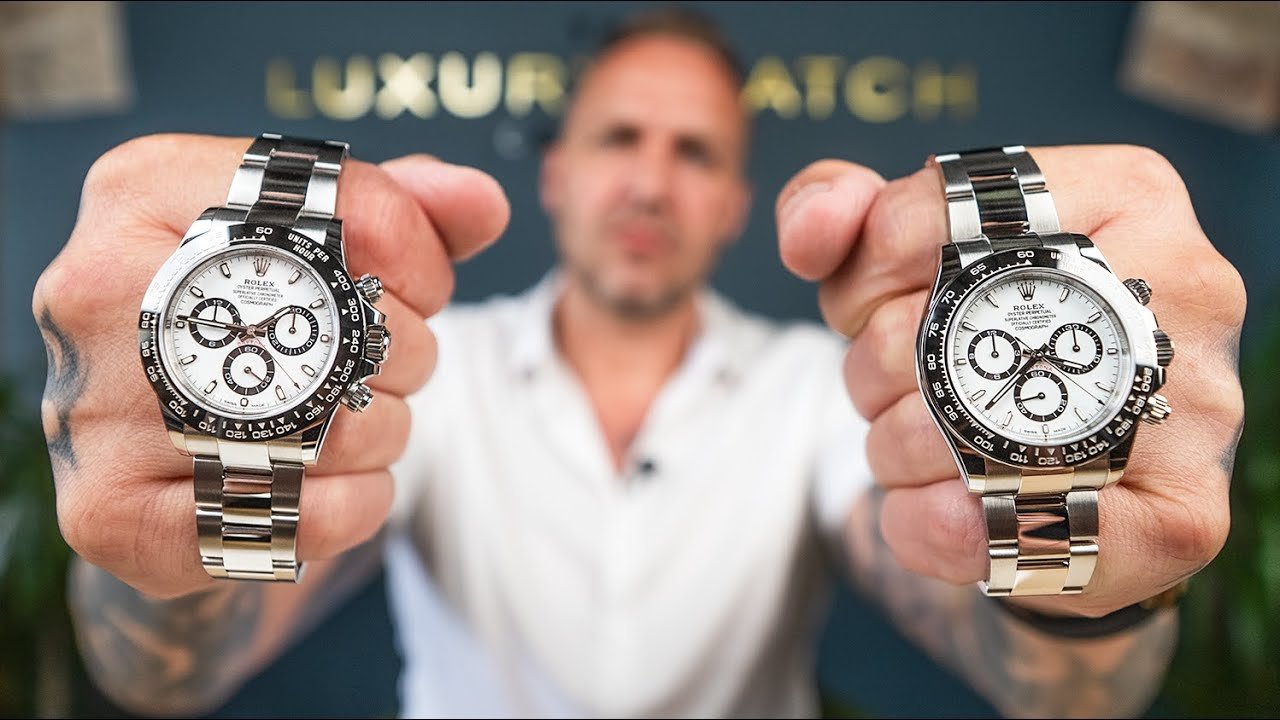
The heart of the issue lies in the daytona price gap. If you walk into an Authorized Dealer (AD) today and ask for a steel Daytona (Ref: 126500LN), you will likely be met with a polite smile and a spot on a “wishlist” that is years—if not decades—long. Because demand outweighs supply by a factor of hundreds to one, the market value is dictated not by Rolex, but by what collectors are willing to pay for “immediate gratification.”
This disparity between rolex retail vs market pricing has created a secondary economy. When supply is throttled and demand is global, the “market price” becomes the true price. For many enthusiasts in the US, paying the rolex daytona resale premium is simply the entry fee for owning a piece of history without waiting a lifetime.
Why is the Daytona So Expensive on Resale?
You might wonder, why daytona expensive resale prices remain so high even when the economy fluctuates. The answer is multi-faceted:
-
Controlled Production: Rolex is estimated to produce about 1 million watches a year, but only a small fraction are Daytonas. Within that fraction, the stainless steel models are the most coveted.
-
The “Paul Newman” Legacy: The Daytona wasn’t always a hit. It sat on shelves in the 60s and 70s. However, once legendary actor Paul Newman was photographed wearing one, it became a cultural icon. That “cool factor” has never faded.
-
The Perfect Design: At 40mm, with a tachymeter scale and a high-performance chronograph movement, it is widely considered the most wearable and versatile sports watch ever designed.
The Daytona Grey Market in 2026
As we navigate the daytona grey market 2026, we see a shift in how buyers approach these timepieces. While the “crypto-boom” peaks of 2022 have leveled off, the Daytona has proven to be remarkably resilient. Unlike “hype” watches that crash, the rolex daytona resale premium stays high because the watch has intrinsic, long-term value.
In 2026, the market is more educated. Buyers are looking for “full sets” (box and papers) and are willing to pay the daytona price gap specifically for the newer 12-series movements which offer better power reserve and refined aesthetics.
Rolex Retail vs. Market: A New Asset Class
For many US investors, the rolex retail vs market dynamic has turned watches into “wearable equity.” When you compare a $15k MSRP to a $40k resale value, the Daytona isn’t an expense; it’s a wealth-preservation tool. This is a primary driver for why daytona expensive resale listings never last long on reputable platforms.
The daytona grey market 2026 landscape suggests that as long as Rolex maintains its “scarcity by design” model, the stainless steel Daytona will remain the gold standard of the secondary market.

Conclusion
The Rolex Daytona is more than just a watch; it is a testament to the power of branding and mechanical excellence. While the rolex daytona resale premium might seem daunting, it reflects the true global valuation of an icon. Navigating this market requires expertise and trust. At BrandsHolder, we specialize in understanding these market shifts, helping enthusiasts and collectors find the most coveted luxury goods while navigating the complex world of high-end resale. Whether you are looking to invest or simply wear a piece of racing history, understanding the “Daytona Effect” is the first step in your journey.
FAQs
Q: Can I buy a Rolex Daytona at retail price?
A: Theoretically, yes, but it is extremely difficult. Most Authorized Dealers reserve Daytonas for long-standing clients with significant purchase histories. This is why the rolex retail vs market gap is so wide.
Q: Is the Rolex Daytona a good investment in 2026?
A: Historically, the Daytona has been one of the most stable watches in terms of value retention. While no investment is guaranteed, the rolex daytona resale premium has remained high through various economic cycles.
Q: Why is the stainless steel model more expensive than gold models on the resale market?
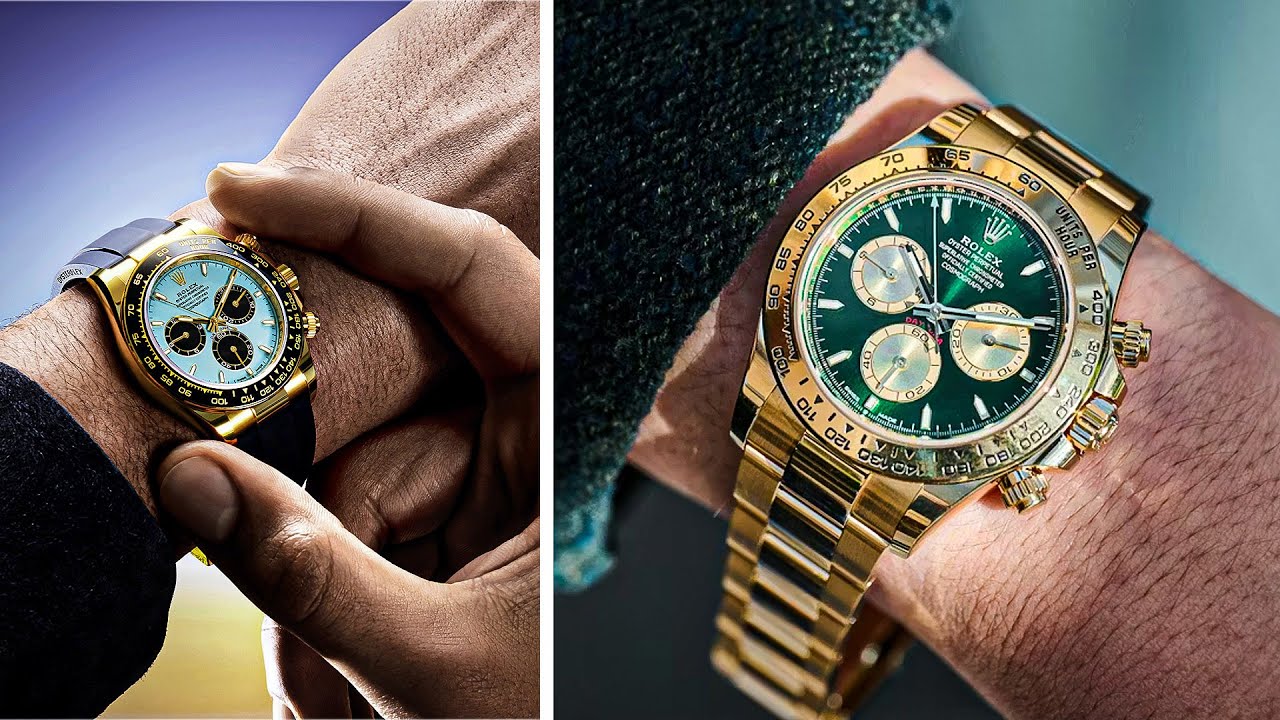
A: Stainless steel is the “purist’s” choice and is produced in limited quantities relative to demand. Often, the daytona price gap is higher for steel models because they are seen as the quintessential daily sports watch.
Q: Where is the best place to buy a Daytona if I don’t want to wait?
A: The “grey market” or trusted secondary dealers are the only way to get a Daytona immediately. Just be prepared to pay the current daytona grey market 2026 valuation.
Q: Why choose steel over gold?
A: Steel is the classic racing icon and harder to get at retail. This scarcity makes the steel version command a higher relative premium on the daytona grey market 2026 than many precious metal models.