Artificial intelligence has changed marketing fast. It helps brands create content, study trends, and speed up daily work. But there is one serious issue many marketers ignore: AI hallucinations can confidently give false information. This is called AI hallucination maarketing. In marketing, one wrong fact can damage trust, waste money, and lead to poor decisions. This article explains how AI hallucinations work, why they happen, and how marketers can protect their campaigns from risky AI-generated mistakes.
What Are AI Hallucinations in Marketing?
AI has become a regular part of marketing workflows. From writing blogs to analyzing competitors, many teams now depend on it daily. But AI is not always accurate. Sometimes it creates information that sounds right but is completely wrong.

Simple definition of AI hallucinations
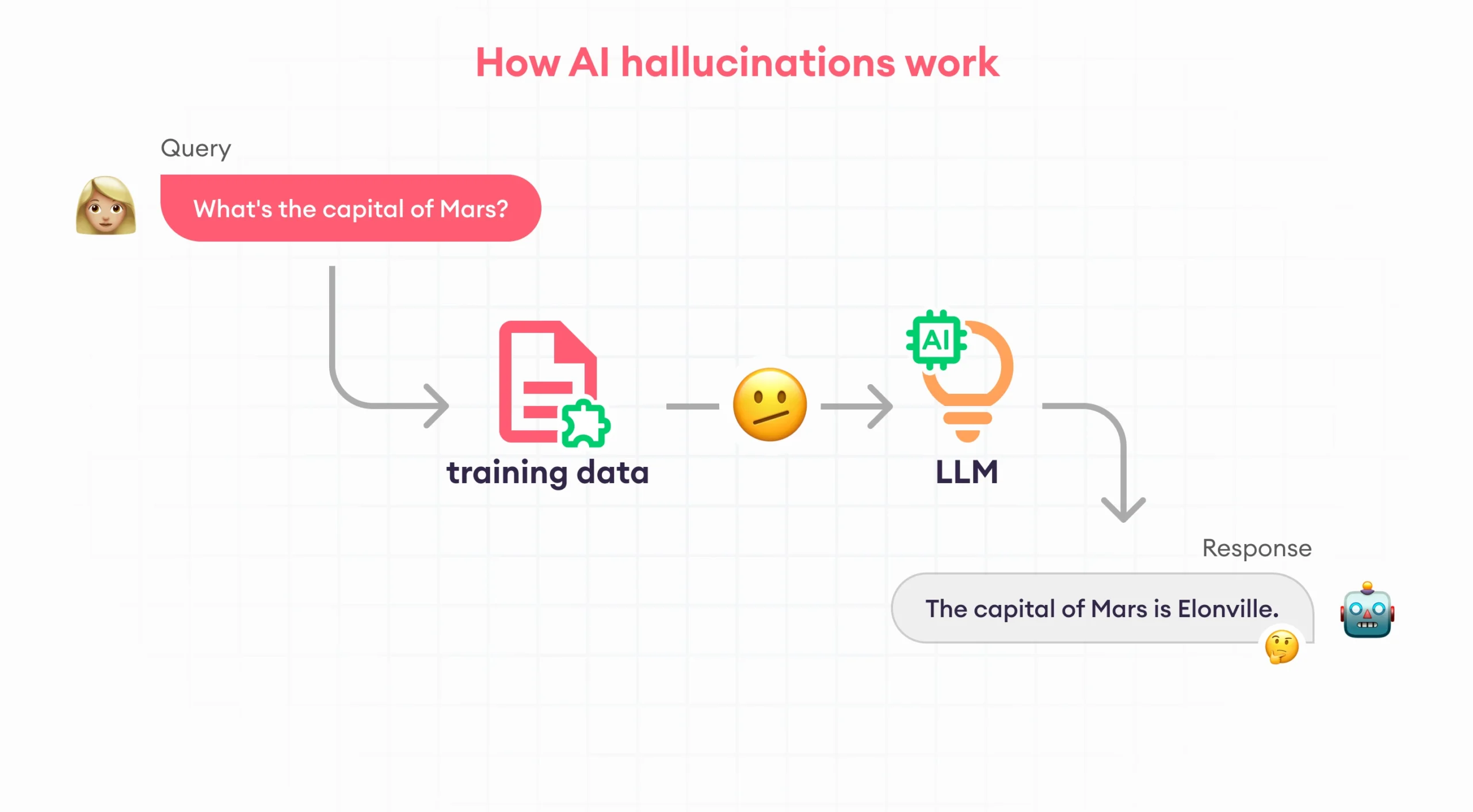
An AI hallucination marketing happens when AI generates false or made-up information. It may create fake statistics, wrong facts, or even imaginary sources. As IBM explains in its official breakdown of AI hallucinations, this happens when a large language model perceives patterns that don’t actually exist, producing outputs that sound confident but are factually wrong. The dangerous part is how confidently it presents them.
How marketers encounter hallucinations daily
Marketers face this issue more than they realize. A tool may suggest outdated SEO practices or fake customer insights. It can invent trend data that does not exist. Small errors like these can quickly affect campaign quality.
Why generative AI creates false outputs
Generative AI predicts patterns instead of checking truth. It builds answers from training data, not live facts. That means it fills gaps with guesses sometimes. This makes mistakes feel natural and believable.
Why AI Hallucinations Happen in Marketing Tools
The rise of AI tools has made work easier. But easy does not always mean reliable. Understanding why these mistakes happen helps marketers use AI more carefully.
Lack of real-time data
Most AI tools do not know today’s updates. They rely on older datasets to create responses. Marketing trends change very fast. Old information can lead to wrong advice.
Pattern prediction vs factual accuracy
AI is trained to predict words, not facts. That is a big difference many people miss. It tries to sound helpful and complete. Accuracy is not always its main goal.
Outdated training data
Consumer behavior changes every month. Search algorithms also keep evolving constantly. If AI uses old patterns, its advice may fail today. This affects SEO and paid campaigns badly.
Overconfident AI responses
AI rarely says “I don’t know.” Instead, it often creates an answer anyway. This overconfidence is risky for marketers. It can make bad decisions look smart.
Real Examples of AI Wrong Information in Marketing
Many marketers trust AI too quickly. That trust becomes dangerous when AI creates wrong information. These examples show how real marketing tasks can go wrong.
Fake SEO statistics
Imagine asking AI for keyword growth data. It may provide numbers that look real. But sometimes those numbers are invented. Using fake data weakens strategy planning.
Wrong audience targeting insights
Audience targeting depends on real behavior. AI can guess demographics incorrectly. That leads to poor ad performance. Wrong targeting always burns budget fast.
Incorrect competitor research
AI can summarize competitor strategies quickly. But it may mix brands or invent offers. This creates confusion in market analysis. Wrong research means weak positioning.
False market trend predictions
Trend analysis needs live data. AI often predicts based on old signals. That creates inaccurate forecasts for product launches. Timing becomes a serious problem.
Risk Comparison Table
| Marketing Area | AI Mistake | Possible Impact |
|---|---|---|
| SEO | Fake keyword data | Poor rankings |
| PPC | Wrong targeting advice | Budget waste |
| Email Marketing | False personalization insights | Lower open rates |
| Analytics | Incorrect trend reading | Wrong decisions |
| Competitor Analysis | Mixed competitor data | Weak strategy |
How ChatGPT Mistakes Affect Marketing Decisions
Tools like ChatGPT are useful. They save time and improve productivity. But marketers should understand that speed does not equal truth. If you’re choosing between AI content tools, our comparison of SEO.ai vs. MarketMuse breaks down which platform actually keeps content accurate versus which one just moves fast. Even small errors can shape major decisions.
Content strategy errors
AI may suggest irrelevant content topics. It can miss search intent completely. This hurts organic traffic badly. Content loses value when intent is ignored.
Brand messaging inconsistencies
Brand tone matters a lot. AI may change messaging across channels. That creates confusion for customers. Consistency builds long-term trust.
Misleading product positioning
Positioning depends on market reality. AI may suggest angles that do not fit. This weakens customer understanding. A confused message kills conversions.
Conversion optimization mistakes
AI often suggests generic conversion tactics. But every audience behaves differently online. Copy changes need testing. Blindly following AI hurts performance.
The Hidden Cost of Poor AI Data Accuracy
Many marketers think AI mistakes are harmless. But small mistakes often create bigger losses. Poor AI data accuracy affects more than just content.
Budget waste
Wrong data leads to wrong decisions. Wrong decisions lead to wasted money. Ad spend disappears fast with bad targeting. Recovery can take months.
Reputation damage
Publishing false claims damages credibility. Customers notice mistakes quickly online. Trust is hard to rebuild later. One wrong fact can spread fast.
Compliance issues
Some industries have strict legal rules. Wrong AI claims can break those rules. Healthcare and finance are common examples. This can lead to serious penalties.
Loss of customer trust
Trust is everything in marketing. If people find fake information, they leave. Loyal customers expect reliable communication. Accuracy protects brand relationships.
AI Fact Checking: How Marketers Can Verify AI Outputs
AI is powerful when paired with human review. Fact-checking should be part of every workflow. This is how smart marketers reduce risk.
Source validation
Always ask where the information came from. Check original sources manually. AI may create fake references sometimes. Never skip source checking.
Cross-checking statistics
Verify numbers using trusted platforms. Use analytics tools and industry reports. Compare before using any data. Accuracy starts with proof.
Human review workflows
A human editor should review everything important. This includes blogs, ads, and reports. AI can draft quickly. Humans add logic and truth.
Using trusted marketing databases
Use reliable tools for market data. Platforms like Google Analytics and industry reports matter. If you’re building out your fact-checking stack, our roundup of the 20 Best SEO Tools in 2025 highlights which platforms are actually reliable versus which just look impressive. AI should support research, not replace it.
Best Practices to Use AI Safely in Marketing
AI is best used as a helper. It should not become the final decision-maker. These simple practices improve safety and performance.
Treat AI as assistant, not authority
AI can speed up tasks greatly. But humans must stay in control. Final judgment needs experience. Strategy should never be automated fully.
Build fact-check systems
Every team needs a checking process. This reduces false claims and bad campaigns. A simple review saves time later. Prevention is always cheaper.
Use multiple AI tools for comparison
Comparing answers improves reliability. Different tools spot different gaps. This reduces one-sided mistakes. Better comparison means better output.
Maintain editorial oversight
Content should always pass through experts. Editors catch tone and fact issues. This improves EEAT signals strongly. Human oversight keeps quality high.
The Future of AI Reliability in Marketing
AI will continue growing fast. It will become smarter and more useful. But trust will remain the biggest challenge.
Better AI grounding systems
Future AI models will connect with live data. This reduces false outputs significantly. Real-time grounding improves reliability. That is a huge improvement.
Real-time web integrations
Live web data will improve AI fact-checking. Marketers will get fresher insights. This shift is closely tied to what we cover in Generative Engine Optimization (GEO), where AI-driven search increasingly depends on grounded, trustworthy content. This means better campaign decisions.
Smarter brand-safe AI workflows
Companies are building safer systems now. These workflows focus on accuracy and compliance. That protects both brands and customers. Safer AI means stronger marketing.
Key Takeaways
- AI can create false marketing information confidently.
- Hallucinations can damage SEO, ads, and customer trust.
- AI fact checking is now a required skill.
- Human review improves AI data accuracy.
- Smart marketers use AI carefully, not blindly.
Conclusion
AI has changed marketing forever, but it is not perfect. It saves time, improves efficiency, and supports creativity. Still, trusting AI blindly is one of the biggest mistakes marketers can make today. Hallucinations, false statistics, and wrong insights can quietly destroy campaigns before anyone notices. The smartest approach is balance. Use AI for speed, but rely on human judgment for accuracy. Platforms like Brandsholder understand this shift and highlight why responsible AI usage matters more than ever. In modern marketing, trust is not built by speed alone. It is built by verified truth.
FAQs
1. What are AI hallucinations in marketing?
They are false or made-up AI-generated outputs used in marketing tasks like content, SEO, and analytics.
2. Can ChatGPT give wrong marketing advice?
Yes, it can. Sometimes it creates outdated or incorrect information confidently.
3. Why is AI fact checking important?
It helps verify AI content before publishing and prevents costly mistakes.
4. How can marketers improve AI data accuracy?
By cross-checking data, reviewing sources, and using human editors.
5. Should businesses trust AI for strategy?
AI is useful for ideas and speed, but final strategy should always involve human expertise.