Marketing agencies in 2026 are using artificial intelligence to streamline research, content creation, SEO, reporting, project management, and client communication. Instead of hiring larger teams, they improve productivity through smarter workflows and automation. The most successful agencies combine AI with human creativity, enabling faster delivery, stronger client relationships, lower operating costs, and sustainable business growth.
Introduction
Running a marketing agency has become more demanding than ever. Clients expect faster delivery, personalized strategies, and measurable results while keeping budgets under control. At the same time, finding skilled professionals is becoming expensive, making it difficult for agencies to grow by simply hiring more employees.
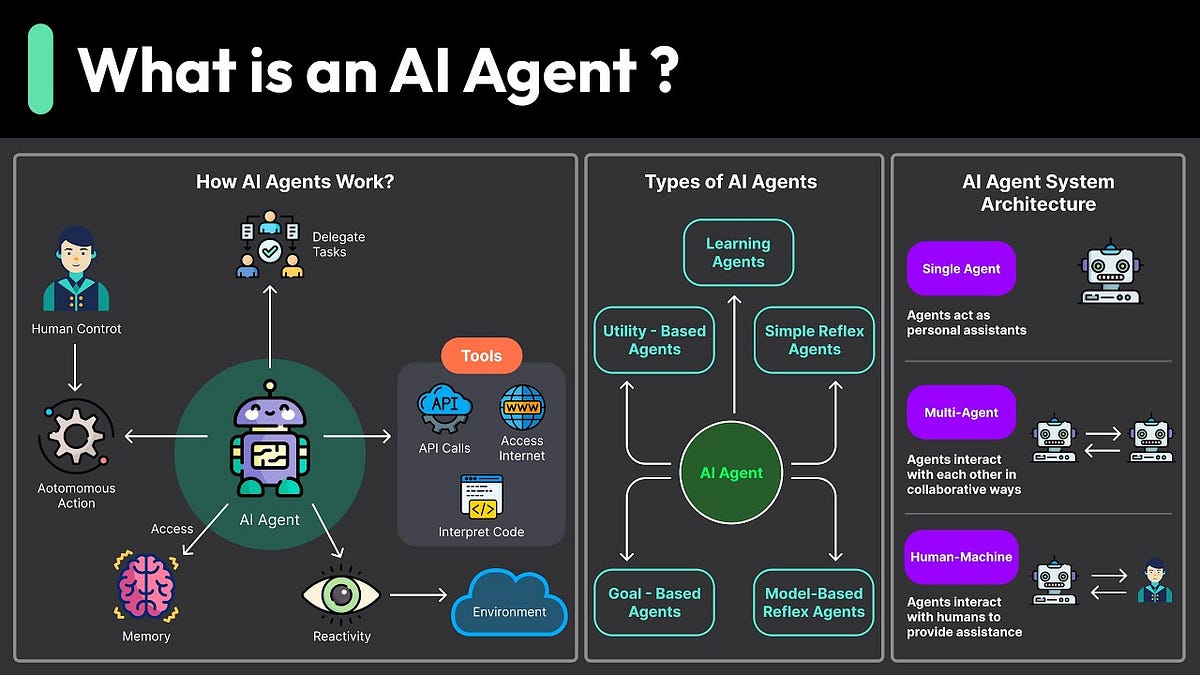
This is where AI for marketing agencies 2026 is changing the game. Instead of replacing talented marketers, artificial intelligence helps teams automate repetitive tasks, improve decision-making, and complete projects faster. Agencies that adopt smart AI workflows are discovering they can handle more clients, improve profitability, and maintain quality without significantly increasing their workforce.
Why Marketing Agencies Are Turning to AI in 2026
Marketing agencies are embracing AI because clients expect quicker turnaround times and better campaign performance. Traditional workflows often involve repetitive manual work that consumes valuable hours every week. AI helps agencies automate these processes while allowing specialists to focus on creative strategy and client relationships.
Rising Client Expectations
Modern businesses expect agencies to deliver results faster than ever before. They also demand personalized campaigns, detailed reporting, and continuous optimization across multiple marketing channels.
AI supports these expectations by processing large amounts of data quickly and generating valuable insights within minutes. This allows agencies to respond faster without sacrificing campaign quality.
Hiring Challenges
Recruiting experienced marketers has become increasingly expensive and time-consuming. Smaller agencies often struggle to compete with larger companies offering higher salaries and broader career opportunities.
Margin Pressure
Agency profit margins are constantly challenged by rising software costs, salaries, and client expectations. Delivering more work without increasing overhead has become essential for sustainable growth.
AI reduces manual effort across research, reporting, content creation, and campaign management. As a result, agencies improve operational efficiency while protecting their profitability.
AI as a Competitive Advantage
Early AI adopters are building faster workflows than many competitors. They spend less time on repetitive tasks and more time developing innovative marketing strategies for clients.
This operational advantage improves customer satisfaction while creating additional capacity for business growth. Agencies that integrate AI thoughtfully are positioning themselves for long-term success. This trend is backed by independent research, McKinsey’s global survey on the state of AI shows adoption has become standard practice across marketing and other business functions. This shift is backed by industry data, HubSpot’s 2026 State of Marketing report confirms that AI adoption has become standard practice across marketing teams.
What an Agency AI Workflow Looks Like
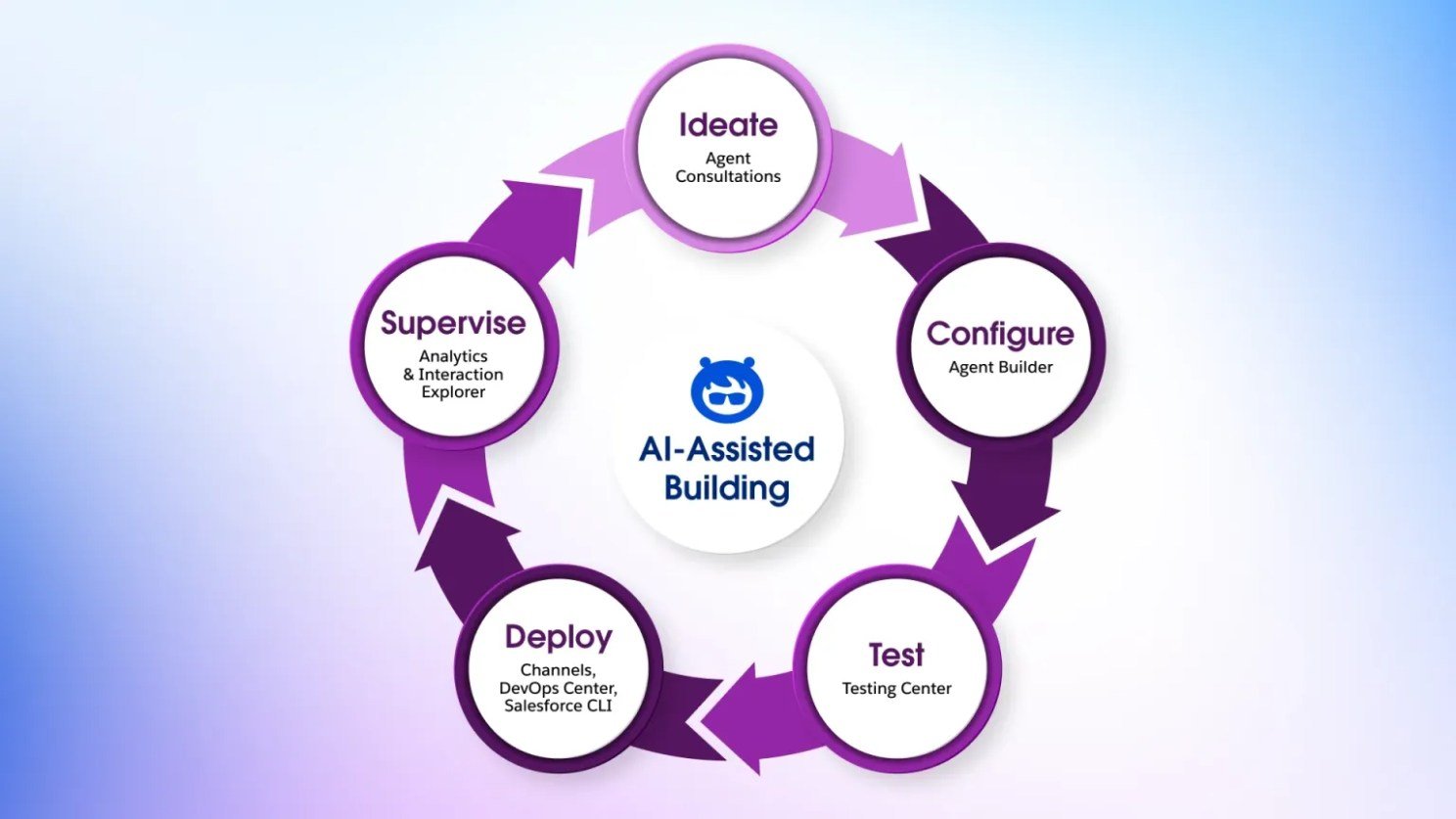
A well-designed agency AI workflow connects every stage of client delivery, from onboarding to reporting. Instead of using AI for isolated tasks, successful agencies integrate automation into their daily operations. This creates smoother collaboration, faster approvals, and more predictable project timelines.
Client Onboarding
Client onboarding often involves collecting information, organizing documents, and creating project plans. These repetitive administrative tasks can delay project kickoffs.
AI simplifies this process by generating onboarding questionnaires, summarizing client responses, and organizing information into standardized project templates. Team members begin working sooner because administrative delays are minimized.
Research and Strategy
Every successful campaign starts with thorough market research. Agencies traditionally spend hours analyzing competitors, customer behavior, and industry trends before building a strategy.
AI accelerates this research by gathering insights, identifying emerging trends, and summarizing large datasets. Strategists can then focus on interpreting the findings and building customized marketing plans.
Content Production
Creating high-quality content consistently requires planning, writing, editing, and optimization. AI supports content teams by generating outlines, suggesting headlines, improving readability, and identifying content gaps.
Human writers still provide creativity, brand voice, and final editing. This collaboration significantly reduces production time while maintaining content quality. Agencies weighing their content stack often compare tools like ContentBot vs. Writesonic to find the best fit for high-volume client workloads.
SEO Automation
Search engine optimization involves keyword research, internal linking, content optimization, and performance monitoring. These processes often require continuous attention across multiple client websites.
AI assists by identifying keyword opportunities, recommending semantic improvements, and detecting technical SEO issues. Specialists can then prioritize strategic improvements rather than spending excessive time on manual analysis. Beyond traditional SEO, agencies are also exploring generative engine optimization (GEO) to make sure client content gets surfaced directly inside AI-generated answers.
Email Campaign Management
Email marketing requires subject line testing, audience segmentation, content personalization, and performance tracking. Managing these tasks manually becomes difficult as client portfolios grow.
AI helps optimize send times, personalize messaging, and analyze campaign performance automatically. Agencies deliver better results while reducing repetitive workload.
Client Reporting
Monthly reporting is one of the most time-consuming agency responsibilities. Collecting analytics from multiple platforms and creating presentation-ready reports often consumes several hours.
AI automates data collection, generates visual summaries, and highlights significant performance trends. Account managers spend more time discussing strategy instead of preparing spreadsheets.
Agency Workflow Comparison
| Agency Task | Traditional Process | AI-Powered Process | Estimated Time Saved |
|---|---|---|---|
| Client onboarding | Manual documentation | Automated forms and summaries | 60% |
| Market research | Hours of manual analysis | AI-assisted insights | 70% |
| Content planning | Manual brainstorming | AI-generated outlines | 65% |
| SEO optimization | Manual audits | Automated recommendations | 60% |
| Reporting | Spreadsheet preparation | Automated dashboards | 75% |
Best AI Tools Every Marketing Agency Uses
Choosing the right technology is more important than adopting every available platform. Successful agencies build a focused AI toolkit that supports daily workflows instead of creating unnecessary complexity. The best solutions integrate smoothly with existing project management and marketing systems.
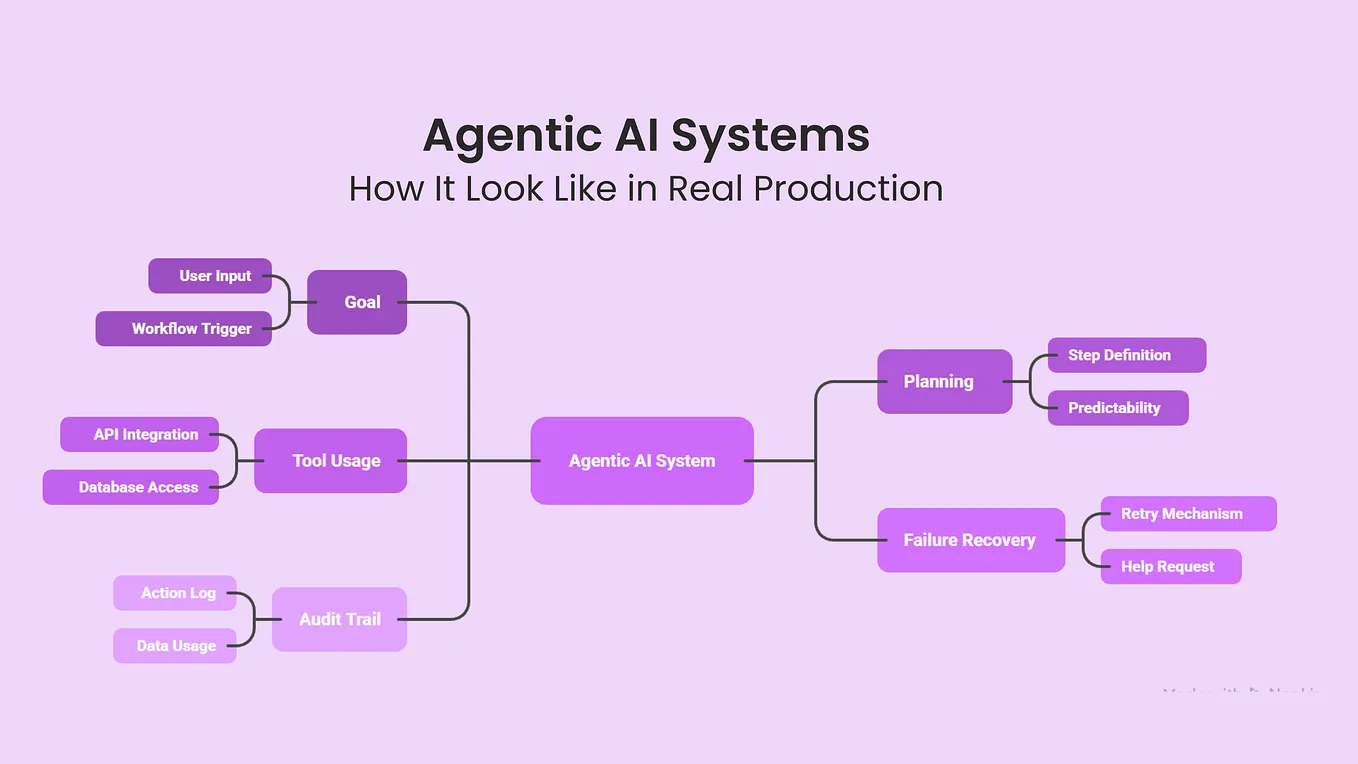
An effective agency AI workflow combines specialized tools for writing, design, automation, analytics, and collaboration. Together, these platforms help agencies improve productivity without disrupting established processes.
AI Writing Tools
Writing assistants help marketers generate outlines, refine messaging, summarize research, and improve grammar. They accelerate content creation while allowing writers to maintain the brand’s voice and editorial quality.
These tools are especially useful for blog planning, email campaigns, landing pages, and social media content. Human review remains essential to ensure originality and strategic value. For agencies comparing platforms, a detailed Jasper vs. Anyword comparison breaks down which AI writer fits different content speed and quality needs.
AI Design Tools
Design teams use AI to create concept visuals, resize creative assets, remove backgrounds, and generate presentation graphics quickly. These features reduce repetitive editing tasks while giving designers more time for creative direction.
Instead of replacing designers, AI allows them to explore more concepts within shorter project timelines.
SEO and Analytics Platforms
Modern SEO platforms use AI to recommend optimization opportunities, analyze competitor content, monitor rankings, and identify content gaps. These insights help agencies improve search visibility while reducing manual research.
Analytics platforms also transform complex marketing data into understandable dashboards that support faster client decision-making.
Automation and Project Management
Automation platforms connect marketing applications, eliminate repetitive administrative work, and synchronize information across multiple systems. Routine tasks such as notifications, approvals, file organization, and reporting happen automatically.
This streamlined workflow improves collaboration while helping agencies scale agency with AI without increasing operational complexity.
How Agencies Deliver 3X More Work Without Hiring
Increasing output does not always require a larger team. Smart agencies improve their internal systems before expanding their workforce. By combining human expertise with AI, they eliminate repetitive work and create more time for strategic thinking.
The goal is not to automate everything. Instead, agencies automate routine tasks while allowing people to focus on creativity, client communication, and business growth.
Automating Repetitive Tasks
Many daily activities follow the same process every time. Creating reports, organizing files, scheduling meetings, drafting emails, and updating project boards are perfect examples.
AI handles these repetitive jobs consistently and accurately. Employees save several hours each week, allowing them to spend more time improving campaign performance and strengthening client relationships.
Standardizing SOPs
Every agency benefits from having clear Standard Operating Procedures (SOPs). AI can help document workflows, generate process checklists, and maintain consistent project standards across the team.
When every project follows the same proven workflow, quality improves and onboarding new employees becomes much easier.
Faster Revisions
Client feedback is part of every marketing project. AI speeds up revisions by identifying requested changes, suggesting improvements, and comparing updated versions with previous drafts.
Teams complete revisions more efficiently while maintaining consistent quality throughout the project lifecycle.
Better Collaboration
AI improves communication between writers, designers, SEO specialists, and account managers by organizing project information in one place. Everyone works from the same updated data, reducing confusion and unnecessary meetings.
A connected workflow keeps projects moving smoothly from planning to delivery.
Real Agency Use Cases
Many agencies are already using AI in practical ways rather than relying on experimental technology. The most successful implementations focus on improving efficiency without sacrificing creativity or client satisfaction.
These examples demonstrate how different agency models benefit from AI-powered operations.
SEO Agency
SEO agencies use AI to perform keyword research, identify content opportunities, analyze competitors, and monitor website performance. Specialists then interpret the recommendations and build customized optimization strategies.
This balance between automation and expertise produces stronger long-term results.
Social Media Agency
Social media teams use AI to generate caption ideas, schedule posts, analyze audience engagement, and suggest publishing times. Creative professionals still develop campaign concepts and ensure every post reflects the client’s brand identity.
The result is faster content production without losing authenticity.
PPC Agency
Paid advertising agencies rely on AI to monitor campaign performance, identify budget opportunities, and recommend bidding adjustments. Marketing experts review these insights before making strategic decisions.
This combination improves efficiency while reducing manual campaign monitoring.
Content Marketing Agency
Content agencies streamline research, outlining, optimization, and editing with AI assistance. Writers remain responsible for storytelling, factual accuracy, and maintaining a unique voice.
This collaborative approach increases publishing capacity while protecting content quality.
Benefits of Scaling an Agency With AI
Agencies that embrace AI often experience improvements across productivity, profitability, and customer satisfaction. These advantages extend beyond saving time because streamlined workflows also improve consistency and operational control.
As agencies grow, efficient systems become just as important as talented employees.
Lower Operating Costs
Reducing repetitive work lowers production costs without compromising service quality. Agencies can reinvest these savings into training, innovation, or business development.
Faster Project Delivery
Projects move through each stage more efficiently because fewer manual processes create delays. Clients appreciate quicker turnaround times and consistent communication.
Higher Team Productivity
Employees spend less time performing administrative tasks and more time solving marketing challenges. This creates a more satisfying work environment while increasing overall output.
Better Client Retention
Reliable delivery schedules, improved reporting, and faster communication strengthen client relationships. Happy clients are more likely to continue long-term partnerships and recommend the agency to others.
Challenges and Limitations
AI offers significant advantages, but it is not a complete replacement for experienced marketing professionals. Agencies must understand both its strengths and limitations to achieve sustainable success.
Responsible implementation requires careful planning, continuous monitoring, and human oversight.
AI Hallucinations
AI occasionally generates inaccurate information or unsupported claims. Every output should be reviewed before reaching clients or being published.
Human verification remains essential for maintaining credibility.
Privacy and Data Security
Client information should always be handled carefully. Agencies should choose trusted platforms, follow privacy regulations, and establish internal security policies before integrating AI into sensitive workflows.
Human Creativity Still Matters
AI can generate ideas quickly, but it cannot fully understand emotions, brand history, or cultural context. Strategic thinking, creativity, and relationship building continue to depend on skilled professionals.
How to Build an AI Workflow for Your Agency
Building an effective workflow begins with understanding existing business processes. Agencies should identify repetitive activities before selecting new technology. A gradual implementation usually delivers better results than attempting a complete transformation overnight.
Continuous evaluation ensures AI continues supporting business objectives as the agency grows.
Step 1: Audit Current Processes
Review every department and identify tasks performed repeatedly each week. These are usually the best candidates for automation.
Step 2: Prioritize High-Impact Tasks
Focus first on reporting, research, scheduling, documentation, and content planning. Early success encourages wider adoption across the organization.
Step 3: Select the Right Tools
Choose solutions that integrate with your existing systems instead of creating additional complexity. Simplicity often delivers better long-term results.
Step 4: Train Your Team
Provide clear documentation and practical training sessions. Employees who understand AI are more likely to use it effectively and responsibly.
Step 5: Measure Performance
Track metrics such as project turnaround time, client satisfaction, productivity, and profitability. Regular measurement helps refine workflows and maximize return on investment.
Future of AI for Marketing Agencies Beyond 2026
Artificial intelligence will continue evolving rapidly over the coming years. Agencies that invest in adaptable workflows today will be better prepared for future innovations. Human expertise will remain the foundation, while AI becomes an increasingly capable productivity partner.
The agencies leading tomorrow’s market will combine technology with creativity instead of treating them as competing forces.
AI Agents
Autonomous AI agents will manage more routine operational tasks while human teams supervise strategy and quality assurance.
Predictive Marketing
Future AI systems will identify trends before they become mainstream, helping agencies make proactive marketing decisions.
Hyper-Personalization
Campaigns will become increasingly personalized using customer behavior, preferences, and predictive analytics while respecting privacy standards.
Key Takeaways
- AI increases agency productivity without replacing human expertise.
- Automating repetitive work frees teams for strategy and creativity.
- Standardized workflows improve consistency and scalability.
- Human review remains essential for quality, ethics, and accuracy.
- Agencies that adopt AI thoughtfully gain a sustainable competitive advantage.
Conclusion
The biggest advantage comes from building efficient systems rather than relying solely on additional employees. By implementing AI gradually, documenting clear workflows, and continuously measuring results, agencies can create a scalable business model ready for future growth. As the marketing landscape continues evolving, insights and practical strategies shared by BrandsHolder can help agencies stay informed and confidently adapt to the next generation of AI-powered marketing.
Frequently Asked Questions
1. What is AI for marketing agencies?
AI for marketing agencies refers to using artificial intelligence to automate repetitive tasks, improve workflows, generate insights, and increase productivity while allowing teams to focus on strategic and creative work.
2. Can AI replace marketing agency employees?
No. AI is designed to assist professionals rather than replace them. Human creativity, relationship management, and strategic decision-making remain essential for delivering successful marketing campaigns.
3. Which departments benefit the most from AI?
Content marketing, SEO, PPC advertising, social media management, reporting, research, client onboarding, and project management all benefit significantly from AI-powered automation.
4. How can agencies scale with AI?
Agencies can scale by automating repetitive processes, creating standardized workflows, improving collaboration, and using AI insights to increase efficiency without immediately hiring additional staff.
5. What is the biggest mistake agencies make when adopting AI?
The biggest mistake is relying entirely on automation without human review. AI performs best when experienced professionals verify outputs, maintain quality standards, and provide strategic direction.