Email marketing success in 2026 depends on making decisions based on real customer behavior instead of assumptions. An effective email A/B testing process helps marketers discover which elements improve engagement, clicks, and conversions. The smartest approach is to test high-impact areas like subject lines, content, CTAs, and personalization while avoiding small changes that rarely affect results.
Key Takeaways
- A/B testing helps marketers improve email performance with data.
- Focus on elements that directly influence customer actions.
- Subject lines, CTAs, and email copy usually create bigger improvements.
- Avoid wasting time testing small design details without impact.
- A strong email testing strategy requires clear goals and accurate measurement.
Email A/B Testing Guide 2026: How to Find What Actually Works
Email campaigns are no longer successful through guesswork alone. Marketers now need reliable data to understand what motivates subscribers to open, click, and buy. This email ab testing guide 2026 explains the most valuable experiments and the areas where testing effort is often wasted.

A/B testing allows businesses to compare two email versions and measure performance differences. The goal is not to test everything but to discover meaningful improvements. A smart testing approach creates better customer experiences and stronger marketing results.
What Is Email A/B Testing? Complete Guide for 2026
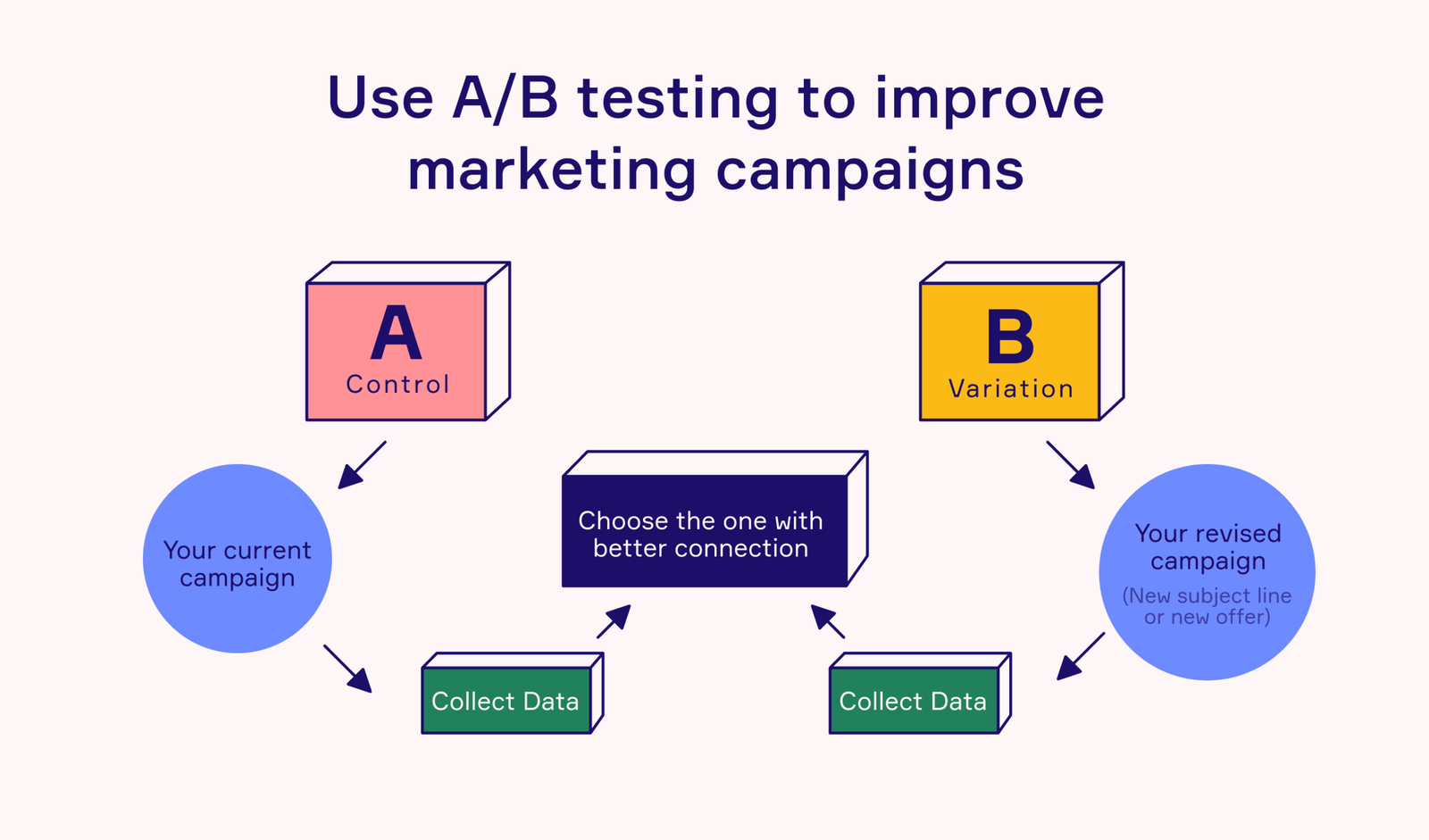
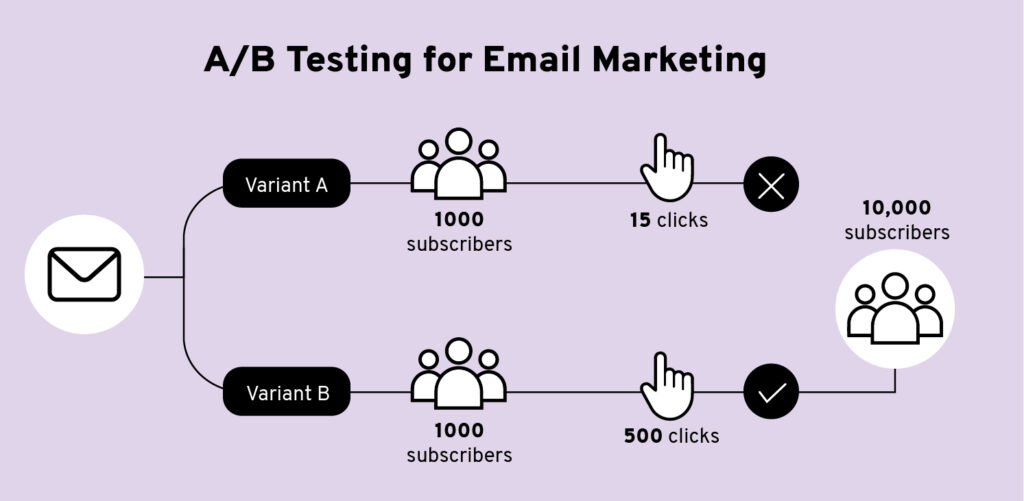
Email A/B testing is a method where marketers create two versions of an email and send them to different audience groups. The winning version is selected based on specific performance metrics such as clicks, conversions, or engagement. This process helps companies understand customer preferences through actual behavior.
The foundation of successful testing is creating a clear hypothesis before starting. Marketers should know what they want to improve before changing any email element. Random experiments often create confusing results and waste valuable marketing resources.
How an Email Split Test Works
An email split test compares different versions of a campaign to identify better performance. For example, one group may receive an email with a direct subject line, while another receives a curiosity-based version. The results show which approach creates stronger engagement.
A proper test changes one important element at a time. This makes it easier to understand why one version performs better than another.
| Testing Element | Version A Example | Version B Example | Main Goal |
|---|---|---|---|
| Subject Line | Simple headline | Curiosity headline | Improve opens |
| CTA Button | Buy Now | Get Started | Increase clicks |
| Email Copy | Short message | Detailed message | Improve engagement |
| Images | Product photo | Lifestyle image | Increase interest |
Why Email Testing Matters for Marketing Growth
Email testing helps brands improve campaigns without relying on opinions. Small improvements in conversion rates can create significant revenue growth over time. Data-driven decisions also help marketers understand their audience better.
Modern email platforms provide advanced analytics, making testing easier than before. However, success depends on choosing meaningful variables. Choosing the right analytics platform also plays a big role here, our comparison of Google Analytics vs Matomo can help you pick the right tool to track your test results accurately.
What to A/B Test Email Campaigns for Better Performance
Knowing what to A/B test email campaigns is important because not every change creates valuable results. Marketers should prioritize elements that influence customer decisions directly. The best experiments focus on improving user actions rather than making emails look different.
High-impact tests usually involve messaging, timing, personalization, and calls to action. These areas affect how subscribers interact with email content. A focused testing plan delivers clearer insights.
Subject Line A/B Test: The First Opportunity to Improve Results
A subject line A/B test is one of the most common email experiments because it affects whether people open the message. Testing different approaches can reveal what language connects with your audience. Some audiences prefer urgency, while others respond better to educational or emotional messaging.
Important subject line factors include length, personalization, tone, and clarity. Testing these elements helps marketers create stronger first impressions.
Examples of subject line variations include:
- Personalized vs general subject lines
- Question-based vs statement-based headlines
- Urgent vs informative messaging
Testing Email Content and Copy
Email copy plays a major role in convincing subscribers to take action. Marketers can test different writing styles, benefits, storytelling approaches, and content lengths. The best version usually provides clear value and matches customer expectations.
Content testing should focus on improving communication quality. Simple messages often perform better because readers understand the benefit quickly.
Testing CTA Buttons and Placement
Calls-to-action guide subscribers toward the next step. Testing CTA wording, position, and format can improve click-through rates. A small change in the action message may influence customer decisions significantly.
Effective CTA testing examples include:
- Different button text
- Single CTA versus multiple CTAs
- Placement near important content sections
These same CTA testing principles apply directly to paid campaigns too, our breakdown of Meta Ads covers how similar creative testing works across paid channels.
What Email Elements Should You Not Waste Time Testing?
Many marketers spend too much time testing changes that have little business impact. A successful email testing strategy requires knowing which experiments are worth the investment. Not every difference between two emails creates meaningful improvement.
Small visual adjustments may look important but often do not affect customer behavior. Testing should always connect with measurable goals like revenue, conversions, or engagement.
Minor Design Changes That Rarely Matter
Tiny design modifications usually provide limited insights. Changing small spacing issues or decorative elements may not create noticeable improvements. Marketers should focus their resources on customer-focused experiments instead.
Examples of low-impact tests include:
- Slight font size differences
- Minor color adjustments
- Small layout changes without conversion goals
Tests Without Clear Business Goals
Testing without a clear purpose creates unnecessary complexity. Every experiment should answer a specific marketing question. Without proper measurement, even positive results may not provide useful information.
Successful marketers connect every test with a measurable outcome. This approach improves efficiency and prevents wasted effort.
How to Build an Effective Email Testing Strategy in 2026
A strong email testing strategy starts with understanding your audience and defining clear objectives. Marketers should identify problems, create hypotheses, and test solutions systematically. This approach creates consistent improvements over time.
Testing should become an ongoing process rather than a one-time activity. Customer preferences change, so regular experimentation helps brands stay competitive.
Choose the Right Email Metrics
The success of a campaign depends on measuring the correct performance indicators. Open rates alone may not show the complete picture because privacy changes have affected tracking accuracy. This tracking shift is largely tied to Apple’s Mail Privacy Protection rollout, as detailed in Apple’s official developer documentation on Mail Privacy Protection.
Important metrics include:
- Click-through rate
- Conversion rate
- Revenue per email
- Subscriber engagement
These measurements provide deeper insights into campaign effectiveness. If you’re benchmarking performance across channels, our guide on YouTube Ads benchmarks offers useful comparison data for setting realistic conversion goals.
Test One Variable at a Time
Changing multiple elements creates unclear results. If marketers change the subject line, CTA, and copy together, they cannot identify the reason behind success or failure.
Single-variable testing creates cleaner data. It also helps teams make better decisions for future campaigns.
Common Email A/B Testing Mistakes to Avoid
Many companies fail because they run tests without proper planning. Ending experiments too quickly or using small audiences can lead to inaccurate conclusions. A reliable testing process requires patience and proper analysis.
Another common mistake is focusing only on open rates. Modern marketers should look beyond initial engagement and measure actual customer actions.
Avoid these mistakes:
- Testing without a clear hypothesis
- Ignoring conversion data
- Running tests for too little time
- Making decisions from unreliable results
AI and the Future of Email Testing in 2026
Artificial intelligence is changing how marketers approach email optimization. AI tools can analyze customer behavior, predict preferences, and suggest better content variations. These improvements allow businesses to create more personalized campaigns.
AI-powered testing does not replace strategy. Instead, it helps marketers make faster and smarter decisions using larger amounts of data.
Personalization, automation, and predictive analytics will continue shaping email marketing. Brands that combine human creativity with AI insights will gain stronger results.
Conclusion
Email testing is becoming more important as competition for customer attention increases. The best marketers do not test every small detail; they focus on experiments that create measurable improvements. A structured approach helps businesses improve engagement, conversions, and long-term customer relationships.
Following a practical testing framework allows teams to understand subscriber behavior and make confident decisions. For more digital marketing insights and updated strategies, platforms like brandsholder can help businesses explore modern growth opportunities and marketing solutions.
Frequently Asked Questions (FAQs)
1. What is email A/B testing?
Email A/B testing compares two versions of an email campaign to identify which one performs better. Marketers use this method to improve engagement, clicks, and conversions.
2. What should I A/B test in email campaigns?
The most valuable tests usually include subject lines, email copy, CTAs, personalization, and sending times. These elements directly influence customer actions.
3. How long should an email split test run?
Most tests should run long enough to collect reliable data. The required time depends on audience size, campaign goals, and expected response differences.
4. Is subject line testing still important in 2026?
Yes, subject lines remain important because they influence initial attention. However, marketers should also measure deeper actions like clicks and conversions.
5. What email elements should marketers avoid testing?
Marketers should avoid spending too much time on minor design changes that do not affect customer behavior. Testing should focus on meaningful performance improvements.