This article explains failed brands examples and why famous companies disappear over time. It covers real business failure case studies like Kodak, Nokia, Blockbuster, and Sears. The main reasons include poor innovation, competition, and bad management decisions. The key lesson is that businesses must adapt quickly to survive in changing markets.
Introduction to Failed Brands Examples
Many people search for failed brands examples to understand how big companies collapse over time. It is interesting because these brands were once very successful and trusted worldwide. Still, they slowly disappeared due to major mistakes and market changes.

In this article, we will explore business failure examples in a very simple way. You will learn why famous brands failed and what lessons we can learn from them. These stories help us understand how business decisions shape success or failure.
Why Do Brands Fail? (Core Reasons)
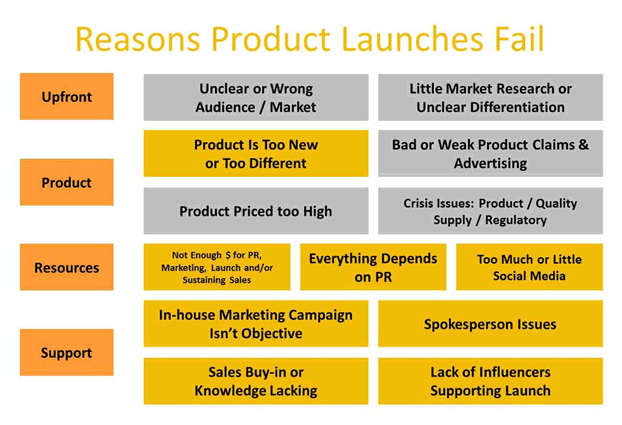
Brands do not fail suddenly; it happens step by step over time. Most brand failure case studies show similar patterns of mistakes and missed opportunities. Let’s look at the main reasons behind business collapse.
Poor Innovation and Adaptation
Many companies fail because they do not change with time. Technology and customer needs evolve very fast in today’s world. If a company does not innovate, it slowly becomes irrelevant.
One clear example is companies that ignored digital transformation. They continued old methods while competitors moved ahead quickly. This gap eventually leads to failure.
Strong Competition and Market Shift
Competition is another major reason behind why brands fail. New companies enter the market with better ideas and pricing. Customers then shift toward better and faster options.
Market trends also change very quickly in modern industries. Brands that cannot adjust lose their customers gradually over time.
Bad Management Decisions
Poor leadership decisions often destroy strong companies from inside. Wrong investments and weak planning create long-term financial damage. This is a common reason in many business failure examples.
When management ignores customer feedback, the brand loses trust. Trust is very important for long-term success in any industry.
Financial Mismanagement
Many brands collapse because they spend more than they earn. Poor budgeting and debt accumulation lead to serious financial pressure. This is one of the most common causes of failure.
Even strong brands cannot survive without proper financial control. Money management is the backbone of every successful business.
Top Failed Brands Examples in History
Here are some famous failed brands examples that once ruled their industries. These companies were powerful but could not survive long-term changes.
| Brand | Industry | Reason for Failure |
|---|---|---|
| Kodak | Photography | Missed digital revolution |
| Nokia | Mobile Phones | Slow smartphone adaptation |
| Blockbuster | Video Rental | Failed to adopt streaming |
| Sears | Retail | Weak online transformation |
These examples clearly show how fast business conditions can change.
Kodak – Missed Digital Revolution
Kodak was once a giant in the photography industry worldwide. It controlled film cameras and was highly trusted by users. However, it failed to adopt digital photography on time.
The company actually invented digital camera technology but ignored it. This mistake became the main reason for its downfall.
Nokia – Lost Smartphone Market
Nokia was once the most popular mobile phone brand globally. It was known for strong devices and long battery life. But it failed to compete in the smartphone era.
The rise of Android and iPhone changed everything quickly. Nokia could not keep up with software innovation and lost its market share.
Blockbuster – Netflix Disruption
Blockbuster was a leading video rental company in the world. People used to rent movies from its physical stores. It refused to shift to online streaming.
Netflix entered the market and completely changed user behavior. Blockbuster’s slow decision-making caused its complete decline.
Sears – Retail Decline
Sears was a powerful retail brand in the United States. It dominated physical stores for many years successfully. But it failed to build a strong online presence.
As e-commerce grew, customers shifted to online shopping platforms. Sears could not adapt and slowly lost its position.
Business Failure Case Studies and Lessons Learned
These brand failure case studies give us important business lessons. The biggest lesson is that change is unavoidable in every industry. Companies must adapt to survive in a competitive market.
Another lesson is that customer needs should always come first. Ignoring customers leads to loss of trust and sales decline.
Key lessons include:
- Innovation is necessary for survival
- Market trends must be monitored regularly
- Strong financial planning is essential
- Customer experience should be a top priority

How Businesses Can Avoid Failure
Businesses can avoid failure by focusing on long-term planning and innovation. Companies should invest in technology and modern solutions. This helps them stay competitive in changing markets.
Regular market research is also very important. It helps businesses understand customer behavior and new trends. Strong leadership decisions also play a key role in success.
Conclusion
In conclusion, studying failed brands examples helps us understand real business risks. Every successful brand can fail if it ignores change and innovation. These case studies show how important adaptation is in business.
Brands like Kodak, Nokia, and Blockbuster teach us valuable lessons. The key takeaway is simple: stay flexible and keep improving.
Businesses that follow this approach can survive longer in the market. Platforms like brandsholder website also highlight such insights for better understanding of business growth and failure patterns.
FAQs
Q1: What are failed brands examples?
Failed brands examples are companies that were once successful but later collapsed. They lost their market position due to poor decisions, competition, or innovation failure. Studying them helps us understand real business risks.
Q2: Why do big brands fail even after success?
Big brands fail when they stop adapting to new market trends. Customer needs change quickly, and slow companies fall behind. This is a common pattern in many business failure case studies.
Q3: What is the most famous failed brand?
Kodak is often considered one of the most famous failed brands examples. It dominated photography but ignored the digital revolution. This mistake led to its long-term decline.
Q4: Is Nokia also a failed brand example?
Yes, Nokia is a strong example of brand failure in the smartphone era. It was once a global leader in mobile phones. But it failed to compete with Android and iPhone innovation.
Q5: Can failed brands recover again?
Some failed brands can recover if they completely change their business model. This requires strong leadership, innovation, and market understanding. However, recovery is very difficult once trust is lost.
Q6: What is the main reason behind business failure?
The main reason is lack of innovation and poor decision-making. Companies that ignore customer needs and technology changes usually fail. This is common in most business failure examples.