A successful Google Ads account starts with a clear hierarchy, focused campaigns, and relevant ad groups. Organizing campaigns by business goals, using keyword themes, maintaining accurate conversion tracking, and applying negative keywords all contribute to stronger performance. Modern advertisers should also leverage AI-powered bidding while continuously reviewing account structure to improve Quality Score, increase conversions, and maximize return on ad spend.
Creating a successful Google Ads account is about much more than launching campaigns. A well-planned structure helps Google understand your goals, improves ad relevance, and makes optimization easier over time. If your account feels messy or difficult to manage, performance can suffer even with a healthy budget.
The right Google Ads account structure 2026 follows Google’s latest automation features while keeping campaigns organized around clear business objectives. Instead of relying on outdated methods, modern advertisers combine AI-powered bidding with logical campaign organization to achieve stronger conversion rates and better return on ad spend (ROAS). This guide explains exactly how to build an account that is easy to manage, scale, and optimize.
What Is Google Ads Account Structure 2026?
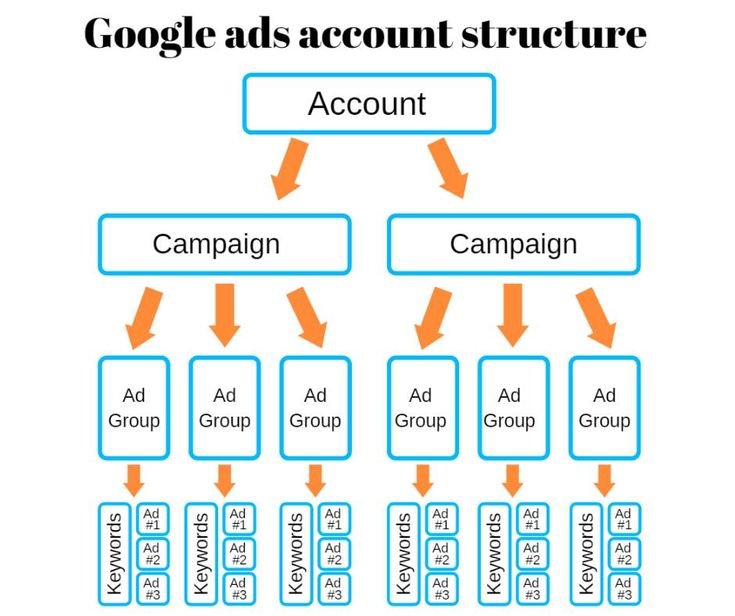
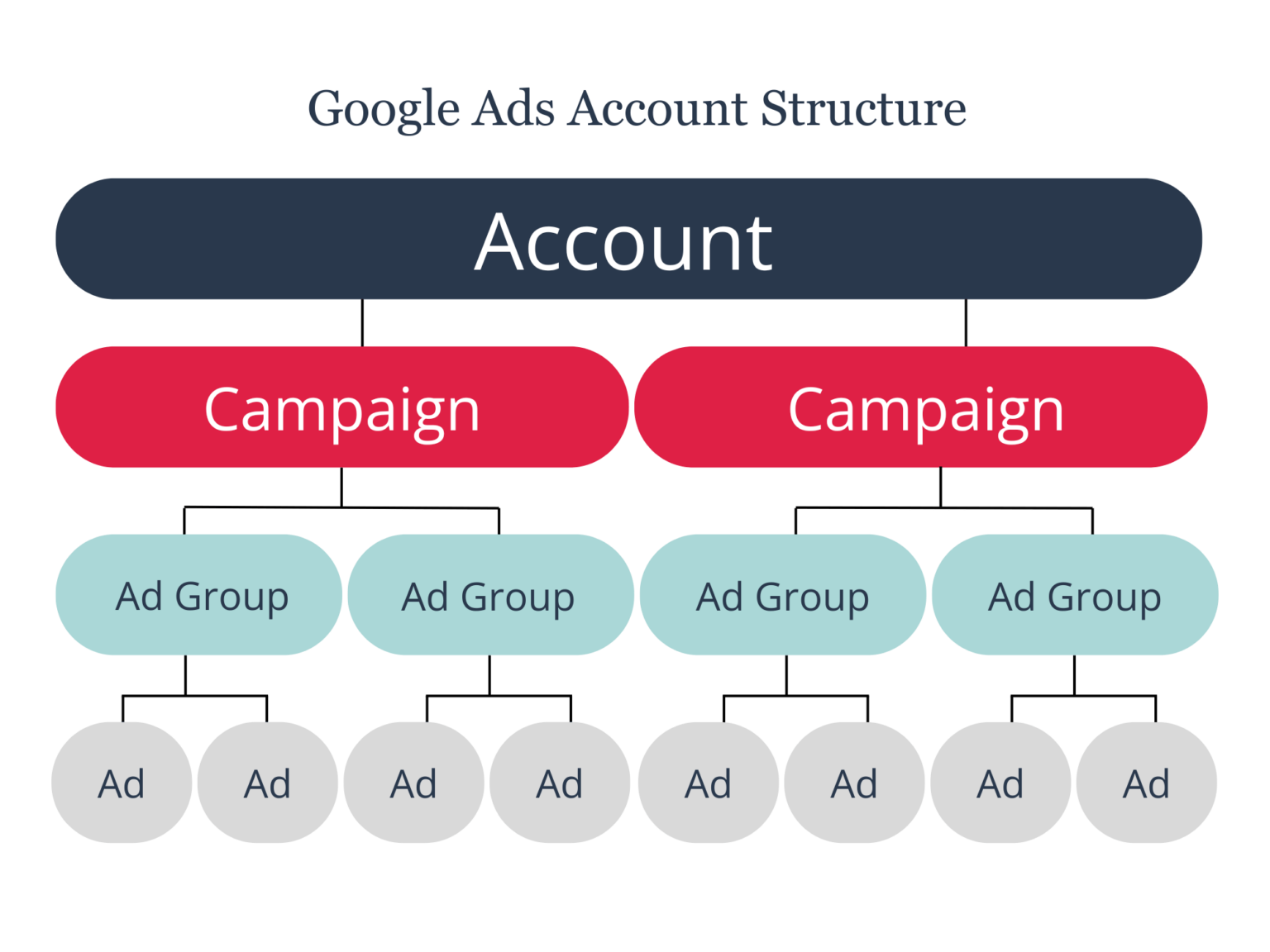
Your Google Ads account structure is the hierarchy that organizes campaigns, ad groups, keywords, ads, audiences, and landing pages. A clean structure ensures every campaign has a clear purpose and supports Google’s machine learning. Better organization also makes reporting simpler and helps marketers identify winning strategies faster.
The Google Ads Hierarchy
Every account follows a layered structure. At the top is your account, followed by campaigns, ad groups, keywords, ads, and landing pages. Each layer has a specific role in delivering relevant advertisements to the right audience. Keeping these layers organized prevents confusion as your advertising grows.
Why Structure Directly Impacts Performance
Google rewards relevance throughout the advertising process. When keywords, ads, and landing pages closely match user intent, Quality Score often improves naturally. Higher Quality Scores can reduce costs while increasing visibility for competitive searches. A structured account also makes testing and optimization significantly easier.
The Ideal Google Ads Campaign Structure
Campaigns should represent major business goals instead of random keyword collections. This approach keeps reporting accurate while allowing different bidding strategies and budgets for each objective. As your account expands, organized campaigns become easier to scale without creating unnecessary complexity.
Organizing Campaigns by Business Goal
Start by grouping campaigns according to marketing objectives. Separate campaigns for lead generation, online sales, brand awareness, and remarketing allow each goal to receive its own budget and optimization strategy. This setup also simplifies performance analysis when comparing different business outcomes.
Organizing Campaigns by Product or Service
Businesses offering multiple services should dedicate individual campaigns to each category. For example, a digital marketing agency might separate SEO, Google Ads management, web design, and social media services. This method improves keyword relevance while making budget allocation more effective.
Geographic Campaign Structure
Location targeting deserves its own campaign whenever different regions require unique budgets or messaging. Businesses operating nationally can create campaigns for specific cities or states, while local companies may focus only on nearby service areas. Geographic segmentation helps control spending and improve local relevance.
Brand vs. Non-Brand Campaigns
Separating branded and non-branded searches is one of the simplest optimization techniques. Brand campaigns usually generate higher conversion rates because users already recognize your business. Non-brand campaigns focus on attracting new customers searching for products or solutions.
| Campaign Type | Primary Objective | Example |
|---|---|---|
| Brand Campaign | Protect branded searches | Company Name |
| Non-Brand Campaign | Acquire new customers | Digital Marketing Agency |
| Product Campaign | Promote specific products | CRM Software |
| Location Campaign | Target regional audiences | SEO Services in Chicago |
| Remarketing Campaign | Re-engage previous visitors | Cart Abandonment Ads |
How to Build an Effective Ad Group Structure
Ad groups connect keywords with highly relevant advertisements. Instead of placing unrelated keywords together, focus each ad group on one clear topic or search intent. Smaller, focused groups often produce stronger click-through rates because ads closely match user searches.
Keyword Theme Organization
Every ad group should target one keyword theme rather than multiple unrelated ideas. For example, an online shoe retailer can separate running shoes, hiking boots, formal shoes, and casual sneakers into different groups. Focused keyword themes improve relevance across every advertisement.
One Intent per Ad Group
Grouping keywords by user intent creates better ad experiences. Someone searching for “buy running shoes online” has different expectations than a person looking for “best running shoes for beginners.” Matching ads with intent encourages higher engagement and more qualified clicks.
Match Type Strategy
Broad, phrase, and exact match keywords each serve different purposes within a campaign. Broad match helps discover new opportunities, while phrase and exact match provide greater control over search targeting. Combining these strategically improves campaign flexibility without sacrificing relevance.
Responsive Search Ads Placement
Responsive Search Ads should become the primary ad format inside each ad group. By providing multiple headlines and descriptions, Google’s AI identifies combinations that resonate with different users. Strong messaging combined with relevant keywords often leads to higher conversion potential.
Best Google Ads Setup for 2026
Google Ads continues evolving toward automation, but successful advertisers still need thoughtful account organization. Combining AI-powered bidding with human strategy creates a balanced approach that improves efficiency while maintaining control. A modern account structure should support automation without becoming overly complicated.
Performance Max Campaigns
Performance Max campaigns work across Google’s entire advertising network using machine learning. Instead of replacing every Search campaign, they should complement campaigns focused on broader business goals. Clear audience signals, quality creative assets, and accurate conversion tracking remain essential for success.
Search Campaigns
Search campaigns continue delivering highly targeted traffic from users actively looking for solutions. They perform best when keywords, advertisements, and landing pages closely align with search intent. Regular search term reviews also help eliminate wasted spending through effective negative keywords.
Demand Gen Campaigns
Demand Gen campaigns help businesses reach potential customers before they actively search. These campaigns appear across YouTube, Discover, and Gmail using visually engaging creative assets. They work especially well for building awareness and generating future demand.
Shopping and Display Campaigns
E-commerce businesses benefit from Shopping campaigns that showcase products directly within search results. Display campaigns, meanwhile, help increase brand visibility across millions of websites and apps. When managed separately, each campaign type receives more focused optimization and clearer performance reporting.
Naming Conventions and Account Organization
A consistent naming system makes your Google Ads account easier to manage as it grows. Clear names help you identify campaigns quickly, reduce reporting errors, and simplify collaboration with team members. A standardized structure also saves time during audits and performance reviews.
Campaign Naming Best Practices
Use names that describe the campaign’s objective, location, network, and audience. For example, “Search_USA_LeadGen_SEO” is much easier to understand than “Campaign 1.” Consistent naming becomes even more valuable when your account contains dozens of campaigns.
Ad Group Naming Rules
Keep ad group names aligned with the keyword theme. If an ad group targets “email marketing software,” use that topic as its name instead of a generic label. Simple naming improves navigation and makes optimization more efficient.
Labels and Account Management
Labels help organize campaigns by season, promotions, or business goals. They also make reporting faster because related campaigns can be grouped without changing the account structure. This small practice delivers long-term management benefits.
Budget Allocation Strategy
Your budget should support business priorities rather than being divided equally across campaigns. High-performing campaigns deserve additional investment, while underperforming ones should be optimized before receiving more spend. Regular budget reviews keep advertising aligned with business goals.
Campaign-Level Budgets
Assign separate budgets to campaigns with different objectives. Lead generation, brand awareness, and remarketing campaigns often perform differently, so each requires its own financial strategy. This approach provides better control over return on investment.
Shared Budgets
Shared budgets can simplify management when several campaigns have similar goals. They allow Google to distribute spending where opportunities are strongest. However, monitor performance regularly to ensure one campaign does not consume most of the budget.
Scaling High-Performing Campaigns
Increase budgets gradually instead of making large changes overnight. Small adjustments allow Google’s learning system to adapt while maintaining campaign stability. Consistent scaling often produces better long-term results than aggressive budget increases.
| Business Goal | Recommended Budget Focus |
|---|---|
| Lead Generation | High |
| E-commerce Sales | High |
| Brand Awareness | Medium |
| Remarketing | Medium |
| Testing New Campaigns | Low |
Negative Keywords and Keyword Organization
Negative keywords prevent your ads from appearing for irrelevant searches. They reduce wasted clicks, improve traffic quality, and help campaigns focus on users with stronger purchase intent. Reviewing search terms regularly is one of the simplest ways to improve efficiency.
Building Negative Keyword Lists
Create shared negative keyword lists for unrelated searches, job seekers, free resources, or irrelevant products. Applying these lists across multiple campaigns saves time while maintaining consistent traffic quality.
Preventing Keyword Cannibalization
Avoid targeting identical keywords across multiple campaigns unless there is a strategic reason. Duplicate targeting can create internal competition and make optimization more difficult. Clear campaign segmentation keeps reporting accurate and bidding more efficient.
Search Term Reviews
Review search terms every week to discover new keyword opportunities and remove irrelevant traffic. This habit improves campaign quality while supporting better conversion rates over time.
Landing Pages and Conversion Tracking
Even the best advertisements cannot succeed with poor landing pages. Visitors should immediately find information that matches the promise made in your ads. Consistency between keywords, advertisements, and landing pages builds trust and increases conversions.
Matching Ads to Landing Pages
Each ad group should direct users to the most relevant landing page available. Product-specific searches deserve product pages, while service-related searches should lead to dedicated service pages. Better relevance creates a smoother customer journey.
Conversion Tracking Setup
Accurate conversion tracking measures campaign success beyond clicks. Track actions such as purchases, form submissions, phone calls, and newsletter sign-ups. Reliable data allows Smart Bidding strategies to optimize effectively.
Google Analytics 4 Integration
Connecting Google Analytics 4 provides deeper insights into user behavior after the click. You can identify engagement trends, improve landing pages, and make better optimization decisions using real performance data.
Common Google Ads Structure Mistakes
Many advertisers lose performance because of avoidable structural issues. Small mistakes often grow into larger problems as accounts become more complex. Regular account audits help maintain a clean and effective setup.
Too Many Campaigns
Creating unnecessary campaigns makes reporting confusing and spreads budgets too thin. Consolidate campaigns whenever goals and targeting are similar.
Poor Ad Group Organization
Mixing unrelated keywords inside one ad group reduces ad relevance. Focused keyword themes deliver stronger messaging and improve Quality Score.
Mixed Search Intent
Combining informational and transactional keywords often produces inconsistent performance. Separate user intents into different ad groups for more relevant advertisements.
Duplicate Keywords
Repeated keywords across campaigns can increase internal competition. A clear keyword strategy prevents overlap and improves account efficiency.
Weak Landing Pages
Slow-loading or irrelevant landing pages reduce conversions regardless of ad quality. Regular testing improves user experience and campaign profitability.
Google Ads Account Structure Best Practices for 2026
Modern Google Ads success depends on balancing automation with strategic planning. Google’s AI handles many optimization tasks, but account organization remains the advertiser’s responsibility. A strong foundation supports better long-term performance.
AI-Powered Optimization
Use Smart Bidding and responsive ads to improve campaign efficiency. Automation performs best when supported by clean account organization and reliable conversion data.
Automation with Human Oversight
Machine learning identifies patterns quickly, but regular human reviews remain essential. Monitor search terms, budgets, creatives, and landing pages to maintain consistent performance.
Continuous Testing and Optimization
Test headlines, descriptions, landing pages, and bidding strategies regularly. Small improvements made consistently often generate significant long-term growth.
Scaling Without Losing Organization
As campaigns expand, maintain the same logical structure across every new addition. Consistency keeps large accounts manageable while simplifying future optimization.
Key Takeaways
- Organize campaigns around business goals instead of random keyword collections.
- Keep each ad group focused on one keyword theme and user intent.
- Separate branded and non-branded campaigns for better reporting.
- Use negative keywords to improve traffic quality and reduce wasted spend.
- Connect every ad to a relevant landing page with accurate conversion tracking.
- Combine Google’s automation with regular human optimization for the best results.
Conclusion
A well-organized Google Ads account creates a strong foundation for sustainable advertising success. Instead of chasing quick fixes, focus on building campaigns around business goals, relevant keyword themes, high-quality landing pages, and accurate conversion tracking. As Google Ads continues evolving with AI-driven automation, maintaining a logical account structure will remain one of the most effective ways to improve efficiency and profitability. By applying the strategies shared in this guide, you can build campaigns that are easier to manage, easier to scale, and better positioned for long-term growth. For more actionable digital marketing insights and practical advertising guides, Brandsholder remains a valuable resource for marketers looking to stay ahead of industry trends.
Frequently Asked Questions
1. What is the ideal Google Ads account structure?
The ideal structure follows a clear hierarchy of account, campaigns, ad groups, keywords, ads, and landing pages. Each campaign should have a specific business objective and each ad group should target one keyword theme.
2. How many ad groups should a campaign have?
There is no fixed number, but each ad group should focus on a single topic or user intent. Quality is more important than quantity.
3. Should I separate brand and non-brand campaigns?
Yes. Keeping them separate improves budget control, reporting accuracy, and bidding strategies because branded searches usually perform differently from non-branded searches.
4. Why are negative keywords important?
Negative keywords prevent ads from showing for irrelevant searches. They reduce wasted ad spend, improve click quality, and increase the likelihood of conversions.
5. How often should I review my Google Ads account?
Review your account at least once a week. Regular checks help identify new optimization opportunities, remove wasted spend, and keep campaigns aligned with your business goals.