Google Demand Gen campaigns are Google’s next-generation visual advertising solution designed to engage potential customers across YouTube, Google Discover, Gmail, and YouTube Shorts. They use artificial intelligence, audience signals, and creative optimization to generate demand before users perform a search. Compared to traditional Facebook advertising, Demand Gen offers stronger integration with Google’s first-party ecosystem, advanced automation, and diverse visual placements.
Digital advertising is changing faster than ever, and many businesses are searching for better ways to reach potential customers. Rising costs, privacy changes, and audience targeting challenges have encouraged marketers to explore Google’s latest advertising solutions. Google Demand Gen Campaigns offer a modern approach that combines artificial intelligence, visual storytelling, and intent-based targeting across Google’s most engaging platforms.
Whether you run an online store, generate leads, or build brand awareness, understanding Demand Gen campaigns can help you diversify your marketing strategy. This guide explains how they work, why many advertisers are shifting budgets from Meta, and how you can build campaigns that deliver measurable results.
What Are Google Demand Gen Campaigns?
Google introduced Demand Gen campaigns to help advertisers connect with users before they actively search for products or services. According to Google’s own Demand Gen documentation, these campaigns can help advertisers reach up to 3 billion monthly active users across YouTube, Discover, Gmail, Maps, and the Google Display Network. Instead of waiting for customers to type a query, these campaigns place engaging visual ads where people naturally spend time. This approach helps businesses create demand while guiding users through the early stages of the buying journey.
Unlike traditional Search campaigns, Demand Gen focuses on discovery and inspiration. Your ads can appear across YouTube, Gmail, Google Discover, and YouTube Shorts, reaching users through visually rich experiences. Google’s AI then optimizes delivery based on audience signals and campaign goals.
How Demand Gen Campaigns Work
Demand Gen campaigns combine machine learning with audience insights to deliver personalized advertisements. Google’s algorithms analyze user interests, browsing behavior, and engagement patterns to identify people who are most likely to interact with your business. This reduces manual targeting while improving campaign efficiency.
Instead of relying only on keywords, advertisers provide creative assets, audience signals, and conversion goals. Google continuously tests combinations to determine which messages and formats produce the strongest results.
Where Your Ads Can Appear
One major advantage is the variety of premium placements available within Google’s ecosystem. Your advertisements can reach potential customers while they watch videos, browse personalized content, or check their email inbox.
| Placement | Purpose | Best For |
|---|---|---|
| YouTube Home Feed | Product discovery | Brand awareness |
| YouTube Shorts | Short-form engagement | Mobile users |
| Google Discover | Personalized content feed | Ecommerce |
| Gmail Promotions | Direct customer engagement | Lead generation |
These placements help businesses reach users naturally without interrupting their browsing experience. If YouTube is a key part of your strategy, our YouTube ads benchmarks guide can help you set realistic performance expectations before launching.
Why Many Advertisers Want to Replace Facebook with Google
Marketing budgets are shifting because advertisers want more predictable performance and stronger long-term returns. Google now offers visual advertising opportunities that compete directly with traditional social platforms while benefiting from powerful search intent data.
Businesses also appreciate Google’s extensive ecosystem because it combines entertainment, information, and shopping into one advertising network. This creates multiple touchpoints before customers make purchasing decisions.
Rising Advertising Costs
Many advertisers have experienced increasing costs across Meta platforms during recent years. Competition has intensified across nearly every industry, making customer acquisition more expensive. Smaller businesses often struggle to maintain profitable campaigns under these conditions.
Demand Gen campaigns provide another option that allows advertisers to diversify their spending rather than depending on a single platform.
Privacy Changes Affect Audience Targeting
Privacy regulations and tracking limitations have changed digital advertising significantly. Browser updates and mobile privacy policies reduced the amount of third-party data available for audience targeting.
Google addresses many of these challenges by using first-party signals collected across its own platforms. This allows advertisers to reach relevant audiences while respecting modern privacy expectations.
Google’s AI Creates Smarter Optimization
Artificial intelligence plays a larger role in advertising than ever before. Google’s machine learning evaluates thousands of signals instantly to determine the best audience, placement, and creative combination.
Instead of making constant manual adjustments, advertisers can focus on strategy while Google’s automation improves campaign performance over time.
Facebook Ads vs Google Demand Gen
| Feature | Facebook Ads | Google Demand Gen |
|---|---|---|
| Audience Source | Social behavior | Google ecosystem signals |
| Main Placements | Facebook & Instagram | YouTube, Discover, Gmail, Shorts |
| AI Optimization | Advanced | Highly advanced |
| Shopping Intent | Moderate | High |
| Visual Formats | Strong | Strong |
| First-Party Data | Limited | Extensive |
Before comparing platforms, it’s worth revisiting how Meta advertising structures its own funnel, since many advertisers end up running both side by side rather than choosing one exclusively.
Demand Gen vs Discovery Ads
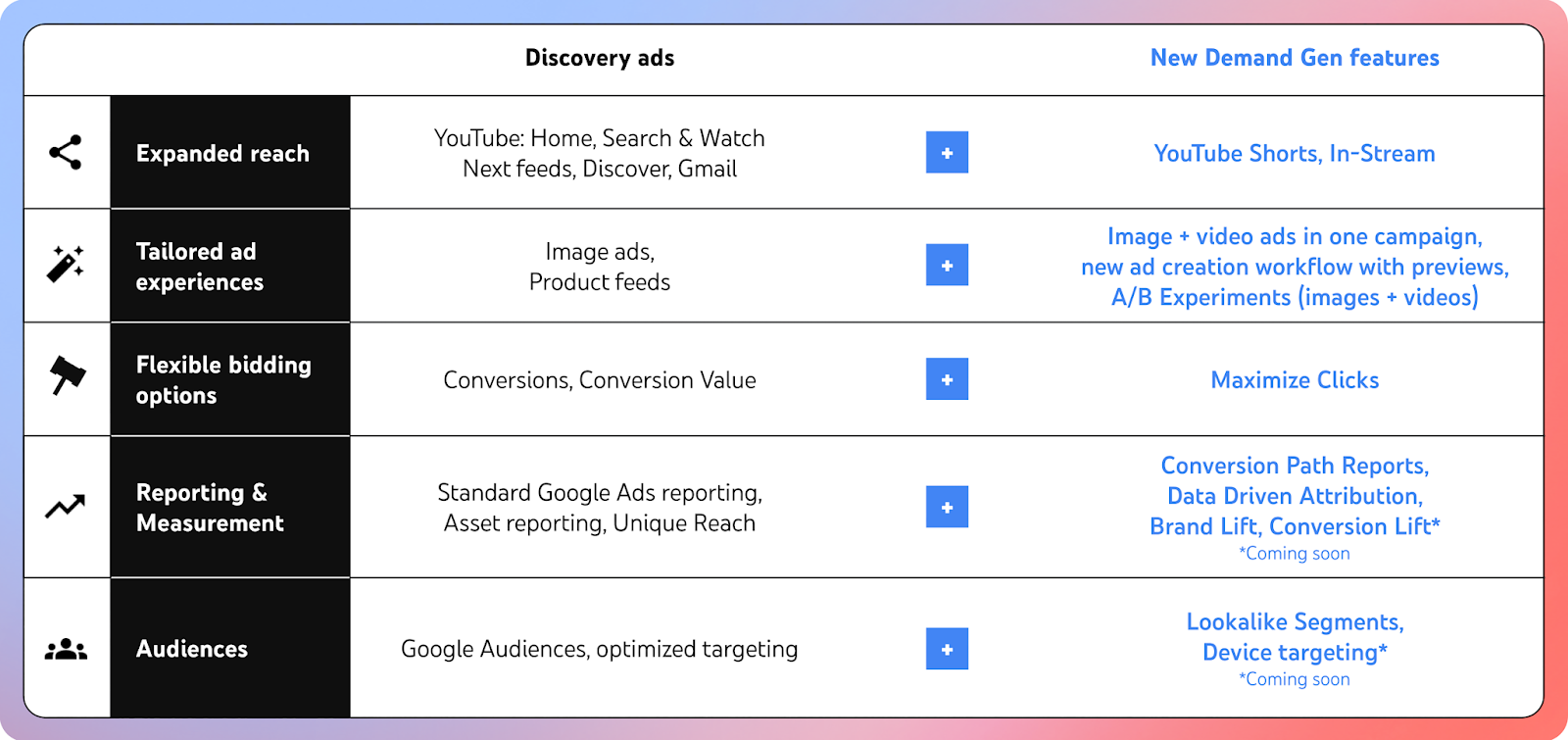
Many advertisers confuse these two campaign types because Demand Gen evolved from Discovery campaigns. Although they share several similarities, Demand Gen includes additional capabilities that improve creative flexibility, audience targeting, and performance optimization.
Google has positioned Demand Gen as the long-term replacement, giving advertisers access to newer AI-powered features and expanded inventory.
Major Differences
Discovery campaigns focused mainly on introducing products through Google’s content feeds. Demand Gen expands that concept by adding more creative options, stronger audience modeling, and enhanced reporting capabilities.
The newer campaign type also supports broader visual storytelling, making it easier for brands to build awareness while encouraging conversions.
Better Creative Options
Visual content strongly influences buying decisions today. Demand Gen supports image ads, videos, carousel ads, and multiple creative combinations that automatically adapt across placements.
This flexibility helps advertisers deliver consistent messaging while allowing Google’s AI to identify the highest-performing assets.
Easier Campaign Migration
Businesses already using Discovery campaigns can transition smoothly into Demand Gen. Google has simplified migration while preserving historical learning wherever possible.
Advertisers should still review audience settings, bidding strategies, and creative assets before launching updated campaigns.
Step-by-Step Demand Gen Setup Guide
Campaign success begins with proper planning rather than simply launching advertisements. Every setting influences how Google’s AI learns, optimizes, and finds potential customers.
Following a structured setup process increases your chances of generating qualified leads and profitable conversions.
Choose the Right Campaign Goal
Start by selecting an objective that matches your business priorities. Google allows advertisers to optimize for sales, website traffic, leads, or brand awareness depending on campaign goals.
Your objective determines how Google’s machine learning evaluates user behavior throughout the campaign lifecycle.
Build High-Quality Audience Signals
Audience signals help Google’s AI understand who your ideal customers are. You can include customer lists, website visitors, custom segments, or users interested in similar products.
Providing strong audience signals improves initial learning while allowing Google’s automation to expand toward similar high-value users.
Create Multiple Creative Assets
Successful campaigns rarely rely on one image or one headline. Upload different visuals, videos, descriptions, and calls to action so Google’s AI can test multiple combinations.
Creative diversity allows the system to identify winning assets while reducing creative fatigue across placements.
Configure Conversion Tracking Correctly
Accurate measurement is essential before spending advertising budget. Connect Google Analytics 4, Google Ads conversion tracking, or other reliable tracking solutions before launching campaigns. Connect Google Analytics 4, Google Ads conversion tracking, or other reliable tracking solutions before launching campaigns.
Without proper tracking, optimization decisions become less reliable and overall performance may suffer.
Creative Best Practices for Google Social Ads 2026
Creative quality often determines whether users stop scrolling and engage with your message. Attractive visuals, authentic messaging, and compelling offers encourage higher engagement across Google’s visual inventory.
Instead of designing advertisements only for clicks, focus on building trust and clearly communicating value from the first impression.
Use Images That Tell a Story
Lifestyle photography generally performs better than overly promotional graphics. Showing real people using your products creates emotional connections and increases audience interest.
Clean layouts, consistent branding, and high-resolution visuals improve credibility while encouraging users to learn more.
Invest in Short Videos
Video continues driving engagement across YouTube and Shorts. Short demonstrations, customer testimonials, and educational clips communicate value quickly without overwhelming viewers.
Keep videos concise, mobile-friendly, and focused on solving a specific customer problem.
Write Headlines That Create Curiosity
Strong headlines encourage users to explore your offer further. Avoid exaggerated claims and instead highlight genuine benefits that matter to your audience.
Simple language, clear value propositions, and relevant messaging usually outperform complicated advertising copy.
Targeting Strategies That Outperform Facebook
Choosing the right audience is often more important than increasing your advertising budget. Google uses first-party data and machine learning to identify people who are more likely to engage with your business. When paired with strong creative assets, these targeting options can produce better-quality traffic and higher conversion rates.
Use Customer Match for Better Personalization
Customer Match allows you to upload your existing customer lists and reconnect with valuable audiences across Google’s platforms. This strategy works well for repeat purchases, loyalty campaigns, and cross-selling opportunities. It also helps Google’s AI understand the characteristics of your ideal customers and discover similar users.
Build Lookalike Audience Segments
Google’s audience expansion features help advertisers reach people who share behaviors and interests with existing customers. Instead of targeting broad demographics alone, machine learning identifies users with a higher probability of converting. This improves campaign reach while maintaining relevance.
Combine Interest Signals with Intent
One of Google’s biggest strengths is blending user interests with buying intent. Someone researching products on YouTube or Discover may soon become an active buyer. Combining these signals allows advertisers to engage potential customers before competitors capture their attention.
Don’t Ignore Remarketing
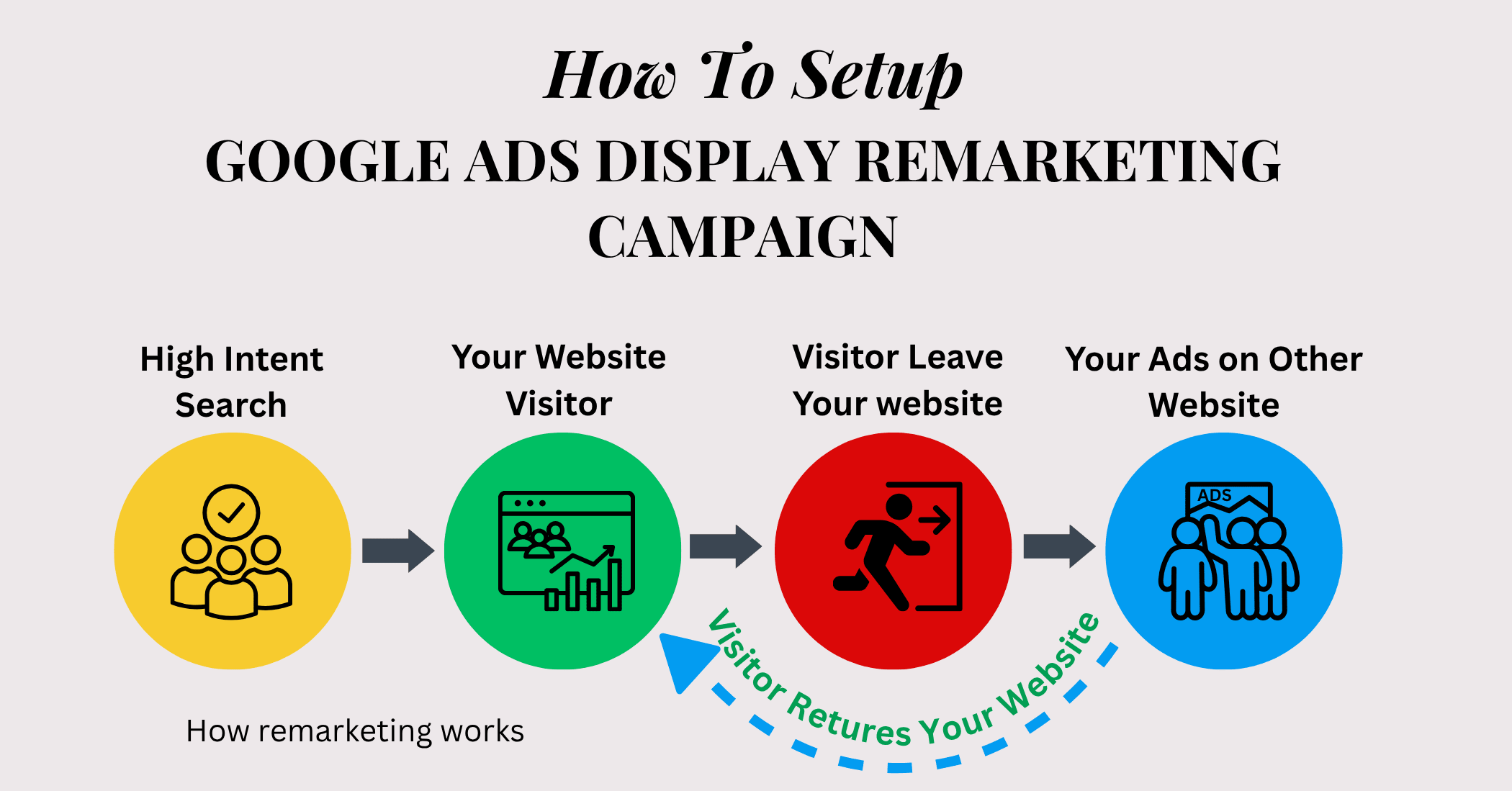
Remarketing remains one of the highest-performing strategies for improving return on ad spend. Showing personalized ads to previous website visitors reminds them about products they viewed or abandoned. A thoughtful remarketing strategy often converts hesitant visitors into paying customers.
Optimization Tips to Improve ROAS
Launching a campaign is only the beginning of successful advertising. Continuous optimization helps campaigns remain profitable as customer behavior and competition change. Small improvements made consistently can significantly increase long-term performance.
Allow the Learning Phase to Finish
Many advertisers make changes too quickly after launching a campaign. Google’s AI requires enough conversion data before making reliable optimization decisions. Avoid editing budgets, targeting, or creatives during the initial learning period unless serious issues appear.
Test Multiple Creative Assets
Every audience responds differently to images, videos, headlines, and calls to action. Uploading several creative variations gives Google’s AI more opportunities to identify winning combinations. Regular creative refreshes also prevent audience fatigue.
Monitor Conversion Quality
High click-through rates look impressive, but quality conversions matter more than traffic alone. Review lead quality, purchase value, and customer lifetime value alongside traditional advertising metrics. These insights help determine whether campaigns are generating real business growth.
Use Smart Bidding Strategically
Automated bidding performs best when supported by accurate conversion tracking and sufficient campaign data. Select bidding strategies that align with your business goals, whether maximizing conversions, target CPA, or target ROAS. Monitor results regularly and adjust objectives as your campaigns mature.
Common Mistakes to Avoid
Even experienced advertisers sometimes overlook small details that affect campaign performance. Avoiding common mistakes can save budget and improve results much faster. Building a strong foundation allows Google’s automation to perform at its best.
Using Low-Quality Creative
Poor visuals, weak headlines, or unclear messaging reduce engagement regardless of targeting quality. Every image and video should communicate value immediately while maintaining consistent branding. Professional creative assets usually deliver stronger long-term performance.
Choosing Broad Audiences Without Signals
Although Google’s AI is powerful, it still benefits from quality audience signals during the learning phase. Starting with highly relevant customer data helps campaigns learn faster and reach qualified users earlier.
Ignoring Conversion Tracking
Without reliable conversion tracking, optimization becomes little more than guesswork. Businesses should verify every important conversion action before increasing advertising spend. Accurate reporting leads to better bidding decisions and stronger return on investment.
Expecting Immediate Results
Demand Gen campaigns improve as Google’s machine learning gathers more data. Expecting instant profitability often leads advertisers to pause campaigns before they have enough time to optimize. Patience and consistent monitoring usually produce better long-term outcomes.
Is Google Demand Gen Better Than Facebook Ads?
There is no universal winner because each platform serves different marketing objectives. However, Google’s expanding visual ecosystem makes Demand Gen an excellent option for businesses seeking diversified advertising channels. Many advertisers now combine both platforms instead of depending on only one.
Best for Ecommerce Brands
Ecommerce businesses benefit from Google’s shopping intent and visual placements. Users often discover products while consuming content and later continue their buying journey through Google Search. This creates a smoother path from awareness to purchase.
Best for Lead Generation
Service-based businesses can generate high-quality leads by combining compelling offers with intelligent audience targeting. Educational content, webinars, consultations, and downloadable resources perform particularly well within Demand Gen campaigns.
Best for Brand Awareness
YouTube, Discover, Gmail, and Shorts provide enormous visibility for businesses wanting to increase recognition. Rich visual formats help brands communicate stories more effectively than text-only advertisements.
When Using Both Platforms Makes Sense
Many successful marketers combine Meta and Google instead of choosing one exclusively. Facebook remains valuable for community engagement and social interactions, while Google excels at combining visual discovery with strong user intent. Together, they create a balanced advertising strategy that reaches customers throughout the buying journey.
Key Takeaways
- Google Demand Gen campaigns help advertisers reach users before they actively search.
- AI-powered optimization improves audience targeting and creative delivery.
- YouTube, Discover, Gmail, and Shorts provide high-quality visual placements.
- Strong audience signals accelerate campaign learning and improve performance.
- High-quality creative assets often influence results more than larger budgets.
- Continuous optimization delivers stronger ROAS over time.
- Combining Google and Meta may outperform relying on one advertising platform.
Conclusion
Google’s advertising ecosystem continues evolving to meet changing customer behaviors and privacy expectations. Demand Gen campaigns combine visual storytelling, machine learning, and first-party audience signals to help businesses build awareness and generate meaningful conversions. As advertising becomes increasingly AI-driven, understanding how these campaigns work will become an important competitive advantage. For more practical digital marketing insights, advertising guides, and business growth strategies, Brandsholder remains a valuable resource for staying ahead of industry trends.
Frequently Asked Questions
1. What are Google Demand Gen campaigns?
Google Demand Gen campaigns are AI-powered advertising campaigns that display visual ads across YouTube, Google Discover, Gmail, and YouTube Shorts to build awareness and generate conversions before users actively search.
2. Can Google Demand Gen campaigns replace Facebook Ads?
They can replace Facebook Ads for some businesses, especially those focused on ecommerce, lead generation, or visual storytelling. However, many advertisers achieve better overall performance by using both platforms together.
3. What is the difference between Demand Gen and Discovery Ads?
Demand Gen campaigns replace Discovery campaigns with improved audience targeting, expanded creative formats, better reporting, and stronger AI-powered optimization.
4. Which businesses benefit most from Demand Gen campaigns?
Ecommerce stores, SaaS companies, local service providers, B2B businesses, education platforms, healthcare organizations, and brands focused on awareness or lead generation can all benefit from Demand Gen campaigns.
5. How long does a Demand Gen campaign take to optimize?
Most campaigns require several days or weeks to complete the learning phase, depending on budget, audience size, and conversion volume. Avoid making frequent changes during this period so Google’s AI can optimize effectively.