
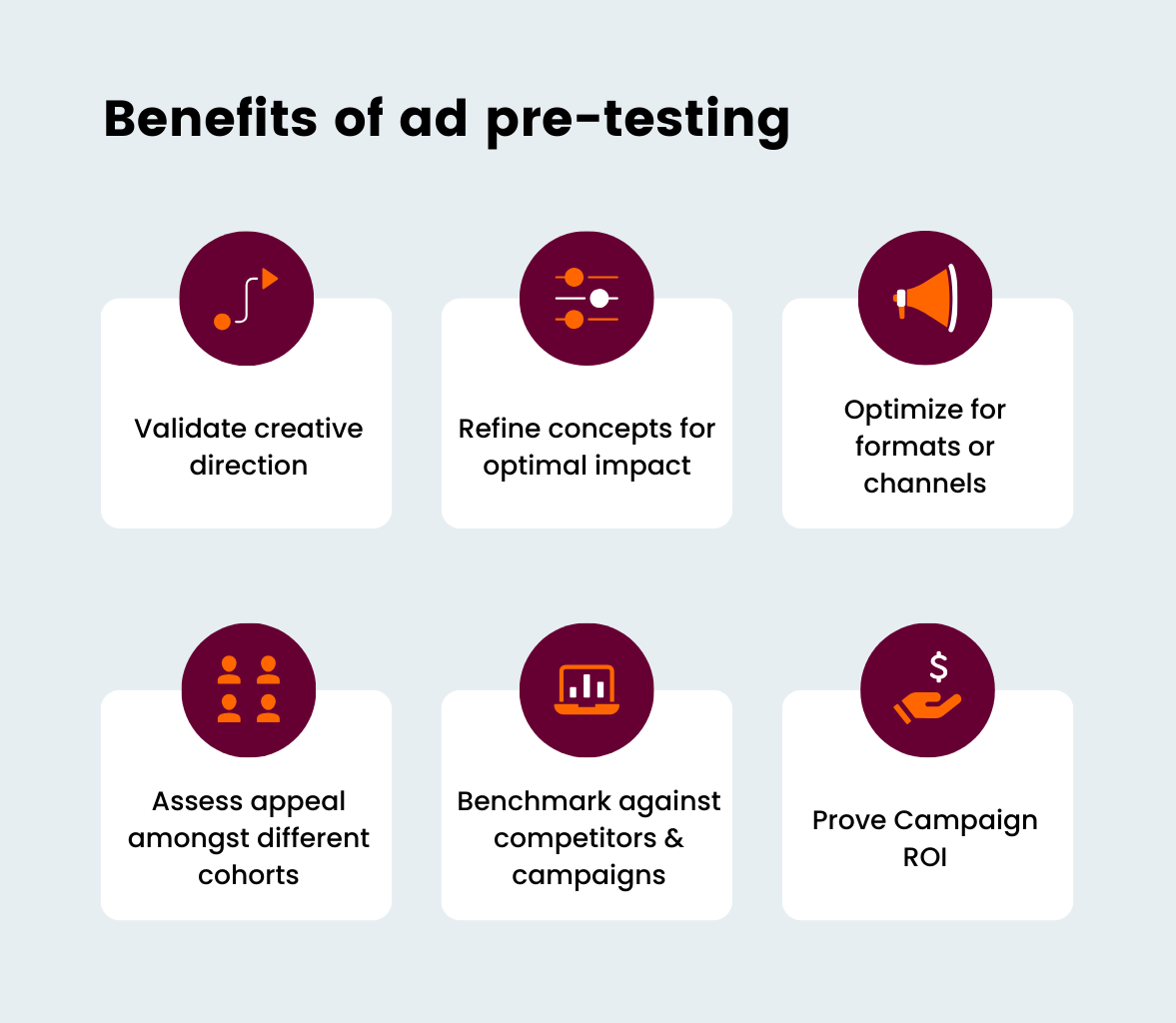
A successful ad creative testing framework combines research, structured experimentation, and continuous optimization. Rather than relying on guesswork, marketers should test one creative variable at a time, monitor meaningful performance metrics, and regularly refresh advertisements to avoid creative fatigue. AI tools can accelerate production and analysis, but human strategy remains essential for understanding customer behavior. Businesses that consistently test, measure, and improve their creatives are more likely to discover winning ads while maximizing advertising return.
Digital advertising has become more competitive than ever, making strong creatives the biggest factor behind campaign success. Many brands spend heavily on ads but fail because they don’t test their creative assets properly. A structured testing process helps marketers discover what resonates with their audience before increasing budgets. This guide explains a practical framework that helps you find winning ads faster while avoiding common mistakes.
What Is Ad Creative Testing 2026?
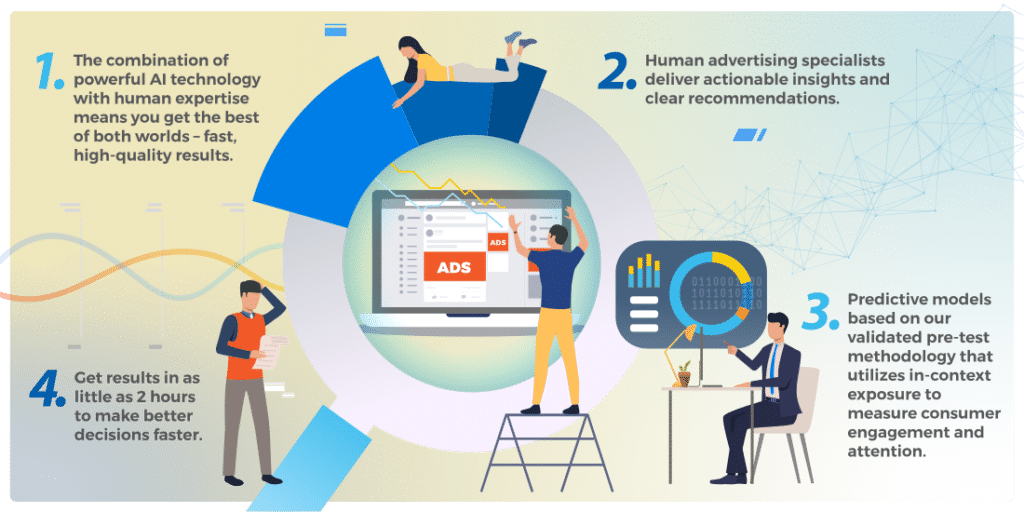
Ad creative testing is the process of comparing different versions of advertisements to identify which one delivers the best results. Instead of relying on assumptions, marketers use real campaign data to determine what captures attention and drives conversions. Ad creative testing 2026 focuses on smarter experimentation, AI-assisted insights, and continuous optimization rather than one-time testing.
Understanding the Basics
Every advertisement contains several creative elements, including visuals, headlines, copy, offers, and calls to action. Testing these elements individually helps you understand which changes improve performance. Rather than guessing what your audience prefers, you make decisions based on measurable results. This approach reduces wasted advertising spend and increases campaign efficiency.
Why Creative Testing Has Changed in 2026
Advertising platforms now use advanced machine learning to optimize campaign delivery automatically. However, algorithms still depend on high-quality creative inputs to perform effectively. Modern marketers must continuously produce and test fresh content because audience preferences change quickly. Keeping creatives updated helps maintain engagement and prevents performance from declining.
Why Many Advertisers Struggle
Many businesses launch only one or two ads and expect immediate success. They often change multiple variables simultaneously, making it impossible to identify what actually influenced performance. Others stop campaigns too early before collecting enough meaningful data. A structured framework eliminates these problems by creating a repeatable testing process.
Why Creative Testing Matters More Than Ever
Successful advertising depends on delivering the right message to the right audience at the right time. Creative quality now influences campaign performance more than audience targeting alone. Regular testing helps marketers adapt to changing trends while keeping acquisition costs under control.
Rising Advertising Costs
Digital advertising costs continue to increase across major platforms. Higher competition means every impression and click becomes more expensive over time. Testing creatives early helps identify stronger advertisements before investing larger budgets. This improves return on investment while reducing unnecessary spending.
AI Has Increased Competition
Artificial intelligence allows businesses to produce creative assets much faster than before. As a result, consumers are exposed to more advertisements every day. Standing out requires original ideas supported by consistent testing and optimization. Brands that experiment regularly often discover high-performing creatives before competitors.
Shorter Creative Lifespans
Even successful advertisements lose effectiveness after repeated exposure. Audiences eventually become familiar with the same visuals and messages, causing engagement to decline. Testing fresh concepts regularly keeps campaigns interesting and prevents creative fatigue. Consistent updates help maintain strong click-through and conversion rates.
Privacy and Platform Changes
Privacy updates, such as those outlined in Meta’s official Business Help Center on privacy changes, have reduced the amount of user tracking available to advertisers. This makes creative quality even more important because strong messaging influences customer decisions directly. Instead of depending solely on targeting, marketers must focus on producing compelling advertisements that connect with broader audiences.
| Traditional Creative Testing | Modern Creative Testing in 2026 |
|---|---|
| Limited ad variations | Multiple creative variations |
| Manual analysis | AI-assisted insights |
| Occasional testing | Continuous optimization |
| Audience-focused strategy | Creative-first strategy |
| Slow iteration | Rapid testing cycles |
The Complete Creative Testing Framework
A successful creative testing framework follows a clear process instead of random experimentation. Each stage builds on previous insights, allowing marketers to improve creative performance over time. Following this framework reduces guesswork and helps teams scale winning campaigns confidently.
Research Before Creating Ads
Great advertisements begin with understanding customer behavior rather than designing graphics first. Study customer reviews, social media comments, competitor ads, and frequently asked questions. These insights reveal common pain points, motivations, and objections that can inspire stronger creative concepts. Better research leads to advertisements that feel more relevant and persuasive.
Build Clear Creative Hypotheses
Every test should answer a specific question instead of changing everything randomly. For example, you may test whether emotional storytelling performs better than product-focused messaging. A clear hypothesis keeps testing organized and simplifies performance analysis. Over time, these learnings create a valuable knowledge base for future campaigns.
Create Multiple Variations
Instead of producing only one advertisement, create several versions that test different creative elements. Keep most variables consistent while changing only one factor at a time. This method allows you to identify exactly what improves campaign performance. Small adjustments often generate surprisingly significant results.
Launch Controlled Tests
When running campaigns, ensure each variation receives a similar budget and audience exposure. Consistent testing conditions produce more reliable performance comparisons. Avoid making major edits while tests are still active because this can affect the accuracy of results. Patience is essential when collecting meaningful campaign data.
Analyze Results Carefully
Performance should be evaluated using more than just click-through rates. Consider conversion rate, cost per acquisition, return on ad spend, and engagement quality together. Looking at multiple metrics provides a complete picture of creative effectiveness. Data-driven decisions consistently outperform personal opinions.
Improve and Repeat
Finding one successful advertisement is only the beginning of the optimization process. Use winning creatives as inspiration for future variations instead of copying them exactly. Continuous experimentation helps marketers stay ahead of changing audience preferences. The best-performing advertisers never stop testing new ideas.
How to Test Ad Creatives Effectively
Learning how to test ad creatives correctly saves time, budget, and effort. A structured approach helps you identify the exact elements influencing campaign performance. Focus on testing one variable at a time to make your results easier to understand and apply.
Test Hooks First
The opening seconds or first line determine whether people continue watching or scrolling. Experiment with different questions, bold statements, surprising facts, and customer pain points. A stronger hook often leads to higher engagement throughout the advertisement. Improving the first impression usually delivers the biggest performance gains.
Test Headlines and Ad Copy
Headlines communicate your value proposition quickly. Try benefit-driven headlines, curiosity-based messaging, and problem-solving statements to discover what resonates most. Keep the remaining ad copy consistent while testing headlines for accurate comparisons. Small wording changes can significantly improve click-through rates.
Compare Visual Styles and CTAs
Different audiences respond differently to videos, images, animations, and user-generated content. Test various call-to-action phrases without changing other creative elements. This method helps identify combinations that generate better engagement and conversions. Consistent testing reveals patterns you can reuse in future campaigns.
Facebook Ad Testing Best Practices
Facebook ad testing remains one of the most effective ways to optimize paid campaigns because Meta’s platform provides detailed performance insights. Following best practices ensures your testing produces reliable and actionable data our full breakdown of Meta Ads covers platform-specific benchmarks worth reviewing alongside this framework. Avoid rushing decisions before enough impressions and conversions have been collected.
Organize Campaign Structure
Keep campaigns simple by grouping similar creatives together. This organization makes reporting easier and prevents unnecessary complexity. Clear campaign structures also improve collaboration among marketing teams.
Allocate Budget Wisely
Start with modest budgets to gather performance data without overspending. Once a creative consistently performs well, gradually increase investment instead of scaling immediately. This strategy minimizes risk while maintaining campaign stability.
Monitor the Right Metrics
Avoid judging success using clicks alone. Evaluate CTR, CPA, ROAS, conversion rate, engagement, and retention together for a balanced assessment. Strong creative performance should contribute to meaningful business outcomes rather than vanity metrics our Google Analytics vs Matomo comparison can help you track these metrics accurately across campaigns.
Winning Ad Formula for 2026
There is no universal advertisement that succeeds every time, but most high-performing campaigns follow similar principles. A repeatable winning ad formula helps marketers create stronger concepts before testing begins. The framework below provides a reliable starting point.
| Ad Element | Purpose |
|---|---|
| Strong Hook | Capture attention immediately |
| Customer Problem | Show audience understanding |
| Clear Solution | Present your product naturally |
| Social Proof | Build trust and credibility |
| Strong CTA | Encourage immediate action |
Focus on Customer Benefits
Instead of listing product features, explain how those features solve real problems. Customers respond better when they clearly understand the value they receive. Benefit-focused messaging often improves conversions across different advertising platforms.
Build Trust Quickly
Testimonials, customer reviews, awards, and measurable results increase confidence. Trust reduces hesitation during the buying process. Authentic proof usually performs better than exaggerated marketing claims.
Metrics That Actually Matter
Successful creative testing depends on tracking meaningful performance indicators rather than isolated numbers. Combining several metrics gives a clearer picture of overall campaign health. Data should always guide optimization decisions.
Essential Performance Metrics
The most valuable metrics include:
- Click-Through Rate (CTR)
- Cost Per Acquisition (CPA)
- Return on Ad Spend (ROAS)
- Conversion Rate
- Thumb Stop Rate
- Hook Rate
- Video Hold Rate
- Engagement Rate
Each metric highlights a different stage of customer interaction. Together they reveal where improvements are needed.
Common Creative Testing Mistakes
Even experienced marketers make testing mistakes that slow campaign growth. Avoiding these errors improves both efficiency and advertising performance. Consistency often matters more than complexity.
Testing Too Many Variables
Changing headlines, visuals, offers, and audiences simultaneously makes results difficult to interpret. Test one major variable at a time for reliable insights. Controlled experiments produce clearer conclusions.
Ending Tests Too Early
Campaigns need sufficient data before meaningful decisions can be made. Stopping advertisements after only a few clicks often leads to incorrect conclusions. Patience produces more dependable optimization decisions.
Ignoring Creative Fatigue
Winning ads eventually lose effectiveness after repeated exposure. Refresh creatives regularly by introducing new visuals, messaging, or formats. Continuous iteration keeps campaigns performing at their best.
AI Tools That Improve Creative Testing in 2026
Artificial intelligence now supports marketers throughout the creative development process. AI speeds production while helping teams generate more testing ideas. Human creativity combined with AI delivers the strongest results.
AI Copy Generation
Modern AI writing assistants generate multiple headline and copy variations within minutes. These variations provide fresh testing opportunities without replacing human strategy. Final messaging should always be reviewed for accuracy and brand consistency for a closer look at leading AI writing tools, our ChatGPT vs Jasper AI comparison breaks down which performs better for ad copy generation.
AI Creative Analysis
Several marketing platforms predict creative performance using historical campaign data. These insights help prioritize stronger concepts before launching paid campaigns. Predictive analysis reduces unnecessary experimentation while improving efficiency.
Step-by-Step Weekly Creative Testing System
A consistent weekly process prevents creative testing from becoming disorganized. Simple routines make continuous improvement easier for individuals and marketing teams alike.
Weekly Testing Workflow
| Day | Primary Task |
|---|---|
| Monday | Customer research and idea generation |
| Tuesday | Produce new creative variations |
| Wednesday | Launch controlled tests |
| Thursday | Analyze early performance data |
| Friday | Scale winners and document insights |
Following a structured schedule builds long-term marketing knowledge. Over several months, these insights become one of your strongest competitive advantages.
Key Takeaways
- Build every campaign around a structured creative testing framework.
- Test one variable at a time for accurate performance insights.
- Measure success using CTR, CPA, ROAS, and conversion rate together.
- Refresh creatives regularly to prevent audience fatigue.
- Use AI as a productivity tool while keeping customer insights at the center.
- Scale only after collecting statistically meaningful performance data.
Conclusion
Finding winning advertisements is no longer about luck it is about following a repeatable process. Businesses that invest in research, test creatives systematically, and optimize based on real performance data consistently outperform competitors. By combining strategic experimentation with continuous improvement, marketers can reduce wasted ad spend and increase long-term campaign success. For professionals who want to stay ahead of evolving digital marketing trends and practical advertising strategies, Brandsholder is a valuable resource for industry insights and business-focused content.
Frequently Asked Questions
1. What is ad creative testing?
Ad creative testing is the process of comparing different versions of advertisements to identify which creative elements produce the best campaign performance.
2. How many ad creatives should I test at once?
Most marketers begin with three to five creative variations while changing only one major variable at a time for accurate results.
3. Which metric is most important during creative testing?
There is no single metric. CTR, CPA, ROAS, conversion rate, and engagement should all be evaluated together for better decision-making.
4. How often should I refresh my ad creatives?
Refreshing creatives every few weeks, or whenever performance starts declining, helps prevent creative fatigue and maintains audience engagement.
5. Can AI replace human creative testing?
No. AI can generate ideas, automate analysis, and improve efficiency, but human creativity and strategic thinking remain essential for producing high-performing advertisements.