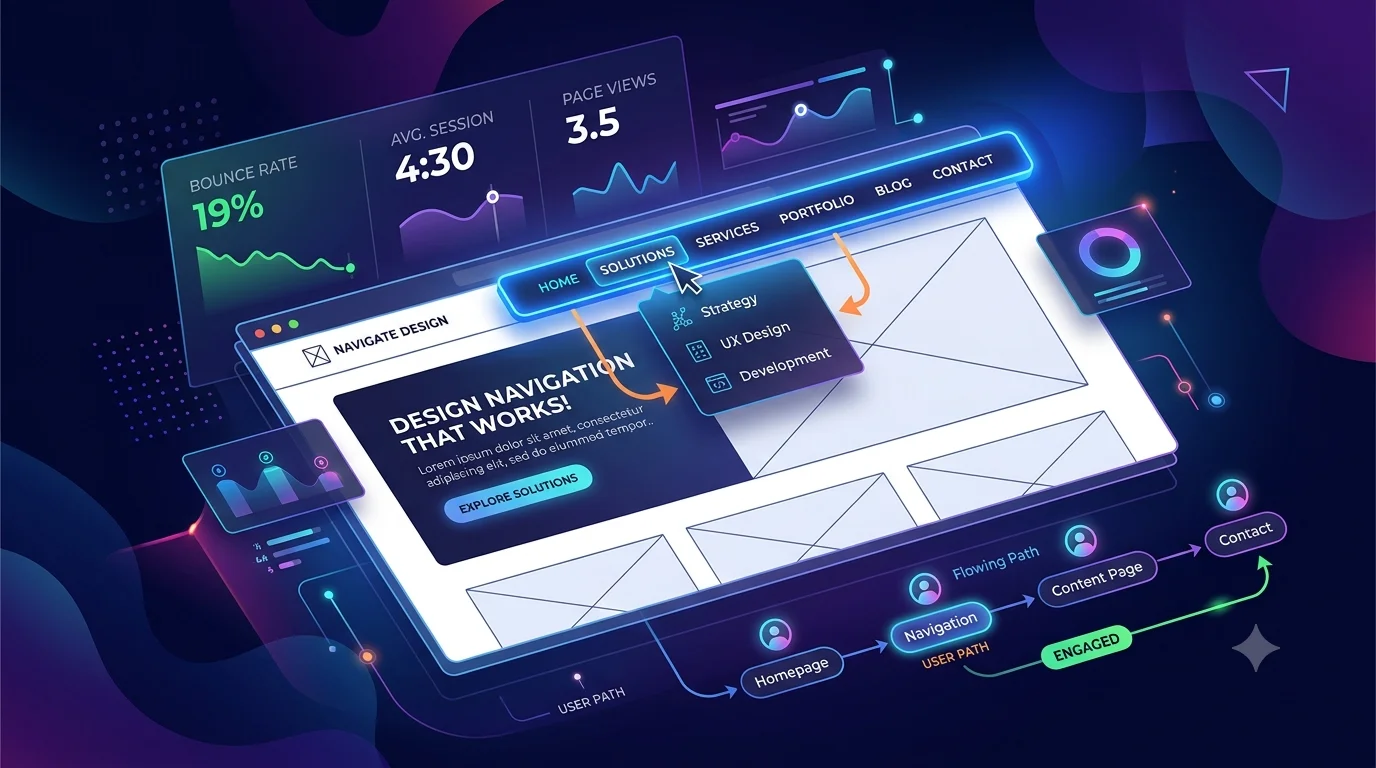
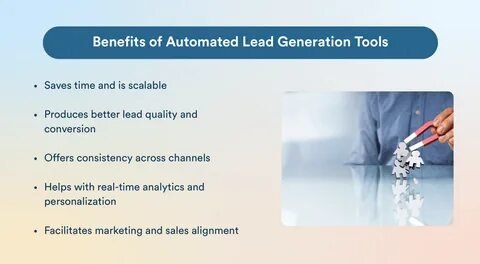
A blog becomes a lead generation machine when it combines useful content with conversion-focused strategies. Businesses should create audience-focused articles, use relevant lead magnets, optimize CTAs, build trust, and track important metrics. Instead of focusing only on traffic, successful blogs guide readers through a journey that turns visitors into qualified leads and customers.
Introduction:
Many businesses spend months creating blog content but still struggle to generate customers. Getting thousands of visitors feels exciting, yet traffic without conversions rarely creates real business growth. A successful blog lead generation strategy focuses on turning readers into subscribers, prospects, and eventually paying customers.
Your blog should not only answer questions but also guide visitors toward meaningful actions. When optimized correctly, your content can become a consistent source of qualified business opportunities. The goal is simple: attract the right audience, build trust, and create a clear path toward conversion.
What Is a Blog Lead Generation Strategy?
A blog lead generation strategy is a planned approach that uses blog content to attract potential customers and collect their information. Instead of publishing articles only for search rankings, businesses create content designed around user needs, buying stages, and conversion opportunities.
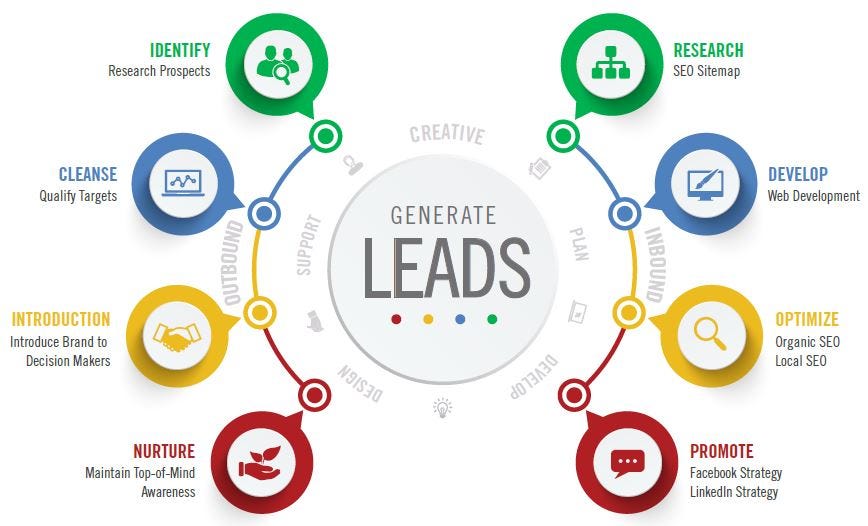
A strong strategy connects SEO, content marketing, and customer journeys together. It helps businesses capture leads through valuable resources, email subscriptions, consultations, product trials, or other conversion points.
Traffic vs Qualified Leads
Website traffic shows how many people visit your blog, but it does not always represent business value. A visitor who reads an article and leaves creates awareness, while a visitor who downloads a guide or requests information becomes a potential lead.
Qualified leads are people who have a genuine interest in your products or services. They match your target audience and are more likely to move through your sales process.
The difference between traffic and leads is the difference between attention and opportunity. Businesses should focus on attracting visitors who have problems their solutions can solve.
Why Businesses Need More Than Pageviews
Pageviews are useful for measuring reach, but they cannot determine revenue growth. A blog designed only for clicks often misses opportunities to connect with potential customers.
Modern businesses need content that supports the entire buyer journey. Educational articles should introduce problems, explain solutions, and encourage readers to take the next step.
A conversion-focused blog creates relationships before asking for sales. This approach improves trust and helps companies build stronger customer connections.
Why Most Blogs Fail to Generate Leads
Many blogs receive organic traffic but fail to produce inquiries or sales. The main reason is that content creators often focus on rankings instead of conversion experiences.
A successful blog requires more than keyword optimization. It needs clear goals, valuable offers, strategic placement of CTAs, and an understanding of customer behavior.
Publishing Without Search Intent
One common mistake is creating content without understanding what users actually want. Articles may rank for keywords but fail to answer important questions or solve real problems.
Search intent helps businesses create content that matches visitor expectations. When readers find exactly what they need, they are more likely to trust the brand. Content should address different stages of the buying journey, including awareness, consideration, and decision-making. Understanding what your audience is actually searching for starts with solid SEO fundamentals, our guide on how SEO helps businesses rank on Google explains the connection between search intent and visibility.
Weak Call-to-Actions
A blog without effective calls-to-action often loses valuable opportunities. Readers may enjoy an article but leave because they do not know what action to take next.
A strong blog cta strategy guides visitors naturally toward useful resources or business conversations. CTAs should feel helpful rather than disruptive.
Examples of effective CTA actions include:
- Downloading a free guide
- Joining an email newsletter
- Booking a consultation
- Starting a product trial
- Requesting a quote
The best CTAs match the content topic and provide immediate value.
No Lead Magnet
A lead magnet is a valuable resource offered in exchange for visitor information. It gives readers a reason to continue the relationship beyond a single blog visit. Businesses can create different lead magnets depending on their audience needs.
| Audience Type | Effective Lead Magnet |
|---|---|
| Beginners | Beginner guides and checklists |
| Professionals | Templates and industry reports |
| Buyers | Free consultations and demos |
| Subscribers | Exclusive newsletters and resources |
A useful lead magnet helps businesses collect emails while providing genuine value to users.
Poor User Journey
Many blogs publish great content but fail to guide readers toward conversion. Visitors should have a clear path from learning to taking action.
Internal links, related articles, and strategic CTAs help create this journey. Each page should support the next step in the customer experience. A well-planned content funnel turns random visitors into engaged prospects.
Build a Blog Lead Generation Strategy Step by Step
Creating a successful blog funnel requires planning and consistent optimization. Businesses need to understand their audience, create valuable content, and provide conversion opportunities.

The best-performing blogs combine helpful information with strategic marketing systems. They educate readers while quietly moving them closer to becoming customers.
Know Your Ideal Customer
Understanding your audience is the foundation of effective lead generation. Before writing content, businesses should identify customer challenges, goals, and buying behaviors.
Audience research helps create articles that feel personalized and relevant. Readers are more likely to engage when content directly addresses their concerns.
Important customer details include:
- Common problems
- Search behavior
- Industry challenges
- Desired outcomes
- Buying objections
When content connects with real needs, conversions become easier.
Create Bottom-of-Funnel Content
Not every blog visitor is ready to buy immediately. However, bottom-of-funnel content targets users who are closer to making decisions.
These articles often include comparisons, reviews, case studies, pricing explanations, and solution-focused guides. They attract visitors with stronger purchase intent.
This type of content helps businesses generate blog to business leads by connecting educational content with commercial decisions. If you’re building comparison or review-style content to target these high-intent readers, our roundup of best content marketing blogs shows examples worth modeling.
Align Content With Buyer Journey
A successful blog covers every stage of the customer journey. Some readers need basic education, while others need proof before purchasing.
A balanced content strategy includes:
| Buyer Stage | Content Type |
|---|---|
| Awareness | Educational guides and how-to articles |
| Consideration | Comparisons and solution articles |
| Decision | Case studies, demos, and service pages |
This approach helps businesses nurture visitors naturally. It also improves the chances of turning readers into long-term customers.
Turning Blog Traffic Into Business Leads
A blog can become a powerful customer acquisition channel when every piece of content has a clear purpose. Businesses that successfully generate leads from blogs focus on creating valuable experiences instead of simply chasing visitors. A strong content system helps readers move from awareness to action.
The process requires consistent optimization, testing, and understanding user behavior. When done correctly, blogging becomes a reliable source of opportunities rather than just an online publishing activity.
How to Convert Blog Readers Into Clients
Turning readers into customers requires more than writing helpful articles. Businesses need to build trust, demonstrate expertise, and create simple conversion paths throughout the website.
A visitor usually does not become a customer after reading one article. They need multiple interactions that prove your brand understands their needs and can provide the right solution.
Add Contextual CTAs
Contextual CTAs are placed naturally inside content where readers are most likely to take action. Unlike generic buttons, these CTAs connect directly with the topic being discussed.
For example, an article about marketing mistakes could offer a free marketing checklist. This makes the offer relevant and increases conversion chances.
A strong CTA should:
- Match the article topic
- Provide clear value
- Use action-focused language
- Appear at the right moment
Effective CTA placement improves user experience and helps convert blog readers clients without creating pressure.
Create Irresistible Lead Magnets
A valuable lead magnet gives visitors a reason to share their contact information. It should solve a specific problem quickly and provide useful information.
Common lead magnet examples include:
- Industry reports
- Free templates
- Step-by-step guides
- Checklists
- Webinars
- Free tools
The best lead magnets are connected to your products or services. They attract people who are more likely to become future customers.
Use Trust Signals
Trust plays a major role in converting visitors into buyers. People want proof that a business has experience and can deliver results. Adding trust signals improves credibility and supports EEAT principles.
Useful trust elements include:
- Customer testimonials
- Case studies
- Expert author profiles
- Client results
- Industry certifications
- Real examples
A trustworthy blog creates stronger relationships with potential customers.
Optimize Landing Pages
A blog visitor should move smoothly from content to conversion. Landing pages should clearly explain the offer and make the next step simple. Avoid overwhelming users with too many options. A focused landing page improves conversions by keeping attention on one goal.
The Best Blog CTA Strategy
A successful blog cta strategy focuses on helping readers take valuable next steps. CTAs should feel like a natural continuation of the content rather than a sales interruption. Different audiences respond to different CTA formats. Testing placement, wording, and design helps identify what works best.
CTA Placement
CTA location can significantly affect conversion rates. Placing offers strategically ensures visitors see them when interest is highest.
| CTA Location | Best Use |
|---|---|
| Introduction | Capture highly interested readers |
| Middle of article | Offer related resources |
| End of article | Encourage final action |
| Sidebar | Promote evergreen offers |
| Pop-up | Capture leaving visitors |
Businesses should test different placements to improve performance.
CTA Copywriting
The wording of a CTA influences whether users click. Generic phrases like “Submit” or “Click Here” usually perform poorly because they lack motivation.
Better CTA examples include:
- Get Your Free Strategy Guide
- Download the Complete Checklist
- Start Your Free Consultation
- Receive Expert Tips Weekly
Clear and benefit-focused language encourages action.
Sticky CTAs and In-Content Offers
Sticky CTAs remain visible while users scroll through content. They can be effective when used carefully because they keep conversion opportunities accessible.
In-content offers work well because they appear when readers are already engaged. The key is maintaining balance and avoiding a disruptive experience.
How to Monetize Your Blog With Leads
Many bloggers focus on advertisements or affiliate income, but a blog can generate much greater value through qualified leads. Learning how to monetize blog with leads allows businesses to create long-term revenue opportunities.
Lead-based monetization focuses on building relationships with potential customers. These relationships can result in service bookings, product purchases, or recurring business.
Service-Based Businesses
Consultants, agencies, and freelancers can use blogs to attract clients by demonstrating expertise.
Educational content answers customer questions before sales conversations begin. This builds authority and reduces buying hesitation.
SaaS Companies and Ecommerce Brands
Software companies can generate leads through free trials, demos, and educational resources. Ecommerce brands can use blogs to recommend products and collect customer information.
Helpful content creates trust while guiding visitors toward purchase decisions.
Measuring Blog Lead Generation Performance
Tracking the right metrics helps businesses understand whether their content strategy works. Traffic numbers alone cannot show whether a blog contributes to business growth.
A complete measurement system focuses on engagement, conversions, and revenue impact.
| Metric | What It Measures |
|---|---|
| Conversion Rate | Percentage of visitors becoming leads |
| Email Signups | Audience growth |
| Lead Quality | Potential customer value |
| Sales Pipeline | Revenue opportunities |
| Cost Per Lead | Marketing efficiency |
Regular analysis helps identify successful content and areas needing improvement.
Common Blog Lead Generation Mistakes
Even high-quality blogs can struggle when conversion strategies are missing. Avoiding common mistakes improves performance and creates better user experiences.
Too Many CTAs
Adding multiple competing CTAs can confuse visitors. Each article should have a clear primary action.
Generic Offers
A general offer may attract fewer qualified leads. Specific resources usually perform better because they solve focused problems.
Ignoring Analytics
Without tracking performance, businesses cannot understand what content generates results. Analytics reveal which pages attract valuable visitors. To properly track which pages drive conversions, comparing platforms like in our Google Analytics vs Matomo guide can help you choose the right analytics setup.
Poor Mobile Experience
Many users access blogs through mobile devices. Slow pages and difficult navigation can reduce conversions significantly.
Key Takeaways
- A blog should generate opportunities, not just website traffic.
- A strong blog lead generation strategy connects content with customer needs.
- Relevant CTAs and lead magnets improve conversion rates.
- Trust signals help readers feel confident about choosing a brand.
- Measuring conversions is more important than tracking pageviews alone.
- Consistent optimization turns blogs into reliable business assets.
Conclusion
A successful blog is more than a collection of articles; it is a system designed to attract, educate, and convert potential customers. Businesses that focus on valuable content, strategic CTAs, and personalized experiences can transform ordinary traffic into meaningful growth.
Building a strong lead generation process takes time, but the results can create a sustainable source of customers. Brands looking to improve their content performance can use platforms like Brandsholder to strengthen their digital presence, improve brand visibility, and support stronger audience connections.
Frequently Asked Questions
1. What is a blog lead generation strategy?
A blog lead generation strategy is a planned method of using blog content to attract visitors, collect leads, and convert readers into potential customers through offers, CTAs, and marketing funnels.
2. How can I generate leads from my blog?
You can generate leads by creating valuable content, adding relevant CTAs, offering lead magnets, building email lists, and connecting blog topics with customer needs.
3. Can a small business use blogging to get customers?
Yes, small businesses can use blogs to build authority, attract organic traffic, answer customer questions, and generate qualified business inquiries.
4. What type of blog content generates the most leads?
Content that solves customer problems usually performs best. Examples include how-to guides, comparisons, case studies, tutorials, and solution-focused articles.
5. How long does it take for a blog to generate leads?
The timeline depends on content quality, SEO performance, audience size, and conversion strategy. Consistent optimization usually creates stronger results over time.