AI-powered chatbots have become essential tools for businesses looking to qualify leads efficiently in 2026. Instead of relying on static forms, intelligent bots engage visitors in natural conversations, identify buying intent, score prospects, and automatically route qualified leads to the appropriate sales representatives. When combined with CRM integration, personalization, analytics, and continuous optimization, chatbot marketing improves customer experience while increasing conversion opportunities. Businesses that invest in conversational AI today are better positioned to build stronger customer relationships and grow sustainably in the years ahead.
Businesses no longer rely only on forms or email sign-ups to collect leads. Modern AI chatbots can greet visitors, answer questions, and identify high-quality prospects at any time of the day. This shift has made chatbot lead qualification 2026 an essential strategy for companies that want faster responses and higher conversion rates. In this guide, you’ll learn how AI bots qualify leads, improve customer experiences, and support smarter marketing decisions without replacing human sales teams.
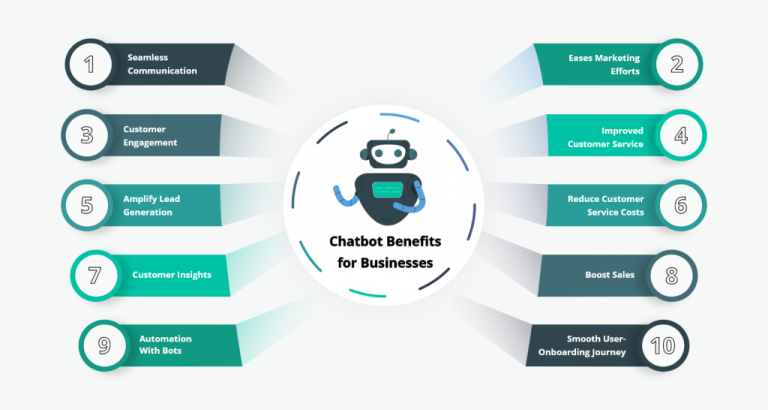
What Is Chatbot Lead Qualification in 2026?
Lead qualification is the process of identifying whether a visitor is likely to become a paying customer. AI chatbots now perform this task automatically by asking relevant questions and analyzing responses in real time. Modern AI delivers faster conversations while reducing manual sales workload significantly today. Instead of collecting basic contact details, intelligent bots understand user intent and guide visitors toward the next appropriate action.
How AI Has Changed Website Conversations
Traditional chatbots followed simple scripts and often frustrated visitors when questions became complex. Today’s conversational AI understands natural language, remembers context, and provides personalized responses based on user behavior. Visitors now expect instant answers instead of waiting hours for replies. This creates smoother conversations that feel more human while improving trust and engagement.
Why Businesses Are Replacing Traditional Lead Forms
Static forms ask every visitor the same questions regardless of their needs. AI chatbots adjust conversations dynamically, making interactions feel more relevant and helpful. Personalized conversations increase engagement and encourage visitors to share accurate information naturally. Businesses also benefit by collecting richer customer insights before handing leads to sales representatives.
How AI Chatbots Qualify Leads Automatically
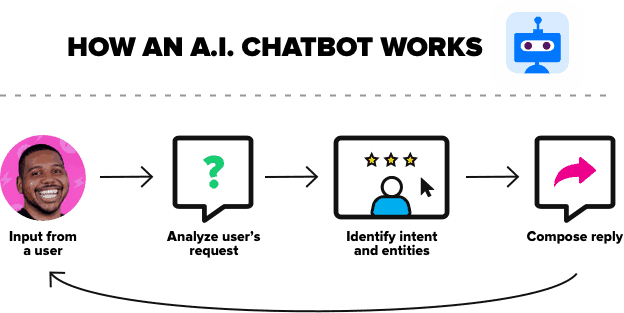
AI-powered bots gather information through natural conversations rather than long forms. They evaluate responses, compare them against qualification criteria, and determine whether the visitor is ready for sales or needs additional nurturing. Smart automation improves efficiency without sacrificing the customer experience at all. This process helps marketing teams focus on qualified opportunities instead of sorting through every inquiry manually.
Asking Smart Qualification Questions
Effective chatbots ask questions that reveal customer needs without overwhelming visitors. They may ask about company size, budget, business goals, or preferred solutions depending on the industry. Relevant questions create meaningful conversations while keeping visitors interested throughout the journey. The chatbot adapts follow-up questions according to each response, making the experience more personalized.
Understanding Buyer Intent
Not every website visitor is ready to purchase immediately. AI analyzes browsing behavior, conversation history, and user responses to estimate buying intent. Intent signals help businesses prioritize prospects with higher purchasing potential first. Sales teams receive better-qualified leads while marketing continues nurturing early-stage visitors through automated follow-up campaigns.
AI-Powered Lead Scoring
Lead scoring assigns values based on customer behavior and qualification responses. Modern AI models consider multiple factors instead of relying on a single action. Accurate scoring allows sales representatives to contact promising leads much faster. This intelligent system improves efficiency while reducing time spent on low-value prospects.
Routing Qualified Leads to Sales Teams
Once the chatbot identifies a qualified prospect, it automatically sends the information to the correct salesperson or CRM system. This removes unnecessary delays and ensures quick follow-up. Fast responses significantly improve customer satisfaction and overall conversion opportunities every single day. Businesses can also schedule meetings directly within the chatbot conversation.
| Traditional Lead Forms | AI Chatbot Qualification |
|---|---|
| Static questions | Dynamic conversations |
| Manual review | Automated qualification |
| Delayed follow-up | Instant routing |
| Limited personalization | Personalized interactions |
| Lower engagement | Higher engagement |
| Basic customer data | Rich customer insights |
Building an Effective Chatbot Marketing Strategy
A successful chatbot marketing strategy begins with understanding customer goals rather than focusing only on technology. Businesses should design conversations that educate visitors, answer questions, and guide them naturally through the buying journey. Clear planning produces better conversations and stronger business outcomes over time consistently. Continuous testing also helps improve chatbot performance as customer expectations evolve.
Defining Qualification Criteria
Before launching a chatbot, determine which characteristics make someone a qualified lead. These may include industry, company size, purchasing authority, budget, or urgency. Clear qualification rules improve chatbot accuracy and sales productivity across departments. When criteria remain consistent, both marketing and sales teams benefit from better collaboration.
Personalizing Conversations
Personalization makes chatbot interactions feel helpful instead of robotic. AI can greet returning visitors, recommend relevant resources, and tailor conversations according to browsing behavior. Customers appreciate personalized recommendations because they solve problems much more efficiently. This approach builds stronger relationships while increasing trust in the brand.
Integrating CRM and Marketing Automation
Connecting chatbots with CRM platforms ensures every qualified lead reaches the right destination automatically. Marketing automation tools can also trigger follow-up emails, appointment reminders, or educational content after the conversation ends. Integrated systems create seamless workflows that reduce manual administrative work considerably. This allows teams to focus on building customer relationships rather than managing repetitive tasks.
Multi-Channel Conversational Marketing
Modern businesses interact with customers across websites, messaging apps, and social media platforms. AI chatbots can provide consistent experiences regardless of where conversations begin. Consistent messaging strengthens brand trust and improves customer engagement across channels. This unified approach supports conversational marketing 2026 by delivering personalized communication throughout the customer journey.
Best Use Cases for AI Chatbot Leads
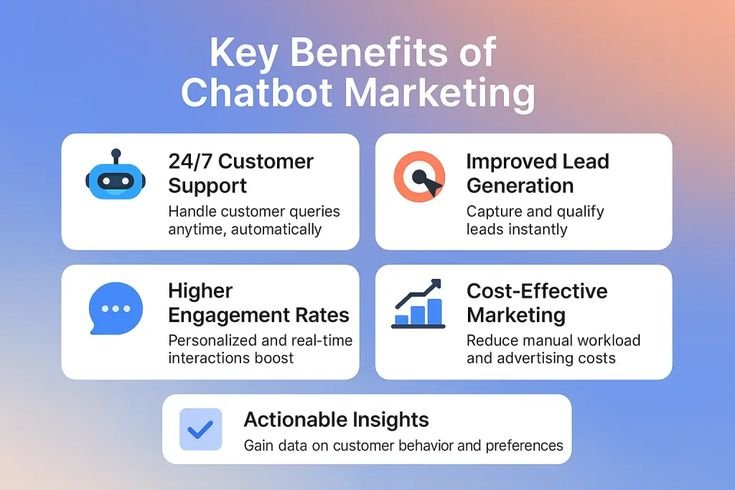
AI-powered chatbots benefit businesses across different industries because they handle repetitive conversations while collecting valuable customer information. They improve response times, reduce workload, and help organizations engage visitors even outside business hours. Every industry gains measurable value from intelligent chatbot conversations and automation capabilities. The following examples highlight where AI chatbots create the greatest impact.
SaaS Companies
Software companies often receive questions about pricing, product features, and free trials. AI chatbots answer these questions instantly while identifying decision-makers and routing qualified prospects to sales teams. This shortens the buying cycle and improves demo booking rates.
eCommerce Stores
Online retailers use AI chatbot leads strategies to recommend products, answer shipping questions, recover abandoned carts, and guide shoppers toward purchases. Personalized recommendations also increase average order value while improving customer satisfaction.
Best Use Cases for AI Chatbot Leads
B2B Service Businesses
B2B companies often deal with longer sales cycles and more detailed customer requirements. AI chatbots can ask about business size, project goals, budget, and timelines before passing qualified prospects to the sales team. Qualified conversations help sales teams close deals more efficiently every single day. This approach saves time while allowing representatives to focus on high-value opportunities.
Local Businesses
Local service providers such as clinics, law firms, real estate agencies, and repair companies can use AI chatbots to answer common questions and book appointments. Visitors receive instant support instead of waiting for office hours. Fast responses improve customer confidence and increase appointment booking rates consistently. The chatbot can also collect contact details for future follow-up campaigns.
Measuring Success and Optimizing Performance
Launching a chatbot is only the beginning of a successful conversational marketing program. Regular monitoring helps businesses understand what works and where conversations need improvement. Continuous optimization produces stronger results and better customer experiences over time. Reviewing analytics also ensures the chatbot continues meeting changing customer expectations.
Key Metrics to Track
Businesses should monitor metrics that directly reflect lead quality and customer engagement. Conversion rate, qualified leads, average response time, conversation completion rate, and meeting bookings provide valuable insights. Reliable performance metrics support smarter marketing decisions and continuous improvement efforts. These numbers reveal whether the chatbot contributes to business growth.
| Metric | Why It Matters | Optimization Tip |
|---|---|---|
| Conversion Rate | Measures visitor-to-lead success | Improve chatbot opening message |
| Qualified Leads | Tracks lead quality | Refine qualification questions |
| Response Time | Shows chatbot efficiency | Reduce unnecessary conversation steps |
| Engagement Rate | Indicates conversation quality | Personalize chatbot responses |
| Meeting Bookings | Measures sales readiness | Offer scheduling during chats |
A/B Testing Chatbot Conversations
Different greetings, questions, and call-to-action messages produce different results. Testing multiple conversation flows helps identify which approach keeps visitors engaged the longest. Small conversation improvements often create significant increases in qualified lead generation. Continuous testing should become part of every chatbot marketing strategy.
Improving Qualification Accuracy
Customer behavior changes over time, so chatbot conversations should evolve as well. Review transcripts regularly to identify confusing questions or missed opportunities. Regular updates help AI deliver increasingly relevant customer conversations and recommendations. Businesses that optimize frequently often see better conversion rates than those using static chatbot scripts.
Common Mistakes to Avoid
Even the most advanced AI chatbot requires thoughtful planning and regular maintenance. Avoiding common mistakes helps create better customer experiences while improving lead quality. Simple improvements often prevent major conversion problems before they affect revenue. Businesses should treat chatbots as evolving marketing tools rather than one-time projects.
Asking Too Many Questions
Visitors appreciate helpful conversations, but lengthy interviews can discourage engagement. Keep qualification questions focused on information that genuinely supports sales decisions. Shorter conversations usually create a smoother customer experience.
Poor CRM Integration
A chatbot that collects leads without sending them into the CRM creates unnecessary manual work. Proper integration ensures every qualified lead reaches the right salesperson immediately. This also prevents valuable customer information from being lost.
Ignoring Human Handoff
Not every conversation should remain automated from beginning to end. Some visitors need expert guidance before making a purchasing decision. Human support remains essential for complex buying decisions and customer trust. Offering a seamless transition to a sales representative improves satisfaction and builds stronger relationships.
Failing to Update AI Knowledge
Products, pricing, and customer expectations change regularly. Businesses should review chatbot knowledge bases to ensure answers remain accurate and relevant. Keeping information current protects credibility and improves user confidence.
Future of Conversational Marketing in 2026
Artificial intelligence continues transforming how brands communicate with potential customers. Modern chatbots are becoming proactive assistants capable of understanding intent, predicting needs, and recommending personalized solutions. AI innovation continues reshaping digital marketing at an extraordinary pace every year. Companies that embrace these technologies early can gain a significant competitive advantage.
AI Agents and Autonomous Sales
The next generation of AI bots will perform more than basic conversations. They will schedule meetings, recommend products, qualify opportunities, and assist customers through multiple stages of the buying journey with minimal human intervention.
Predictive Personalization
AI systems increasingly analyze browsing history, previous purchases, and conversation patterns to predict customer interests. This enables businesses to deliver highly relevant recommendations before visitors even ask.
Voice and Multimodal Chatbots
Future conversational platforms will combine text, voice, images, and video into a single customer experience. Businesses that adopt these capabilities will create more engaging and accessible interactions across multiple devices.
Key Takeaways
- AI chatbots qualify leads around the clock without increasing staffing costs.
- Personalized conversations outperform traditional website forms.
- CRM integration enables faster follow-up and stronger sales alignment.
- Regular optimization improves qualification accuracy and customer satisfaction.
- Conversational marketing helps businesses deliver faster, smarter customer experiences in 2026.
- AI should support human sales teams instead of replacing them completely.
Conclusion
Chatbot marketing is no longer just a convenience .It has become a practical strategy for businesses that want to engage visitors, qualify leads, and provide support around the clock. By combining conversational AI with thoughtful planning, CRM integration, and continuous optimization, companies can create meaningful customer experiences while helping sales teams focus on the most promising opportunities. As AI technology continues to evolve, organizations that adopt these practices early will be better prepared for the future of digital marketing. For more practical insights on emerging marketing technologies and business growth strategies, Brandsholder is an excellent resource to stay informed and competitive.
Frequently Asked Questions
1. What is chatbot lead qualification?
Chatbot lead qualification is the process of using AI-powered chatbots to identify whether a website visitor matches predefined sales criteria. The chatbot collects information through conversation and determines whether the lead is ready for sales follow-up.
2. How do AI chatbots qualify website visitors?
AI chatbots ask relevant questions, analyze responses, evaluate buying intent, and assign lead scores. Qualified prospects are then automatically routed to the appropriate sales representative or CRM.
3. Can AI chatbots replace traditional lead forms?
Yes, in many situations they can. Chatbots create interactive conversations, gather richer customer information, and generally provide a more engaging experience than static forms.
4. How does conversational marketing improve conversions?
Conversational marketing delivers immediate, personalized communication that answers customer questions and removes friction from the buying process. Faster responses often lead to higher engagement and increased conversion rates.
5. What should businesses consider before implementing an AI chatbot?
Businesses should define clear qualification criteria, integrate the chatbot with their CRM, plan human handoff options, monitor performance metrics, and continuously update chatbot knowledge to maintain accuracy and effectiveness.