A successful comparison post does more than explain differences between two options. It helps users make confident decisions while targeting valuable search terms like “X vs Y” queries. A strong comparison post SEO strategy combines search intent research, detailed analysis, helpful comparisons, trust signals, and conversion-focused elements. By creating unique content instead of simple feature lists, websites can rank comparison keywords and turn organic visitors into customers.
Comparison posts are among the most powerful content formats because they match users who are already researching a decision. People searching for comparisons usually have buying intent and want clear answers before choosing a product, service, or solution.
A well-structured comparison article can attract highly targeted traffic. It also builds trust because readers see transparent information about advantages, disadvantages, and real differences.
The goal is not only to rank but also to help users choose confidently. Good comparison content connects SEO performance with business results.
Understanding Search Intent Behind Comparison Keywords
Before writing any comparison article, understand what the audience actually wants to know. Searchers using terms like “A vs B” usually want a direct recommendation, detailed differences, and practical guidance.
For example, someone searching “iPhone vs Samsung” does not only want specifications. They want to know which phone fits their budget, lifestyle, and expectations.
Understanding these questions helps you create content that satisfies both Google and readers. Google’s own guidance on understanding search intent reinforces that content matching real user needs, not just keywords, ranks better long-term.
Why “X vs Y” Keywords Have Strong Conversion Potential
Comparison keywords often come from users near the final stage of their buying journey. They have already identified their options and need help making a decision.
These searches are valuable because visitors are more likely to:
- Click product links.
- Request services.
- Subscribe or purchase.
- Compare alternatives before converting.
A proper x vs y blog strategy focuses on answering decision-based questions instead of creating basic descriptions.
How to Create a Comparison Post SEO Strategy That Works
A successful comparison article requires planning before writing. You need keyword research, competitor analysis, content structure, and conversion elements working together.
The best comparison posts provide unique insights that competitors miss. They focus on user problems rather than simply repeating product features.

A strong strategy creates content that ranks and encourages action.
Research Comparison Keywords and Topics
Keyword research is the foundation of every successful comparison article. Start by finding phrases users search when comparing two options.
Examples include:
| Keyword Type | Example |
|---|---|
| Brand comparison | Nike vs Adidas |
| Product comparison | MacBook Air vs Pro |
| Tool comparison | ChatGPT vs Claude |
| Service comparison | Shopify vs WooCommerce |
Look for keywords with clear intent and reasonable competition. Long-tail comparison phrases often bring more qualified visitors.
Analyze Competitor Comparison Articles
Before creating your article, study ranking pages for your target keyword. Look at their headings, comparison tables, content depth, and user experience.
Many competitor articles perform well because they include:
- Clear introductions.
- Side-by-side comparisons.
- Pros and cons.
- Expert opinions.
- Buying recommendations.
However, many pages fail because they only rewrite basic information. Your content should add original analysis and practical examples. For a real-world example of a well-researched tool comparison, see our breakdown of ChatGPT vs Jasper AI, which balances feature depth with clear recommendations.
How to Write VS Posts That Rank Higher
Learning how to write vs posts requires understanding how users compare choices. A good VS article follows a logical flow from basic differences to final recommendations.
Readers should quickly understand what makes each option unique. Avoid overwhelming users with unnecessary details.
The best comparison posts feel like expert advice from someone who understands both choices.
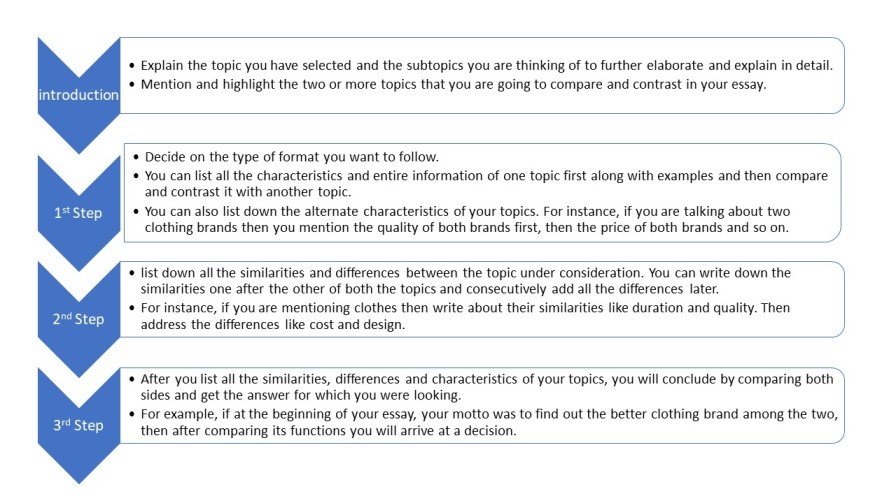
Create a Clear Comparison Structure
Your structure should make information easy to scan. Start with a short introduction explaining the comparison and who each option is best for.
A recommended structure includes:
- Introduction and quick answer.
- Overview of both options.
- Feature-by-feature comparison.
- Advantages and disadvantages.
- Pricing or value comparison.
- Final recommendation.
This format helps search engines understand your topic while improving user experience.
Use Comparison Tables Effectively
Comparison tables are essential because users want quick answers. They allow readers to compare important information without searching through multiple paragraphs.
A useful table might include:
| Feature | Option A | Option B |
|---|---|---|
| Price | Lower cost | Premium pricing |
| Features | Basic tools | Advanced options |
| Best For | Beginners | Professionals |
| Performance | Good | Excellent |
Keep tables simple and include only decision-making information. Our Surfer SEO vs Clearscope comparison is a good example of how a simple table can make complex SEO tools easy to evaluate side by side.
How to Optimize Comparison Blog SEO
Effective comparison blog seo requires more than adding keywords. Search engines reward content that demonstrates experience, helpfulness, and complete topic coverage.
Your article should naturally answer related questions and provide unique value.
Avoid creating pages that look like automated comparisons. Readers need authentic insights.
Add E-E-A-T Signals to Comparison Content
Google values content that demonstrates Experience, Expertise, Authoritativeness, and Trustworthiness.
You can improve EEAT by including:
- Real testing experiences.
- Expert opinions.
- Original screenshots or examples.
- Transparent evaluation methods.
- Updated information.
Trust signals make comparison articles more reliable and competitive.
Optimize Titles, Headings, and Meta Information
Your title should clearly communicate the comparison. Avoid vague headlines that do not explain the benefit.
Examples:
- “A vs B: Which One Is Better for Your Needs?”
- “A vs B Comparison: Features, Pricing, and Final Verdict”
Use your main keyword naturally in headings and introduction. Do not force keywords where they feel unnatural.
Examples of High-Converting Comparison Posts
Successful comparison articles usually follow a user-focused approach. They explain differences while helping readers choose the right option.
For example, a software comparison should discuss:
- Ease of use.
- Pricing plans.
- Integrations.
- Customer support.
- Ideal users.
A product comparison should cover:
- Quality.
- Performance.
- Durability.
- Value for money.
Example Comparison Content Approach
Imagine writing “Canva vs Adobe Express.”
A weak article only lists features. A strong article explains:
- Which tool is better for beginners.
- Which offers better professional features.
- Which option provides better value.
- Which users should choose each platform.
This approach creates helpful content instead of a simple feature comparison.
How to Rank Comparison Keywords Successfully
Ranking comparison keywords requires depth, relevance, and user satisfaction. Search engines analyze whether your content fully answers the query.
A detailed article should cover related topics around the main comparison. Tools like Screaming Frog vs Sitebulb show how covering related subtopics, pricing, features, ideal users, helps a comparison rank for multiple queries.
Include supporting phrases such as:
- Best alternative options.
- Feature differences.
- Pricing comparison.
- User experience.
- Performance analysis.
Avoid Common Comparison Content Mistakes
Many comparison posts fail because they focus only on ranking instead of helping users.
Common mistakes include:
- Copying competitor structures.
- Writing generic descriptions.
- Ignoring user questions.
- Using outdated information.
- Making biased recommendations.
A better approach is creating balanced content with honest comparisons.
Key Takeaways
- Comparison posts target high-intent search users.
- Strong research improves ranking opportunities.
- Tables make comparisons easier to understand.
- Original insights create trust and authority.
- SEO and conversion goals should work together.
Creating helpful comparison content can become a powerful growth strategy. Websites like brandsholder can benefit from this approach by building informative pages that attract users and support stronger brand visibility.
Conclusion
Writing successful comparison content requires more than comparing two options. A winning article combines keyword research, user-focused structure, accurate information, and conversion elements. By following a strong comparison post SEO strategy, creators can rank valuable comparison searches while building trust with readers.
The best comparison posts answer real questions, explain differences clearly, and guide users toward better decisions. Brands like brandsholder can use this approach to create authority-driven content that supports long-term SEO growth.
Frequently Asked Questions
1. What makes a comparison post rank on Google?
A comparison post ranks when it provides complete answers, useful information, strong structure, and satisfies search intent. Original insights and trustworthy details improve performance.
2. How long should a comparison article be?
The ideal length depends on the topic complexity. Most competitive comparison posts need enough depth to cover features, differences, pricing, and recommendations.
3. Should comparison posts include tables?
Yes, comparison tables improve readability and help users quickly understand important differences between options.
4. How do I find comparison keywords?
Use keyword research tools to discover “X vs Y” searches, related questions, and competitor ranking opportunities.
5. Can comparison posts increase conversions?
Yes, comparison content often attracts users close to purchasing decisions. Clear recommendations can encourage clicks, leads, and sales.