A strong content refresh strategy helps websites improve rankings, recover declining traffic, and keep existing articles valuable for users. Instead of always creating new content, updating old blog posts can bring faster SEO improvements by fixing outdated information, improving search intent alignment, adding new insights, and strengthening on-page optimization. A successful refresh process includes content audits, keyword updates, internal linking improvements, better readability, and regular performance tracking.
Many websites spend most of their time publishing new articles while ignoring valuable content they already have. Old blog posts often contain authority, backlinks, and ranking potential that can be improved with strategic updates. A well-planned content refresh strategy seo approach helps businesses maximize existing content and regain lost search visibility.
Google constantly evaluates whether content remains useful, accurate, and relevant. Updating outdated articles with fresh information, improved structure, and better user experience can help pages perform better in search results. The goal is not just changing a few words but making content more helpful for modern readers.
What Is a Content Refresh Strategy for SEO?
A content refresh strategy is the process of improving existing website content to increase its relevance, accuracy, and SEO performance. Instead of starting from zero, marketers analyze current pages and update them based on changing user needs, search trends, and ranking opportunities.

Refreshing content can include updating statistics, improving keyword targeting, adding new sections, fixing broken links, and enhancing readability. It allows websites to maintain their authority while adapting to new search expectations.
Content Refresh vs Writing New Content
Creating fresh articles is important, but updating existing content can sometimes deliver faster results. Old pages may already have backlinks, historical rankings, and user engagement signals that provide an advantage.
When comparing refreshes with new content creation, consider these differences:
| Content Refresh | New Content Creation |
|---|---|
| Improves existing authority | Builds new authority |
| Usually requires less time | Requires more research |
| Can recover declining rankings | Targets new topics |
| Uses existing backlinks | Needs promotion from scratch |
| Improves outdated information | Creates fresh resources |
A smart SEO plan uses both methods together. Refreshing valuable pages helps websites protect previous investments while continuing to grow.
Why Google Rewards Updated Content
Google focuses on providing users with accurate and useful information. When content becomes outdated, it may no longer satisfy search intent, especially for topics involving trends, statistics, products, or changing industries.
Refreshing content signals that a page is being maintained and improved. However, simply changing the publication date is not enough because Google looks for meaningful improvements.
Important elements Google may consider include:
- Updated and accurate information
- Better user experience
- Improved content depth
- Clear answers to user questions
- Strong expertise signals
The purpose is not to manipulate rankings but to make content genuinely more valuable.
Signs Your Blog Posts Need Updating
Not every article requires a refresh immediately. Website owners should identify pages showing signs of declining performance or outdated information. A content audit helps find opportunities where small improvements can create noticeable gains.
Old articles often lose traffic because competitors publish better resources, search intent changes, or information becomes outdated. Recognizing these signals early can prevent ranking drops.
Declining Organic Traffic
A sudden or gradual traffic decline is one of the strongest indicators that content needs attention. Google Search Console can help identify pages that previously performed well but are now losing impressions and clicks. To track these trends alongside deeper behavioral data, see our breakdown of Google Analytics vs Matomo for choosing the right analytics setup.
Traffic drops may happen because:
- Competitors created more complete content
- Keywords have changed
- Information is outdated
- Search intent has evolved
- User engagement has decreased
Updating these pages can help recover lost visibility without creating completely new articles.
Outdated Statistics and Examples
Information changes quickly in many industries. Statistics, pricing details, software features, market trends, and research findings can become inaccurate over time. Readers expect trustworthy information. Removing outdated examples and adding current data improves credibility and supports stronger E-E-A-T signals.
For example, an article about SEO trends from several years ago may need updated references about AI search, helpful content systems, and modern ranking practices.
Ranking Drops
A page that moves from the first page of Google to lower positions may need optimization. Ranking drops often indicate that competitors are meeting user expectations better.
Before making updates, analyze:
- Current ranking keywords
- Competitor content improvements
- Missing subtopics
- User questions being answered elsewhere
A targeted update can restore relevance and improve search performance.
Thin or Incomplete Content
Some older articles were created when search engines focused less on comprehensive answers. Today, users expect detailed, clear, and useful information.
Thin content may lack:
- Important subtopics
- Examples
- Updated recommendations
- Practical steps
- Expert insights
Improving depth helps create a stronger resource that satisfies readers and search engines.
Why Updating Old Blog Posts Improves SEO
Updating old content is one of the most effective ways to improve website performance because it builds on existing value. Pages that already have authority can often achieve better results through optimization.
The process helps align content with current search behavior while improving user satisfaction. This makes older pages valuable assets instead of forgotten website sections.
Better Search Intent Matching
Search intent changes as users become more specific with their questions. An article that answered a query years ago may no longer provide the best solution today.
Updating content allows you to analyze what users currently want and adjust the article accordingly. Adding missing information improves relevance and increases the chances of ranking higher.
For example, a basic guide may need additional sections, comparisons, examples, or FAQs to match modern expectations.
Improved User Experience
User experience plays an important role in content performance. Readers prefer articles that are easy to scan, updated regularly, and provide direct answers.
Refreshing content improves:
- Content structure
- Readability
- Navigation
- Visual elements
- Mobile experience
A better experience encourages visitors to spend more time on the page and engage with the information.
Stronger Internal Linking
Internal links help search engines understand website structure while guiding users toward related resources. During a refresh, old articles provide opportunities to add relevant connections.
A good internal linking strategy can:
- Improve page discovery
- Spread authority across pages
- Support important topics
- Increase user engagement
Refreshing older posts with strategic internal links strengthens overall website SEO. If manually mapping these connections feels tedious at scale, our comparison of Link Whisper vs Internal Link Juicer breaks down which tool automates this best.
Higher E-E-A-T Signals
Google values content created with experience, expertise, authority, and trust. Updating articles with expert insights, accurate references, and helpful examples improves these signals.
Adding author information, updated sources, real examples, and practical recommendations can make content more trustworthy. This approach supports long-term rankings and stronger audience relationships.
How to Build an Effective Content Refresh Strategy SEO
A successful refresh process requires more than editing a few paragraphs. Website owners need a structured approach that identifies weak areas and improves content quality. A proper workflow helps transform outdated pages into valuable resources that attract consistent organic traffic.
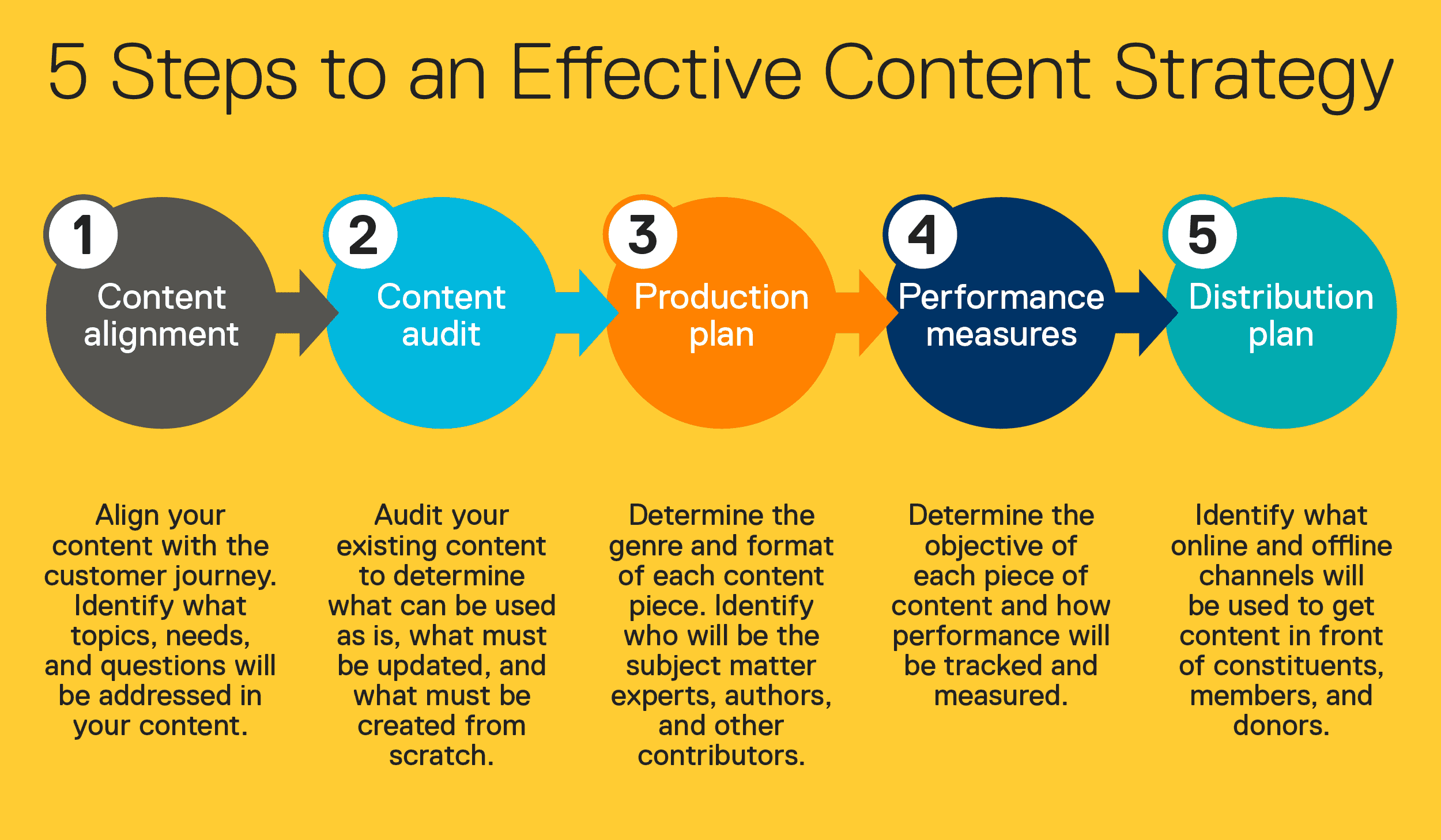
The best updates focus on users first while supporting modern SEO requirements. This creates content that remains useful for longer periods.
Audit Existing Content
The first step is identifying which pages deserve attention. A content audit helps analyze traffic, rankings, engagement, backlinks, and overall performance.
Use tools like Google Search Console and analytics platforms to find pages that:
- Lost organic traffic
- Rank on the second page
- Have outdated information
- Receive impressions but few clicks
- Previously generated conversions
Not every old article needs a complete rewrite. Prioritizing high-potential pages saves time and creates better results. For deeper crawl-level insights during your audit, comparing Screaming Frog vs Sitebulb can help you decide which tool fits your site’s scale.
Prioritize High-Potential Pages
A common mistake is updating content randomly. The best approach is selecting pages with existing authority and growth opportunities.
Focus on articles that:
- Already rank between positions 5–20
- Have strong backlinks
- Target valuable keywords
- Match business goals
- Need only moderate improvements
These pages often provide faster ranking improvements because search engines already recognize their value.
Update Keywords Naturally
Keyword research should be part of every refresh process. Search behavior changes, and new keyword opportunities may appear after an article is published.
Instead of adding keywords repeatedly, improve the article by covering related topics and answering more user questions. This supports semantic SEO and creates a more complete resource.
Include:
- Updated keyword variations
- Related search terms
- User questions
- Industry-specific phrases
- Natural language expressions
The focus should always remain on helping readers.
Refresh Metadata and Headings
Title tags, meta descriptions, and headings influence both rankings and click-through rates. Older content may have outdated titles that no longer attract users.
Improve these elements by:
- Making titles more relevant
- Adding stronger value statements
- Updating descriptions
- Improving heading clarity
Better metadata helps search engines and users understand the updated value of your page.
How Google Evaluates Refreshed Content
Google does not rank content simply because it has a newer date. The search engine evaluates whether updates create meaningful improvements for users.
A quality refresh should improve accuracy, usefulness, and overall experience. The goal is maintaining content relevance over time.
Freshness Signals
Freshness matters most for topics where information changes frequently. News, technology, pricing, trends, and statistics often require regular updates.
However, evergreen topics may not need frequent changes. A helpful article with accurate information can continue performing well for years.
Google considers factors such as:
- Content accuracy
- New information
- Improved relevance
- Better user satisfaction
A genuine update provides more value than simply changing a timestamp.
Helpful Content System
Google’s helpful content approach focuses on rewarding content created for people rather than search engines. A refresh should make the article clearer, more complete, and easier to understand.
Avoid making updates only for rankings. Instead, improve areas where readers may need more guidance.
Strong refreshed content usually includes:
- Original insights
- Practical examples
- Clear explanations
- Updated references
- Direct answers
This approach improves both SEO performance and audience trust.
Republish Content Strategy Explained
Republishing can give older articles new visibility when done correctly. It involves updating a valuable piece and making it relevant again for current audiences.
However, not every article needs a new publication date. The decision depends on how much improvement has been made.
When Republishing Makes Sense
A republish content strategy works well when an article receives major improvements.
Consider republishing when you:
- Add significant new sections
- Replace outdated information
- Improve the complete structure
- Add new research
- Change the article direction
Major updates deserve renewed promotion because they create additional value.
When Simple Updates Are Better
Small improvements usually do not require republishing. Minor edits should keep the original publication date and simply improve the existing page.
Simple updates include:
- Fixing broken links
- Correcting small errors
- Updating a few statistics
- Improving formatting
This prevents unnecessary changes while keeping content accurate.
Should You Change the Publish Date?
Changing dates should be handled carefully. A new date should represent a meaningful update, not a cosmetic adjustment.
Search engines and users value transparency. Only update dates when the content has genuinely improved.
Getting More Traffic from Old Posts
Many websites already have hidden traffic opportunities. Older articles can generate more visitors when optimized properly.
A strong update process focuses on improving visibility, engagement, and conversion opportunities.
Improve Internal Links
Internal linking helps users discover related information while helping search engines understand website relationships.
When refreshing content:
- Add links to newer articles
- Connect related topics
- Support important pages
- Remove outdated links
This improves navigation and strengthens website structure.
Add New External References
Reliable external sources improve trust and content quality. Updated references show readers that information has been researched carefully.
Use authoritative sources such as:
- Industry studies
- Official reports
- Expert publications
- Research organizations
Quality references support stronger E-E-A-T signals.
Optimize Featured Snippets
Many older articles have opportunities to capture featured snippets. Updating content with direct answers can improve visibility.
Helpful formats include:
| Content Type | Optimization Method |
|---|---|
| Definitions | Provide short clear answers |
| Lists | Use organized bullet points |
| Comparisons | Add tables |
| Questions | Create FAQ sections |
Structured answers make content easier for search engines to understand.
Common Content Refresh Mistakes
Refreshing content incorrectly can waste time or damage performance. A successful update requires strategic decisions rather than random editing.
Updating Without Research
Changing content without analyzing rankings, competitors, and user needs can create ineffective results.
Always review:
- Current search results
- Competitor improvements
- Keyword opportunities
- User feedback
Research creates meaningful improvements.
Keyword Stuffing
Adding too many keywords makes content unnatural and reduces readability. Search engines understand topics through context, not repetition.
Use keywords naturally while focusing on complete topic coverage.
Ignoring User Intent
An article may contain accurate information but still fail if it does not answer what users need.
Always ask:
- Does this solve the reader’s problem?
- Is the information current?
- Are important questions answered?
Forgetting Technical SEO
Content updates should also include technical checks.
Review:
- Page speed
- Mobile usability
- Broken links
- Schema markup
- Indexing issues
Technical improvements support better overall performance.
Measuring Content Refresh Success
After updating content, tracking performance shows whether improvements are working.
Important metrics include:
| Metric | What It Shows |
|---|---|
| Organic traffic | Visitor growth |
| Keyword rankings | Search visibility |
| Click-through rate | Title effectiveness |
| Engagement | User satisfaction |
| Conversions | Business impact |
Results may appear quickly, but some updates require several weeks for search engines to process changes.
Content Refresh Checklist
| Task | Completed |
|---|---|
| Analyze old content performance | ✓ |
| Research updated keywords | ✓ |
| Improve search intent alignment | ✓ |
| Update outdated information | ✓ |
| Add internal links | ✓ |
| Improve headings and structure | ✓ |
| Optimize metadata | ✓ |
| Add FAQs and examples | ✓ |
| Review technical SEO | ✓ |
| Monitor results | ✓ |
Key Takeaways
- Updating existing content can unlock hidden SEO opportunities.
- A strategic refresh improves relevance, rankings, and user experience.
- Focus on meaningful improvements instead of changing dates only.
- Combine keyword updates, internal links, and better structure.
- Measure performance after every major refresh.
Final Thoughts
A consistent content refresh strategy helps websites protect existing rankings while discovering new growth opportunities. Old articles often contain valuable authority that can be improved through better information, stronger optimization, and improved user experience.
Brands that invest in maintaining useful content build stronger trust with audiences and search engines. Platforms like Brandsholder highlight the importance of building lasting digital value through strategic content improvements, strong brand visibility, and consistent optimization.
Refreshing content is not about rewriting everything from scratch. It is about improving what already works and making it more useful for today’s users.
FAQs
1. What is a content refresh strategy in SEO?
A content refresh strategy is the process of updating existing website content to improve accuracy, relevance, rankings, and user experience. It focuses on improving valuable pages instead of creating new content every time.
2. How often should I update old blog posts?
The ideal frequency depends on the topic. Fast-changing industries may require updates every few months, while evergreen content may only need yearly reviews.
3. Does refreshing content improve Google rankings?
Yes, meaningful updates can improve rankings by making content more relevant, accurate, and useful. However, results depend on competition, search intent, and overall SEO quality.
4. Should I republish old blog posts or update them?
Republishing is best for major improvements, while simple updates work for minor changes. Choose the approach based on how much value has been added.
5. How long does it take to see traffic gains after refreshing content?
Some pages may improve within weeks, while others take several months. Factors include competition, website authority, update quality, and search engine processing time.