Data-backed content has become one of the most effective ways to attract natural backlinks in modern SEO. Instead of creating general articles, businesses can publish original research, industry statistics, surveys, and data studies that other websites want to reference. This approach builds authority, improves search visibility, and creates long-term link opportunities. By using research content SEO strategies, brands can turn valuable insights into powerful linkable assets.
Introduction: Why Data-Driven Content Is Changing Link Building
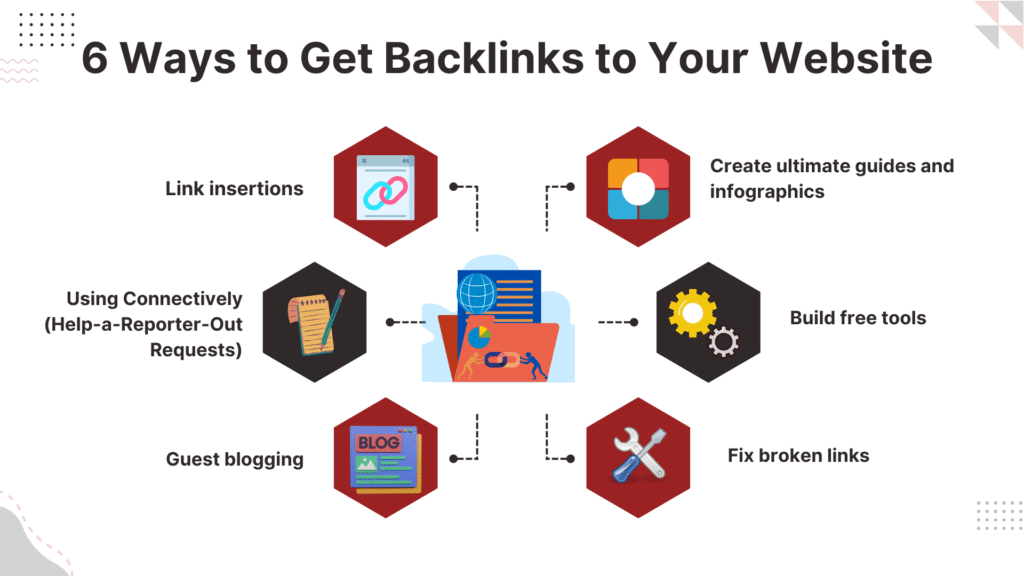
Earning backlinks has always been an important part of SEO, but traditional outreach methods are becoming harder. Many websites receive hundreds of link requests daily, making it difficult for average content to stand out. Data driven content link building solves this problem by creating unique resources that naturally attract attention.
When businesses publish original findings, they give others a reason to cite their work. Research reports, surveys, and statistics pages often become reference points for writers, journalists, and marketers. This creates a sustainable way to build authority without depending only on manual outreach.
Modern SEO focuses on creating valuable experiences for users. Content supported by real data provides stronger trust signals and improves brand credibility.
What Is Data Driven Content Link Building?
Data driven content link building is the process of creating content based on original information, research, or statistics to naturally earn backlinks. Instead of asking websites for links, businesses develop resources that people find useful enough to mention.
This strategy combines content marketing, SEO research, and data analysis. The goal is simple: create something unique that fills an information gap within an industry.
How Data Becomes a Linkable SEO Asset
Data becomes valuable when it provides insights that cannot be found everywhere else. A simple blog post may answer a common question, but original research offers something new.
For example, a company can analyze customer trends, conduct surveys, or study industry changes. These findings can then become reports, charts, or statistics pages that attract citations.
Common examples of data-based linkable assets include:
| Content Type | Why It Attracts Backlinks |
|---|---|
| Industry research reports | Provide unique information for references |
| Original surveys | Offer fresh insights and statistics |
| Data visualization | Makes complex information easier to share |
| Annual trend reports | Become recurring citation sources |
High-quality data creates stronger reasons for websites to link naturally. It transforms ordinary content into a valuable industry resource.
Why Original Research Content Earns More Backlinks
Original research content performs well because it provides information that competitors usually cannot copy. When websites need reliable statistics, they often search for sources containing unique findings.
Many businesses create similar educational articles, but fewer invest in collecting new data. This creates an opportunity for brands that are willing to research deeper.
The SEO Value of Original Research Content
Original research content supports SEO by increasing trust, authority, and visibility. Search engines value content that demonstrates expertise and provides helpful information.
Research-based articles often receive more engagement because readers find exclusive insights more valuable. They can also generate mentions from industry publications and authoritative websites.
The biggest SEO benefits include:
- Stronger topical authority.
- More referring domains.
- Increased organic visibility.
- Better brand recognition.
Research content SEO works best when information is accurate, updated, and clearly presented. Good research helps both users and search engines understand your expertise.
How Publishers Use Research as a Reference Source
Publishers, journalists, and bloggers constantly need credible information for their content. When they find useful statistics, they often link back to the original source.
A well-created study can continue earning backlinks months or even years after publication. This makes research a long-term SEO investment.
For example, a marketing website publishing yearly advertising statistics may become a trusted reference for thousands of articles. The value comes from becoming the source others depend on.
How to Create Research Content That Attracts Links
Creating successful research requires more than collecting random information. The research must solve a real problem and provide meaningful insights for a specific audience.
The best-performing studies usually focus on industry questions that people frequently search for. Understanding your audience helps identify valuable research opportunities.
Find Data Opportunities in Your Industry
The first step is finding topics where additional information is needed. Look for areas where existing content lacks updated numbers, detailed analysis, or original findings.
Research opportunities can come from:
- Industry trends.
- Customer behavior changes.
- Market statistics.
- Competitor content gaps.
- Frequently asked questions.
A strong research idea should provide information people cannot easily find elsewhere. This increases the chance that others will reference your work.
Collect Original Data Through Surveys and Analysis
After selecting a topic, collect information through reliable methods. Surveys, customer insights, public databases, and internal analytics can provide valuable research material.
The quality of your data directly affects your content’s credibility. Poor research can damage trust and reduce backlink opportunities.
A simple research workflow looks like this:
| Step | Action |
|---|---|
| 1 | Identify an industry information gap |
| 2 | Collect reliable data sources |
| 3 | Analyze patterns and trends |
| 4 | Publish findings clearly |
| 5 | Promote the research to relevant audiences |
Presenting findings in a simple format makes your research easier to understand and share.
Using Statistics Pages as Link Bait Assets
Statistics pages are among the most powerful forms of linkable content because they provide quick access to valuable information. Writers, marketers, and researchers often search for reliable numbers to support their claims. A well-optimized statistics page can become a consistent source of organic backlinks.
A statistics page works because it saves people time. Instead of collecting information from multiple sources, they can reference one trusted resource.
What Makes a Statistics Page Successful?
A successful statistics page should provide accurate, organized, and updated information. Random numbers without context usually fail because they do not offer real value.
The best statistics pages include:
- Recent industry data.
- Clear explanations.
- Source references.
- Visual charts and graphs.
- Easy-to-cite information.
A strong statistics page link bait strategy focuses on usefulness rather than simply adding numbers. The goal is to become the resource people naturally mention.
For example, a page titled “Digital Marketing Statistics 2026” can attract links from agencies, bloggers, and educational websites if it contains original findings and updated insights.
Examples of Statistics-Based Linkable Assets
Different research formats can attract different types of backlinks. Choosing the right format depends on your audience and industry.
| Research Asset | Potential Backlink Sources |
|---|---|
| Industry survey | News websites and bloggers |
| Market report | Business publications |
| Consumer behavior study | Marketing websites |
| Original statistics database | Educational resources |
These assets continue generating value because they answer questions that many people search for repeatedly.
How to Earn Backlinks With Data Promotion
Creating research is only the first step. Even excellent studies need promotion to reach the right audience. Strategic distribution helps your research get discovered by people who can provide valuable mentions.

The promotion process should focus on relevant websites, industry experts, and communities. Quality matters more than sending your research to hundreds of unrelated contacts.
Use Digital PR to Share Research Findings
Digital PR helps connect research content with journalists, publishers, and influential websites. When your data provides a unique angle, it becomes more attractive for media coverage.
A successful promotion approach includes:
- Sharing important findings with industry publications.
- Creating short summaries for social media.
- Contacting experts who may find the research useful.
- Highlighting unique statistics from your study.
Journalists often need fresh data for articles. Providing valuable research increases the chance of earning editorial backlinks.
Repurpose Research Into Multiple Content Formats
One research project can create many content opportunities. Repurposing helps maximize visibility and increases backlink chances.
For example, research findings can become:
- Blog articles.
- Infographics.
- Social media posts.
- Email newsletters.
- Video explanations.
Repurposing allows your data to reach different audiences. It also strengthens brand authority across multiple platforms.
How Research Content SEO Improves Long-Term Rankings
Research content SEO focuses on creating valuable information that improves visibility and builds website authority. Unlike temporary content trends, strong research can continue attracting traffic and backlinks for years.
Search engines increasingly prioritize helpful, trustworthy, and experience-based content. Original studies demonstrate expertise because they show real investigation and analysis.
Data-backed content supports long-term growth by creating multiple SEO advantages. It improves credibility while increasing opportunities for natural mentions.
Measuring the Success of Data-Driven Link Building
Tracking performance helps determine whether your research strategy is working. Backlinks alone are not the only measurement because quality and relevance matter.
Important metrics include:
| Metric | Purpose |
|---|---|
| Referring domains | Measures backlink growth |
| Organic traffic | Shows search performance |
| Keyword rankings | Tracks visibility improvements |
| Social engagement | Measures audience interest |
A successful campaign usually creates a combination of traffic, authority, and brand recognition.
Common Mistakes in Data Driven Link Building
Many businesses fail with research campaigns because they focus only on publishing data. Creating valuable information is important, but presentation and promotion also determine success.
Avoid these common mistakes:
- Publishing outdated statistics.
- Using unreliable sources.
- Creating research without audience demand.
- Ignoring content promotion.
- Making data difficult to understand.
Quality research requires planning, accuracy, and consistent improvement. A useful resource always considers what readers need first.
Another common mistake is copying existing statistics without adding new insights. Search engines and users value original contributions more than repeated information.
Key Takeaways
- Original research creates stronger backlink opportunities than general content.
- Data-driven assets become valuable references for other websites.
- Statistics pages can attract consistent organic links over time.
- Promotion and digital PR are necessary for research visibility.
- Accurate, useful data improves SEO authority and trust.
Conclusion
Modern SEO requires more than publishing regular articles. Businesses need content that provides unique value and answers important questions. Data driven content link building allows brands to create research assets that naturally attract backlinks from trusted sources. Original research content, statistics pages, and industry studies can transform a website into an authority within its niche. When combined with effective promotion, these resources continue generating visibility long after publication.
Brands looking to improve their content strategy can use platforms like Brandsholder to strengthen their digital presence and explore better ways to showcase valuable insights. A strong research-based approach helps businesses earn trust, increase authority, and build sustainable SEO growth.
Frequently Asked Questions
1. What is data-driven content link building?
Data-driven content link building is an SEO strategy where businesses create original research, statistics, or data-based resources to attract natural backlinks. Instead of requesting links, websites earn references because their information provides unique value.
2. Why does original research content attract backlinks?
Original research attracts backlinks because it provides information that cannot be found on competing websites. Writers and publishers often link to unique studies when supporting their own articles.
3. How can businesses earn backlinks with data?
Businesses can earn backlinks with data by creating surveys, industry reports, statistics pages, and research studies. Promoting these assets through digital PR and targeted outreach increases visibility.
4. Are statistics pages effective for SEO?
Yes, statistics pages can be highly effective for SEO because they often become reference resources. When regularly updated with accurate information, they can generate continuous backlinks and organic traffic.
5. How long does research content take to generate backlinks?
The timeline depends on the quality, topic, and promotion strategy. Some research pieces gain attention quickly, while others build backlinks gradually over several months through ongoing visibility.