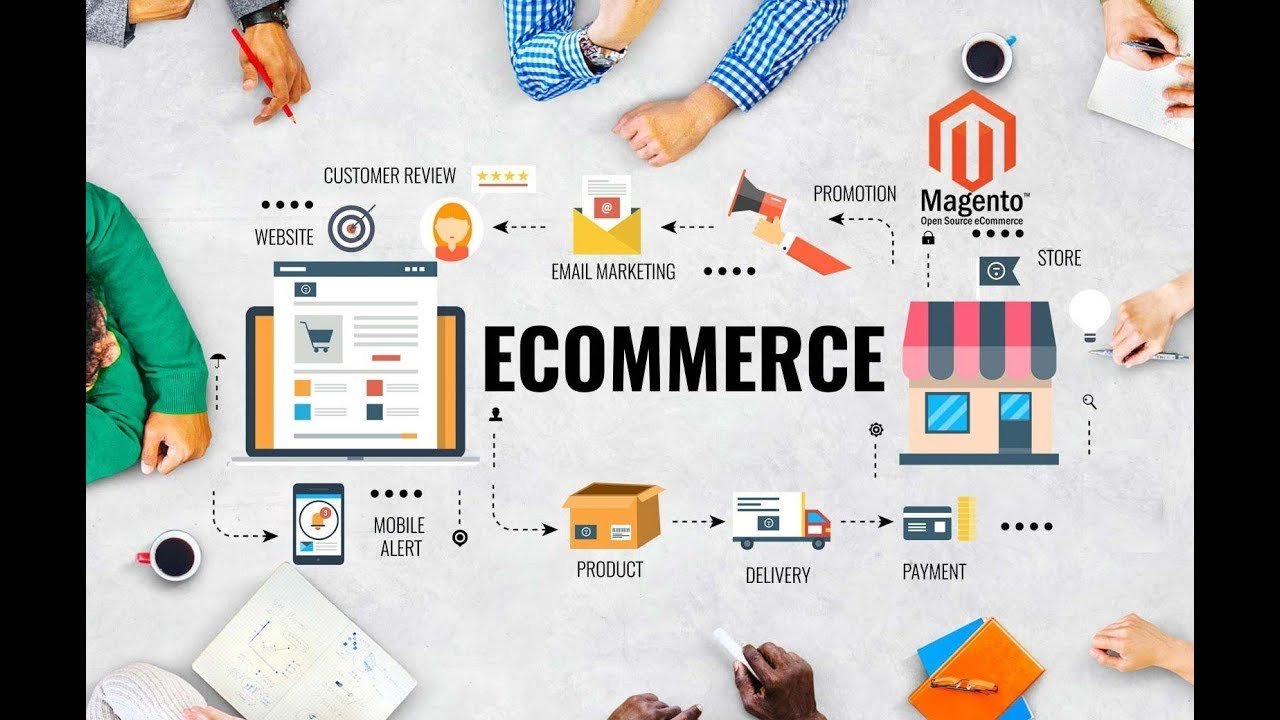
Ecommerce brands in 2026 need automated email journeys to create stronger customer relationships and increase revenue. The most effective ecommerce email flows 2026 strategies include welcome emails, abandoned cart recovery, browse abandonment, post purchase emails, and winback campaigns. These automated sequences help businesses deliver personalized messages at the right moment, improve retention, and turn one-time visitors into loyal customers.
Introduction
Email marketing remains one of the most powerful channels for online stores because it creates direct communication with customers. Unlike paid advertising, automated emails help brands build relationships without continuously increasing marketing costs. The right ecommerce email flows 2026 approach allows businesses to recover lost sales and improve customer lifetime value.

Modern shoppers expect personalized experiences based on their actions, interests, and buying history. This is why simple promotional emails are no longer enough for competitive ecommerce brands. Automated customer journeys now play a major role in sustainable online growth.
What Are Ecommerce Email Flows and Why They Matter in 2026?
Ecommerce email flows are automated sequences that send targeted messages based on customer behavior. These emails are triggered when someone subscribes, views products, abandons a cart, completes a purchase, or stops engaging with a brand. They help businesses communicate with customers at important stages of the buying journey.
In 2026, customers want relevant messages instead of random advertisements. Ecommerce automation allows brands to create personalized experiences that feel timely and useful. A well-designed email flow can increase conversions while improving customer trust.
How Email Automation Helps Online Stores Grow
Email automation saves time while helping brands maintain consistent communication with shoppers. Instead of manually sending every message, businesses can create workflows that operate automatically. These systems support better customer engagement and stronger revenue opportunities.
Key benefits include:
- Higher conversion rates through personalized messaging.
- Improved customer retention after purchases.
- Better recovery of abandoned shopping sessions.
- More efficient marketing operations.
Automation also helps businesses understand customer behavior. Brands can analyze clicks, purchases, and engagement patterns to improve future campaigns. This aligns with findings from Klaviyo’s official benchmark report, which consistently shows abandoned cart and post-purchase flows generating some of the highest revenue-per-recipient among ecommerce email types.
Why Traditional Email Campaigns Are Not Enough
Traditional email campaigns usually send the same message to a large audience. This approach often fails because customers have different needs and interests. A new visitor should not receive the same email as a loyal customer.
Behavior-based emails create better experiences because they match customer intent. These messages feel more natural and provide value at the right time.
The 5 Ecommerce Email Flows Every Store Must Have in 2026
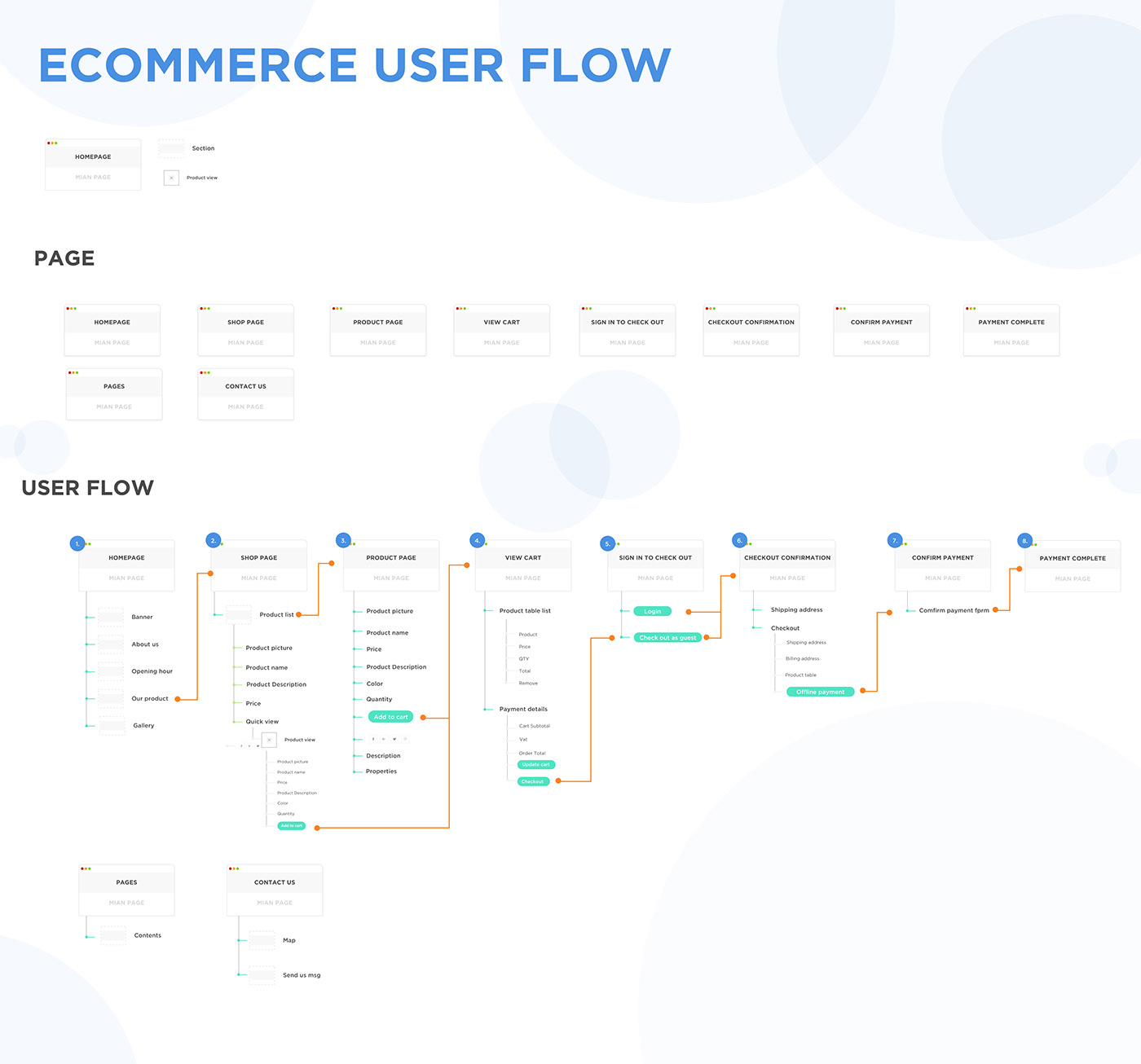
Successful online stores use multiple automated sequences to guide customers from discovery to repeat purchases. These flows support different stages of the customer journey. Each automation has a specific purpose and helps solve a unique marketing challenge.
The following five email flows are essential for ecommerce growth in 2026.
1. Welcome Email Flow: Turn Subscribers Into Customers
A welcome email flow introduces new subscribers to your brand and creates the first meaningful connection. It is often the first communication customers receive after joining a mailing list. A strong introduction can influence future purchasing decisions.
A good welcome sequence should educate customers about products, share brand values, and encourage the first purchase. It should focus on building trust instead of immediately pushing sales.
A typical welcome flow may include:
| Purpose | |
|---|---|
| First Email | Welcome the subscriber and introduce the brand |
| Second Email | Explain products and benefits |
| Third Email | Encourage first purchase with an offer |
Personalization is important because customers respond better to messages that feel specifically created for them.
2. Abandoned Cart Email Flow: Recover Lost Sales
An abandoned cart email helps recover potential customers who added products but left before completing checkout. Many shoppers abandon carts because of distractions, unexpected costs, or hesitation. A reminder can bring them back and complete the purchase.
The best abandoned cart campaigns are simple and helpful. They remind customers about their selected products without creating unnecessary pressure. If your store also runs paid retargeting alongside cart recovery emails, our Meta Ads guide covers complementary strategies for reaching the same abandoned shoppers.
Effective strategies include:
- Sending reminders at the right time.
- Showing abandoned products clearly.
- Offering support or limited incentives.
A strong cart recovery sequence can recover revenue that would otherwise be lost. It remains one of the highest-performing automated email strategies.
3. Browse Abandonment Email Flow: Capture Customer Interest
A browse abandonment email targets visitors who viewed products but did not add anything to their cart. These customers have shown interest but may need additional encouragement before purchasing. This automation helps brands reconnect with interested shoppers.
These emails often include viewed products, related recommendations, or helpful information. They remind customers about items they already considered.
Browse abandonment works well because it uses real customer behavior. The message feels relevant rather than random.
4. Post Purchase Email Flow: Increase Customer Lifetime Value
A post purchase email continues the relationship after a customer completes an order. Many businesses stop communication after receiving payment, but the customer journey should continue. Follow-up emails can create repeat buyers and stronger loyalty.
A successful post-purchase sequence may include:
- Order confirmation and delivery updates.
- Product usage tips.
- Review requests.
- Cross-selling recommendations.
These emails improve customer satisfaction and encourage future purchases. They also help brands collect valuable feedback from buyers.
5. Winback Flow: Re-Engage Inactive Customers
A winback flow targets customers who have not purchased or interacted with a brand for a specific period. Losing existing customers is expensive because acquiring new shoppers often costs more. Re-engagement campaigns help bring inactive customers back.
A good winback sequence should understand why customers became inactive. Brands can offer helpful reminders, exclusive deals, or new product updates.
The goal is not just another sale. The goal is rebuilding customer interest and loyalty.
How AI Is Changing Ecommerce Email Automation in 2026
Artificial intelligence is transforming how brands create and optimize email campaigns. AI tools can analyze customer behavior, predict preferences, and create personalized recommendations. This makes automation more effective and customer-focused.
Modern ecommerce automation uses AI for better segmentation, subject line testing, and dynamic content. Brands can deliver more relevant messages without increasing manual work.
AI does not replace strategy. Instead, it helps marketers make smarter decisions using customer data. For a deeper comparison of AI writing tools that can help draft these segmented email sequences, our breakdown of ChatGPT vs Jasper AI is worth a look.
Best Practices for Creating High-Converting Email Flows
Creating successful email sequences requires more than automation tools. Brands need a clear understanding of customer expectations and purchasing behavior. The best campaigns focus on delivering value at every stage.
Important practices include:
- Segment audiences based on behavior.
- Test different subject lines.
- Personalize recommendations.
- Track performance regularly.
- Avoid sending excessive emails.
Consistency and relevance are the foundation of successful email marketing. Customers should feel understood, not overwhelmed. For tracking this kind of engagement and conversion data properly, our comparison of Google Analytics vs Matomo can help you choose the right analytics setup.
Common Ecommerce Email Flow Mistakes to Avoid
Many businesses create automated emails but fail because their strategy lacks personalization. Sending generic messages can reduce engagement and damage customer relationships. Automation should always support customer needs.
Common mistakes include poor timing, weak messaging, and ignoring customer data. Brands should regularly review performance and improve their workflows.
A successful email strategy requires continuous testing and optimization. Small improvements can create significant revenue growth over time.
Key Takeaways
- Automated email flows help ecommerce brands increase conversions.
- Customer behavior should guide email personalization.
- Abandoned cart and post-purchase emails drive strong results.
- AI improves segmentation and marketing efficiency.
- Customer retention is essential for long-term growth.
Conclusion
Building effective automated customer journeys is no longer optional for online stores competing in 2026. The right email strategy helps businesses recover lost opportunities, improve loyalty, and create better shopping experiences. Brands that focus on personalization and customer value will achieve stronger results through automation.
Companies looking to improve their digital presence can learn from platforms like brandsholder, where understanding modern branding strategies and customer engagement trends can help businesses create stronger connections. Combining smart automation with authentic communication is the future of ecommerce growth.
FAQs
1. What are ecommerce email flows?
Ecommerce email flows are automated email sequences triggered by customer actions such as subscribing, purchasing, or abandoning a cart. They help businesses communicate with customers at important buying stages.
2. Which email flow generates the most sales?
Abandoned cart emails often generate significant revenue because they target customers who already showed purchase interest. However, welcome and post-purchase flows also contribute strongly to long-term growth.
3. How does an abandoned cart email work?
An abandoned cart email automatically reminds shoppers about products they left behind. It encourages them to return and complete checkout.
4. Why is a winback flow important?
A winback flow helps businesses reconnect with inactive customers. It can increase retention and recover valuable customer relationships.
5. How can AI improve ecommerce email automation?
AI improves automation by analyzing customer behavior, predicting preferences, and helping brands send more personalized messages at the right time.