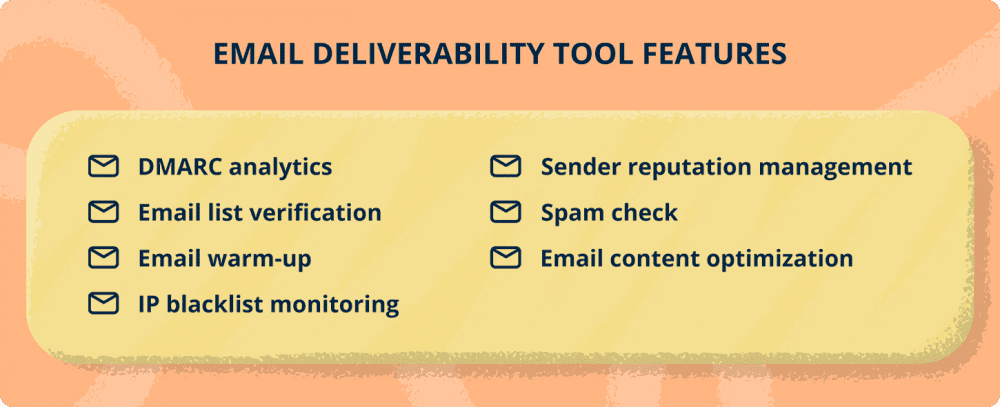
Email deliverability in 2026 depends on more than email content. Businesses need proper authentication, strong sender reputation, and technical monitoring to reach inboxes consistently. SPF, DKIM, and DMARC setup help verify email identity, while reputation management reduces spam risks. A complete technical strategy improves trust, security, and marketing results.
Email Deliverability Setup 2026: Technical Steps Marketers Miss
Email marketing success is not only about writing attractive subject lines or creating valuable offers. Many businesses still struggle because their technical foundation is weak, causing emails to land in spam folders instead of inboxes. A proper email deliverability setup 2026 strategy requires authentication, reputation management, and continuous monitoring.

Modern email providers evaluate many signals before accepting messages. Sender identity, domain trust, user engagement, and authentication records all influence inbox placement. This guide explains the technical setup marketers often ignore and how to build a stronger email delivery system. If email is just one piece of your broader outreach strategy, our guide on how to choose a digital marketing agency for your business can help you evaluate outside support for the rest of your stack.
What Is Email Deliverability Setup 2026 and Why Does It Matter?
Email deliverability means the ability of your emails to reach the recipient’s primary inbox successfully. It is different from email delivery because delivered messages can still end up in spam folders. Businesses need a reliable system that improves trust between their sending domain and email providers.
A strong technical foundation helps marketers achieve better campaign performance. Email providers now prioritize authenticated senders with positive engagement patterns. Without proper configuration, even high-quality emails may never reach audiences.
Email Delivery vs Email Deliverability
Email delivery simply means that an email server accepted your message. However, deliverability focuses on where that message finally appears. A delivered email sitting in spam does not create meaningful marketing results.
The main goal is achieving consistent inbox placement. Marketers should focus on technical health alongside content quality. Both factors work together to improve customer communication.
Why Email Providers Are Stricter in 2026
Email platforms continue improving their filtering systems to reduce phishing and unwanted messages. They now require stronger verification methods from businesses sending large volumes of emails. Authentication standards have become a necessary part of professional email marketing.
Poorly configured domains often experience lower trust scores. These problems directly affect campaigns, conversions, and customer relationships. Proper setup helps businesses maintain credibility with mailbox providers. Domain trust signals matter across channels, not just email, our breakdown of SEO services explained shows how similar trust and authority signals affect Google rankings.
The Foundation of SPF DKIM DMARC Setup
The combination of SPF, DKIM, and DMARC creates the foundation of secure email communication. These protocols verify that messages are genuinely sent from authorized sources. A complete SPF DKIM DMARC setup improves authentication and protects domains from misuse.
| Authentication Method | Main Purpose | Deliverability Benefit |
|---|---|---|
| SPF | Confirms authorized sending servers | Reduces spoofing issues |
| DKIM | Adds digital email signatures | Builds message trust |
| DMARC | Controls authentication policies | Improves domain protection |
Many marketers focus only on campaign design and ignore authentication. Technical configuration should become a regular part of email management. A verified domain creates stronger signals for email providers. This is formally documented in Google’s official email sender guidelines, which require SPF, DKIM, and DMARC authentication for bulk senders to maintain inbox placement.
How SPF Records Work
SPF, or Sender Policy Framework, is a DNS record that lists approved email servers. It tells receiving servers which sources are allowed to send messages on behalf of your domain. If unauthorized servers send emails, they may fail verification.
A correct SPF record reduces the chance of spoofing attacks. It also helps mailbox providers understand your sending behavior. Regular reviews are important when adding new email platforms.
DKIM Setup for Better Email Security
DKIM adds an encrypted signature to outgoing emails. This signature allows receiving servers to confirm that messages were not changed during transmission. It protects email integrity and increases sender reliability.
A missing or incorrect DKIM record can create authentication failures. Businesses should generate proper keys and publish them correctly. This small technical step creates major improvements in trust.
DMARC Policies and Reporting
DMARC connects SPF and DKIM authentication with specific enforcement rules. It allows domain owners to decide what happens when messages fail verification. Businesses can choose monitoring, quarantine, or rejection policies.
DMARC reports provide valuable information about email activity. They reveal unauthorized sending attempts and configuration problems. This visibility helps companies protect their domains over time.
How Email Sender Reputation Controls Inbox Placement
Email sender reputation is one of the strongest factors affecting inbox success. Providers analyze your previous sending behavior before trusting future campaigns. A positive reputation increases the chances of reaching customers directly.
Your reputation depends on multiple signals, including engagement, complaints, and bounce rates. Consistent sending practices create stronger long-term results. Technical improvements alone cannot fix poor sender behavior. If you’re comparing analytics platforms to track this kind of engagement data, our comparison of Google Analytics vs Matomo is a useful next read.
Factors That Damage Sender Reputation
Several issues can negatively affect your email reputation. Sending emails to inactive contacts is one common mistake. High complaint rates also signal poor audience targeting.
Common reputation problems include:
- High bounce rates from outdated lists
- Frequent spam complaints
- Sudden increases in sending volume
- Poor email engagement
- Missing authentication records
Maintaining a clean database protects your domain reputation. Quality contacts are more valuable than large but inactive lists. Smart list management improves both performance and trust.
Ways to Build Strong Sender Reputation
Building reputation requires patience and consistency. New domains should gradually increase sending volume instead of sending thousands of emails immediately. This process helps providers recognize legitimate activity.
Businesses should monitor important email metrics regularly. Open rates, clicks, complaints, and bounce rates reveal audience health. Continuous improvement creates better deliverability results.
Technical Steps to Improve Email Deliverability
Many marketers ask how to improve email deliverability after campaigns start failing. The solution usually requires fixing technical problems before changing content strategies. A complete approach combines authentication, monitoring, and responsible sending.
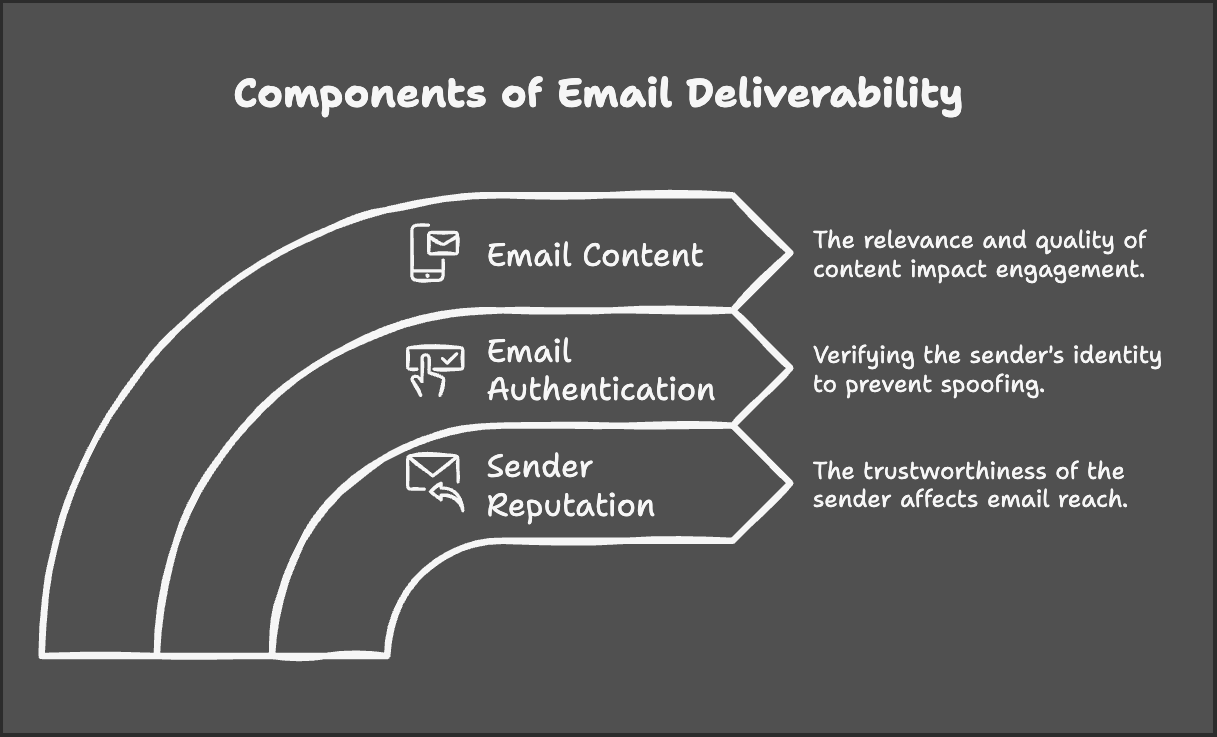
Technical optimization should be treated as an ongoing process. Email systems change frequently as providers update their security standards. Regular checks prevent unexpected deliverability issues.
Authenticate Your Sending Domain
Domain authentication should be the first step in any email strategy. SPF, DKIM, and DMARC records create verification layers. These records prove that your emails come from trusted sources.
Businesses should review authentication settings whenever they change email platforms. Incorrect DNS records can quickly damage sending performance. Proper configuration creates a stronger technical foundation.
Monitor Email Metrics Regularly
Tracking performance data helps identify problems early. Marketers should review bounce rates, spam complaints, and engagement trends. These measurements show whether campaigns are healthy.
Regular monitoring supports better decision-making. It also helps businesses adjust strategies before serious reputation damage occurs. Data-driven improvements create sustainable email growth.
Optimize Sending Infrastructure
Email infrastructure includes servers, domains, and sending processes. A reliable setup reduces technical failures and improves consistency. Businesses should choose email providers with strong deliverability support.
Using dedicated sending domains can provide better control. Proper infrastructure management creates predictable performance. This approach benefits companies with regular email campaigns.
How to Avoid Spam Folder Technical Problems
Many emails reach spam folders because of hidden technical issues. Marketers often blame content while ignoring authentication failures. Fixing infrastructure problems can significantly improve inbox visibility.
| Spam Problem | Technical Solution |
|---|---|
| SPF failure | Update DNS authentication records |
| DKIM errors | Correct encryption keys |
| DMARC issues | Adjust policy settings |
| High bounce rates | Remove invalid contacts |
Businesses should combine technical fixes with quality content. Email providers evaluate the complete sending pattern. A balanced approach creates stronger deliverability.
Common Technical Mistakes Marketers Make
One major mistake is sending emails without authentication. Another problem is ignoring domain reputation until campaigns fail. These errors reduce trust and increase spam placement.
Marketers should regularly audit their email systems. Small technical improvements often create noticeable performance gains. Prevention is easier than repairing damaged reputation.
Email Deliverability Setup 2026 Checklist
A successful email strategy requires ongoing technical maintenance. Marketers should confirm that all essential systems work correctly. Regular reviews protect campaigns from future problems.
Key areas to check include:
- SPF record accuracy
- DKIM signature validation
- DMARC monitoring
- Sender reputation tracking
- Email list quality
- Engagement performance
Following this checklist creates a reliable email environment. Technical discipline supports better communication with customers. Strong foundations lead to long-term marketing success.
Key Takeaways
- Email authentication is essential for modern inbox placement.
- SPF, DKIM, and DMARC protect domain credibility.
- Sender reputation directly influences email performance.
- Technical monitoring prevents spam folder problems.
- Quality databases improve long-term deliverability.
Conclusion
Email success in 2026 requires marketers to look beyond creative campaigns and focus on technical foundations. Proper authentication, reputation management, and monitoring are now essential for reaching customers effectively. Businesses that invest in strong systems can avoid spam issues and improve communication performance.
A reliable email infrastructure supports better customer engagement and long-term growth. Companies looking for digital strategy insights can also explore resources from brandsholder, where businesses learn more about building stronger online brand foundations. Technical improvements today create more trustworthy email marketing results tomorrow.
FAQs
1. What is email deliverability setup 2026?
Email deliverability setup 2026 refers to the technical configuration required for emails to reach inboxes successfully. It includes authentication, reputation management, and monitoring practices.
2. Why are SPF, DKIM, and DMARC important?
SPF, DKIM, and DMARC verify email identity and protect domains from unauthorized sending. They help improve trust with email providers.
3. How can I avoid the spam folder technically?
You can avoid spam folders by configuring authentication records, maintaining a clean email list, and monitoring sender reputation regularly.
4. How long does it take to improve email deliverability?
The timeline depends on the problem severity. Small technical fixes may work quickly, while reputation recovery can take several weeks.
5. Does sender reputation affect email marketing results?
Yes, sender reputation strongly influences inbox placement. A positive reputation increases the chances that emails reach active subscribers.