Entity SEO is becoming one of the most important ranking factors in modern search. Instead of relying only on keywords, Google now understands people, brands, places, products, and concepts as entities connected through the Knowledge Graph. This shift affects rankings, AI Overviews, knowledge panels, and topical authority. Businesses that build a strong digital identity and clear entity relationships are more likely to gain visibility in search results. This Entity SEO Guide 2026 explains how Google’s Knowledge Graph works and how you can optimize your website for long-term search success.
Search engines have changed dramatically over the last few years. Google no longer relies only on keywords to understand content. Instead, it uses entities and relationships to identify topics, brands, people, and organizations. This comprehensive entity seo guide 2026 explains how modern search ecosystems affect visibility and why semantic structures have become essential for businesses that want sustainable organic visibility.
Entity SEO Guide 2026: Understanding the Shift Beyond Keywords
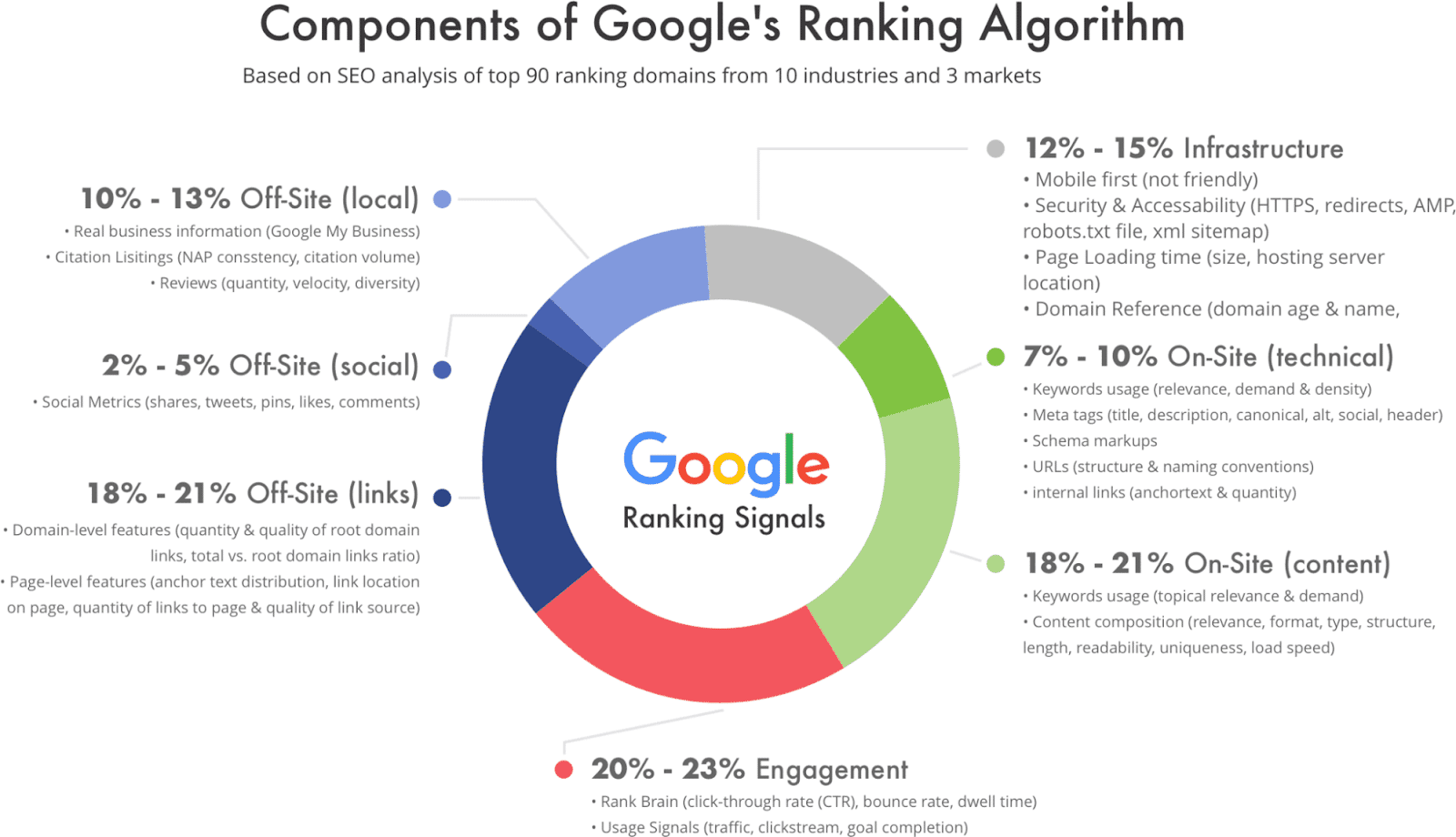
Traditional SEO focused heavily on keyword placement and exact-match phrases. Modern search systems now prioritize the meaning behind words and the relationships between concepts. This shift has made entity based seo a critical part of sustainable search optimization. Brands that build strong context signals often perform better across highly competitive search results.
What Is an Entity in Google’s Search Ecosystem?
An entity is a uniquely identifiable person, place, organization, product, or concept. Google stores information about these real-world subjects inside its databases to understand search intent accurately. Better semantic comprehension leads to more accurate search results, moving away from simple character matching.
Keywords vs Entities Explained
Keywords represent the literal search phrases typed by users into search boxes. In contrast, entities represent real-world concepts connected through rich semantic relationships. Google’s current systems increasingly prioritize understanding the underlying concept over simple keyword frequency. This creates a more relevant, helpful, and contextual user experience.
Why Entity-Based SEO Is Becoming Essential
Shifting towards a concept-focused strategy helps search engines understand content at a deeper level. It improves topical relevance across an entire domain and strengthens semantic relationships between published pages. Websites optimized around clear concepts often achieve better visibility across multiple long-tail queries. This advantage becomes even stronger as AI-powered extraction expands.
Google Knowledge Graph SEO Explained
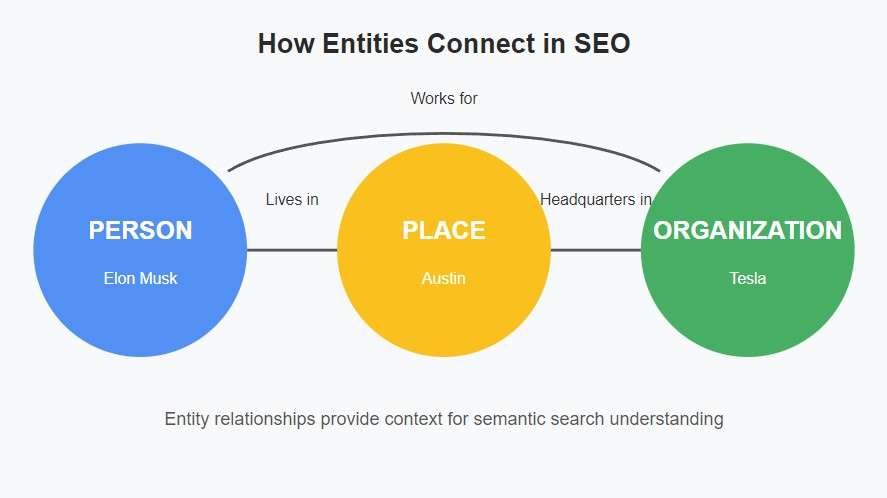
Google’s database serves as a massive network of interconnected entities and relationships. It helps the algorithm understand how people, organizations, and concepts connect across the web. These connections directly influence rankings, knowledge panels, and AI-generated search experiences. Mastering google knowledge graph seo is crucial for modern organic success.
What Is Google’s Knowledge Graph?
This structural network is Google’s database of interconnected entities, storing information about millions of recognized subjects. This framework helps Google answer direct questions dynamically and provide richer search layout features. The system continuously expands by ingesting trusted data sources and authoritative web documents.
How Google Connects Entities and Relationships
Google analyzes raw text content, structured data, local citations, and trusted references. It identifies semantic connections between topics and entities across different websites. Strong associations improve Google’s confidence in content accuracy, supporting predictive semantic search.
How Knowledge Graph Data Influences Rankings
Data signals help Google evaluate the true authority and relevance of a domain. Content connected to recognized concepts often receives stronger trust signals. These signals support long-term visibility in search results and automated summaries. Rankings increasingly depend on context understanding rather than keyword repetition.
| Keywords SEO | Entity SEO |
|---|---|
| Focuses on phrases | Focuses on concepts |
| Query matching | Context understanding |
| Limited relationships | Rich semantic relationships |
| Short-term optimization | Long-term authority building |
| Ranking-focused | Understanding-focused |
How Google Identifies and Verifies Entities
Google uses multiple computational methods to verify entity accuracy. These signals help establish trust and authority across the open web. Consistent information strengthens entity recognition significantly, which is essential for building long-term search visibility.
Named Entity Recognition (NER)
Named Entity Recognition helps Google identify specific people, places, organizations, and products within unstructured text. This technology processes web content at scale, allowing Google to classify information accurately. Strong data signals improve recognition and baseline relevance.
Entity Reconciliation
Entity reconciliation connects distinct mentions from different sources to a single recognized entity profile. This process prevents confusion, ambiguity, and profile duplication. Google uses reconciliation to improve database accuracy, meaning consistent branding across platforms supports this effort effectively.
Trust Signals Google Uses
Google evaluates multiple trust indicators before fully recognizing a new entity profile. Reliable signals strengthen authority over time, and consistency improves the search engine’s confidence significantly.
Key trust signals include:
-
Structured data markup (Schema)
-
Verified author profiles
-
Accurate business citations
-
Active social media profiles
-
Industry-specific references
-
Consistent brand information
Building a Strong Brand Entity in Google
A recognized digital profile improves tracking across Google’s ecosystem. Search engines reward businesses that maintain clear, unambiguous digital identities. Building authority requires consistency, credibility, and real-world relevance. This strategy supports both algorithmic trust and brand growth.
What Is a Brand Entity Google Recognizes?
A verified brand entity google trusts exists as a clearly identifiable organization within its index. Google understands its relationships, core services, industry category, and areas of expertise. Strong entities appear more frequently across rich search features, boosting brand visibility.
Consistency Across the Web
Consistency remains one of the strongest identity signals available. Business names, structural descriptions, and contact details should match perfectly across all platforms. Inconsistent data creates semantic confusion for search engines, whereas clear uniformity strengthens verification.
Entity Authority Signals
Authority develops through digital mentions, editorial citations, natural backlinks, and expertise signals. Industry recognition and media coverage also contribute significantly. Google’s systems evaluate these external signals continuously to determine ranking potential.
E-E-A-T and Entity Recognition
Experience, Expertise, Authoritativeness, and Trustworthiness remain essential search evaluation principles. Strong entities naturally support E-E-A-T requirements. Verified expertise improves credibility, which becomes increasingly important in competitive niches.
Knowledge Panel SEO Strategies for 2026
Panels provide users with trusted, verified information directly in search results without requiring a click-through. Optimization increases visibility and brand authority. Implementing a focused knowledge panel seo strategy helps businesses claim and strengthen their digital presence.
How Knowledge Panels Are Generated
These visual boxes appear when Google confidently recognizes an entity from trusted sources and verified relationships. Information consistency across high-authority repositories increases the likelihood of panel generation.
Optimizing Schema Markup
Schema markup provides structured information directly to search crawlers. It helps Google understand entities and relationships more clearly, improving semantic understanding. Proper JSON-LD implementation remains a core element of modern optimization.
Strengthening Entity Associations
Brands should connect themselves to relevant topics and established industries. These associations help Google map expertise areas accurately. Strong relationships improve contextual relevance, supporting stronger rankings.
Claiming and Managing Panels
Businesses should actively monitor and manage their panel presence. Accurate information improves user trust and search visibility, while regular updates keep entity data current. Active management strengthens overall credibility.
Entity-Based SEO Tactics That Improve Rankings
Modern optimization requires a broader strategy than traditional keyword mapping. The goal is to build deep semantic relevance and authority across an entire topic. Effective tactics improve both organic visibility and consumer trust.
Topical Authority and Entity Clusters
Topical authority develops when content thoroughly covers a subject area from all angles. Creating defined clusters strengthens semantic relationships. Comprehensive coverage signals expertise to Google, improving ranking potential.
Internal Linking Through Entity Relationships
Internal links should connect related entities naturally. This structure helps search engines understand content relationships. For insights on indexing workflows, you can check out our specialized Brandsholder Sitemap Guide to improve crawlability and topical understanding.
Content Hubs and Semantic Relevance
Content Hubs organize information around major topics and entities, strengthening semantic signals. Search engines can better understand distinct expertise areas, which supports long-term visibility.
Structured Data Implementation
Structured data enhances entity recognition and contextual understanding. Proper implementation improves database connections and supports rich search features, making it a high-priority SEO task.
The Role of AI Search and Entity SEO in 2026
AI-powered search relies heavily on entities and relationships. Large language models (LLMs) process concepts and semantic vectors rather than simple keywords. Optimization therefore plays a major role in AI visibility.
AI Overviews and Entity Understanding
AI Overviews use trusted entity information when generating conversational responses. Strong entity signals increase inclusion opportunities within these automated summaries, extending reach beyond traditional organic listings.
How LLMs Use Entity Relationships
Language models understand context through entity relationships. Connected entities create more accurate responses, and strong semantic structures improve overall discoverability in modern search layouts.
Future of Search Ranking Signals
Future algorithms will continue emphasizing authority and entity recognition. Semantic understanding will become increasingly important, giving brands investing in entity based seo a significant competitive advantage.
Key Takeaways
- Entity SEO focuses on concepts rather than keywords.
- Google’s Knowledge Graph connects entities and relationships.
- Strong brand entities improve trust and visibility.
- Schema markup supports entity recognition.
- AI search increasingly relies on entity understanding.
- E-E-A-T aligns closely with entity authority.
- Consistent branding strengthens Knowledge Graph presence.
Conclusion
Entity SEO is no longer an advanced tactic reserved for large organizations. It is a fundamental part of modern search optimization. Businesses that build clear entity relationships, strengthen brand authority, and improve semantic relevance will have a significant advantage. As search engines continue evolving, platforms like Brandsholder frequently highlight how strong digital entities shape online visibility. The future belongs to brands that focus on recognition, trust, expertise, and meaningful entity connections.
FAQs
1. What is Entity SEO?
Entity SEO is the process of optimizing content around identifiable concepts, people, brands, products, and organizations instead of focusing only on keywords.
2. How does Google’s Knowledge Graph affect rankings?
The Knowledge Graph helps Google understand relationships between entities, improving relevance, authority evaluation, and search result accuracy.
3. What is the difference between keyword SEO and entity SEO?
Keyword SEO focuses on search phrases, while entity SEO focuses on concepts and semantic relationships that provide context.
4. How can I build a strong brand entity in Google
Use consistent branding, structured data, authoritative citations, expert content, and trusted references across the web.
5. Does Entity SEO help with AI Overviews?
Yes. AI Overviews rely heavily on trusted entity information, making entity optimization important for future search visibility.