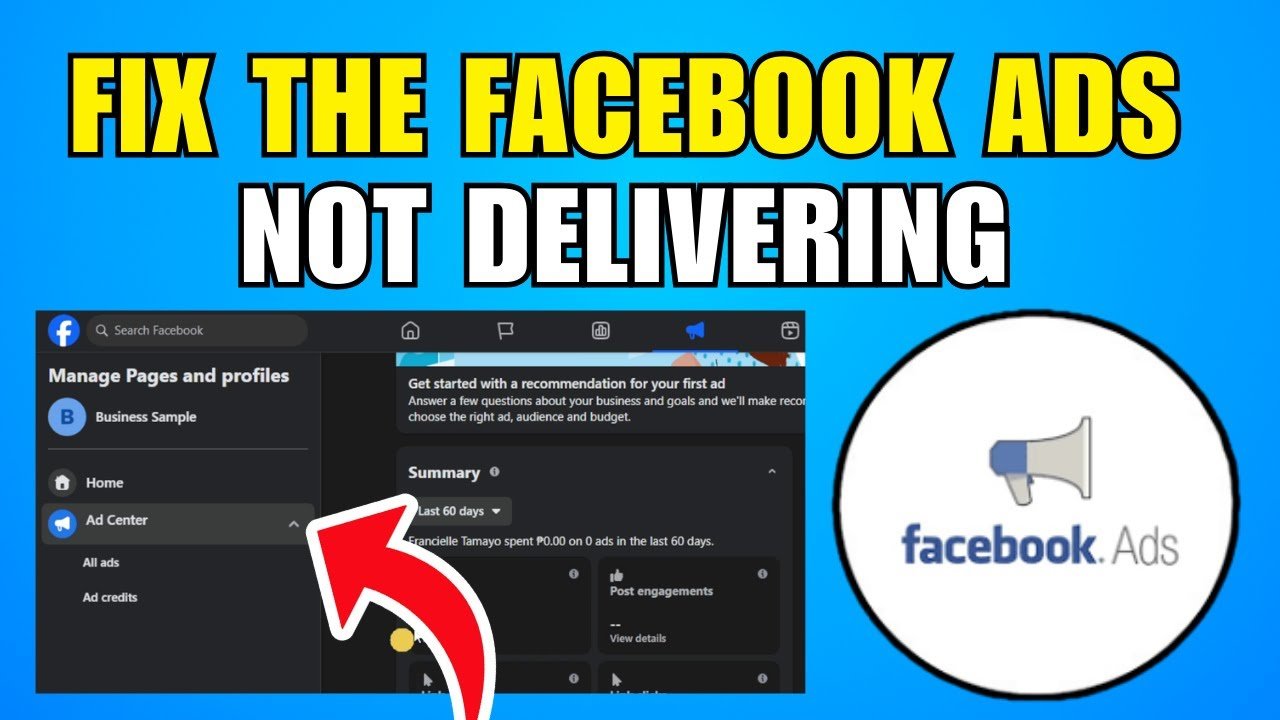
Facebook advertising in 2026 depends less on manual targeting and more on AI-powered optimization, reliable conversion tracking, and engaging creative content. Performance drops are often caused by audience fatigue, outdated creatives, weak conversion signals, poor landing pages, or incorrect campaign objectives. Businesses can recover results by improving tracking with Conversion API, refreshing ad creatives regularly, expanding quality audiences, monitoring key metrics, and scaling campaigns gradually. Success comes from continuous testing, data-driven decisions, and adapting to Meta’s evolving advertising ecosystem.
If your campaigns suddenly stopped generating leads or sales, you’re not alone. Many advertisers have noticed declining results as Meta continues evolving its advertising platform with AI-powered automation, privacy-focused tracking, and changing user behavior. If you’re searching for facebook ads not working 2026, the solution isn’t always increasing your budget, it starts with understanding what’s actually changed.
Why Facebook Ads Are Not Working in 2026
Facebook advertising still works, but the way campaigns succeed has changed dramatically. Strategies that delivered excellent results a few years ago may now produce high costs and fewer conversions. Meta’s AI systems reward advertisers who provide strong creative assets, quality conversion data, and clear campaign objectives.
Instead of trying to outsmart the algorithm, successful advertisers now focus on giving it better signals. Understanding these platform changes is the first step toward improving campaign performance.
1. Meta’s AI-Driven Delivery Has Changed
Meta increasingly relies on artificial intelligence to decide who sees your ads. Rather than depending only on detailed audience targeting, the platform analyzes user behavior, engagement patterns, and purchase intent to deliver ads more effectively.
This means advertisers must prioritize quality creatives, accurate conversion tracking, and meaningful customer data. Campaigns with weak signals often struggle because the algorithm has less information to optimize delivery. To understand the bigger picture, see our breakdown of the AI marketing stack in 2026 every marketer needs to know.
2. Why Campaign Performance Drops Over Time
Even successful campaigns eventually lose momentum. Audiences become familiar with the same advertisements, engagement decreases, and click-through rates gradually fall.
Creative fatigue is one of the most overlooked reasons behind declining performance. Refreshing visuals, headlines, and offers regularly helps maintain audience interest while giving Meta fresh content to optimize.
3. Temporary vs. Long-Term Performance Declines
Not every performance drop signals a serious problem. Seasonal demand, holidays, economic conditions, or increased competition can temporarily affect campaign results.
The real concern begins when metrics continue declining for several weeks despite testing improvements. At that point, it’s important to review every stage of your advertising funnel instead of changing random settings.
The Biggest Reasons Facebook Ads Are Failing
There isn’t a single explanation for declining campaign performance. Most advertisers experience multiple small issues that combine into one larger problem. Looking at the entire customer journey, from ad impression to final conversion, helps identify where improvements will have the greatest impact.

Audience Fatigue
Showing the same advertisement repeatedly causes users to ignore it over time. As frequency increases, engagement usually decreases while costs continue rising.
Expanding your audience or introducing fresh creative variations prevents people from seeing identical messages too often. This keeps campaigns feeling relevant instead of repetitive. If your reach has dropped despite steady spend, our piece on why Facebook ad reach is so low with website conversion goals breaks down common causes.
Creative Fatigue
Strong targeting cannot compensate for weak creative content. Users scrolling through busy social feeds respond to fresh visuals, compelling headlines, and clear value propositions.
Try testing different:
-
Images
-
Videos
-
Hooks
-
Headlines
-
Calls-to-action
-
Ad formats
Small creative improvements often generate larger performance gains than audience adjustments alone. If you’re using AI to speed up creative production, check our guide on using AI for social media marketing without sounding robotic.
Weak Conversion Signals
Meta’s machine learning depends on accurate conversion events. Missing purchase events, incomplete tracking, or poor-quality data reduce the algorithm’s ability to find high-value customers.
Implementing Meta Pixel correctly and strengthening event tracking improves optimization over time. Better data leads to smarter delivery decisions and more efficient campaigns.
Campaign Objective Mismatch
Many advertisers select campaign objectives that don’t match their business goals. Choosing traffic instead of sales, or engagement instead of leads, sends confusing signals to Meta’s optimization system.
Always align campaign objectives with the final action you want users to complete. This helps the algorithm focus on finding people most likely to convert.
Budget Scaling Errors
Increasing budgets too aggressively often disrupts campaign stability. Large changes can push campaigns back into the learning phase, causing temporary performance drops.
A gradual scaling approach allows Meta to adjust without losing valuable optimization data.
Budget Scaling Best Practices
| Scaling Action | Recommended Approach | Risk Level |
|---|---|---|
| Daily Budget Increase | 10–20% every few days | Low |
| Double Budget Overnight | Avoid unless necessary | High |
| Duplicate Winning Campaign | Test separately | Medium |
| Scale After Stable Results | Wait several days | Low |
How iOS Privacy Changes Still Affect Facebook Ads
Although Apple’s privacy updates were introduced years ago, their impact continues influencing Meta advertising today. Users who limit tracking reduce the amount of behavioral data advertisers can access.
This doesn’t mean Facebook advertising has stopped working. Instead, marketers must rely more heavily on first-party data, server-side tracking, and stronger campaign optimization practices.
Tracking Limitations
App Tracking Transparency reduced the amount of user data available for ad measurement. Some conversions are delayed, unattributed, or missing completely from reporting dashboards.
As a result, advertisers should avoid making decisions based only on one day’s performance. Looking at longer reporting windows provides a more accurate picture of campaign success.
Attribution Challenges
Modern attribution models estimate customer journeys instead of recording every interaction perfectly. Someone may click an ad today but purchase several days later through another device.
Understanding attribution windows helps advertisers avoid pausing campaigns that are actually producing profitable results.
Why First-Party Data Matters
Businesses collecting their own customer information have a significant advantage. Email subscribers, customer lists, website accounts, and CRM systems provide reliable data that isn’t dependent on third-party tracking.
Uploading quality customer lists into Meta Ads Manager also improves audience modeling and helps AI identify similar potential buyers.
Comparison of Tracking Methods
| Tracking Method | Accuracy | Best Use Case |
|---|---|---|
| Meta Pixel | Good | Website behavior |
| Conversion API | Excellent | Server-side tracking |
| CRM Integration | Excellent | Lead qualification |
| Customer Lists | High | Lookalike audiences |
| Offline Events | Moderate | In-store sales tracking |
How to Fix Facebook Ad Results in 2026
Recovering campaign performance requires a structured process rather than random adjustments. Testing one variable at a time helps identify what is truly affecting your results.
The advertisers seeing the strongest ROAS today combine better creative testing, accurate conversion tracking, quality landing pages, and continuous optimization instead of relying on shortcuts.
1. Refresh Creatives Regularly
Your creative is often the biggest factor influencing campaign success. Even well-targeted ads lose effectiveness when audiences repeatedly see identical content. Develop multiple creative variations for every campaign, including different images, videos, headlines, and opening hooks.
2. Improve Signal Quality with Conversion API
The Conversion API helps Meta receive more reliable event data directly from your website’s server. You can review setup requirements on the official Meta Conversion API documentation. Unlike browser-only tracking, it remains effective even when some user actions are blocked by privacy settings.
3. Optimize Advantage+ Campaigns
Meta’s Advantage+ campaigns use artificial intelligence to automate audience targeting, placements, and budget distribution. Instead of relying on narrow interest targeting, the system identifies people who are most likely to convert based on real-time signals.
Note: Automation does not replace strategy. You still need compelling creatives, accurate tracking, and clear campaign goals.
4. Expand High-Quality Audiences
Many advertisers limit growth by targeting audiences that are too small. Use first-party customer lists, lookalike audiences, and broad targeting together. This combination gives the algorithm more flexibility while maintaining relevance.
5. Test Offers Before Scaling
Sometimes the issue isn’t the advertisement—it’s the offer. Experiment with different discounts, bundles, free shipping options, or lead magnets before increasing your advertising budget.
6. Optimize Landing Pages
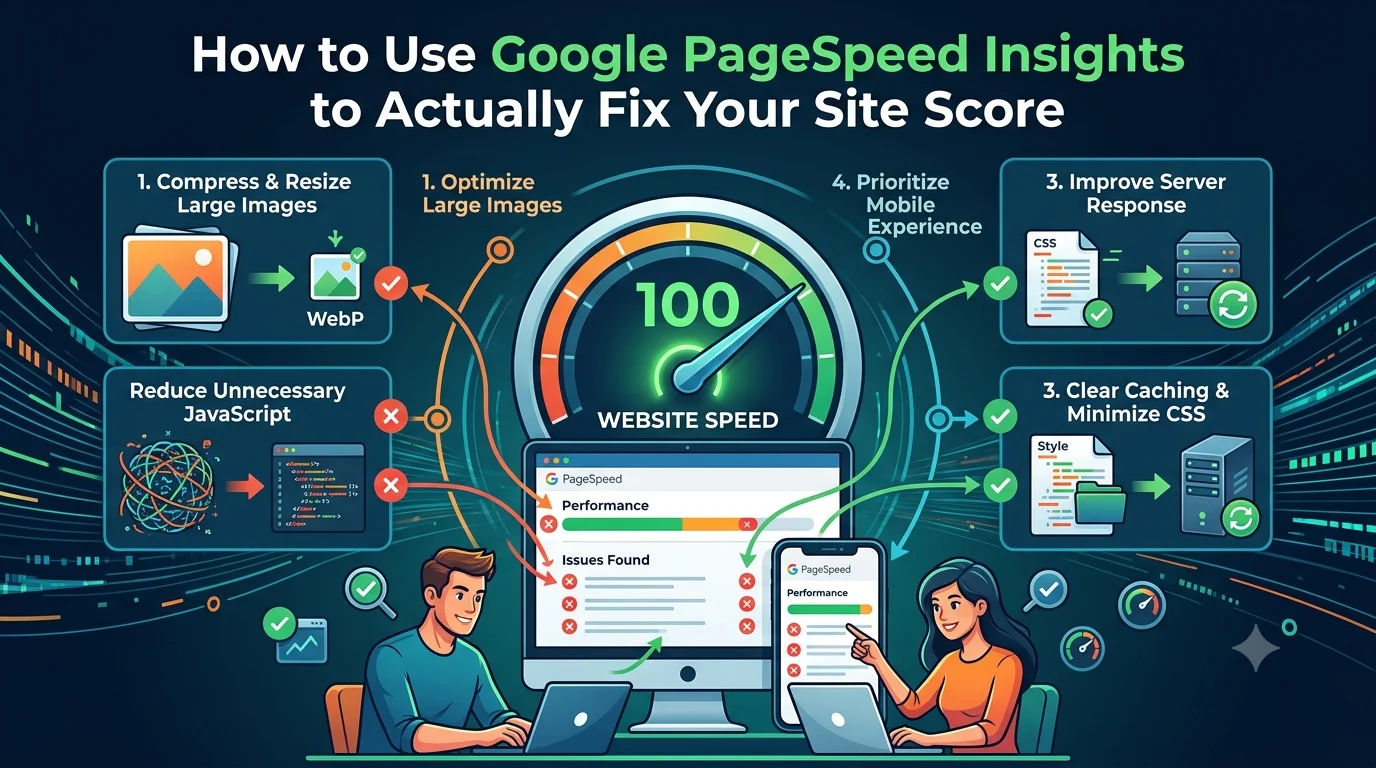
If users encounter slow loading times, confusing layouts, or weak calls-to-action, they may leave without converting. Focus on fast page speed, mobile-friendly design, trust signals, and a simple checkout process.
7. Review Campaign Objectives
Selecting the wrong objective sends misleading optimization signals to Meta. For example, optimizing for traffic when your goal is purchases often attracts visitors who click but rarely convert.
Choose objectives based on your business outcome rather than vanity metrics. When the objective matches your goal, Meta’s AI can better identify valuable users.
Metrics You Should Monitor Weekly
Monitoring the right metrics helps you identify problems before they become expensive. Looking at one number alone rarely tells the full story, so evaluate several performance indicators together.
A balanced review provides a clearer understanding of campaign health and reveals where optimization efforts should begin.
ROAS
Return on Ad Spend (ROAS) measures how much revenue your advertising generates compared to the amount spent. A declining ROAS often indicates problems with creative quality, audience relevance, or your overall sales funnel.
CTR
Click-Through Rate (CTR) shows how many people click after seeing your ad. Low CTR usually suggests that your creative, messaging, or targeting needs improvement.
CPC
Cost Per Click reflects how much you pay for each visitor. Rising CPC may result from increased competition, weak relevance scores, or declining engagement.
CPM
Cost Per Mille (CPM) represents the cost of one thousand impressions. Seasonal demand and competitive industries often increase CPM, making creative quality even more important.
CPA
Cost Per Acquisition tells you how much it costs to generate a customer or lead. When CPA continues rising, review your audience, landing page, and conversion tracking before increasing your budget.
Frequency
Frequency measures how often the same user sees your advertisement. High frequency combined with declining CTR usually signals audience fatigue.
Weekly Performance Metrics
| Metric | Healthy Range | When to Investigate |
|---|---|---|
| ROAS | Above business target | Continuous decline |
| CTR | Increasing or stable | Sudden drop |
| CPC | Stable | Sharp increase |
| CPM | Consistent with industry | Significant spikes |
| CPA | Within profit goals | Rising acquisition costs |
| Frequency | Moderate | High with falling engagement |
Common Facebook Ads Mistakes to Avoid
Many advertisers react emotionally when performance drops. Making several changes simultaneously makes it impossible to identify which adjustment actually influenced results.
A structured testing process delivers better long-term performance than constant experimentation without direction.
Editing Campaigns Too Frequently
Every major edit can restart Meta’s learning process. Constant adjustments prevent campaigns from gathering enough data for proper optimization.
Allow campaigns sufficient time before making decisions.
Ignoring the Learning Phase
The learning phase helps Meta understand which users are most likely to convert. Interrupting campaigns too early limits the algorithm’s ability to optimize effectively.
Patience often leads to more stable performance.
Poor Creative Testing
Testing only one image or headline limits your chances of finding a winning combination. High-performing advertisers continuously test multiple creative variations.
Small creative improvements often produce significant gains in campaign performance.
Scaling Too Aggressively
Rapid budget increases can destabilize even successful campaigns. Scale gradually while monitoring key metrics after every adjustment.
Slow, controlled growth is usually more sustainable.
Neglecting Audience Exclusions
Showing ads repeatedly to existing customers or irrelevant users wastes budget. Proper audience exclusions improve efficiency and help reach new prospects.
Do vs. Don’t
| Do | Don’t |
|---|---|
| Refresh creatives regularly | Run identical ads for months |
| Scale budgets gradually | Double budgets overnight |
| Monitor multiple metrics | Focus only on ROAS |
| Test one variable at a time | Change everything simultaneously |
| Improve landing pages | Ignore post-click experience |
Key Takeaways
- Facebook advertising still delivers strong results when campaigns adapt to modern best practices.
- AI-powered optimization rewards accurate tracking and high-quality creative assets.
- Creative fatigue is one of the most common reasons campaigns lose momentum.
- First-party data and Conversion API improve optimization accuracy.
- Strong landing pages directly influence advertising profitability.
- Monitor trends across multiple metrics instead of relying on one number.
- Test systematically and avoid making multiple campaign changes simultaneously.
Conclusion
If your campaigns have lost momentum, don’t assume Facebook advertising has stopped working. The platform has evolved, and advertisers who adapt to AI-driven optimization, stronger tracking, better creatives, and customer-focused landing pages continue achieving excellent results. Instead of chasing quick fixes, build a consistent optimization process supported by accurate data and regular testing. Businesses that follow these strategies can improve long-term performance and stay competitive in 2026. For more practical marketing insights and digital growth strategies, Brandsholder is an excellent resource to keep learning from industry trends.
Frequently Asked Questions
1. Why did my Facebook ads suddenly stop performing?
Performance can decline due to creative fatigue, audience saturation, increased competition, tracking limitations, or changes in Meta’s AI optimization. Reviewing your entire campaign funnel helps identify the real cause.
2. Does the iOS update still affect Facebook advertising in 2026?
Yes. While advertisers have adapted, privacy changes still reduce available tracking data. Using Conversion API and first-party customer data helps improve campaign optimization.
3. How often should I refresh my Facebook ad creatives?
Most advertisers benefit from introducing fresh creatives every few weeks or whenever engagement and click-through rates begin declining. The ideal timing depends on audience size and campaign spend.
4. Is Advantage+ better than manual targeting?
Advantage+ performs well for many advertisers because it uses AI to identify potential customers. However, success still depends on quality creatives, accurate tracking, and strong offers.
5. What is the fastest way to improve poor Facebook ad results?
Start by auditing your campaign objective, tracking setup, creatives, audience targeting, and landing page. Fixing these core elements usually delivers better results than simply increasing your advertising budget.