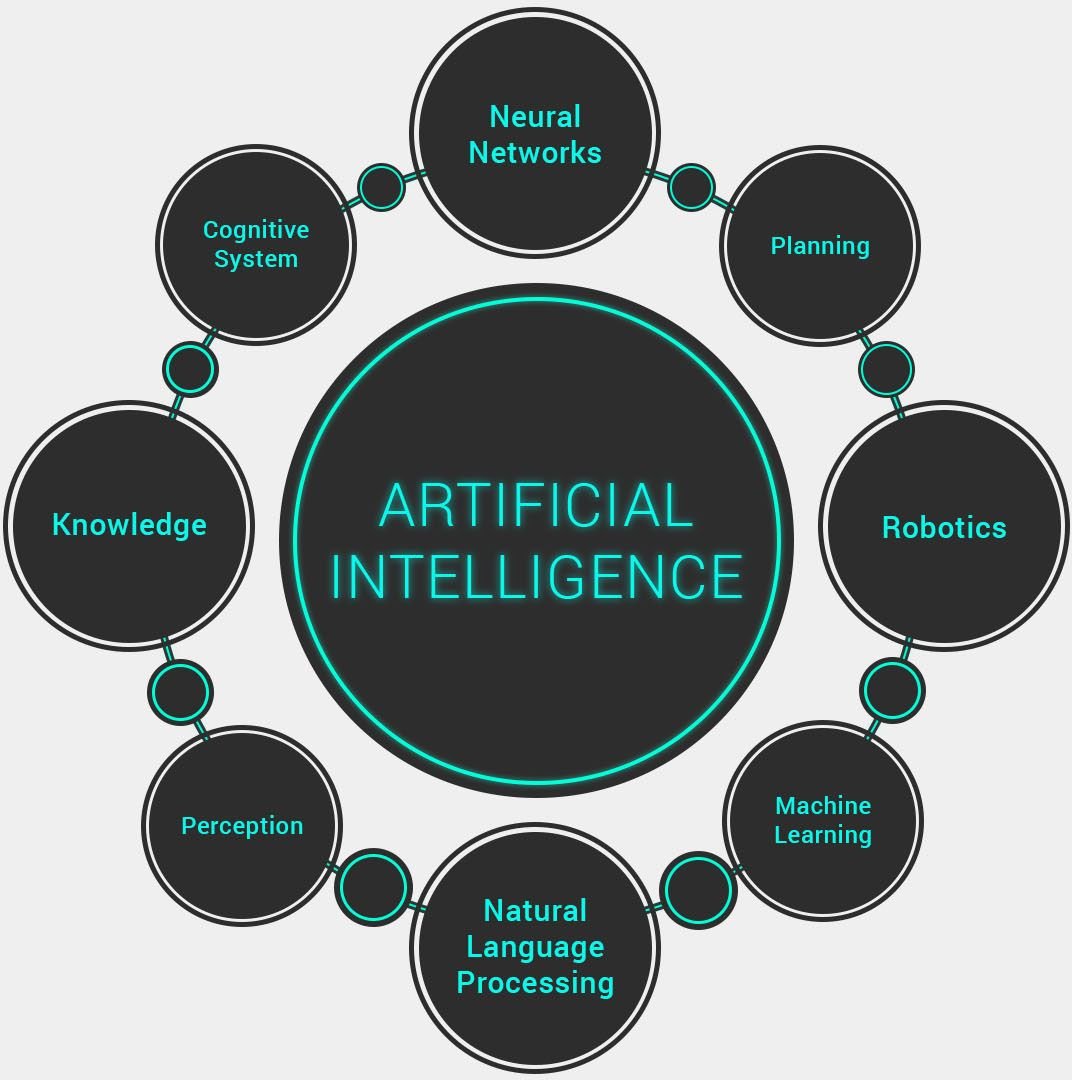
Artificial intelligence has transformed marketing from isolated software into connected ecosystems that improve productivity, creativity, and decision-making. A successful AI marketing stack combines research, content creation, SEO, design, video, social media, email, automation, CRM, and analytics into one streamlined workflow. Instead of using dozens of disconnected applications, marketers should build an integrated system that supports real business goals. Human expertise remains essential for strategy, creativity, and quality control, while AI handles repetitive tasks and provides valuable insights. The businesses that invest in practical, well-connected AI solutions today will be better prepared for the future of digital marketing.
Artificial intelligence is no longer a bonus for marketing teams, it has become a core part of daily work. From creating content to analyzing campaign performance, AI helps marketers complete tasks faster while making smarter decisions. A modern complete AI marketing toolkit brings different tools together, allowing businesses to work efficiently instead of switching between disconnected platforms.
Key Takeaways
| Takeaway | Why It Matters |
|---|---|
| AI works best as a connected ecosystem | Integrated tools reduce manual work and improve efficiency. |
| Choose tools based on workflow | Avoid paying for overlapping features. |
| Automation should support human creativity | AI speeds up tasks but still requires strategic oversight. |
| Focus on business goals first | Your stack should solve real marketing challenges. |
| Start small and scale gradually | A focused toolkit often delivers better ROI than dozens of unused platforms. |
What Is an AI Marketing Stack in 2026?
An AI marketing stack is a collection of AI-powered tools that work together to support every stage of marketing, from planning campaigns to measuring results. Instead of relying on separate software for each task, marketers now connect intelligent platforms that share data and automate repetitive processes. Modern AI tools simplify complex marketing workflows without replacing strategic human thinking. This connected approach improves productivity while maintaining consistency across campaigns.
Core Components of a Modern AI Stack
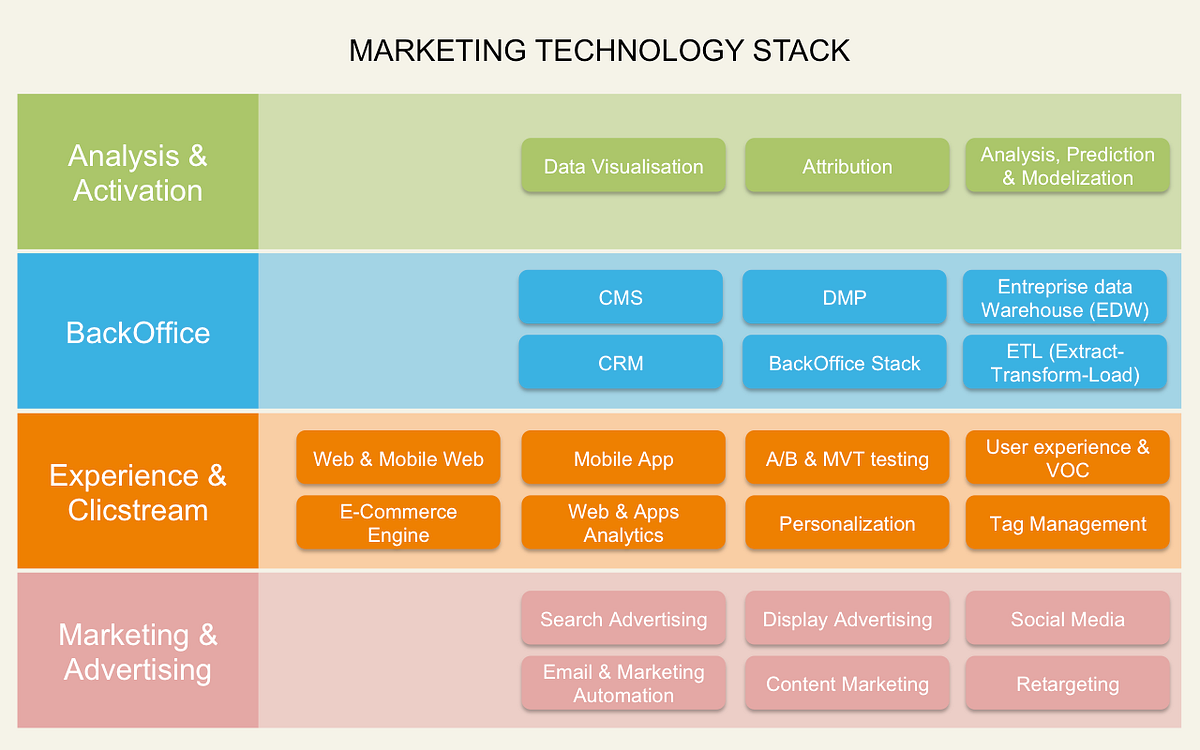
A complete AI stack covers several marketing functions instead of focusing on just one area. Research tools uncover market trends, writing assistants create content, automation platforms handle repetitive tasks, and analytics software measures performance. When these solutions communicate effectively, marketers spend less time switching between applications and more time improving customer experiences.
Benefits for Teams and Solo Marketers
Whether you manage marketing alone or lead a large team, AI helps reduce manual effort. Small businesses gain access to enterprise-level capabilities, while larger organizations improve collaboration between departments. Every marketer benefits from faster workflows and smarter campaign execution today. The result is greater efficiency without sacrificing creativity or quality.
Traditional Marketing Stack vs AI Marketing Stack
| Traditional Marketing Stack | AI Marketing Stack |
|---|---|
| Manual research | AI-powered market intelligence |
| Separate writing tools | AI-assisted content creation |
| Manual reporting | Automated analytics dashboards |
| Time-consuming workflows | Intelligent automation |
| Reactive decisions | Predictive insights |
| Limited personalization | AI-driven customer experiences |
Why Every Marketer Needs an AI-Powered Tech Stack
Marketing has become increasingly data-driven, making manual processes difficult to maintain. AI reduces repetitive work while helping marketers identify trends that might otherwise remain hidden. Successful campaigns increasingly depend on intelligent tools supporting everyday marketing decisions. Instead of replacing marketers, AI enhances decision-making by delivering insights faster than traditional methods. These platforms help marketers validate ideas, summarize reports, and explore new opportunities before launching campaigns. If you’re deciding between research assistants, our detailed guide on Claude vs ChatGPT vs Gemini for marketing breaks down which one writes the best content for your team.
Save Time Without Sacrificing Quality
Creating blog posts, social media captions, emails, and campaign ideas once required hours of manual work. AI now speeds up brainstorming, drafting, editing, and optimization while allowing marketers to refine the final output. This balance between automation and human expertise keeps content authentic while improving productivity.
Improve Campaign Performance
AI continuously analyzes customer behavior, campaign metrics, and engagement patterns. These insights help marketers adjust strategies before problems become expensive. Rather than relying on assumptions, teams make decisions based on real-time performance data.
Understand Customers Better
Customer expectations continue to evolve as digital experiences become more personalized. AI helps identify audience preferences, predict purchasing behavior, and recommend personalized content. Understanding customers deeply creates stronger relationships and long-term business growth naturally. Better insights ultimately lead to higher engagement and improved conversions.
The Complete AI Marketing Toolkit by Category
No single platform can handle every marketing responsibility effectively. Building a balanced toolkit ensures each stage of the customer journey receives the right level of support. Instead of chasing every new application, marketers should select tools based on business objectives and workflow requirements.
AI Research and Market Intelligence Tools
Research forms the foundation of every successful marketing strategy. AI-powered research platforms gather industry trends, competitor information, and audience insights in minutes instead of hours. Reliable market research helps businesses make smarter strategic decisions every single day. Better research leads to stronger campaigns with fewer assumptions.
Popular solutions include:
| Tool | Best Use |
|---|---|
| ChatGPT | Brainstorming, research assistance |
| Perplexity AI | Fact-based research |
| Google AI tools | Search insights |
| Claude | Long-form analysis |
These platforms help marketers validate ideas, summarize reports, and explore new opportunities before launching campaigns.
AI Writing and Content Creation Tools
Content remains one of the biggest marketing investments, making AI writing assistants extremely valuable. Modern platforms support idea generation, article drafting, email writing, ad copy, and product descriptions. Human editing remains essential, but AI significantly reduces production time.
Quality content still requires thoughtful editing before reaching your intended audience. AI accelerates creation while experienced marketers maintain brand voice, factual accuracy, and storytelling quality.
| Tool | Ideal For |
|---|---|
| ChatGPT | Content drafting |
| Jasper | Marketing copy |
| Claude | Long-form writing |
| Grammarly | Editing and proofreading |
| Notion AI | Internal documentation |
Rather than replacing writers, these tools improve productivity and reduce repetitive work. Rather than replacing writers, these tools improve productivity and reduce repetitive work. For a deeper comparison, check out our breakdown of ChatGPT vs Jasper AI to see which platform better fits your content workflow in 2026.
AI SEO and Keyword Research Tools
Search optimization continues evolving alongside AI-powered search experiences. SEO platforms now combine keyword research, competitor analysis, content optimization, and performance monitoring into unified dashboards. This allows marketers to focus more on creating valuable content instead of manually collecting data.
SEO success depends on user value more than search engine manipulation today. The best optimization strategies balance technical improvements with genuinely helpful content. These platforms help marketers identify search opportunities while naturally integrating related topics and user intent into every piece of content. For a complete roundup, explore our list of best AI SEO tools in 2026 covering both free and paid options.
| Tool | Primary Purpose |
|---|---|
| Semrush | Keyword research |
| Ahrefs | Competitor analysis |
| Surfer SEO | Content optimization |
| Clearscope | Semantic optimization |
These platforms help marketers identify search opportunities while naturally integrating related topics and user intent into every piece of content.
AI Graphic Design Tools
Visual content influences engagement across websites, advertisements, and social media. AI-powered design platforms enable marketers to create professional graphics without advanced design experience. Instead of starting from scratch, users generate templates, edit images, and produce marketing assets within minutes.
Visual storytelling strengthens audience engagement across every digital marketing platform consistently. Strong visuals increase attention while supporting written messaging more effectively.
Popular design platforms include Canva Magic Studio, Adobe Firefly, and Microsoft Designer. Each offers AI-assisted image editing, background removal, brand templates, and creative suggestions that simplify everyday design work.
AI Video Creation Tools
Video continues dominating digital marketing because audiences consume visual content faster than text alone. AI video platforms streamline scripting, voiceovers, editing, subtitles, and presentation creation. This allows businesses to produce educational videos, product demonstrations, and social content without expensive production teams.
Modern video tools also improve accessibility through automatic caption generation and multilingual voice support. As video marketing grows, AI makes professional production achievable for businesses of every size.
AI Social Media Management Tools
Managing multiple social media platforms manually is time-consuming and often leads to inconsistent posting. AI-powered social media tools help marketers schedule content, generate captions, suggest hashtags, and analyze engagement from a single dashboard. Consistent publishing builds stronger audience trust across every social media platform. Instead of guessing what works, marketers can use AI insights to refine their social strategy over time.
Popular platforms include Buffer AI, Hootsuite, Sprout Social, and Later. These tools help maintain a consistent brand voice while saving valuable time for community engagement and campaign planning.
AI Email Marketing Tools
Email marketing remains one of the highest-performing digital channels, and AI makes it even more effective. Intelligent platforms personalize subject lines, optimize send times, segment audiences, and recommend content based on customer behavior. This creates more relevant experiences without increasing manual work.
Personalized emails consistently outperform generic campaigns across nearly every industry today. AI also predicts customer actions, helping businesses deliver the right message at the perfect moment. Instead of guessing what works, marketers can use AI insights to refine their social strategy over time. Learn practical techniques in our guide on using AI for social media marketing without sounding robotic, which helps maintain authenticity while scaling content.
| Tool | Best For |
|---|---|
| HubSpot AI | Email automation and CRM |
| Mailchimp AI | Campaign optimization |
| ActiveCampaign | Customer journeys |
| Brevo | Email personalization |
AI Automation and Workflow Tools
Marketing teams often lose hours performing repetitive tasks like moving data, sending notifications, or updating spreadsheets. Automation platforms connect different applications and eliminate these manual activities. Instead of switching between software, marketers can build workflows that operate automatically.
Automation allows marketers to focus more on strategy than repetitive administration. This improves productivity while reducing the risk of human error across campaigns.
Popular workflow tools include Zapier, Make, and Microsoft Power Automate. Businesses can explore official integration capabilities directly on the Zapier platform, which connects thousands of marketing applications into unified workflows. These platforms connect hundreds of marketing applications, creating seamless processes that support the entire marketing tech stack AI.
AI CRM and Customer Experience Tools
Customer relationship management has evolved beyond storing contact information. AI-powered CRM platforms now analyze customer behavior, recommend next actions, and identify high-value leads automatically. Sales and marketing teams gain deeper visibility into every customer interaction.
Customer relationships improve when businesses understand behaviors before making decisions. AI-driven CRM solutions also strengthen collaboration between departments, resulting in better customer experiences and increased retention.
AI Analytics and Reporting Tools
Data only becomes valuable when it supports better decisions. AI analytics platforms transform complex marketing metrics into actionable insights that teams can easily understand. Instead of spending hours building reports, marketers receive automated dashboards and predictive recommendations.
Clear reporting helps marketers confidently improve campaigns using reliable performance insights. These platforms reveal trends, identify opportunities, and measure return on investment across every marketing channel.
How to Build Your AI Marketing Stack
Building the right stack begins with understanding business objectives instead of collecting the latest software. Every organization has different priorities, so selecting tools should reflect actual workflows rather than trends. Every business should prioritize practical workflows before purchasing additional software. A smaller, integrated toolkit often delivers better results than dozens of disconnected applications.
Identify Business Goals
Define what success looks like before selecting any platform. Whether your priority is generating leads, improving SEO, increasing engagement, or automating customer support, your technology choices should directly support those objectives.
Select Tools by Workflow
Choose solutions that naturally fit together. For example, research tools should connect with writing platforms, automation software should integrate with CRM systems, and analytics platforms should measure every stage of the customer journey.
Avoid Feature Overlap
Many AI platforms offer similar capabilities. Paying for multiple tools that perform identical functions increases costs without improving productivity. Compare features carefully before investing.
Ensure Seamless Integrations
The best complete AI marketing toolkit allows data to flow between applications. Connected systems reduce manual work and provide a unified view of campaign performance.
Free vs Paid AI Marketing Tools
Free AI tools provide an excellent starting point for individuals and small businesses. Paid solutions, however, often include advanced automation, collaboration features, security controls, and deeper analytics that growing organizations require. Choosing the right plan depends on business size and marketing complexity.
| Feature | Free Tools | Paid Tools |
| Basic content generation | ✓ | ✓ |
| Advanced automation | Limited | ✓ |
| Team collaboration | Limited | ✓ |
| Enterprise security | No | ✓ |
| Priority support | No | ✓ |
| Deep analytics | Basic | Advanced |
Common Mistakes to Avoid When Creating an AI Marketing Stack
Many businesses assume more software automatically creates better results. In reality, unnecessary tools often increase complexity instead of improving efficiency. Smart marketers value integration more than simply expanding software collections continuously. A focused stack is easier to manage and produces stronger outcomes.
Common mistakes include:
- Purchasing too many overlapping tools.
- Ignoring privacy and data governance.
- Publishing AI-generated content without human review.
- Measuring activity instead of business results.
- Failing to train team members on new platforms.
Future Trends in AI Marketing Stacks
AI continues evolving rapidly, and marketing technology will become even more intelligent over the next few years. Autonomous AI agents, predictive customer journeys, and unified marketing platforms are expected to reduce manual work further. Businesses that embrace these innovations responsibly will gain a competitive advantage.
Future marketing success depends on balancing intelligent automation with human creativity. Organizations should remain flexible, continuously evaluate new technologies, and adopt solutions that genuinely improve customer experiences rather than following every trend.
Conclusion
Building the right AI marketing stack 2026 is not about collecting every new tool that enters the market. It is about creating a connected system that supports your marketing objectives, improves team productivity, and delivers better customer experiences. . Staying informed through trusted industry resources like BrandsHolder can also help marketers keep pace with emerging trends, practical strategies, and the latest innovations shaping the future of AI-powered marketing.
Frequently Asked Questions
1. What is an AI marketing stack?
An AI marketing stack is a collection of connected AI-powered tools that help marketers manage research, content creation, SEO, automation, analytics, customer relationships, and campaign optimization from one integrated workflow.
2. Which AI tools are essential for marketers?
Essential AI tools include platforms for research, writing, SEO, graphic design, video creation, social media management, email marketing, workflow automation, CRM, and analytics.
3. Can small businesses build an AI marketing stack on a limited budget?
Yes. Many platforms offer free or affordable plans that allow small businesses to automate key marketing tasks before upgrading as their needs grow.
4. How do AI marketing tools improve productivity?
They automate repetitive work, provide faster insights, personalize customer experiences, simplify reporting, and allow marketers to focus more on strategy and creativity.
5. How often should businesses review their AI marketing stack?
Businesses should evaluate their technology stack every six to twelve months to ensure their tools remain relevant, integrated, cost-effective, and aligned with changing marketing goals.