An effective FAQ page can become a powerful SEO asset when it is created around real user questions, search intent, and helpful answers. A strong faq page seo strategy focuses on keyword research, proper content structure, schema markup, internal linking, and regularly updated information. By creating an SEO optimized FAQ page, businesses can target long-tail keywords, improve user experience, and increase their chances of appearing in search results.
Key Takeaways
- FAQ pages should answer real questions users search online.
- Keyword research helps identify valuable FAQ topics.
- A clear FAQ page structure improves readability and SEO performance.
- FAQ schema markup helps search engines understand content.
- Regular updates keep FAQ pages useful and competitive.
What Is an FAQ Page SEO Strategy and Why Does It Matter?
An FAQ page SEO strategy is a planned approach to creating frequently asked questions that improve search visibility. Instead of adding random questions, businesses research what users need and create valuable answers around those topics. A well-optimized FAQ page can attract visitors searching for specific problems, solutions, and product information.
Many websites create FAQ sections only for customer support purposes. However, modern SEO uses FAQs as a way to build topical authority and capture additional search traffic. When questions match user intent, search engines can better understand the page’s relevance.
A successful FAQ strategy connects customer needs with search engine optimization. It helps websites answer multiple queries through one valuable resource.
Why FAQ Pages Can Rank for Multiple Keywords
FAQ pages have strong ranking potential because they naturally include question-based keywords. Users often search using conversational phrases, especially when looking for quick answers. These searches usually contain long-tail keywords with lower competition.
For example, a digital marketing website may answer questions about SEO tools, pricing, and strategies. Each question can target a different search query while supporting the overall topic.
A properly structured FAQ page can rank for:
- Long-tail search queries
- Related questions
- Voice search phrases
- Featured snippet opportunities
This makes FAQs valuable for websites trying to increase organic visibility without creating hundreds of separate articles.
How FAQ Content Supports Search Intent
Search intent is the reason behind every search query. A good FAQ page understands whether users want information, comparisons, solutions, or purchasing guidance.
For example, someone searching “how does email marketing work” needs educational content. Someone searching “best email marketing software for small business” needs comparison-based information.
Matching answers with intent creates better experiences. It also increases the chance that search engines recognize the content as helpful. Understanding intent is just as important when writing broader guides, our breakdown of SEO services explained covers how search intent shapes ranking strategy across content types.
How to Create an SEO Optimized FAQ Page Step by Step
Creating an SEO optimized FAQ page requires research, planning, and valuable content. The goal is not to fill a page with keywords but to provide meaningful answers. Every question should solve a real problem users experience.
Start by understanding your audience and collecting common questions. These questions can come from customer conversations, search data, competitor research, and industry discussions.
A quality FAQ page combines useful information with smart optimization techniques. This approach improves rankings while keeping readers engaged.
Research Questions Your Audience Searches For
Finding the right questions is the foundation of successful FAQ optimization. Start by analyzing what your audience searches on Google and other platforms.
Useful research sources include:
| Research Source | Purpose |
|---|---|
| Google People Also Ask | Discover related user questions |
| Search Console | Find existing search queries |
| Customer support messages | Identify common problems |
| Competitor FAQs | Discover content gaps |
You can also use keyword research tools to find question-based keywords. Focus on questions that have clear search demand and business relevance. The best FAQ questions come directly from users. Real questions create authentic content that search engines value. If you’re researching questions manually, tools compared in our Screaming Frog vs Sitebulb guide can help you audit existing site content for content gaps.
Choose Keywords Based on Search Intent
Keyword selection should focus on relevance rather than search volume alone. A question with fewer searches can still bring valuable visitors if it matches user needs.
Use a combination of:
- Primary keywords
- Related keywords
- Question phrases
- Semantic terms
For example, an SEO company can target questions about ranking methods, website optimization, and technical improvements.
This creates a broader content ecosystem around the main topic. It also helps search engines understand the website’s expertise.
Write Helpful Answers That Match User Needs
FAQ answers should be clear, direct, and easy to understand. Avoid writing complicated explanations that confuse readers.
A strong answer usually starts with a simple explanation. Then, it can provide examples, steps, or additional recommendations.
Keep answers focused because users often want quick solutions. Long explanations should only be added when they provide extra value.
Create the Perfect FAQ Page Structure SEO Framework
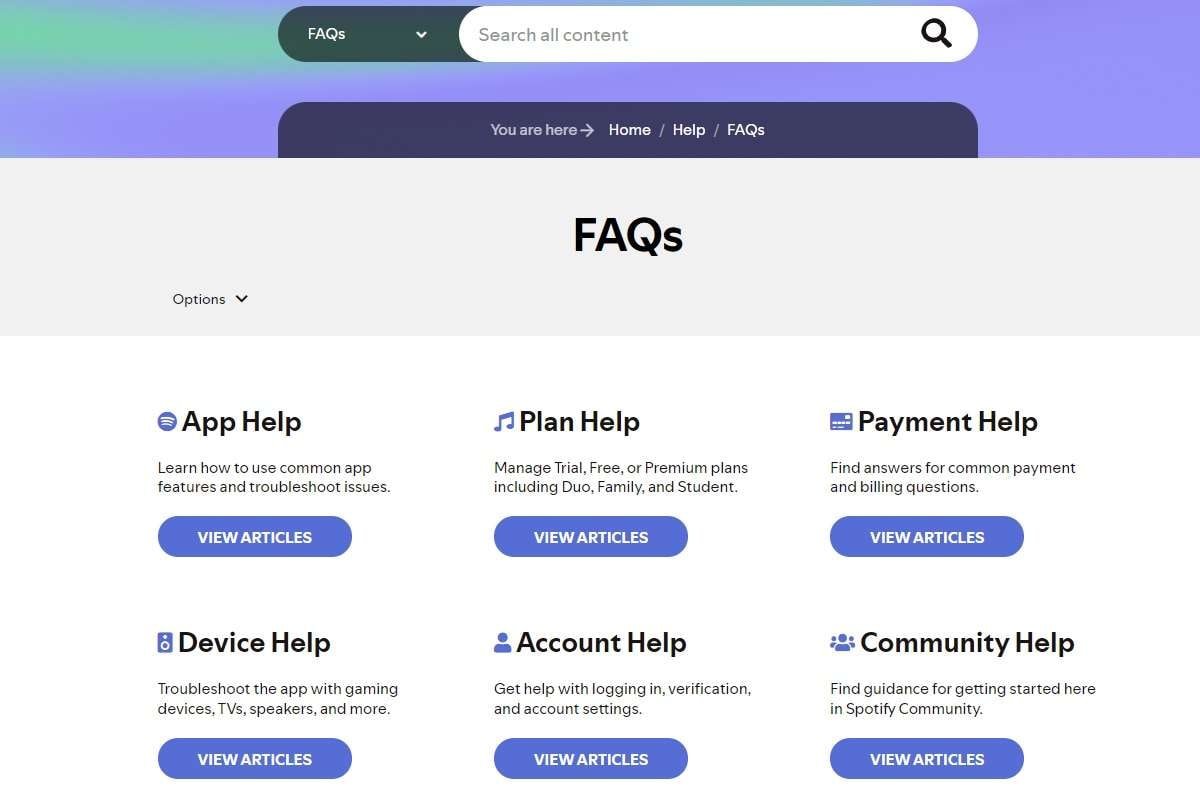
A proper FAQ page structure SEO approach improves both user experience and search performance. A poorly organized FAQ section can make information difficult to find.
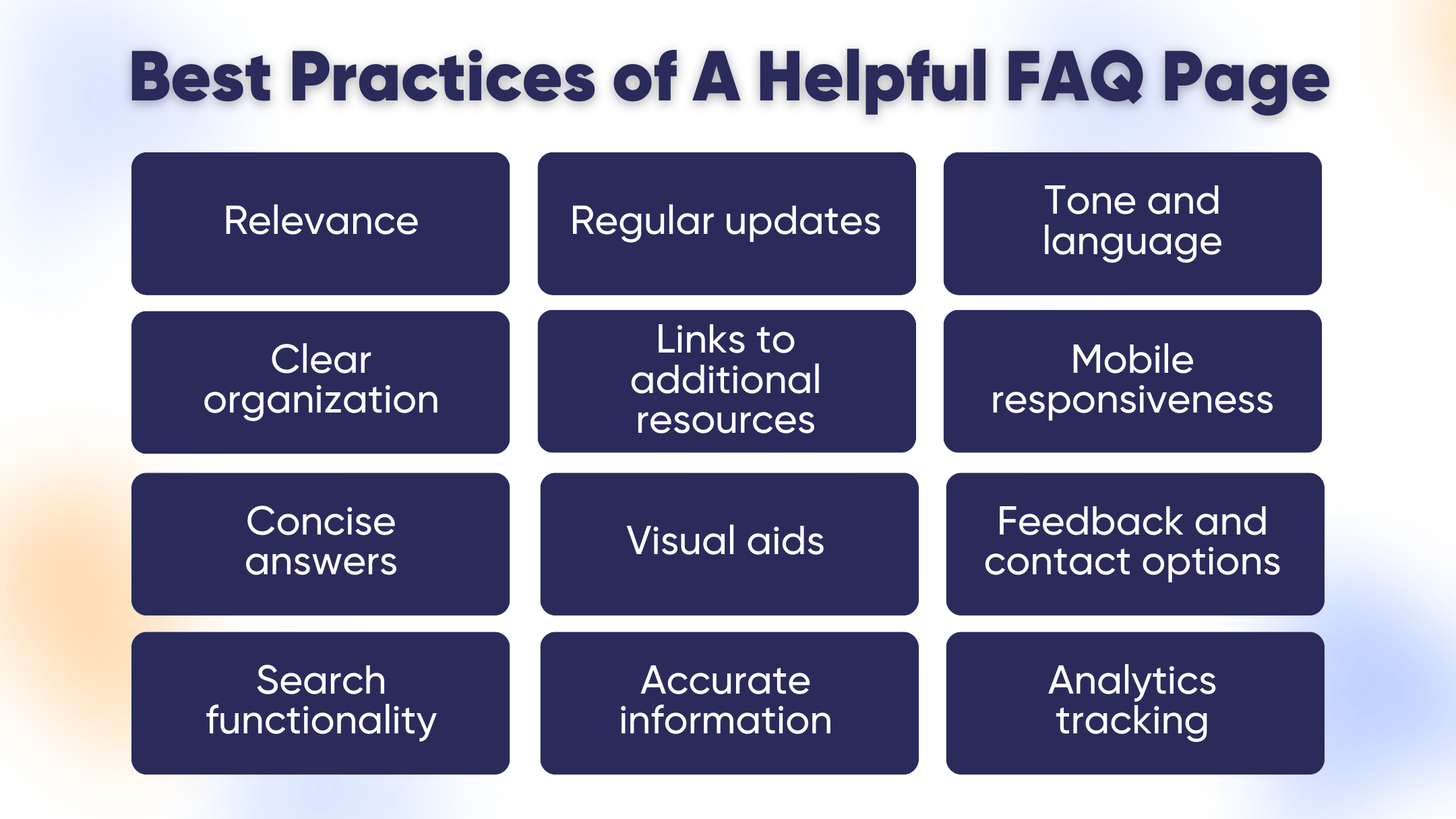
The structure should guide visitors naturally through related questions. Group similar topics together and create logical categories.
Search engines also benefit from organized content. Clear headings and sections help them understand relationships between different topics.
Organize FAQs Into Logical Categories
Grouping questions makes large FAQ pages easier to navigate. Categories should represent different user needs or stages of the buying journey.
For example:
- Product-related questions
- Pricing questions
- Technical questions
- Service questions
A categorized FAQ page reduces confusion and helps users find answers faster. Better navigation can also improve engagement metrics.
Optimize FAQ Headings and Answer Formatting
Each FAQ question should work like a mini heading. Use natural language that matches how people search.Avoid using complicated wording or unnecessary marketing phrases. Users prefer questions that sound natural and familiar.
A good FAQ format includes:
| FAQ Element | SEO Benefit |
|---|---|
| Clear question | Targets search queries |
| Detailed answer | Improves relevance |
| Internal links | Builds website authority |
This structure supports both readers and search engines.
How FAQ Schema Markup Improves Search Visibility
FAQ schema markup is structured data that helps search engines understand FAQ content. It provides additional information about questions and answers on a webpage.
Although schema does not guarantee higher rankings, it improves content understanding. Proper implementation can support better search presentation.
Schema should always represent visible content on the page. Misleading markup can create trust issues.
What Is FAQ Schema Markup?
FAQ schema uses specific code that identifies questions and answers for search engines. It allows platforms like Google to better interpret page information. This technical SEO element is especially useful for websites with detailed FAQ sections. It creates clearer communication between content and search engines.
However, content quality remains the most important ranking factor. Schema supports optimization but does not replace helpful information. Google’s official FAQ structured data guidelines explain exactly how to implement schema correctly and avoid common markup errors.
How to Add FAQ Schema Correctly
Adding schema requires following structured data guidelines. Website owners can implement JSON-LD markup and test it using validation tools.
Common mistakes include:
- Adding questions not visible on the page
- Using irrelevant answers
- Creating duplicate schema markup
Regular checks ensure the markup remains accurate and useful.
How to Rank With FAQ Pages and Increase Organic Traffic
Businesses can rank with FAQ page content by combining strong research, optimization, and helpful answers. The goal is creating content that solves problems better than competing pages.
FAQ pages should support the website’s broader content strategy. They should connect with blogs, product pages, and service pages.
A complete approach improves topical authority and organic reach over time.
Optimize FAQs for Featured Snippets
Featured snippets provide quick answers directly in search results. FAQ content has strong potential because it naturally uses question-and-answer formats.
To improve snippet opportunities:
- Answer questions immediately
- Use simple explanations
- Include accurate information
- Format content clearly
Short, direct answers often perform well because they match user expectations. For a deeper look at ranking content strategically, our comparison post SEO strategy guide shares similar principles for capturing high-intent search traffic.
Use Internal Linking to Strengthen FAQ Pagesx
Internal links help search engines discover important pages. They also guide visitors toward additional helpful resources.
Link FAQ answers to:
- Detailed blog posts
- Service pages
- Product guides
- Educational resources
This creates a connected website structure. It strengthens authority and improves user navigation.
Common FAQ SEO Mistakes to Avoid
Many websites fail because their FAQ pages focus only on keywords. Modern SEO requires helpful content that genuinely answers user questions. Avoid creating duplicate answers or adding unnecessary questions. Every FAQ should provide unique value.
Other mistakes include ignoring updates, using poor formatting, and forgetting internal links. Regular improvements keep FAQ pages competitive.
Advanced FAQ Page SEO Strategies for 2026
SEO continues changing with AI search, voice search, and evolving user behavior. FAQ pages should adapt to these developments.
Modern optimization focuses on entities, context, and complete answers. Websites should create content that supports both traditional search engines and AI-powered search experiences.
An advanced FAQ strategy includes:
- Understanding conversational searches
- Creating expert-level answers
- Updating outdated information
- Supporting content with trustworthy sources
These improvements help websites build stronger online credibility.
Conclusion
Creating a successful FAQ page requires more than adding simple questions and answers. A strong strategy combines keyword research, helpful content, structured organization, and technical optimization to attract valuable search traffic. Businesses that invest in an SEO-focused FAQ approach can improve visibility and provide better experiences for their audiences.
A well-planned FAQ page also supports brand authority by answering customer concerns clearly and consistently. Platforms like brandsholder can benefit from using strategic FAQ optimization to strengthen online presence and improve user trust. When FAQs are created with genuine value, they become long-term assets for organic growth.
Frequently Asked Questions
What makes an FAQ page SEO friendly?
An SEO-friendly FAQ page uses relevant questions, helpful answers, proper formatting, internal links, and structured data. It focuses on user needs instead of keyword repetition.
How many questions should an FAQ page contain?
There is no fixed number of questions required. The ideal amount depends on the topic, audience needs, and available valuable information.
Does FAQ schema markup improve rankings?
FAQ schema markup helps search engines understand content but does not directly guarantee higher rankings. Quality content remains the main ranking factor.
Can FAQ pages rank for multiple keywords?
Yes, FAQ pages can rank for many related keywords because each question may target a different search query or long-tail phrase.
How often should FAQ content be updated?
FAQ content should be reviewed regularly to ensure information remains accurate, useful, and aligned with current search trends.