Featured snippets in 2026 are AI-enhanced SERP features that require structured, intent-focused, and semantically rich content. Success depends on direct answers, clean formatting, and E-E-A-T signals. Winning position zero improves visibility, authority, and organic traffic significantly in modern SEO ecosystems.
What Are Featured Snippets in 2026 and Why They Matter
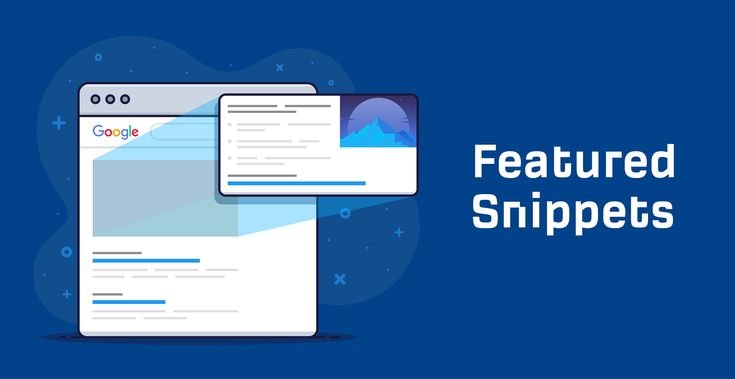
Featured snippets in 2026 are advanced SERP elements that extract direct answers from web pages. Google now combines AI-driven results with traditional snippet formats. This makes featured snippet optimization 2026 more competitive and strategic than ever before for digital marketers.
These snippets appear above organic results and are often called position zero. They are designed to give users instant answers without clicking multiple pages. In modern search landscapes, winning this space means dominating visibility in search engines completely.
Why Featured Snippets Influence Modern Search Behavior
Featured snippets reduce user effort by delivering instant, precise answers. Users no longer need to scroll through multiple websites for basic information. This shift increases zero-click searches significantly across Google SERPs while prioritizing highly credible domains.
From an SEO perspective, this means content must be structured for instant extraction. Google prefers content that directly answers questions in a clear format. That is why featured snippet optimization 2026 is essential for digital growth and authority building.
Types of Featured Snippets You Must Target
Google displays different snippet formats depending on user intent and query type. Understanding these formats is essential for an effective optimization strategy. Each of the unique snippet types requires a different content structure approach to match Google’s processing layout.
| Snippet Type | Purpose | Best Optimization Method |
|---|---|---|
| Paragraph | Direct answers | Concise definitions |
| List | Step-by-step guides | Ordered formatting |
| Table | Comparisons | Structured data tables |
| Video | Visual explanation | YouTube optimization |
Paragraph Snippets for Direct Answers
Paragraph snippets are the most common type in Google search results. They appear for definitional and informational queries. Content must provide clear and immediate answers within the first few lines to catch the search engine’s scanner.
Each answer should be simple, factual, and easy to extract. Google prefers 40–60 word responses for snippet selection. Aligning your definitions with these specific snippet types strongly supports modern organic traffic acquisition strategies.
List Snippets for Structured Guidance
List snippets are triggered when users search “how to” queries. They break information into steps or bullet points for clarity. This improves readability and extraction by Google systems, which favor clean chronological order.
Each step should be logical and action-oriented for best results. Avoid complex sentences that reduce clarity or flow. Learning how to get featured snippet real estate requires this structural precision across all your informational assets.
Table Snippets for Data Comparison
Table snippets are used for comparison-based search queries. They help users evaluate features, prices, or differences quickly. Google prefers structured and clean HTML tables over text-heavy descriptions.
| Feature | Benefit | SEO Impact |
|---|---|---|
| Clarity | Easy reading | Higher snippet chance |
| Structure | Better indexing | Strong ranking signals |
| Relevance | User-focused | Improved CTR |
Tables significantly improve semantic SEO and AI comprehension. They also increase your site’s operational visibility by making data clear and easily digestible for web crawlers.
Featured Snippet Optimization 2026 Strategies That Actually Work
Modern SEO requires more than keyword placement and backlinks. Google now uses AI-based understanding of content quality and intent. That is why strategy matters more than simple optimization tricks or short-term hacks.
You must focus on structure, clarity, and user satisfaction signals. Content that solves problems quickly has a higher chance of ranking. Implementing actions to optimize for featured snippet boxes is the core to driving long-term digital authority.

Write Direct Answer First Approach
Always start with a direct answer in the first 2–3 lines. This helps Google identify relevant extractable content instantly. Avoid long introductions before answering the main question to keep abandonment rates exceptionally low.
Keep answers short, precise, and informative for best results. Clear syntax and straightforward phrasing maximize data clarity. This structure improves eligibility for a coveted position zero google ranking spot.
Use Semantic SEO and Entity-Based Writing
Semantic SEO helps Google understand context beyond keywords. It focuses on meaning, relationships, and topical authority. This is critical in AI-driven search environments where contextual intelligence rules the SERPs.
Include related entities, synonyms, and contextual keywords naturally in content. This improves relevance and snippet selection probability. Modern visibility heavily depends on semantic depth and data verification.
Optimize Content Structure for AI Extraction
Content structure plays a major role in snippet selection today. Use clear headings, short paragraphs, and logical flow. Google AI extracts well-organized content more easily when it follows a standard hierarchical architecture.
Avoid clutter and ensure readability across all devices. Clean data layouts perform best in AI indexing cycles. Taking active steps to optimize for featured snippet displays enhances your structured snippet eligibility significantly.
How to Get Featured Snippet in 2026 (Step-by-Step System)
Winning featured snippets requires a systematic SEO approach. You cannot rely on random optimization techniques anymore. Structured execution and authoritative writing are essential for consistent results.
Start with keyword research, then analyze competitor snippet winners. Build content that is clearer and more useful than existing results. Knowing exactly how to get featured snippet placements helps in securing competitive advantages in crowded niches.
Step 1: Identify Snippet Opportunities
Find question-based keywords with existing snippet results. These keywords already have snippet intent signals from Google. Focus on “what is,” “how to,” and “why” queries that are proven to trigger automated summaries.
Targeting queries that match the intent of specific formats improves scaling efficiency. This step forms the foundation of high-yield digital marketing plans.
Step 2: Analyze Competitor Snippet Content
Study top-ranking pages and identify content gaps. Look at structure, formatting, and answer clarity. Improve upon weak explanations and missing details by providing verified facts.
This helps you create stronger and more useful content for the end-user. Better content structure increases ranking probability across all primary search formats.
On-Page SEO Techniques for Position Zero Google Ranking
On-page SEO is still a major ranking factor for snippets. Google evaluates structure, clarity, and relevance before selecting content. Proper optimization improves both visibility and engagement.
Focus on headers, internal links, and content hierarchy. Use natural language processing patterns without over-optimization. This supports long-term growth and secures a steady position zero google presence.
Header Optimization and Keyword Placement
Headers help Google understand content structure and relevance. Use primary and secondary keywords naturally in headings. Avoid keyword stuffing in titles and subheadings to maintain professional readability. Proper headers improve both SEO and user experience quality. Organizing your subtopics correctly ensures search bots can trace your logical conclusions effortlessly.
Mastering these techniques becomes much easier when you understand the full scope of on-page factors. Our detailed guide on on-page SEO best practices covers everything from title tag optimization to internal linking structures that support snippet eligibility.
Schema Markup for Enhanced Visibility
Schema markup improves how Google interprets page content. It enhances eligibility for rich results and snippets. Structured data provides deep context for search engines, verifying facts automatically.
Implementing advanced schema tools boosts semantic understanding and AI search performance. This technical layout provides the ultimate trust signals necessary for top-tier indexing.
Common Mistakes in Featured Snippet Optimization
Many websites fail due to poor SEO execution and weak structure. Google now prioritizes clarity over keyword manipulation. Mistakes reduce chances of winning premium rankings in highly valued spaces.
Avoid long paragraphs, unclear answers, and irrelevant content. Focus on intent satisfaction and structured formatting. This remains critical for comprehensive digital performance.
Keyword Stuffing and Weak Structure
Keyword stuffing reduces readability and SEO performance significantly. It confuses both users and search engines. Clean structure improves ranking and snippet eligibility across the board.
Focus on natural language and semantic relevance instead of repeating exact terms. High-quality editorial standards always result in superior indexing.
Future of Featured Snippets in 2026 (AI Evolution Impact)
Featured snippets are evolving due to AI integration in search. Google now blends AI Overviews with traditional snippets. This changes how content is selected, compiled, and displayed on screens.
Zero-click searches are increasing rapidly across all industries. However, snippets still drive authority and visibility. SEO professionals must adapt to these AI-driven changes to maintain visibility.
AI Overviews and SERP Transformation
AI Overviews reduce dependency on traditional search clicks. They provide summarized answers directly on results pages. This increases competition for snippet placement significantly.
Adapting your publishing workflow to meet these changes requires an AI-ready content structure. Keeping your layout clean secures your position in modern discovery engines.
Key Takeaways
- Focus on structured, intent-based SEO content
- Use direct answers for snippet eligibility
- Optimize for AI-driven SERP evolution
- Prioritize semantic SEO over keyword stuffing
- Build authority with E-E-A-T principles
Conclusion
Featured snippets in 2026 require structured SEO, clarity, and semantic depth. You must focus on user intent and AI-driven search behavior. Winning position zero increases visibility, authority, and organic growth significantly.
The Brandsholder approach emphasizes authority-driven content, semantic optimization, and E-E-A-T alignment. It ensures your content is trusted, structured, and AI-ready. Modern structural optimization is not optional—it is essential for competitive SEO success.
FAQs
1. What is a featured snippet in Google?
A featured snippet is a direct answer shown at top.
2. How can I get featured snippets fast?
Use structured answers and question-based keyword targeting consistently.
3. Do featured snippets increase website traffic?
Yes, they improve visibility and organic click-through rates significantly.
4. What content works best for snippets?
Clear, structured, and intent-focused content performs best for snippets.
5. Is schema important for featured snippets?
Yes, schema improves context understanding and ranking opportunities.