The google helpful content system evaluates entire websites based on situational usefulness, digital footprint credibility, and user satisfaction signals. It prioritizes people-first assets over pure algorithmic optimization tricks. Websites that provide deep, original, and experience-based insights gain long-term ranking stability, while thin or low-value networks face sudden demotion during major evaluation updates.
What is the Google Helpful Content System?
The algorithmic framework known as the google helpful content system is a site-wide mechanism designed to evaluate whether online resources are genuinely advantageous for readers. It focuses on rewarding natural human-first value instead of keyword-heavy layouts or search-engine-first writing styles. Google introduced this automated system to clean up its index, drastically improving search quality while lowering the exposure of robotic material.
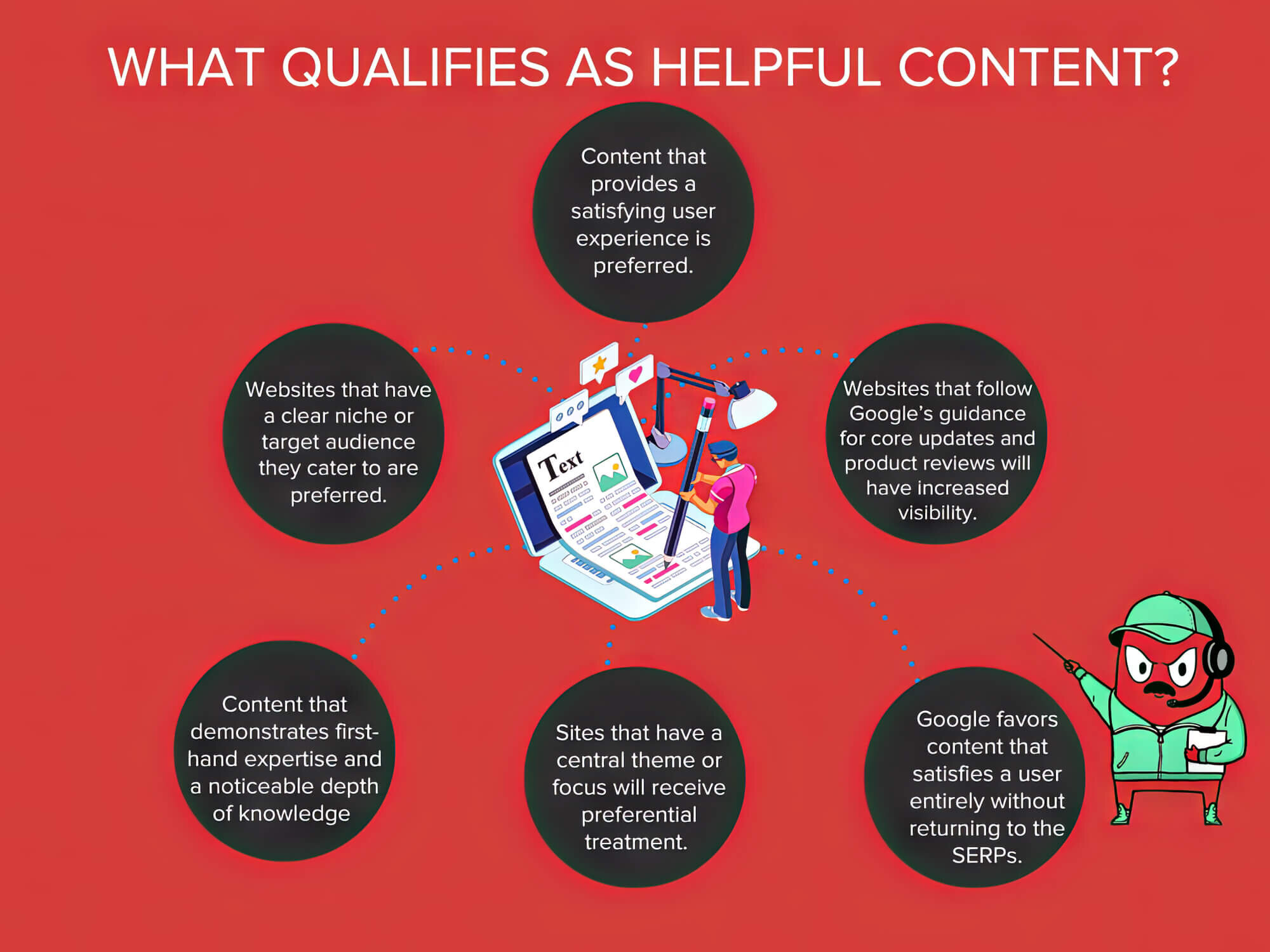
This processing engine specifically analyzes whether your text satisfies real search intent in an organic way. Because it works across your entire domain rather than just screening isolated URLs, a cluster of low-quality pages can easily pull down your primary sections. The methodology behind this automated filter is a core part of how modern search works today.
The entire setup is heavily integrated into Google’s primary core updates. It continuously recalculates domain quality classifications using complex machine learning models. The end goal of this system is to reward real experience, clear subject mastery, and transparent publication standards.
How Google Scores Content Quality in the Helpful Content System
Google does not assign a simple numerical score to your articles behind the scenes. Instead, it measures multiple modern utility parameters concurrently to understand real-world value. These combined metrics help the machine determine if an article deserves top positioning or demotion.
The evaluation process focuses heavily on semantic relevance, absolute depth, and immediate post-click satisfaction. It checks how effectively the text answers a consumer query without forcing them to look elsewhere. This creates a deeply layered quality check rather than relying on basic, old-school ranking factors.
Content quality signals Google evaluates
Google measures content quality using several structured signals. These signals help identify whether your page provides real value or not.
| Signal Type | Meaning | SEO Impact |
|---|---|---|
| Relevance | Matches user query intent | High ranking influence |
| Depth | Covers topic in detail | Builds authority |
| Originality | Unique insights and data | Improves trust |
| Structure | Clear formatting & readability | Better UX & engagement |
| EEAT | Experience, expertise, authority, trust | Strong ranking factor |
Each component helps the automated classifier build a domain-wide profile. Sites containing duplicate intent structural flaws or surface-level summaries frequently witness severe traffic drops during core updates.
Behavioral signals that influence scoring
Google also pays close attention to how users interact with your pages after clicking through from the search engine. These indirect engagement patterns act as a real-time validation mechanism for automated scoring models.
When a visitor lands on a page and remains there to consume the material, it acts as a strong indicator of value. Conversely, if they hit the back button within seconds to choose a competitor, it reveals a clear lack of alignment. This behavior highlights the practical reality of how google scores content in the modern search ecosystem.
Metrics like scroll depth, active interaction time, and secondary clicks help systems understand if your page fulfills its initial promise. While these user actions aren’t individual, direct levers you can manipulate, they heavily influence how background classification models judge your domain.
Helpfulness Signals in SEO Explained
The term helpfulness signals refers to the indicators that show how efficiently an asset resolves a consumer’s problem. These identifiers are central to how modern automated search systems organize the web. They dictate whether a specific URL earns permanent search real estate or drops into obscurity.
Google actively prioritizes production models that feel authentic, practical, and heavily backed by personal validation. It automatically restricts organic visibility for layouts that exist solely to catch high-volume search phrases. This user-first philosophy is essential for sustaining visibility within Generative Engine Optimization models.
User satisfaction metrics Google may use
The system estimates satisfaction by observing how fluidly a searcher finds their solution. These background patterns confirm if a page deserves a quality boost.
-
Extended click duration before a user returns to the main search interface.
-
High interactive engagement rates across complex informational sections.
-
A noticeable reduction in repeat search queries for the same exact topic.
These behavioral trails reflect strong practical value. Maintaining a high level of user satisfaction keeps your target rankings safe over long evaluation cycles.
E-E-A-T and Its Role in Helpful Content Scoring
E-E-A-T represents the core pillars of Experience, Expertise, Authoritativeness, and Trustworthiness. It serves as an essential manual and automated benchmark used by quality raters to judge web standards.
Articles written by people with firsthand experience naturally outperform generic summaries on complex topics. Demonstrable expertise brings much-needed clarity to difficult industries. True authority establishes deep niche credibility, while transparent trustworthiness protects your digital identity from system flags.
Google uses these specific quality filters to weed out deceptive or misleading platforms. Brands that skip these basic verification standards are usually the first to lose positions when major algorithm adjustments go live.
How the Helpful Content Update Impacts Rankings
A major helpful content update explained in simple terms shows that the system functions exclusively on a site-wide scale. This means the algorithm scans your total brand footprint rather than judging URLs in complete isolation. Consequently, leaving a pile of old, unoptimized draft material active can damage your top-performing landing pages.
Brands that focus on maintaining uniform editorial standards across all URLs get rewarded with broader reach. On the flip side, sites relying on outdated production patterns or mass-produced text usually face a sharp drop in impressions. This background system is constantly refining its filters during rolling algorithmic updates.
Sites Most Affected by the Update
Specific categories of web properties are much more vulnerable to automated demotions. These setups almost always place search engine algorithms above actual human needs.
-
Review platforms publishing thin summaries without testing products.
-
High-volume automated publishing networks lacking editorial supervision.
-
Information websites crammed with unnatural key phrase variations.
These setups generally lack unique insights and clear background identification signals. As a direct result, search engines aggressively lower their visibility across international indexes.
Positive Ranking Effects for Quality Sites
Ethical, well-structured web platforms gain a massive advantage from this automated balance system. They enjoy steady organic growth and excellent immunity against unpredictable core adjustments.
Developing true niche authority allows clean brands to lead competitive keywords effortlessly. A smart internal strategy helps clarify the relationship between your subtopics. Over time, this consistent quality builds undeniable SEO equity that engines naturally favor.
How to Improve Content for Google Helpful Content System
Fixing broken traffic patterns requires a permanent shift from traditional, code-heavy optimization toward genuinely useful editorial assembly. The search engine is designed to reward production that explains complex concepts simply and cleanly. This remains the core foundation of modern organic marketing success.
Your primary focus should always center on clarity, actionable utility, and clear background validation. Avoid over-optimizing your technical layouts or repeating identical phrases in every section. Writing for a real person yields significantly better long-term search results.
Writing People-First Content
Creating people-first text means you prioritize solving a reader’s issues before worrying about search bots. This targeted focus naturally enhances on-page retention rates and reduces immediate bounce metrics.
You should aim to answer core inquiries immediately without burying the solution under paragraphs of introduction filler. Using a simple conversational style ensures your message is easy to understand. This clean approach satisfies both human users and background sorting algorithms simultaneously.
Building Topical Authority
Developing true authority requires covering an industry niche deeply across an organized web of highly specific URLs. This structured approach makes it incredibly easy for search bots to recognize your underlying brand expertise.
A clean internal linking setup connects related subtopics into easily read clusters. This intentional structure improves crawl efficiency while optimizing semantic paths for search bots. Over time, it raises the overall ranking power of your entire domain name.
Improving Content Quality Signals
You can raise your overall content quality google evaluation metrics by regularly injecting real-world data, screenshots, and unique examples into your write-ups. Adding practical case studies instantly separates your work from generic automated text. Clear text formatting options, like bulleted lists and short paragraphs, make reading effortless.
Consistently maintaining your archived material is equally critical for long-term health. Modern search systems heavily favor accurate, up-to-date data over historical logs. Keeping your index fresh ensures your brand maintains its competitive edge.
Common Mistakes That Trigger Helpful Content Demotion
Many platforms accidentally destroy their organic reach by repeating outdated technical mistakes. These bad habits trigger flags that automatically lower your brand’s overall score.
Publishing thin material with no clear unique value remains a primary cause of modern indexing penalties. Stuffing variations into headings to trick search crawlers also ruins the natural reader experience. Similarly, creating multiple pages targeting nearly identical search terms confuses structural bots.
Relying entirely on raw machine outputs without heavy human editing introduces severe quality risks. A complete absence of verifiable background credentials destroys user trust. These common editorial oversights are the main reasons why domains drop during core updates.
Future of Google Helpful Content System
The underlying sorting logic is rapidly evolving alongside artificial intelligence advancements. Search engines are getting incredibly smart at detecting true user satisfaction and actual intent fulfilment. Upcoming core changes will be significantly more precise and focused on behavioral patterns.
Core system shakeups will likely become a continuous, automated part of daily indexing. The background evaluation models will rely even more on real user experience indicators. This structural shift makes premium, authentic text more essential than anything else in digital marketing.
Conclusion
The evolution of modern indexing represents a permanent shift toward genuine value, clear transparency, and people-first communication styles. Web properties that commit to honest, educational copy consistently outperform old-school setups.
If your primary objective is achieving sustainable organic expansion, working with specialized platforms like Brandsholder can help you align your overarching strategy with these strict algorithmic guidelines. Brandsholder focuses on building clear authority models, clean operational frameworks, and user-centric layouts designed for long-term growth.
When organizing your upcoming marketing campaigns, always remember one foundational rule: helpful text always wins over shortcuts.
FAQs
1. What is the Google Helpful Content System?
It is a ranking system that evaluates whether content is helpful for users. It prioritizes people-first content over keyword-focused writing.
2. How does Google score content quality?
Google uses multiple signals like relevance, engagement, EEAT, and originality. These combined signals determine overall content usefulness.
3. What is helpful content update explained in SEO?
It is a Google update that reduces visibility of low-value content. It rewards high-quality, user-focused pages instead.
4. How can I recover from helpful content update?
Improve content depth, remove thin pages, and focus on EEAT. Updating and restructuring content also helps recovery.
5. What are helpfulness signals in Google ranking?
Helpfulness signals include engagement, satisfaction, and intent matching. They show how useful your content is for users.