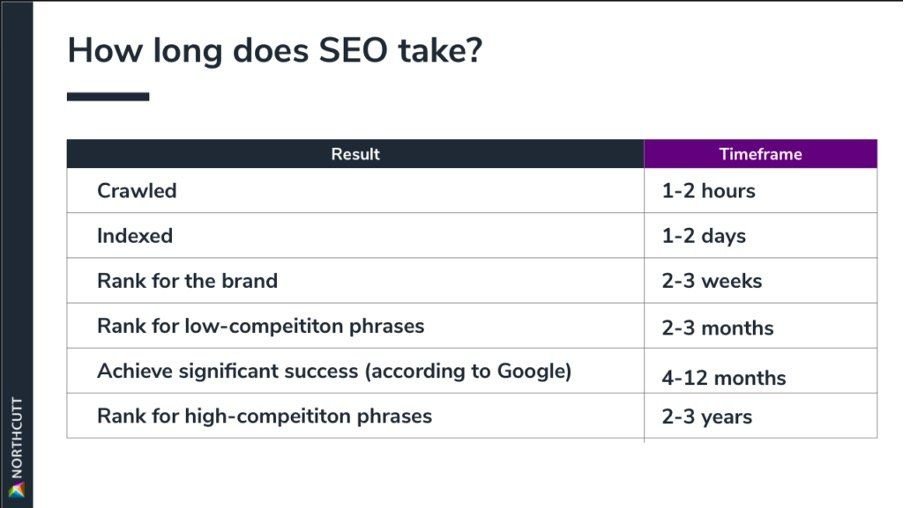
Search engine optimization is a powerful, long-term strategy that typically takes four to twelve months to show strong results. The actual velocity depends heavily on factors like market competition, domain authority, content depth, and backlink profiles. While early improvements often appear within two to three months, achieving stable, top-tier rankings requires continuous effort. Because performance compounds over time, organic search functions as a highly sustainable growth channel for businesses willing to invest the necessary time.
Beginners often get confused by these timelines because organic traffic does not shift overnight. If you are launching a campaign, you naturally want to know how long does seo take before your pages start attracting qualified visitors. The reality is that search engines evaluate websites deliberately to ensure accuracy, trust, and user relevance. Instead of looking for an instant quick fix, it helps to view organic visibility as a gradual build. In this comprehensive guide, we will break down exactly when seo starts working in practical terms so you can plan your digital strategy with clarity.
How Long Does SEO Take on Average?
On average, most businesses can expect to see noticeable organic progress within four to twelve months of consistent optimization. However, this is not a one-size-fits-all window; low-competition pages targeting niche queries might show upward movement in as little as ninety days. Conversely, going after highly competitive terms will naturally extend your path to the first page.
Setting seo realistic expectations from day one prevents frustration and keeps your team focused on the right metrics. Established websites possessing a strong baseline of domain authority will inherently see faster progress than brand-new URLs. Because every industry niche behaves differently based on competitor activity, your specific seo results timeline will adapt to the unique landscape of your market.
Why SEO Takes Time to Work
Organic search requires patience because modern search engines analyze hundreds of complex ranking signals to protect user experience. Algorithms do not hand out top positions to new websites instantly without historical performance data; they require proof of reliability.
Search Engines Need Time to Evaluate Trust
Algorithms build trust through repeated crawling, indexing, and user engagement evaluation cycles. New domains must establish credibility by maintaining a steady publishing schedule and resolving technical errors. Your overall ranking position improves systematically as authority signals strengthen across the entire site architecture. This deliberate verification process explains why organic growth takes longer to scale than paid advertising campaigns, but it also means the resulting traffic is far more resilient.
Content Discovery and Indexation Processing
Before any page can compete for rankings, it must first be successfully discovered, crawled, and indexed. Indexation is the mechanism that allows search engines to understand your content structure, intent mapping, and topic relevance. Optimization adjustments only begin to influence your visibility after this crucial discovery process is finalized. If a site suffers from poor optimization or rendering issues, it slows down indexation and delays performance gains across multiple search queries.
Building Authoritative Signals Backlinks
Inbound links from respected platforms serve as digital votes of confidence for your content. Acquiring high-quality editorial links improves your domain authority and overall ranking strength over time. Because a clean, sustainable link-building strategy relies on genuine outreach and exceptional content creation, your seo results timeline is directly influenced by how consistently you earn these references. Understanding the full mechanics of how link building works helps businesses structure their outreach campaigns more efficiently from the very first month. Securing natural placements provides the foundational support needed for long-term keyword stability.
The Impact of Market Competition
The timeline for organic growth shifts based on keyword difficulty and industry entry barriers. Highly competitive sectors crowded with entrenched authority sites require massive content depth and aggressive technical optimization to penetrate. On the flip side, long-tail terms with lower competitive pressure rank significantly faster with fewer resources. Ultimately, the total number of months to rank google depends on the strength and speed of the competitors you are trying to outmaneuver.
SEO Results Timeline Month by Month
Organic progress unfolds through structured phases, where each stage builds directly upon the technical and creative work completed before it. Tracking your campaign using this monthly roadmap ensures you maintain a data-driven approach to growth.
Month 1 — Technical SEO & Research
The opening phase of a campaign focuses on comprehensive technical audits, deep keyword research, and structural repairs. Ensuring that search engine bots can crawl and parse your site architecture without encountering crawl blocks or broken loops is critical. A proper technical SEO audit covers crawlability, site speed, structured data, and indexation issues that directly affect how quickly search engines begin processing your content. Laying down a flawless technical foundation here prevents indexing issues and prepares your platform for future content updates.
Month 2 — Content Optimization Begins
With research completed, the focus shifts to strategic content refinement, metadata updates, and internal link mapping. Pages are organized with clear heading structures to maximize topic relevance and improve readability scores. You may begin to notice minor shifts in early visibility metrics as search engine algorithms start processing these contextual improvements.
Month 3 — Early Indexing & Movement
During the third month, search engine systems begin registering the optimized updates across your target URLs. While your primary target terms might sit on lower search pages initially, this stage is when seo starts working behind the scenes. You will generally notice a distinct rise in overall impressions within your analytics dashboard, even if direct organic clicks are still scaling up.
Months 4–6 — Growth Phase Begins
This window marks the transition into visible, measurable traffic expansion and ranking improvements. Long-tail keyword variations begin capturing stable positions, driving a steady stream of targeted organic visitors to your landing pages. Your overall seo results timeline gains predictable momentum during this period as your content cluster strategy begins to take hold.
Months 6–12 — Authority Building Stage
As your domain accumulates trust, your site earns the capability to compete for high-volume, competitive search terms. The compounding effect of your early optimization, technical maintenance, and link acquisition becomes fully visible. Calculating the exact months to rank google for your primary terms becomes highly reliable as your brand cements its position at the top of search verticals.
| Timeline | SEO Progress Stage |
|---|---|
| Month 1 | Technical setup and research |
| Month 2 | Content optimization begins |
| Month 3 | Early indexing signals |
| Month 4–6 | Traffic growth phase |
| Month 6–12 | Authority building stage |
Factors That Affect How Fast SEO Works
Organic performance relies on several overlapping factors working in harmony. Fine-tuning these individual components allows you to influence how quickly your site gains traction in search results.
Website Age
Mature domains that possess clean historical data carry established trust signals that help them rank new content faster than unverified, brand-new URLs.
Domain Authority
Platforms with solid authority scores navigate competitive search landscapes efficiently, making backlink accumulation a core focus for newer setups.
Content Quality
Search algorithms prioritize comprehensive, original content that satisfies user search intent directly while offering an exceptional reading experience.
Backlink Profile
Earning authoritative, natural inbound links from relevant industry sites accelerates your ranking velocity and secures your organic positioning.
Keyword Competition
Balancing high-competition industry terms with accessible, low-competition phrases lets you secure quick traffic wins while building up to larger targets.
How Long SEO Takes for Different Websites
SEO timelines vary based on website type and industry competition levels. Different business models require different optimization strategies and timeframes overall. SEO is never identical across all websites.
The operational scale and business model of your website will dictate the specific optimization workflows and timeframes required to achieve top-tier visibility.
New Domains
Brand-new websites typically require six to twelve months to generate significant organic momentum. These platforms must build search engine trust from scratch through consistent content publication, technical optimization, and foundational authority building before climbing competitive rankings.
Local Businesses
A local optimization campaign often yields faster returns, with noticeable traffic improvements appearing within three to six months. Because geographic search boundaries limit the immediate competitor pool, optimizing local profiles and matching regional user intent can establish market visibility relatively quickly.
Ecommerce Platforms
Online stores often require six to eighteen months to scale their organic visibility across category and product pages. Managing faceted navigation, fixing duplicate content issues, and optimizing large numbers of product listings demands ongoing technical maintenance and specialized link strategies.
SaaS Companies
Software-as-a-Service platforms rely heavily on detailed content marketing funnels, long-tail problem-solving blogs, and authoritative backlink profiles. Achieving top placement for competitive software keywords generally requires six to twelve months of targeted execution to build topic authority.
Realistic SEO Expectations Most People Miss
A common mistake businesses make is expecting instantaneous, linear jumps in organic traffic right after launching a campaign. In reality, rankings fluctuate naturally as algorithms update and test content relevance across different user groups. Recognizing that growth builds exponentially helps you maintain a steady approach during temporary shifts. Real success is achieved by looking past daily rank variations and focusing on long-term trends like sustainable impression growth, qualified lead acquisition, and total conversions.
Signs Your SEO Is Working
Before high-volume keyword rankings convert into direct sales, your analytics data will show several early health indicators that confirm your strategy is on track:
-
A steady upward trend in total impressions within Google Search Console.
-
An increased rate of page indexation and faster discovery times for new URLs.
- Google’s official Search Console documentation on performance reports explains exactly how to read impressions, clicks, and indexation data to confirm your SEO campaign is progressing correctly.
-
Gradual ranking improvements for a broad cluster of long-tail keyword variations.
-
An increase in organic traffic landing across multiple diverse blog posts rather than just the homepage.
Common SEO Mistakes That Delay Results
Many digital marketing campaigns stall because of avoidable implementation errors that confuse search crawlers and degrade user experience. Targeting highly competitive, short-tail terms too early in a site’s lifecycle often leads to flat lines in traffic data.
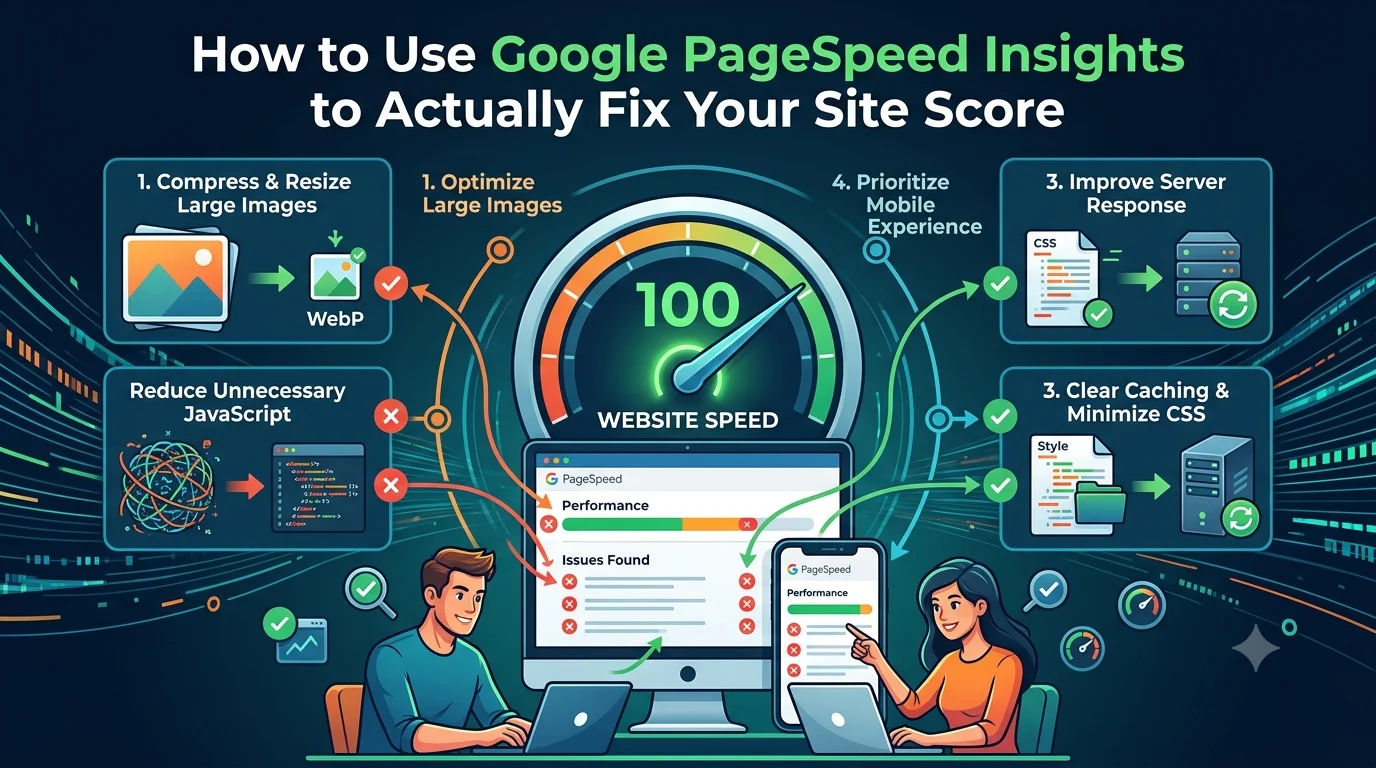
Similarly, publishing thin or repetitive content that fails to address specific search queries will cause search systems to devalue your pages during core updates. Neglecting fundamental technical issues like slow page speeds, broken internal redirect loops, or poor mobile responsiveness creates indexing barriers that stop your content from ranking.
How to Speed Up SEO Safely
While you cannot force search algorithms to speed up their verification cycles, you can optimize your implementation strategy to achieve clean, compliant ranking acceleration:
-
Target low-competition, long-tail keyword phrases to capture fast search visibility and early click data.
-
Build a tight, logical internal linking structure to help search bots crawl and index your content clusters efficiently.
-
Maintain a predictable publishing calendar filled with high-value, original articles that offer genuine utility to readers.
-
Regularly audit your platform to clean up technical errors, improve page speeds, and ensure clean metadata compliance.
Conclusion
Organic search success takes time because search engine algorithms must methodically verify trust, quality, and user satisfaction over several months. Achieving top-tier visibility requires a blend of technical precision, outstanding content depth, and operational patience. Brands like Brandsholder demonstrate that following a disciplined, data-driven optimization roadmap ensures consistent growth and long-term search dominance. By setting realistic performance expectations and avoiding short-sighted shortcuts, you can turn organic search into your most reliable, compounding source of digital traffic.
FAQs
1. How long does SEO take for a new website?
New websites usually take six to twelve months for results. SEO depends on authority building and content consistency efforts. Strong optimization improves ranking speed over time.
2. When does SEO start working?
SEO usually starts showing early signals within two to three months. Impressions increase before actual rankings improve significantly. Progress depends on competition and optimization quality.
3. Can SEO work in three months?
Some low competition keywords may rank within three months. However, full SEO results usually require longer timeframes. SEO success depends on strategy and consistency.
4. Why does SEO take so long?
SEO takes time because Google builds trust gradually through signals. Backlinks and content authority require consistent long-term effort. Ranking systems evaluate multiple factors before positioning pages.
5. How many months does it take to rank on Google?
It usually takes four to twelve months depending on competition. Highly competitive niches may require more time. SEO results timeline varies by industry difficulty.