
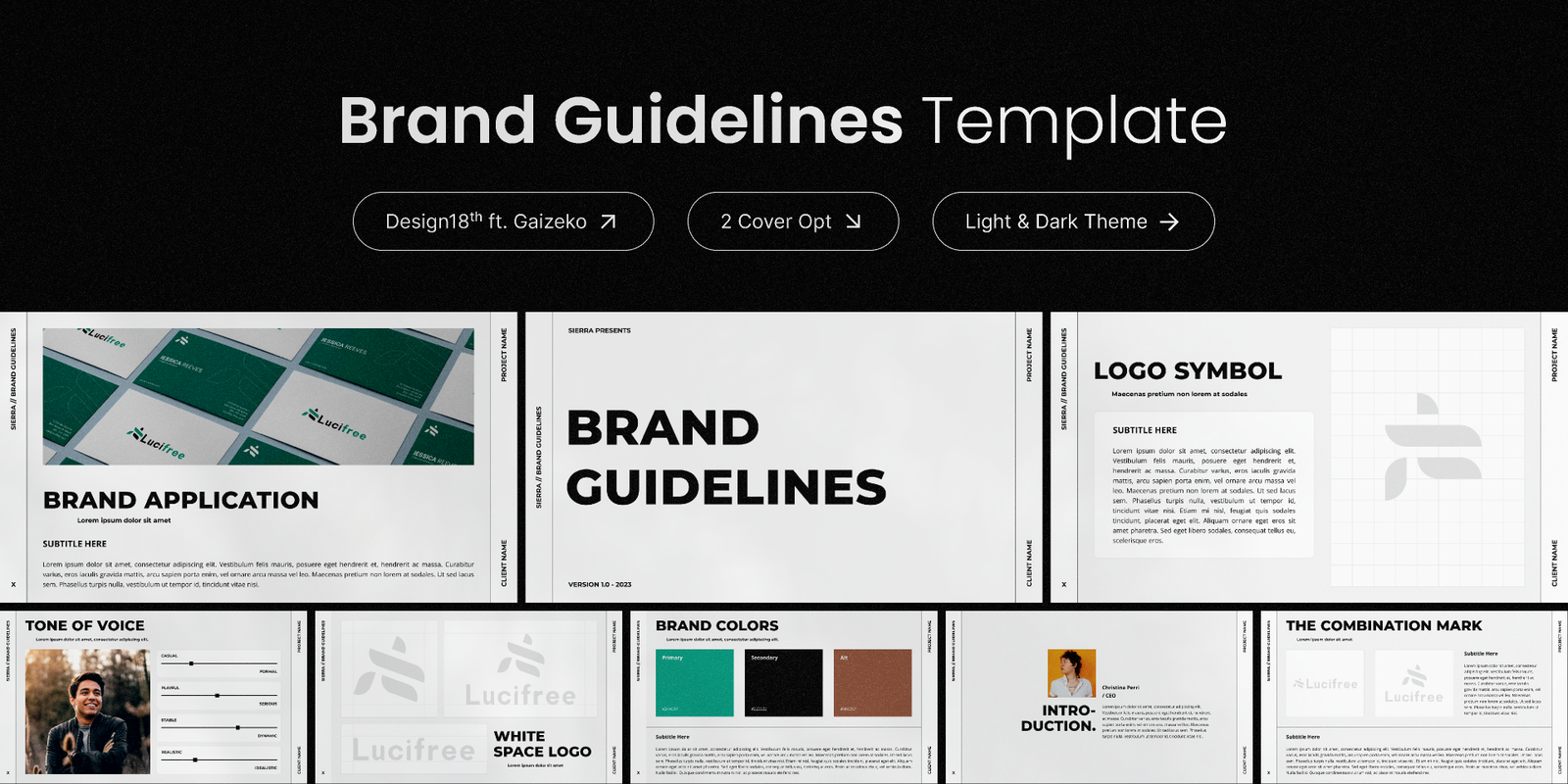
A brand guide creates consistency across visual and written communication. Start with your mission, audience, values, and brand personality. Document logos, colors, typography, imagery, and brand voice. Use real examples so collaborators understand the rules quickly. Keep approved assets in one organized brand kit. Choose a simple format your team can access and update. Review your guidelines whenever your identity or business changes.
How to Create a Brand Style Guide From Scratch + Free Template
A strong brand should look and sound consistent wherever customers find it. A clear guide gives your team one reliable source for making branding decisions. It can also save time when designers, writers, marketers, or freelancers work together. A brand style guide template makes this process easier by giving you a practical structure to follow.

Whether you run a startup, personal brand, agency, or established business, you can create useful guidelines without making them complicated. The goal is simple: document your identity, explain how to use it, and provide examples people can follow.
What Is a Brand Style Guide?
A brand style guide is a document explaining how your brand should appear and communicate. It brings important elements such as logos, colors, typography, imagery, and voice into one organized system. Good guidelines help different people create materials that still feel like they belong to the same brand.
Brand Style Guide vs. Brand Kit
A style guide explains the rules behind your visual and verbal identity. A brand kit, on the other hand, usually contains the actual assets needed to apply those rules. Think of the guide as the instruction manual and the kit as the organized toolbox. If you’re still deciding between the two, our guide on brand vs logo breaks down how these identity elements differ and work together.
Why Brand Guidelines Matter
Without documented rules, small design and writing choices can quickly become inconsistent. One designer may use the wrong logo, while another chooses an unrelated font or color. Clear guidelines create consistency, make collaboration easier, and strengthen recognition across different customer touchpoints.
Key takeaway: Your guide should make correct branding easier than guessing.
What Should a Brand Style Guide Include?
A useful guide should cover the elements people regularly use when representing your business. You do not need dozens of pages if your brand is small or relatively simple. Start with the essentials, then expand the document as your communication needs grow.
Brand Story, Mission, and Values
Begin with a short explanation of what your business represents. Include your mission, vision, values, audience, positioning, and personality where appropriate. This foundation helps designers and writers understand why specific visual and communication choices exist.
Logo Usage Guidelines
Show your primary logo and any approved variations in this section. Explain clear space, minimum size, acceptable backgrounds, and situations where the logo should not appear. Correct and incorrect examples are especially useful because visual demonstrations are easier to understand than long instructions. Before finalizing your logo rules, review our list of common logo design mistakes to avoid costly branding errors
Brand Colors
Document your primary and secondary color palettes with their relevant color codes. Depending on your needs, include HEX, RGB, and CMYK values for digital and print applications. Also check color contrast so important text and interface elements remain accessible.
Typography Guidelines
Choose a clear hierarchy for headings, subheadings, body copy, and supporting text. Specify approved typefaces, weights, sizes, spacing, and recommended combinations. Keeping typography simple prevents random font choices from weakening your visual identity.
Imagery, Icons, and Graphics
Explain the photography, illustration, icon, pattern, and graphic styles that represent your business. Describe whether images should feel bright, editorial, minimal, playful, professional, or something else. A visual brand guide becomes more useful when these directions include real examples.
Brand Voice and Tone
Your brand should sound recognizable as well as look recognizable. Define personality traits and explain how those traits influence website copy, emails, advertisements, social posts, and customer communication. Include examples of preferred language and phrases your team should avoid.
How to Make Brand Guidelines From Scratch
Creating guidelines becomes much easier when you build them in a logical order. Start with your existing brand identity instead of trying to design everything again. The following process works well for businesses creating their first professional guide.
1. Define Your Brand Foundation
Write down your mission, vision, values, audience, positioning, and personality first. These decisions give your visual identity and messaging a clear direction. If these fundamentals are unclear, choosing colors or fonts too early can create an identity that feels disconnected.
2. Gather Your Existing Brand Assets
Collect every approved asset before building the document. This can include logos, fonts, color codes, photographs, icons, social templates, presentations, advertisements, and website elements. Remove outdated versions so your team does not accidentally use an old asset.
3. Build Your Visual Identity Rules
Turn your existing design choices into simple, repeatable instructions. Explain which logo variation belongs on different backgrounds, where colors should appear, and how typography should be structured. The purpose is not to restrict creativity but to create a dependable visual foundation.
4. Define Your Brand Voice
Choose three to five personality traits that describe how your business communicates. For example, a company could sound knowledgeable, friendly, direct, and encouraging. Then demonstrate those traits with short examples instead of relying only on descriptive words.
5. Add Real Usage Examples
Examples make guidelines much easier to apply correctly. Include approved logo placements, color combinations, headline treatments, social graphics, email layouts, or sample website sections. Showing both correct and incorrect applications can remove ambiguity for future collaborators.
6. Organize and Publish the Guide
Create the document in a format your team can actually access and update. Google Docs, Google Slides, Canva, Notion, and PDF files can all work depending on your workflow. Keep one current master version and make its location obvious to everyone involved.
Free Brand Style Guide Template
A good template should reduce setup time while still giving you room to customize your identity. Smartsheet, for example, provides formats for comprehensive, simple, one-page, logo, voice, and style guidelines, showing how templates can serve different business needs.
Use this simple structure as your starting framework:
| Section | What to Include |
|---|---|
| Brand Overview | Mission, vision, values, audience |
| Logo | Approved versions and usage rules |
| Colors | Primary, secondary, HEX, RGB, CMYK |
| Typography | Fonts, weights, hierarchy |
| Imagery | Photography and illustration direction |
| Voice | Personality, tone, preferred language |
| Applications | Website, social, email examples |
| Assets | Links to current downloadable files |
What to Put in Each Template Section
Keep every section practical and easy to scan. Instead of writing lengthy explanations, combine short rules with examples and visual references. A template should guide decisions rather than become another document nobody wants to open.
Simple One-Page Version
Small businesses do not always need a large brand book. A one-page version can include the logo, color palette, fonts, voice characteristics, and a few essential usage rules. This compact format works especially well for freelancers, creators, startups, and small marketing teams.
Brand Style Guide Examples to Inspire You
Studying established examples can help you understand how professional guidelines translate abstract branding decisions into practical rules. Current guides commonly cover logo usage, color, typography, imagery, voice, and other identity standards.
What Makes a Good Brand Style Guide Example?
Look for clarity rather than visual complexity when reviewing examples. The strongest guides explain what to do, demonstrate it visually, and make important information easy to find. They also avoid vague instructions that leave designers or writers guessing.
What You Can Learn From Professional Brand Guides
Use examples to understand structure, hierarchy, and presentation rather than copying another company’s identity. Pay attention to how they explain rules through actual applications and examples. Then adapt those principles to your audience, industry, personality, and communication goals.
Brand Kit Creation: Turn Guidelines Into Usable Assets
Once your rules are documented, organize the actual files people need to use them. Effective brand kit creation can include logos, fonts, color references, icons, photography, templates, and other approved marketing assets. Keeping these resources together reduces the chance of someone using outdated or incorrect materials.
What Goes Into a Brand Kit?
A practical kit might contain:
- Primary and secondary logos
- Approved fonts
- Color palette files
- Icons and illustrations
- Photography
- Social media templates
- Presentation templates
- Email or advertising assets
Where to Store Your Brand Assets
Choose one central location and establish clear file names and folders. Make the latest approved versions easy to identify and archive outdated materials separately. This simple system becomes increasingly valuable as your team, content library, and marketing channels grow.
Common Brand Style Guide Mistakes to Avoid
A guide can still fail if it is difficult to use or too vague. Avoid creating rules that nobody can apply in real situations. Focus on practical instructions, current assets, and examples that answer common questions before they arise.
- Using too many fonts or colors.
- Providing rules without visual examples.
- Forgetting brand voice and messaging.
- Keeping outdated assets in shared folders.
- Making the document unnecessarily complicated.
- Failing to update guidelines after a rebrand.
- Hiding the guide where collaborators cannot find it.
Conclusion
Creating professional brand guidelines does not require a huge document or expensive software. What matters most is turning your brand identity into clear rules that people can understand and apply consistently. A well-organized template gives you the structure, while examples and an accessible asset library make the system practical.
The best approach is to start small, document what matters, and improve the guide as your business grows. If you are building a consistent identity for your business, brandsholder can also be a useful point of reference while developing your brand documentation strategy. The result should be a living resource that keeps your team aligned rather than a PDF that simply sits unused.
FAQs
What is a brand style guide template?
It is a structured document that helps you define and organize branding rules. Most templates cover visual elements such as logos, colors, typography, imagery, and sometimes voice and messaging. The exact sections can be expanded based on your organization’s needs.
How do I create brand guidelines from scratch?
Start by defining your brand foundation, then document your visual identity and communication style. Gather approved assets, create usage rules, add real examples, and publish everything in one accessible document. Review the guide regularly as your brand develops.
What should a brand style guide include?
At minimum, include your logo rules, color palette, typography, imagery direction, and basic brand voice. Larger organizations may also document messaging, layouts, iconography, accessibility, social media standards, and asset management.
What is the difference between a brand kit and brand guidelines?
Brand guidelines explain how your brand should be represented. A brand kit generally provides the actual assets needed to represent it, such as logos, fonts, colors, templates, and graphics. Keeping both organized creates a more efficient branding workflow.
Can I create a brand style guide for free?
Yes, you can create one using free or commonly available tools such as Google Docs, Google Slides, or similar design platforms. The important part is not the software but the quality, clarity, and usefulness of the documented rules.