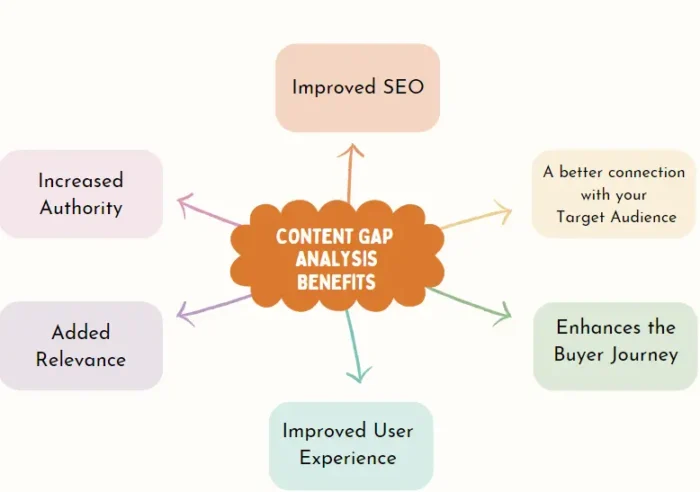
SEO competitor gap analysis helps businesses discover missing keywords, weak content areas, and untapped traffic opportunities. Using tools like Ahrefs, Semrush, Ubersuggest, and Google Search Console improves keyword research accuracy and optimization strategies. Businesses can find competitor keywords, perform SEO content gap analysis, and improve topical authority faster. Ethical traffic-stealing strategies focus on creating better content, matching search intent, and improving overall user experience consistently.
SEO success becomes easier when you understand what competitors already rank for online. Many websites struggle because they target random keywords without studying real market opportunities. A proper SEO competitor gap analysis helps uncover missing keywords, weak content areas, and ranking opportunities. It also helps businesses improve topical authority and organic visibility faster than traditional SEO strategies.
Modern SEO now depends heavily on user intent, semantic optimization, and content depth. Search engines reward websites that answer questions better than competitors with helpful information. This guide explains how to find competitor keywords, perform an SEO content gap analysis, and use free or paid tools effectively. You will also learn ethical ways to steal competitor traffic through better optimization strategies.
What Is SEO Competitor Gap Analysis?
SEO competitor gap analysis is a systematic process of comparing your website against competing websites to discover keywords, topics, and content opportunities that competitors rank for successfully while your website does not. Many websites miss valuable traffic because they never analyze ranking gaps carefully or study what already performs well within their niche.
Smart marketers use this process to uncover hidden opportunities, improve rankings faster, and build topical authority more efficiently than traditional keyword research alone allows.
How SEO Gap Analysis Works
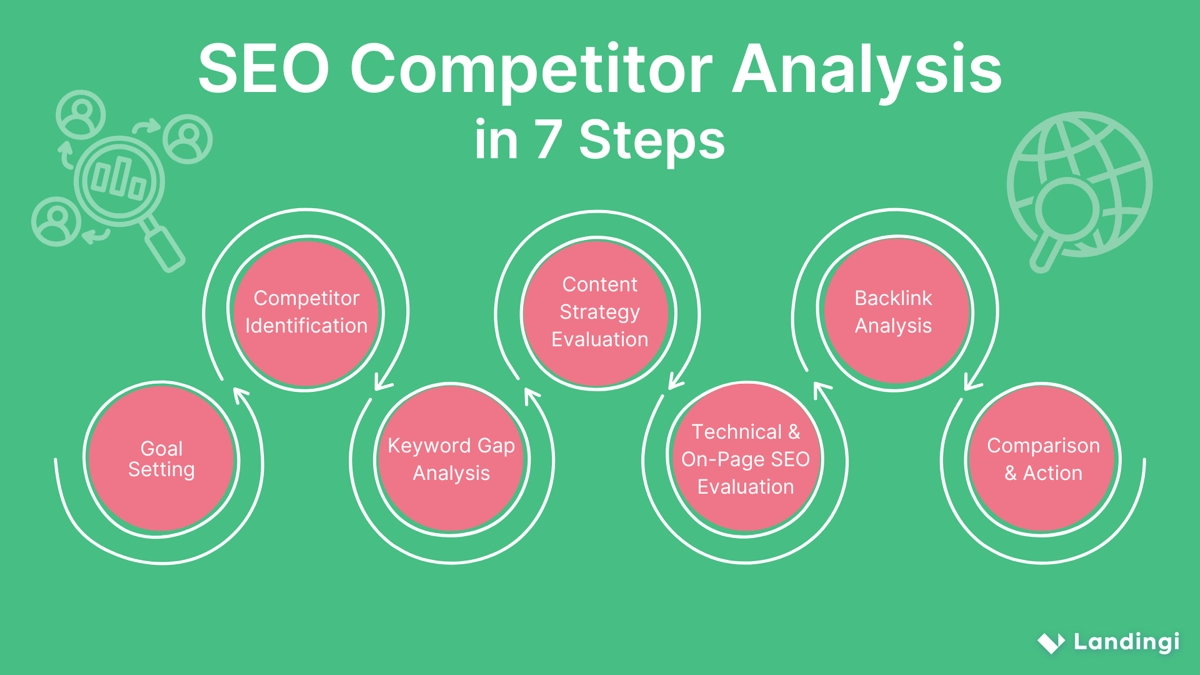
The process starts by identifying websites competing for similar search terms in your niche. You then compare keyword rankings, content depth, backlinks, and topical authority signals between your site and theirs. These insights reveal exactly where your SEO strategy lacks optimization and consistency. Better analysis creates faster ranking opportunities because decisions are based on real search data rather than guesswork.
Difference Between Keyword Gap and Content Gap
Keyword gap analysis focuses on missing ranking keywords between your website and competing websites. Content gap analysis goes deeper by studying missing information, poor structure, or weak topical coverage on existing pages. Both strategies work together for stronger semantic SEO optimization and improved search visibility. Ignoring either gap limits organic growth significantly over time.
Modern competitor gap analysis also involves studying SERP analysis results to understand how Google interprets search intent for specific queries. It includes evaluating organic traffic comparison data between competing domains, analyzing ranking overlap across shared keyword sets, and reviewing competitor backlink gaps that explain why certain pages outrank yours. A complete content gap report combines all these signals into a prioritized action list your website can realistically execute.
Why SEO Competitor Research Matters
Competitor research helps businesses understand what already performs successfully within their niche. It reduces guesswork because real search data supports every optimization decision. Search engines prefer content that matches user expectations and fulfills complete informational intent. Strong research improves both content quality and SEO performance simultaneously.
Key Statistics You Should Know
The numbers behind competitor analysis make a compelling case for immediate action:
- The top-ranking page on Google receives approximately 27% of all clicks for any given keyword, making first-page visibility critical for meaningful organic traffic.
- Websites that perform regular competitor analysis generate up to 3x more organic traffic compared to those relying only on traditional keyword research methods.
- Over 90% of web pages receive zero organic traffic from Google, primarily because they ignore keyword gap opportunities that competitors have already captured.
- Businesses that update content based on competitor gap findings report ranking improvements within 60 to 90 days on average.
- Websites with strong topical authority built through gap analysis consistently outperform single-page optimization strategies in competitive niches.
These statistics highlight a simple truth, ignoring what competitors rank for means leaving significant organic traffic on the table every single month.
Why Competitor Keyword Analysis Is Important
Competitor keyword analysis reveals hidden opportunities that traditional keyword research completely overlooks. Many high-traffic keywords remain undiscovered without comparing competitor ranking performance carefully. This strategy also helps marketers understand current search intent trends across their industries. Better insights produce smarter SEO campaigns and stronger long-term rankings.
Discover Untapped Traffic Opportunities
Many competitors already rank for keywords your website has never targeted. Finding these keywords creates opportunities for faster organic traffic growth and better search visibility. Low-competition terms often produce excellent ranking potential for newer websites entering competitive markets. Strategic targeting improves long-term search performance consistently.
Understand Search Intent Better
Competitor pages reveal how Google interprets user intent for specific search queries accurately. Studying these pages helps create content aligned with informational and transactional search behavior patterns. Better intent matching improves user satisfaction and increases ranking stability over longer periods. Search engines reward websites providing complete and relevant answers.
Improve Existing Content Rankings
Sometimes older content fails because it lacks semantic depth or proper keyword optimization. Competitor analysis reveals missing subtopics, FAQs, and content structure improvements that can transform underperforming pages. Updating existing pages often produces faster SEO gains than publishing entirely new articles. Content optimization remains essential after every major Google algorithm update.
Build Topical Authority Faster
Topical authority improves when websites cover related subjects comprehensively and consistently. Competitor analysis highlights important subtopics missing from your current content strategy. Covering these gaps helps search engines trust your website expertise more effectively. Once you identify your search visibility score, the percentage of available organic traffic your site captures for a defined keyword set, and compare it against competitors, the gap becomes immediately clear and actionable.
How to Identify Your SEO Competitors
SEO competitors are websites competing for rankings in search results, not necessarily direct business competitors. Many businesses misunderstand this and waste time studying irrelevant websites. Correct competitor identification improves keyword gap analysis accuracy and saves significant time and resources.
Direct vs Indirect SEO Competitors
Direct competitors offer similar products, services, or content within your niche. Indirect competitors may target similar keywords without selling identical products or services. Both competitor types provide valuable SEO insights. Understanding the difference improves strategic keyword targeting significantly.
Using Google Search Results
Google search results remain one of the simplest free competitor research methods available. Search your primary target keywords and study websites appearing consistently in the top positions. These websites represent your strongest SEO competition for those specific search categories. Manual SERP analysis provides actionable optimization insights at zero cost.
Using SEO Tools to Find Competitors
Professional SEO tools automate competitor discovery using ranking data and traffic estimation technology effectively. Platforms like Ahrefs, Semrush, and Ubersuggest reveal keyword overlap opportunities instantly online. These tools also uncover backlink gaps and content weaknesses across competing websites efficiently. Paid tools save time during large-scale SEO campaigns.
How to Find Competitor Keywords
Finding competitor keywords helps marketers uncover traffic opportunities unavailable through regular keyword brainstorming. Many successful SEO campaigns depend heavily on competitor keyword research and SERP analysis. This process reveals ranking gaps that improve content planning and optimization decisions significantly.
Analyze Competitor Top Pages
Competitor top pages generate most organic traffic through highly optimized keyword targeting. Study their titles, headings, FAQs, and internal linking structures carefully before creating competing content. This research reveals semantic keyword usage and topical authority building techniques that already work within your niche. Learning from successful competitor pages dramatically improves content quality and targeting accuracy.
Export Competitor Ranking Keywords
Most keyword gap tools allow exporting competitor ranking keywords into organized spreadsheet reports. Sorting these keywords by traffic volume, keyword difficulty, and search intent improves prioritization and content planning efficiency. Focus first on low-competition opportunities with strong search intent and realistic ranking potential for your current domain authority.
Identify Missing Keywords
Compare competitor keyword lists against your current rankings using SEO analysis platforms. Missing keywords represent valuable traffic opportunities requiring optimized content and semantic targeting. Filling these gaps improves content relevance and overall search visibility over time. Systematic keyword expansion is one of the most effective ways to strengthen topical authority.
Prioritize Low-Competition Opportunities
Low-difficulty keywords deliver faster rankings for growing websites with limited domain authority. Targeting easier opportunities creates momentum before competing for broader high-competition search terms. Smart prioritization balances traffic potential with realistic ranking possibilities given your current site strength. Consistent early wins from low-competition gaps compound into long-term SEO stability.
Best Keyword Gap Tool Options
Using the right keyword gap tool improves analysis speed, accuracy, and SEO decision-making dramatically today. Some tools focus heavily on competitor keyword research while others emphasize content optimization opportunities. Choosing the correct platform depends on budget, website goals, and campaign complexity requirements. Both free and paid options provide useful insights.
| Tool | Free/Paid | Best Feature | Best For |
|---|---|---|---|
| Ahrefs | Paid | Keyword gap analysis | Advanced SEO professionals |
| Semrush | Paid | Competitor traffic analysis | Agencies and marketers |
| Ubersuggest | Free/Paid | Beginner-friendly dashboard | Small businesses |
| Google Search Console | Free | Performance tracking | Website owners |
Ahrefs Keyword Gap Tool
Ahrefs provides detailed competitor keyword comparisons using extensive search engine ranking databases globally online. Users can discover overlapping keywords, missing opportunities, and traffic-driving competitor pages instantly. Its backlink analysis features also strengthen broader SEO competitor research strategies effectively. Many professionals trust Ahrefs for accurate SEO insights.
Semrush Keyword Gap Tool
Semrush offers powerful competitor analysis features with detailed keyword and traffic estimation reports online. The platform helps marketers identify ranking weaknesses and untapped content opportunities efficiently and quickly. Its interface remains beginner-friendly despite advanced reporting and optimization capabilities available today. Semrush works well for scalable SEO campaigns.
Ubersuggest
Ubersuggest remains popular among beginners because it offers affordable competitor keyword analysis functionality online. The tool provides keyword suggestions, traffic estimates, and content ideas without overwhelming new users. Small businesses often prefer simpler dashboards for faster optimization decision-making processes daily. Affordable tools still support effective SEO growth strategies.
Free Google-Based Methods
Google Search Console provides free performance insights directly from actual website search visibility data online. Manual SERP analysis also reveals competitor content structure and keyword optimization patterns effectively today. Combining free methods still produces valuable SEO insights without expensive software investments initially. Beginners can start optimizing immediately using Google tools.
How to Perform an SEO Content Gap Analysis
SEO content gap analysis focuses on missing information reducing content quality and topical relevance online. Many websites rank poorly because they fail covering important subtopics and search intent completely. Strong content depth improves semantic SEO and user engagement significantly over time naturally. Search engines reward comprehensive and helpful content consistently.

Identify Missing Topics
Competitor content often includes supporting topics your website never addressed within existing articles previously online. Adding these subtopics strengthens topical authority and improves content comprehensiveness for search engine optimization. Better topic coverage increases ranking potential across broader keyword variations naturally over time. Comprehensive content supports long-term organic visibility.
Analyze Thin Content
Thin content usually lacks useful details, semantic depth, or strong informational value for readers today. Competitor comparison reveals where your pages need stronger explanations, examples, and structured information sections. Improving thin pages increases user engagement and search visibility across competitive keyword categories. Quality content performs better after algorithm updates.
Compare Competitor Content Depth
Studying competitor article depth helps understand modern search engine content quality expectations clearly online. Longer articles alone do not guarantee rankings without useful insights and proper structure consistently. Focus on completeness, readability, and user satisfaction instead of excessive keyword repetition techniques. Helpful content earns stronger organic performance naturally.
Improve Internal Linking Structure
Internal links help search engines understand relationships between pages and topical relevance clearly online. Competitor websites often use strategic linking structures supporting stronger crawling and authority distribution effectively. Improving internal links strengthens SEO architecture and user navigation experiences significantly today. Better structure improves indexing efficiency naturally.
How to Steal Competitor Traffic Ethically
Stealing competitor traffic ethically means creating better content answering search intent more effectively online. Search engines reward websites delivering improved experiences instead of copied or low-quality information pages. Ethical optimization builds long-term authority and sustainable organic growth across competitive search categories naturally. User-focused SEO strategies remain most effective today.
Create Better Content
Better content includes stronger explanations, more current information, and more helpful user-focused optimization techniques. Adding genuine expert insights and practical examples improves trustworthiness and reader engagement significantly. High-quality content naturally attracts backlinks and stronger search visibility over time. Helpful pages inevitably outperform weak competitor articles as Google continues improving its quality evaluation algorithms.
Target Competitor Weaknesses
Many competitor pages rank despite outdated information or poor user experience. Identifying these weaknesses creates clear opportunities for stronger optimization and improved content quality. Better user satisfaction signals, including lower bounce rates and longer dwell times — often improve rankings after consistent SEO implementation. Weak competitors leave valuable ranking opportunities available for any website willing to invest in genuinely better content.
Optimize for Search Intent
Search intent optimization ensures your content matches exactly what users expect when they type a specific query. Competitor research reveals successful formatting styles, FAQ structures, and informational patterns that support better rankings. Matching intent improves engagement metrics and increases ranking stability over longer periods. Intent-focused SEO drives sustainable organic growth far more effectively than keyword stuffing or outdated optimization tactics.
Key Takeaways
- SEO competitor gap analysis uncovers missing ranking opportunities.
- Keyword gap tools simplify competitor keyword research significantly.
- Content gap analysis improves topical authority and semantic SEO.
- Free and paid methods both provide valuable optimization insights.
- Better content quality helps steal competitor traffic ethically.
Conclusion
A full SEO competitor gap analysis gives businesses a clear roadmap for improving search visibility strategically. It helps uncover competitor keywords, content weaknesses, and ranking opportunities hidden within search results. Combining free research methods with advanced SEO tools creates stronger long-term optimization strategies effectively. Platforms like Brandsholder often highlight the importance of data-driven SEO decisions for sustainable digital growth and competitive search performance.
FAQs
What is SEO competitor gap analysis?
SEO competitor gap analysis compares your website against competitors to discover missing keyword and content opportunities.
Which is the best keyword gap tool?
Ahrefs and Semrush are considered among the best keyword gap analysis tools available today.
How can I find competitor keywords for free?
You can use Google Search, Google Search Console, and free SEO tools like Ubersuggest.
What is SEO content gap analysis?
SEO content gap analysis identifies missing topics, weak pages, and incomplete information affecting rankings.
Can competitor gap analysis improve rankings quickly?
Yes, targeting low-competition gaps often improves rankings faster with proper optimization strategies.