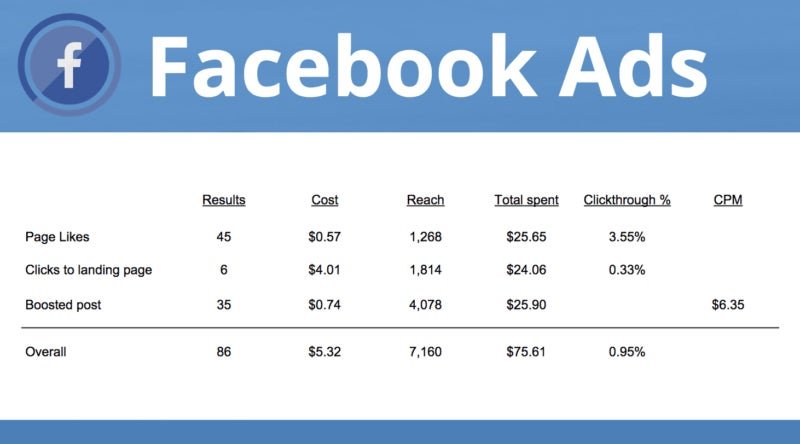
Scaling Facebook Ads successfully in 2026 requires patience, data-driven decisions, and continuous optimization. Instead of making large budget increases, grow campaigns gradually while monitoring ROAS, CPM, CPA, CTR, and audience frequency. Refresh creatives regularly, expand audiences strategically, improve conversion tracking, and use Meta’s AI features wisely. Combining these practices creates sustainable growth without sacrificing campaign performance.
Growing a profitable Facebook campaign sounds simple until performance suddenly drops after increasing the budget. Many advertisers experience higher CPM, lower ROAS, and unstable conversions because they scale too quickly. If you want to scale Facebook Ads 2026 successfully, you need a strategy that works with Meta’s AI instead of against it. This guide explains practical methods that help you grow campaigns while keeping results consistent.
Key Takeaways
| Takeaway | Why It Matters |
|---|---|
| Scale only profitable campaigns | Strong data gives Meta better optimization signals. |
| Increase budgets gradually | Small changes reduce the risk of learning disruption. |
| Refresh creatives regularly | Fresh ads help prevent audience fatigue. |
| Watch key metrics daily | CPM, CPA, CTR, and ROAS reveal performance changes early. |
| Test before scaling further | Continuous testing supports long-term campaign growth. |
What Does It Mean to Scale Facebook Ads in 2026?
Scaling Facebook Ads means increasing your advertising budget while maintaining or improving campaign performance. If Meta Ads is one of several channels in your mix, our dedicated Meta Ads guide covers platform fundamentals that pair well with this scaling strategy. In 2026, Meta’s AI optimization system makes scaling more dynamic than ever before. Smart advertisers focus on stable growth instead of chasing quick budget increases. A steady approach often delivers stronger long-term returns than aggressive spending.
Why Scaling Is Different in Meta’s AI Era
Meta now relies heavily on machine learning to decide who sees your ads. If you’re running paid campaigns across multiple platforms, it’s also worth comparing performance benchmarks our breakdown of YouTube Ads benchmarks offers a useful reference point for evaluating CPM and CTR across channels. The platform constantly studies user behavior, engagement, and conversion signals before delivering impressions. Even small campaign edits can influence how the algorithm optimizes delivery. Understanding this process helps advertisers make smarter scaling decisions.
Signs Your Campaign Is Ready to Scale
Not every campaign deserves a larger budget. Before increasing spending, confirm that your campaign has produced consistent conversions for several days while keeping a profitable return on ad spend. Stable performance shows the algorithm has enough data for confident optimization. Scaling too early usually creates unnecessary volatility.
Facebook Ads Scaling Strategy That Actually Works
A successful facebook ads scaling strategy balances growth with stability instead of making dramatic changes overnight. Rather than doubling budgets immediately, experienced marketers scale step by step while measuring results after every adjustment. This method allows Meta to adapt naturally without creating performance shocks. Patience often produces stronger profits than rapid expansion.
Vertical Scaling: Increase Budget Gradually
Vertical scaling simply means increasing the budget of an existing campaign. Many advertisers safely raise budgets by around 10% to 20% every couple of days instead of making large jumps. This gradual method gives Meta enough time to adjust its delivery patterns. Consistent changes usually protect conversion quality and improve budget efficiency.
Horizontal Scaling: Expand Winning Campaigns
Horizontal scaling creates additional opportunities without putting all resources into one campaign. Instead of increasing one budget significantly, advertisers duplicate successful ad sets or target new audience segments. This spreads risk across multiple campaigns while maintaining optimization stability. It also allows better comparison between different audience groups.
Creative Scaling to Prevent Ad Fatigue
Creative fatigue is one of the biggest reasons campaign performance declines during scaling. Audiences lose interest after seeing identical ads repeatedly over several weeks. Introducing fresh images, videos, headlines, and calls to action keeps engagement high and improves delivery quality. Small creative updates often outperform large budget increases.
Vertical vs. Horizontal Scaling
| Vertical Scaling | Horizontal Scaling |
| Increases existing campaign budget | Creates additional campaigns or ad sets |
| Easier campaign management | More testing opportunities |
| Lower management time | Better audience diversification |
| Higher risk if scaled aggressively | Lower dependence on one campaign |
How to Scale Meta Ads Without Resetting Learning
Learning stability remains one of the biggest priorities when advertisers discover how to scale Meta ads effectively. Every significant edit forces Meta’s algorithm to gather fresh data before optimizing again. Large changes can temporarily reduce performance while the system adjusts. Protecting the learning process should always come before increasing spend.
Safe Budget Increase Percentages
Many experienced media buyers prefer gradual budget increases because they reduce sudden algorithm changes. Instead of doubling daily budgets, smaller adjustments provide consistent optimization signals that Meta can process efficiently. Monitoring campaign performance after every increase makes future decisions much easier. Slow progress often produces better profitability than aggressive expansion.
CBO vs. ABO for Scaling
Campaign Budget Optimization (CBO) automatically distributes spending across ad sets based on performance. Ad Set Budget Optimization (ABO) gives advertisers direct control over each audience’s spending. CBO works well for mature campaigns with reliable data, while ABO offers flexibility during testing phases. Choosing the right structure depends on your campaign goals and optimization strategy.
Increase Budget Facebook Ads Without Hurting ROAS
Increasing your budget should never feel like a gamble. The safest approach is to review performance trends before making changes instead of reacting to one good day. If you want to increase budget Facebook Ads successfully, focus on campaigns that have delivered stable conversions over several days. This habit keeps growth predictable and protects your return on investment.
Daily Budget Increases
Small budget increases allow Meta’s algorithm to adjust smoothly without major disruptions. Review campaign data after every increase and wait before making another change. Consistency is more valuable than speed when scaling paid campaigns. Careful decisions often lead to stronger long-term performance.
Lifetime Budget Adjustments
Lifetime budgets can work well for campaigns with fixed schedules or seasonal promotions. They give Meta flexibility to distribute spending during high-performing periods instead of spending evenly every day. Always monitor delivery to ensure your campaign remains aligned with business goals. Regular reviews prevent unnecessary spending.
Monitoring Performance Metrics
Tracking performance is essential while scaling any advertising campaign. Watch these metrics together instead of focusing on only one number.
| Metric | Healthy Sign | Warning Sign |
|---|---|---|
| ROAS | Stable or increasing | Continuous decline |
| CPM | Minor fluctuations | Sharp increase |
| CPA | Consistent cost | Rising acquisition cost |
| CTR | Strong engagement | Falling click rate |
| Frequency | Controlled exposure | Audience fatigue |
Scale Without CPM Spike
A rising CPM often signals increasing competition, audience saturation, or creative fatigue. Fortunately, there are practical ways to scale without CPM spike while maintaining efficient campaign delivery. Smart advertisers improve campaign quality instead of relying only on larger budgets. Better optimization usually lowers unnecessary advertising costs.
Expand Audiences Strategically
Avoid targeting the exact same audience as your budget grows. Test broader targeting, lookalike audiences, and high-quality custom audiences to reach new potential customers. Audience expansion helps Meta find additional converting users without increasing competition inside one small segment. A wider audience often supports healthier campaign growth.
Refresh Creatives Before Fatigue
Creative performance naturally declines after repeated exposure. Rotate new videos, images, headlines, and primary text before engagement begins to fall noticeably. Fresh creatives give Meta more opportunities to match ads with interested users. Regular testing also uncovers unexpected winning combinations.
Improve Conversion Signals
Meta performs better when it receives accurate conversion data. Use the Conversions API, verify important events, and optimize for meaningful actions such as purchases or qualified leads. Pairing this with a reliable analytics setup ensures your conversion data stays accurate across both your ad platform and your website. Better signals improve algorithm confidence and campaign efficiency. High-quality data supports sustainable scaling.
Optimize Landing Pages
Even the best advertisement cannot compensate for a poor landing page. Improve page speed, simplify navigation, and create clear calls to action that match your ad messaging. A smoother user experience increases conversion rates without increasing advertising costs. Strong landing pages strengthen every scaling strategy.
Common Facebook Ads Scaling Mistakes
Many advertisers lose profitable campaigns because they scale emotionally instead of strategically. Learning from common mistakes saves both advertising budget and valuable time. Small improvements made consistently often outperform dramatic campaign changes. A disciplined process produces more reliable growth.
Scaling Too Early
Some campaigns show promising results for only a day or two. Increasing budgets before collecting enough conversion data creates unnecessary risk and unstable optimization. Wait until performance remains consistent before making significant adjustments.
Editing Campaigns Too Frequently
Frequent edits interrupt Meta’s optimization process and reduce campaign stability. Changing audiences, creatives, budgets, and placements simultaneously makes it difficult to identify what actually influenced results. Limit changes and evaluate one adjustment at a time.
Ignoring Audience Saturation
Showing identical ads repeatedly to the same people eventually reduces engagement. High frequency often increases costs while lowering conversion rates. Expanding audiences and refreshing creatives helps maintain healthy performance.
Relying on One Creative
A single winning ad rarely stays successful forever. Build a creative testing system that continuously introduces fresh concepts. This approach reduces dependence on one advertisement and supports consistent campaign growth.
Advanced Scaling Tips for 2026
Modern Meta advertising rewards marketers who combine automation with thoughtful decision-making. AI tools simplify campaign management, but human analysis remains essential for sustainable results. Understanding platform updates gives advertisers a valuable competitive advantage.
Advantage+ Campaign Scaling
Advantage+ campaigns automate audience selection and delivery using Meta’s machine learning. They often perform best when paired with strong creative assets similar to how brands featured in our top D2C brands in the USA case studies combined automation with sharp creative strategy to scale profitably. and accurate conversion tracking. Regular monitoring ensures automation stays aligned with business objectives.
First-Party Data and Conversions API
Privacy changes have increased the value of first-party customer data. Combining customer lists with the Conversions API improves signal quality and helps Meta optimize more effectively. Better data creates stronger campaign performance over time.
Creative Testing Framework
Develop a repeatable testing process for headlines, visuals, offers, and calls to action. Testing only one variable at a time makes results easier to interpret. Continuous experimentation reveals new opportunities for profitable scaling.
Budget Allocation Across Campaigns
Avoid placing your entire advertising budget into one campaign. Distribute spending across proven campaigns, new creative tests, and audience expansion efforts. Balanced allocation reduces risk while encouraging steady account growth.
Final Scaling Checklist
Before increasing your budget, confirm these essentials:
- Campaign has stable ROAS and consistent conversions.
- CPM and CPA remain within acceptable limits.
- Creative fatigue is monitored regularly.
- Landing page delivers a smooth user experience.
- Conversion tracking works accurately.
- Budget increases follow a gradual schedule.
- Performance is reviewed before every scaling decision.
Conclusion
Scaling profitable Facebook campaigns is about making smarter decisions, not simply spending more money. Gradual budget increases, stronger creative testing, better audience expansion, and accurate performance tracking help maintain consistent results as campaigns grow. Businesses that follow a structured scaling strategy are more likely to protect their profitability while achieving long-term growth. For more practical digital marketing insights, advertising strategies, and business-focused resources, Brandsholder remains a valuable destination for staying informed in the evolving marketing landscape.
Frequently Asked Questions
1. How much should I increase my Facebook Ads budget?
A gradual increase is generally safer than making large changes. Monitor performance after each adjustment before scaling further.
2. What is the difference between vertical and horizontal scaling?
Vertical scaling increases the budget of an existing campaign, while horizontal scaling expands by duplicating successful campaigns or targeting additional audiences.
3. Why does CPM increase during scaling?
CPM can rise because of audience saturation, stronger competition, creative fatigue, or rapid budget increases that disrupt optimization.
4. Does increasing the budget reset Meta’s learning phase?
Large or frequent budget changes can affect the learning process. Smaller adjustments usually help campaigns remain more stable.
5. Which metrics should I monitor while scaling Facebook Ads?
Focus on ROAS, CPM, CPA, CTR, frequency, and conversion volume. Reviewing these metrics together provides a complete picture of campaign performance.