Marketing research has changed fast in the last few years. Brands now need faster ways to collect insights and track trends. This is where deploying perplexity ai for marketing becomes useful. It helps marketers find accurate data, competitor insights, and audience behavior quickly.fo
Unlike traditional research methods, this engine gives source-backed answers in real time. That makes it one of the best choices when selecting an ai research tool marketing professionals can rely on today. Whether you work in SEO, content, or paid campaigns, this tool can save hours.
The system operates as an AI-powered research platform that searches the web and delivers summarized answers. It pulls live information and cites sources, which makes research more reliable. For marketers, this means faster competitor analysis and trend discovery. Reliable data makes strategic decisions much easier.
What is Perplexity AI for Marketing?
Perplexity AI is an AI-powered research platform that searches the web and delivers summarized answers. It pulls live information and cites sources, which makes research more reliable. For marketers, this means faster competitor analysis and trend discovery. Reliable data makes strategic decisions much easier. This source-backed approach also ties directly into how AI tools are reshaping search, a shift our generative engine optimization guide for AI search explores in much greater detail.
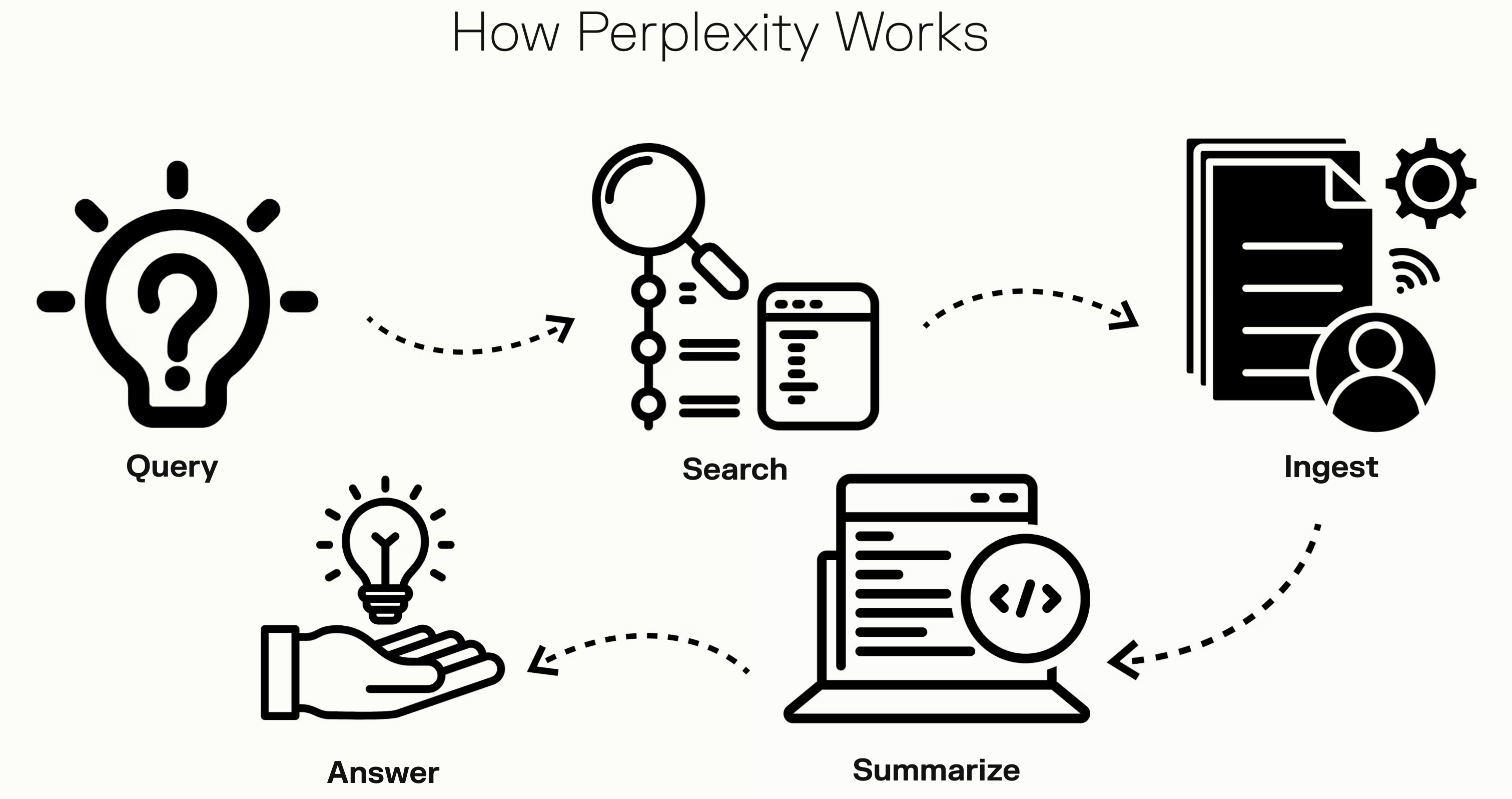
How Perplexity AI Works for Research
Perplexity scans multiple web sources and combines them into simple answers. It works like a search engine but feels smarter. Instead of opening ten tabs, marketers get one clear answer. This saves time and improves research speed.
Why Marketers Are Using Perplexity AI
Modern marketing moves very quickly. Trends can change in hours. Using Perplexity AI research helps brands stay updated. It supports market intelligence, content strategy, and consumer insights.
Benefits of Using Perplexity AI for Marketing
Using the platform offers practical advantages. It reduces manual research and improves accuracy. This is important for SEO and campaign planning. Smart research creates better marketing decisions.
Faster Competitor Research
Marketers can study competitors in minutes. They can analyze content, offers, and strategies. This gives a strong competitive advantage. Speed matters in modern markets.
Better Audience Insights
Understanding customer pain points is essential. Perplexity helps uncover what people ask online. It finds trends and common questions fast. This improves audience targeting.
Smarter Content Planning
Content teams need strong topic ideas. Perplexity identifies content gaps quickly. It also helps with SEO keyword clustering. Better research means better rankings.
Real-Time Trend Discovery
Finding trends early creates big opportunities. Perplexity tracks growing conversations online. This helps marketers act before competitors. Timing often changes campaign results.
Step-by-Step Guide to Using Perplexity AI for Marketing Research
If you want to use perplexity marketing methods effectively, follow these steps. Each step builds a stronger research framework. This method works for beginners and experts. Consistency improves your research quality.
Step 1 : Define Your Research Goal
Start with one clear goal. Do you need competitor research, content gaps, or customer insights? Clear goals create better prompts. Better prompts produce stronger answers.
For example:
- Analyze competitors in SaaS
- Find customer pain points in skincare
- Discover trending SEO topics
Step 2 : Research Your Competitors Using Perplexity AI
Competitor analysis is one of the best uses. Ask direct questions about your industry rivals. This helps uncover content strategy and messaging.
Example prompts:
- Who are the top competitors in digital marketing?
- What content strategy does Brand X use?
- Which keywords are competitors ranking for?
This process saves many research hours.
Step 3 : Analyze Audience Behavior
Audience research shapes every marketing campaign. Perplexity can reveal customer pain points and interests. It pulls useful discussions and questions. This makes your messaging stronger.
Ask:
- What problems do small businesses face in SEO?
- What are common pain points in email marketing?
Step 4 : Find Content Gaps and Trends
Content gap analysis is critical for SEO growth. Perplexity can highlight missing topics in your niche. It also identifies rising search trends.
| Research Type | Example Prompt |
|---|---|
| Content Gaps | What topics are missing in eCommerce SEO? |
| Trends | What are trending topics in AI marketing? |
| Audience Questions | What do beginners ask about PPC? |
This table helps structure your research process.
Step 5 : Validate Data Sources
AI research is useful, but source validation matters. Always check the links provided by Perplexity. This keeps your strategy accurate. Trustworthy sources improve EEAT signals. Google’s own guidance on E-E-A-T quality rater guidelines explains exactly why source credibility carries so much weight in modern search rankings.
Step 6 : Turn Insights into Strategy
Research is useless without action. Turn findings into campaigns, content calendars, and SEO plans. This is where marketers create real value. Execution always matters most.
Best Prompts to Use Perplexity for Marketing Research
Good prompts improve output quality. Specific prompts bring deeper insights. Generic prompts often give weak results. Clarity creates better research.
Competitor Analysis Prompts
Use these to understand rivals:
- Compare top 5 SEO agencies in 2026
- Analyze competitor content gaps in SaaS
- What marketing channels are competitors using?
Audience Research Prompts
These help with consumer behavior research:
- What problems do startup founders face in branding?
- What are common buyer objections in real estate?
Content Strategy Prompts
Content teams can use:
- Find untapped blog topics in health SEO
- Identify low competition marketing keywords
Perplexity AI vs ChatGPT for Marketing Research
Many marketers compare Perplexity vs ChatGPT before choosing a tool. Both are useful, but they serve different purposes. Knowing the difference saves time. The right tool depends on your goal.
Accuracy Comparison
Perplexity pulls live web data and cites sources. ChatGPT is stronger for brainstorming and writing. For fresh research, Perplexity usually performs better. Accuracy depends on the use case.
Source Transparency
Perplexity wins here. It shows sources for every answer. ChatGPT may not always provide live references. This makes Perplexity stronger for fact-based work.
Best Use Cases for Each Tool
| Tool | Best For |
| Perplexity AI | Research, trends, competitor analysis |
| ChatGPT | Writing, ideation, strategy building |
Using both tools together creates better workflows.
Common Mistakes When Using Perplexity AI for Marketing
Many marketers misuse AI research tools. Small mistakes can hurt strategy quality. Avoiding these improves your results. Better habits build stronger campaigns.
Using Vague Prompts
Vague prompts create vague answers. Be specific with goals and industries. Context improves output quality.
Trusting Everything Without Validation
Always check sources. AI can summarize incorrect information too. Validation protects your campaigns.
Ignoring Competitive Context
Research should always include competitor insights. Without it, strategies stay incomplete. Competitive analysis improves decision-making.
Key Takeaways
Perplexity AI for marketing is powerful because it combines speed with source-backed accuracy. It helps with competitor analysis, audience research, and content planning. The best marketers use it as a research assistant, not a replacement for strategy. Smart prompts create smarter marketing insights.
Conclusion
Using Perplexity AI for marketing research can change how brands build strategy. It speeds up research, improves decision-making, and uncovers valuable market intelligence. For businesses like Brandsholder, this means faster access to audience insights and better content opportunities. In a world where speed and accuracy matter, using Perplexity the right way can create a major competitive advantage.
FAQs
Is Perplexity AI good for marketing research?
Yes, it is excellent for competitor analysis, trend research, and audience insights.
Can marketers use Perplexity AI for SEO research?
Yes, it helps find content gaps, keyword ideas, and search trends.
Is Perplexity better than ChatGPT for research?
For live and source-backed research, Perplexity is often stronger.
What are the best prompts for marketing research?
Competitor analysis, customer pain points, and trend discovery prompts work best.
Can Perplexity replace traditional market research?
Not fully. It works best as a fast research assistant.