A successful service page needs more than attractive design and basic information. It must combine service page SEO and conversion strategies to attract the right visitors and encourage them to become customers. A well-optimized service page uses search intent, helpful copy, trust signals, clear benefits, and strong calls-to-action.The goal is simple: create a page that Google understands and users trust. By following SEO best practices, applying persuasive copywriting, and improving user experience, businesses can build service pages that generate consistent leads.
Many businesses create service pages only to explain what they offer. However, a powerful service page does much more than describe services. It attracts targeted visitors, answers their questions, builds confidence, and encourages action.
Effective service page SEO and conversion requires a balance between search visibility and customer persuasion. When both elements work together, your service page can rank higher and produce better business results.

A strong service page focuses on customer needs, not just business information. It should clearly communicate value while helping search engines understand the page purpose.
What Is Service Page SEO and Conversion?
Service page SEO and conversion refers to optimizing a service page to attract organic traffic and turn visitors into customers. SEO helps your page appear for relevant searches, while conversion strategies guide users toward taking action.
A well-optimized service page targets the right keywords, matches user intent, and provides useful information. At the same time, it removes doubts through trust elements, clear messaging, and simple navigation.
The best pages combine rankings with real customer engagement. This approach creates long-term growth opportunities.
Why Service Pages Are Important for Business Growth
Service pages are often the most valuable pages on a business website. They target users who are already interested in specific solutions and may be ready to contact a company.
Unlike general blog content, service pages focus on commercial intent. They help businesses connect with potential customers at important decision stages.
A strong service page should include:
- Clear explanation of the service.
- Benefits that solve customer problems.
- Evidence such as reviews or case studies.
- Simple ways to contact the business.
These elements improve credibility and support better conversion rates.
How to Build a Service Page Structure That Ranks
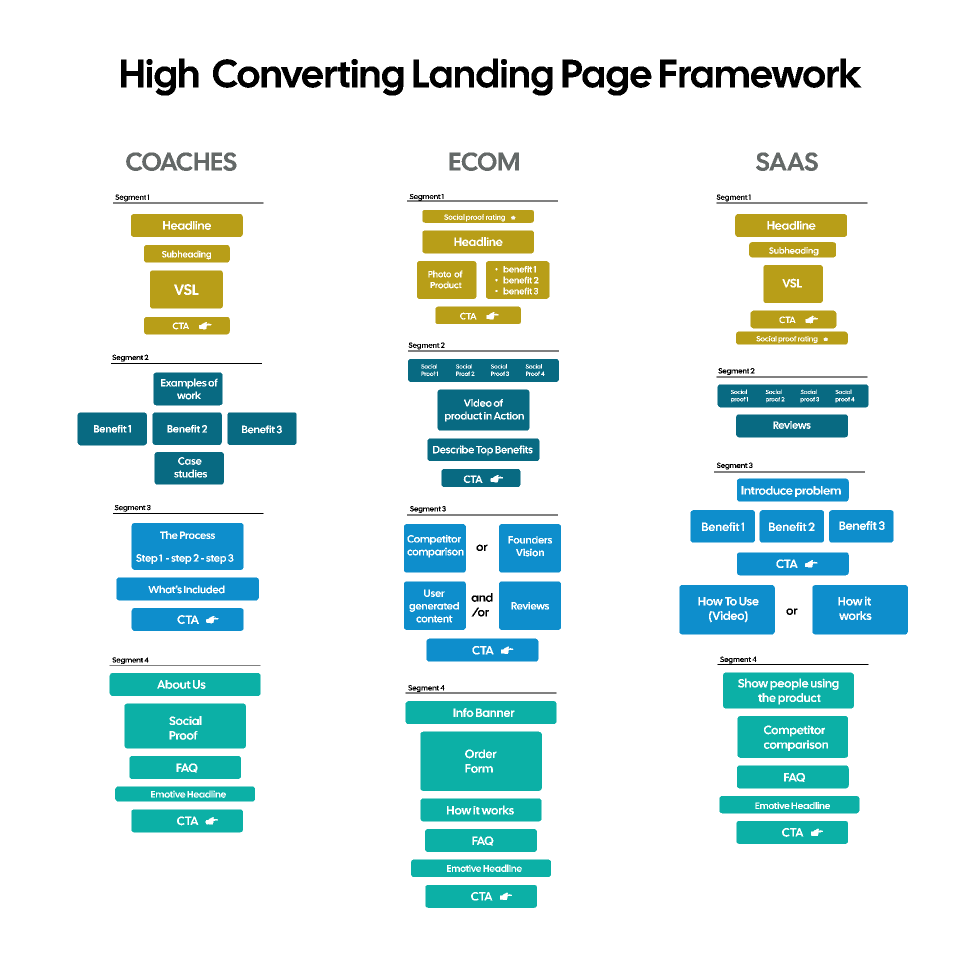
A successful service page needs a logical structure that works for both search engines and visitors. The layout should guide users from understanding the problem to choosing your solution.
Search engines analyze content organization, keywords, and relevance. Visitors also prefer pages that provide answers quickly without unnecessary information.
A clear structure improves user experience and increases engagement. It helps your audience understand your service more easily.
Create a Search Intent-Based Service Page Layout
Search intent should guide every section of your service page. Understanding what users want helps you create content that matches their expectations.
For example, someone searching for a marketing service may want pricing, benefits, results, and proof before making contact.
A conversion-focused layout usually includes:
| Service Page Element | SEO Purpose | Conversion Purpose |
|---|---|---|
| Headline | Shows page relevance | Captures visitor attention |
| Service Description | Explains topic | Builds understanding |
| Benefits Section | Supports related keywords | Shows value |
| Testimonials | Adds trust signals | Reduces hesitation |
| CTA Buttons | Improves user journey | Encourages action |
This structure creates a better experience for visitors and search engines.
Optimize Your Service Page Keywords Naturally
Keyword optimization helps Google understand your service page topic. However, using keywords unnaturally can reduce readability and damage user trust.
Focus on adding relevant terms where they make sense, including headings, introductions, and service descriptions.
Important semantic keywords include:
- service page optimization
- SEO-friendly service page
- conversion-focused content
- organic traffic
- customer journey
- lead generation
Natural keyword placement creates helpful content instead of a forced SEO article.
SEO Service Page Copywriting Strategies That Convert
SEO service page copywriting focuses on creating content that attracts visitors and motivates them to take action. Good copy does not simply describe features; it explains how the service improves the customer’s situation.
Your writing should answer common customer questions before they ask them. This reduces uncertainty and creates stronger connections with potential buyers.
Effective copy combines clarity, persuasion, and useful information. It makes visitors feel confident about choosing your service.
Write Benefits Instead of Just Features
Many businesses only list what they provide. Customers, however, want to understand how those services solve their problems.
Instead of saying “We provide website design,” explain the outcome. For example, describe how your service helps create better user experiences and more leads.
Benefit-focused writing improves engagement because it speaks directly to customer goals. It also supports stronger conversion performance.
Match Copy With Buyer Search Intent
Every visitor has a different reason for searching. Some users want information, while others are ready to purchase immediately.
Your service page should address different buying stages by providing:
- Clear service explanations.
- Answers to common concerns.
- Proof of previous success.
- Easy contact options.
Matching content with intent improves rankings and increases customer confidence.
How to Convert Service Page Visitors Into Customers
Getting visitors is only the first step. Businesses need effective strategies to convert service page visitors into leads and customers.
A conversion-focused page removes confusion and makes the next step simple. It guides users toward actions like requesting a quote, booking a call, or making a purchase.
Strong conversion elements create a smoother customer journey. Every section should support the final goal.
Create Strong Calls-to-Action
Calls-to-action tell visitors what they should do next. A weak CTA can cause interested users to leave without contacting your business.
Good CTAs are clear, specific, and benefit-focused. Examples include:
- Request a free consultation.
- Get your personalized quote.
- Schedule your strategy call.
Place CTAs naturally throughout the page. Avoid overwhelming visitors with too many unnecessary options.
Add Trust Signals That Reduce Buyer Hesitation
Trust plays a major role in online decisions. Visitors need proof that your business can deliver reliable results.
Useful trust elements include:
- Customer reviews.
- Case studies.
- Industry certifications.
- Client logos.
- Success stories.
These elements improve credibility and help visitors feel comfortable choosing your service.
How to Make Your Service Page Rank and Convert
A high-performing service page must satisfy both Google requirements and user expectations. Ranking without conversions creates wasted traffic, while conversions without visibility limit growth.

The best approach is to create content that provides genuine value. Google’s helpful content systems reward pages that demonstrate expertise and usefulness.
A rank and convert service page requires continuous improvement. Testing and updating content keeps performance strong.
Improve Technical SEO Elements
Technical SEO supports better visibility and user experience. Even excellent content may struggle if technical issues prevent proper indexing.
Important improvements include:
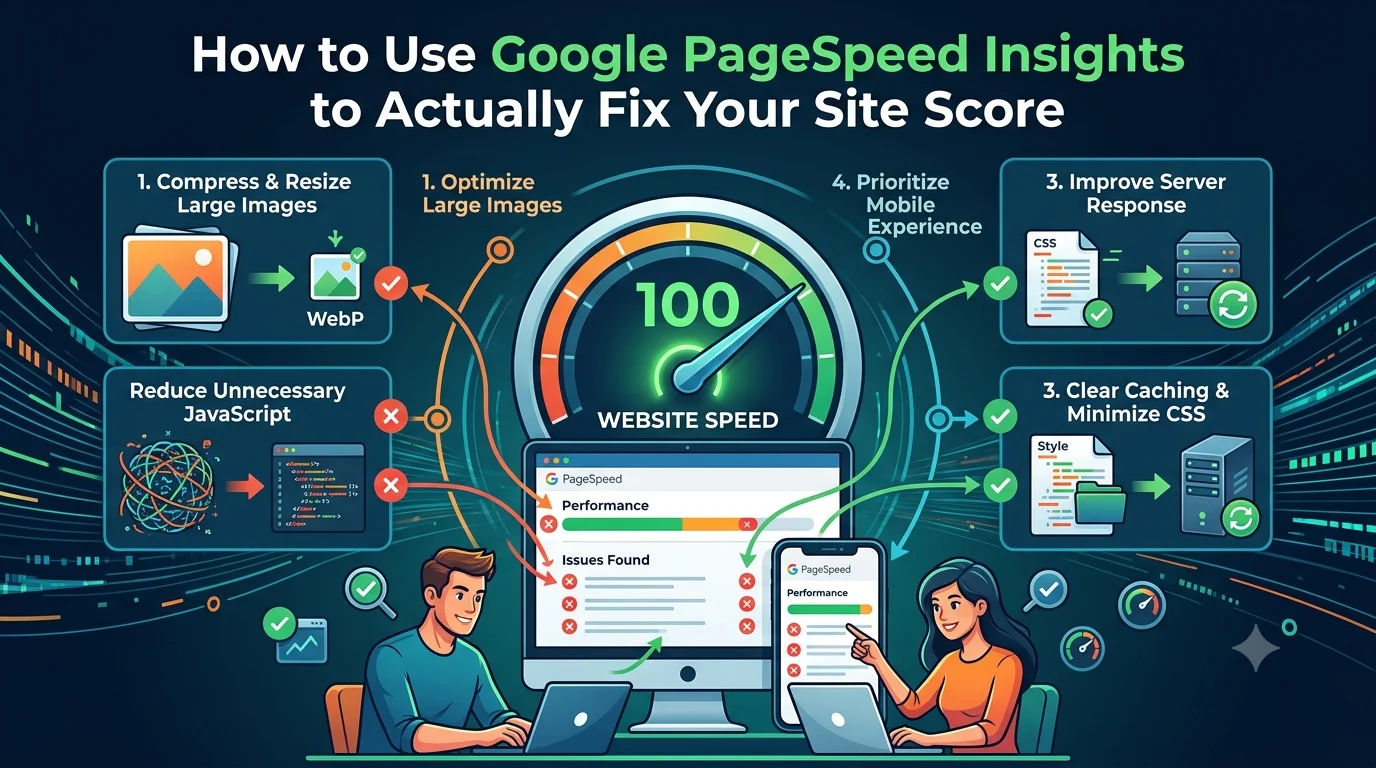
- Fast loading speed.
- Mobile-friendly design.
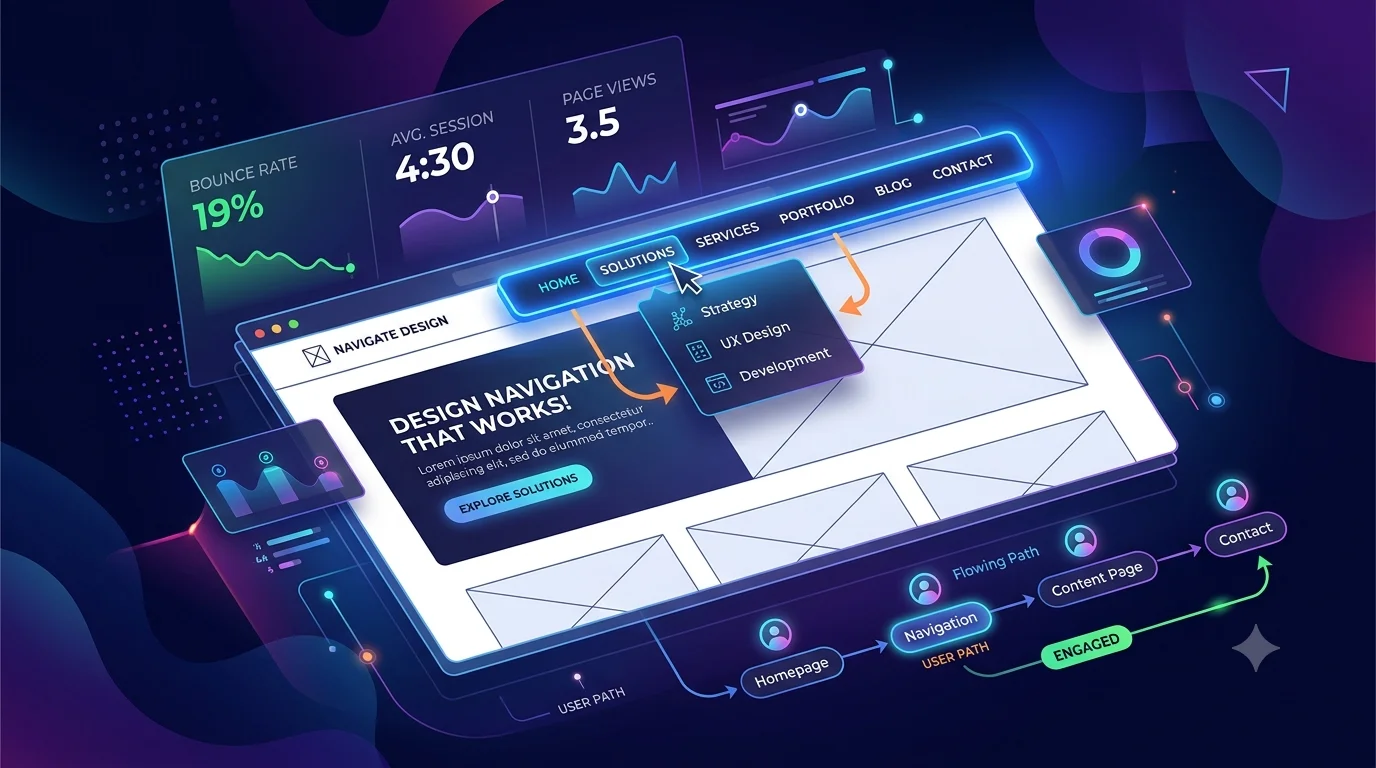
- Proper internal linking.
- Structured data implementation.
- Optimized page titles.
These improvements help search engines understand your content better.
Use Data to Improve Performance
Successful service pages are improved through measurement. Analytics tools show how users interact with your content.
Track important metrics such as:
- Organic traffic.
- Conversion rates.
- User engagement.
- Click behavior.
- Contact submissions.
Data-driven improvements help create pages that perform better over time.
Common Service Page Mistakes to Avoid
Many service pages fail because they focus only on selling without providing real value. Users quickly leave when pages feel unclear, generic, or overly promotional.
Avoid these common mistakes:
- Writing only about your company.
- Ignoring customer problems.
- Using excessive keywords.
- Adding weak CTAs.
- Missing trust signals.
A helpful service page should educate visitors while naturally encouraging action.
Service Page SEO and Conversion Checklist
Before publishing your service page, review these important areas:
- Does the headline clearly explain your service?
- Does the page match search intent?
- Are keywords used naturally?
- Are benefits clearly explained?
- Are trust signals included?
- Are CTAs easy to find?
- Is the page mobile-friendly?
- Does the content demonstrate expertise?
This checklist supports better SEO performance and stronger conversions.
Key Takeaway
Creating a successful service page requires more than adding keywords and describing your services. Businesses need a complete strategy that combines SEO, persuasive writing, user experience, and trust-building elements.
A well-planned page can attract qualified visitors and guide them toward meaningful actions. Following Google’s search quality principles, EEAT guidelines, AIO, and AEO practices helps create content that remains valuable in modern search results.
The focus should always remain on helping users first. Search engines reward pages that provide clear answers, demonstrate expertise, and solve real customer needs.
Conclusion
A high-converting service page is a powerful asset for any business looking to increase visibility and generate leads. By applying service page SEO and conversion techniques, companies can create pages that rank effectively while building customer trust.
From keyword optimization and SEO service page copywriting to strong CTAs and credibility elements, every section plays an important role. Businesses should continuously improve their pages using data, customer feedback, and updated SEO practices.
For businesses working with Brandsholder, creating optimized service pages can become a strategic opportunity to attract qualified audiences and improve online growth. A thoughtful approach helps transform ordinary service pages into valuable marketing tools that support long-term success.
Frequently Asked Questions
1. What makes a service page high converting?
A high-converting service page clearly explains benefits, builds trust, uses strong CTAs, and guides visitors toward taking action.
2. How does SEO help service pages?
SEO improves visibility by helping service pages appear for relevant searches. It attracts users who are actively looking for specific solutions.
3. How many keywords should a service page use?
A service page should use keywords naturally without stuffing. Focus on topic coverage, related terms, and user intent instead.
4. What sections should a service page include?
A strong service page usually includes a headline, service overview, benefits, proof elements, FAQs, and clear calls-to-action.
5. How can I improve service page conversions?
Improve conversions by testing CTAs, adding testimonials, simplifying messaging, and creating content that directly addresses customer needs.