A successful product launch depends on creating a structured email journey that builds awareness, trust, and urgency. Businesses should use teaser emails, educational content, announcements, and follow-ups to guide customers toward purchasing decisions. Combining personalization, automation, and analytics creates stronger campaigns that improve conversions and customer relationships.
Launching a new product successfully requires more than creating a great offer. Your audience needs awareness, trust, and the right motivation before they decide to buy. A well-planned email campaign helps businesses guide customers through every stage of the buying journey.
A product launch email sequence gives marketers a structured way to create excitement, educate subscribers, and increase conversions. Instead of sending one promotional message, businesses can build relationships through multiple emails that prepare customers for launch day.
What Is a Product Launch Email Sequence and Why Does It Matter?
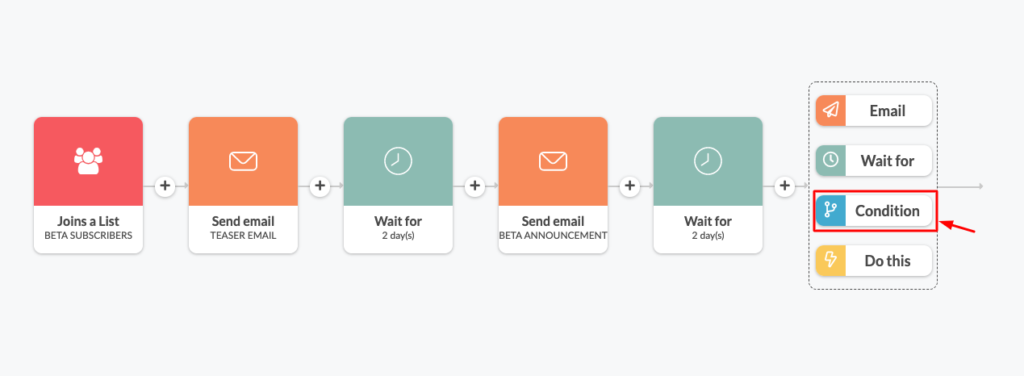
A product launch email sequence is a series of planned emails sent before, during, and after a product release. Each email has a specific purpose, such as creating curiosity, explaining benefits, announcing availability, or encouraging purchases. This approach helps brands communicate value instead of simply asking customers to buy.
A strong launch campaign focuses on customer needs first. It answers common questions, removes doubts, and shows why the product is worth attention. The right messaging can turn interested subscribers into loyal customers. If you’re drafting these teaser and announcement emails with AI assistance, our comparison of ChatGPT vs Jasper AI can help you pick the right tool for the job.
Why One Launch Email Is Usually Not Enough
Many businesses make the mistake of sending only one announcement email. A single message often fails because customers may need more information before making a decision. Multiple touchpoints create familiarity and improve purchase confidence.
A sequence allows marketers to gradually build interest. Each email can introduce a new reason for customers to engage with the product. This creates a smoother experience from awareness to conversion.
How Email Sequences Influence Buying Decisions
Customers rarely purchase immediately after discovering a new product. They usually need education, proof, and reassurance before completing a purchase. Strategic emails help answer these concerns at the right time.
A successful email funnel combines storytelling, benefits, testimonials, and clear calls to action. This approach supports customer psychology and encourages action naturally.
How to Build a Product Launch Email Sequence That Converts
Creating a successful launch requires careful planning before writing any email. A good launch email strategy starts with understanding your audience, defining goals, and creating a timeline. Every message should support the overall purpose of the campaign.
Your emails should feel connected rather than random. Each message should move subscribers closer to becoming buyers. A clear structure improves engagement and prevents communication gaps.
| Email Stage | Purpose | Main Goal |
|---|---|---|
| Teaser Email | Create curiosity | Build awareness |
| Educational Email | Explain product value | Develop trust |
| Announcement Email | Reveal product details | Generate interest |
| Sales Email | Encourage purchases | Increase conversions |
| Follow-Up Email | Address concerns | Recover missed sales |
Define Your Launch Goal and Audience
Before creating emails, decide what you want to achieve. Some brands focus on increasing sales, while others want more sign-ups, downloads, or product trials.
Understanding your audience helps you create personalized messages. Customer interests, challenges, and expectations should influence your email content.
Audience research can include:
- Customer feedback
- Previous purchase behavior
- Website activity
- Subscriber preferences
These insights help create emails that feel relevant instead of promotional.
Create a Launch Timeline
Timing plays an important role in every successful pre-launch email campaign. Sending emails too early may reduce excitement, while sending them too late may limit conversions.
A common timeline includes preparation emails before launch, sales emails during release week, and follow-up messages afterward. This keeps customers engaged throughout the entire process.
The Essential Emails in a Product Launch Sequence
Every launch campaign needs different email types that guide subscribers through the customer journey. The goal is to provide useful information at each stage instead of pushing sales immediately.
A balanced campaign creates anticipation and helps customers understand the product’s value. The right combination of emails can improve engagement and revenue.
Pre-Launch Email Campaign Emails
A pre-launch email campaign focuses on building excitement before the official release. These emails introduce problems, share upcoming solutions, and encourage subscribers to stay connected.
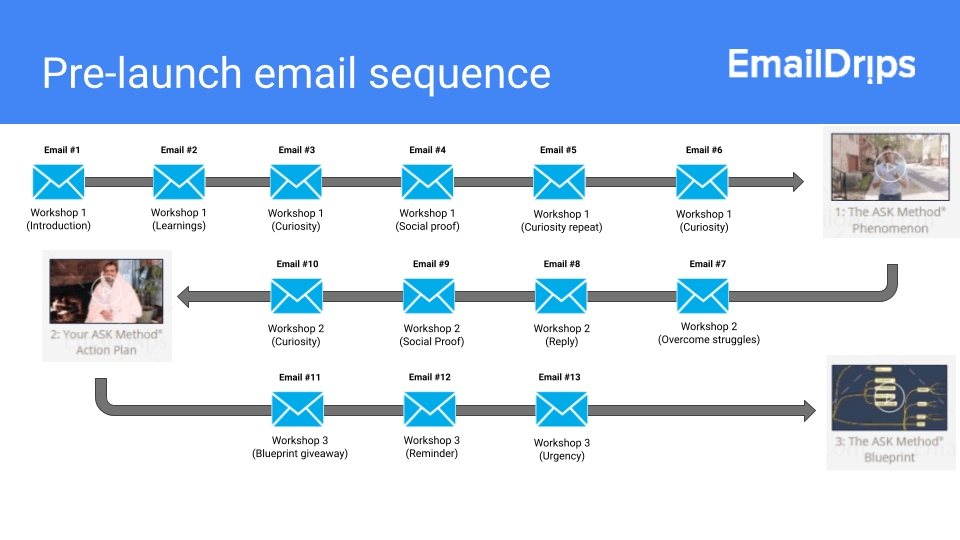
Teaser emails work well because they create curiosity without revealing everything immediately. They can include behind-the-scenes content, early access opportunities, or product development stories.
A strong pre-launch message should:
- Create anticipation
- Highlight customer benefits
- Encourage subscribers to watch for updates
Write a Product Announcement Email That Creates Excitement
A product announcement email introduces the new offer and explains why customers should care. It should focus on benefits rather than only listing features.
The best announcements include a powerful opening, clear value proposition, and direct action step. Customers should quickly understand how the product solves their problems.
Effective announcement emails usually contain:
- A compelling subject line
- Product benefits
- Customer-focused messaging
- A strong call-to-action
Sales Emails That Drive Launch Conversions
Sales emails are designed to encourage customers to make a decision. They should create urgency while maintaining trust and transparency.
Using testimonials, limited-time bonuses, and customer success stories can improve credibility. These elements help reduce hesitation during the buying process. This aligns with research from Nielsen’s Trust in Advertising report, which found consumer testimonials and reviews to be among the most trusted forms of promotional content.
How to Launch Via Email and Maximize Sales
Knowing how to launch via email requires more than writing promotional content. Successful campaigns combine automation, personalization, segmentation, and performance tracking.
Email marketing platforms allow businesses to send targeted messages based on subscriber behavior. This improves customer experience and increases the chance of conversions. This kind of behavior-based automation overlaps closely with our guide on ecommerce email flows for 2026, which covers similar trigger-based sequences beyond just launches.
Optimize Subject Lines for Higher Open Rates
Subject lines are the first thing customers notice. A strong subject line should create interest while clearly communicating value.
Avoid misleading headlines because they can damage trust. Instead, use curiosity, personalization, and relevant benefits to encourage opens.
Examples of effective approaches include:
- Asking a customer-focused question
- Highlighting a benefit
- Creating curiosity about the launch
Improve Clicks With Strong Email CTAs
A clear call-to-action helps customers understand what to do next. Weak CTAs can reduce conversions even when the email content is valuable.
Use action-focused language and make the next step simple. Whether it is buying, signing up, or learning more, the CTA should match the campaign goal.
Common Product Launch Email Mistakes to Avoid
Even strong products can struggle when email campaigns are poorly planned. Many businesses focus only on selling and forget the importance of customer education.
Avoiding common mistakes improves campaign performance and builds stronger relationships. A successful launch requires strategy, testing, and continuous improvement.
Common mistakes include:
- Sending only one email
- Ignoring audience research
- Using unclear messaging
- Failing to follow up
- Creating weak calls-to-action
How to Measure Product Launch Email Success
Tracking performance helps marketers understand what works and what needs improvement. Email analytics provide valuable information about customer behavior and campaign effectiveness.
Monitoring important metrics allows businesses to improve future launches. Data-driven decisions create better customer experiences over time.
| Metric | What It Measures |
|---|---|
| Open Rate | Subject line effectiveness |
| Click-Through Rate | Audience engagement |
| Conversion Rate | Sales performance |
| Revenue Per Email | Campaign profitability |
Key Takeaways for Creating a Successful Email Launch
A successful launch depends on preparation, valuable communication, and customer understanding. Emails should guide people through the buying journey instead of forcing immediate purchases.
The most important lessons include:
- Build anticipation before launch day
- Focus on customer benefits
- Use personalized communication
- Test different messages
- Analyze campaign results
Conclusion
Creating a successful email launch requires strategic planning, meaningful communication, and a customer-focused approach. Businesses that understand their audience can create campaigns that generate excitement and encourage action.
A strong launch email strategy is not only about selling a product; it is about building trust before the purchase happens. Brands can improve their marketing approach by studying successful examples and using platforms like brandsholder to understand branding strategies, market positioning, and audience engagement techniques. With the right structure, businesses can create launch campaigns that support long-term growth.
Frequently Asked Questions
1. What is the purpose of a launch email sequence?
A launch email sequence helps businesses introduce products, educate customers, build excitement, and increase sales through planned communication.
2. How many emails should a product launch campaign include?
Most campaigns include five to seven emails covering pre-launch, announcement, sales, and follow-up stages.
3. When should I start a pre-launch email campaign?
A pre-launch campaign can begin several weeks before release, depending on product complexity and audience size.
4. What makes a product announcement email effective?
An effective announcement email clearly explains product benefits, uses engaging copy, and includes a strong call-to-action.
5. How can I improve sales from launch emails?
Improve results by testing subject lines, personalizing messages, understanding customer needs, and tracking campaign performance.