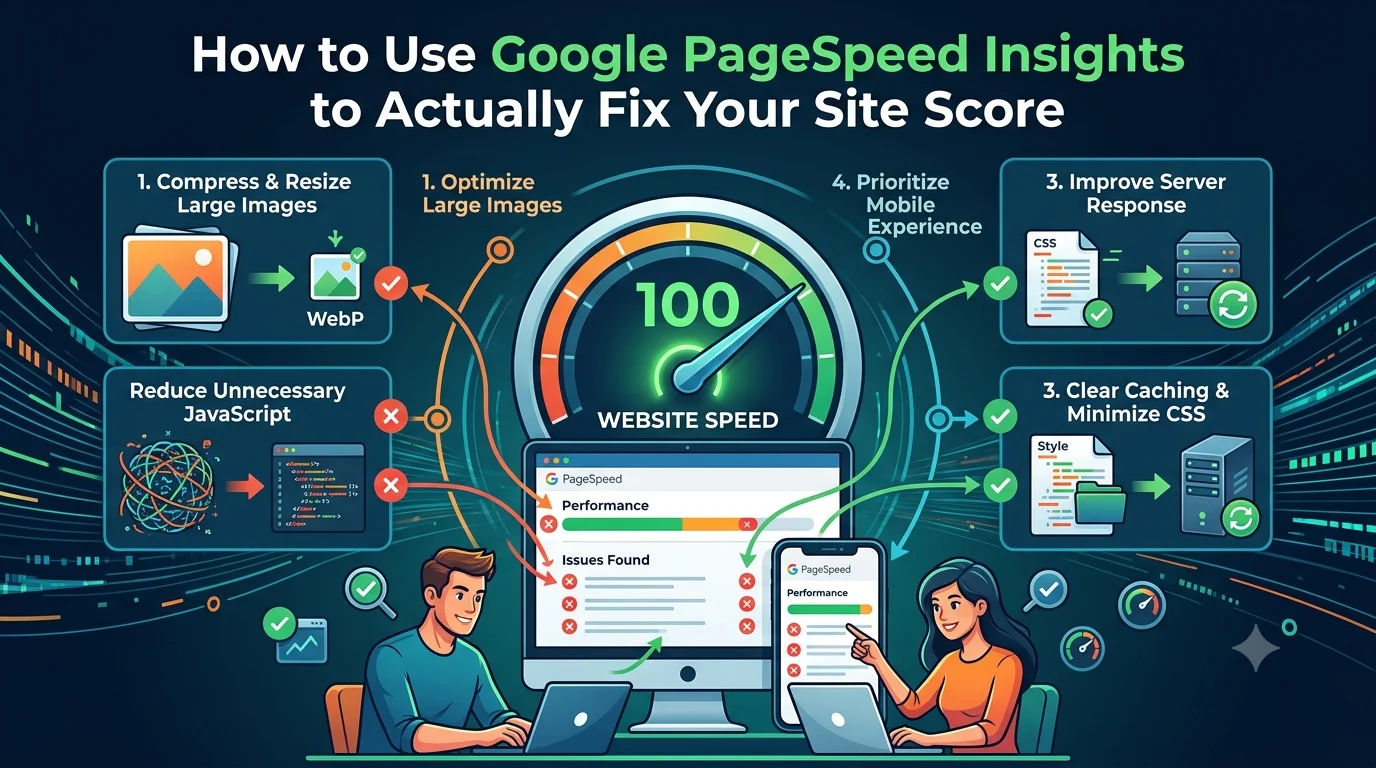

A negative seo attack 2026 involves spam backlinks, AI-generated link networks, and reputation manipulation strategies. Early detection requires backlink audits, Search Console monitoring, and traffic analysis tools. Proper protection depends heavily on experience-driven EEAT strength, website security, and consistent monitoring practices. Recovery includes calculated disavow actions, link cleanup, and rebuilding trust signals gradually. Modern organic search success requires proactive monitoring and strong core update adaptation strategies.
Negative SEO attack 2026 is a growing search engine threat today. Website owners face spam backlinks and harmful ranking manipulation attempts regularly. Modern Google core updates now focus heavily on EEAT signals evaluation. Understanding these risks helps protect your website from sudden ranking drops effectively.

AI-driven automation now makes search engine sabotage more complex than ever before. You need consistent monitoring strategies to maintain stable search visibility today. This guide explains troubleshooting, defense, recovery, and long-term search safety clearly, aligning with modern visibility principles.
What Is a Negative SEO Attack in 2026?
Negative SEO attack in 2026 refers to intentional ranking manipulation attempts. Attackers use spam backlinks, duplicate content, and toxic SEO signals widely. Search engines try to filter these signals but cannot catch everything instantly. That is why understanding modern SEO sabotage methods is very important today.
Definition of Negative SEO
Negative SEO is the practice of harming competitor search performance unfairly. It includes unnatural backlinks, anchor manipulation, and scraped content distribution online. These tactics confuse search engines about website authority and trust signals. Proper understanding helps you defend against ranking manipulation attempts effectively.
Why Attacks Are Increasing in 2026
Negative SEO attacks are increasing due to automation and AI tools. Attackers can generate thousands of spam links within very short timeframes. Competition in search rankings is extremely high across all industries globally. This makes SEO sabotage more common in competitive digital environments today.
Does Google Ignore Negative SEO Completely?
Algorithmic filtering systems ignore the vast majority of junk connections automatically without webmaster intervention. However, extreme or sustained campaigns can still temporarily impact visibility metrics and traffic trends. That is why continuous monitoring remains highly necessary. Proactive safety measures reduce long-term risk and ranking instability significantly.
Common Types of Negative SEO Attacks
Malicious operations come in many different forms across various niches. Each attack type targets different algorithmic trust factors and indexing signals directly. Understanding these harmful methods helps build stronger defensive setups. Modern setups often combine automated scripts, scrapers, and malicious networks together.
Spam Backlinks Attack
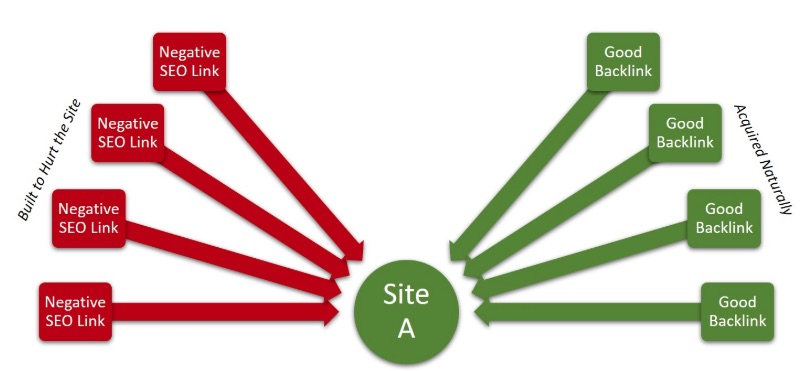
A massive spam backlinks attack involves blasting thousands of irrelevant, adult, or low-quality links directly to your domain. These links often originate from automated link farms and totally unrelated foreign language sites. They distort your historical data and can artificially inflate your risk score. Monitoring link quality is essential for protecting ranking stability consistently. Building a strong, naturally earned link profile from the start is the most effective long-term defense against these types of automated spam campaigns.
Content Scraping and Duplication
Content scraping involves copying your original articles without permission repeatedly using automated RSS feeds. This creates severe duplicate content issues that confuse search engine indexing systems regarding who the original author is. It can reduce originality signals and weaken content authority gradually. Regular plagiarism checks help identify these scraped blocks quickly.
Fake Negative Reviews
Fake reviews are used to damage your brand reputation across third-party local directories and public profiles. These targeted ratings reduce consumer trust signals and influence algorithmic perception negatively. Search engines consider brand sentiment data when evaluating real-world authority levels. Keeping tabs on public reviews helps maintain brand trust and credibility strongly.
Website Hacking and Malware Injection
Website hacking introduces malicious code or hidden redirects that damage search performance significantly. It can lead to severe indexing bugs and automated browser security warnings popping up for users. Such intrusions severely impact user experience and organic traffic performance quickly. Strong security systems reduce hacking risks and administrative damage effectively.
AI-Generated Spam Link Networks
AI-generated spam networks create massive backlink patterns automatically at scale. These networks target multiple websites simultaneously across different niches globally. They appear natural initially but later reveal toxic SEO behavior. Advanced SEO tools are needed to detect these complex patterns.
How to Detect Negative SEO Early
Spotting the warning signs of search engine sabotage early prevents major revenue damage. Most automated platforms fail to notice backlink anomalies until their traffic drops significantly. Regular monitoring improves security and search visibility protection overall. This approach supports foundational resilience against core update fluctuations effectively.
Sudden Ranking Drops
Sharp declines indicate potential manual flags or algorithm-related quality demotions. These drops should always be cross-referenced with your analytics history. Identifying timing patterns helps isolate the source.
Toxic Backlink Spikes
Rapid, unexplained growth in your total link count points toward an active automated blasting campaign.
Unnatural Anchor Text Patterns
Look for sudden waves of exact-match keywords, foreign phrases, or adult terms in your anchor distributions.
Google Search Console Warnings
Direct notifications from webmaster portals signify security threats, index issues, or manual review problems.
Traffic Anomalies and Crawl Errors
Traffic anomalies indicate unusual drops or spikes in organic visits. Crawl errors suggest indexing issues or technical SEO disruptions present. Both signals often appear before ranking changes become visible. Monitoring analytics ensures faster detection of negative SEO patterns.
Best Tools to Detect Negative SEO
Professional tools help identify harmful connections and suspicious ranking adjustments. They provide deep insights into link quality and domain health metrics. Using multiple data sources improves the accuracy of your monitoring processes, strengthening your overall platform reliability significantly.
Backlink Monitoring Tools Overview
| Tool Name | Main Feature | Usage Type | SEO Focus |
|---|---|---|---|
| Ahrefs | Backlink tracking | Paid | Toxic links |
| SEMrush | Toxic score analysis | Paid | SEO audits |
| Google Search Console | Index monitoring | Free | Site health |
| Screaming Frog | Technical audit | Paid/Free | Site issues |
Ahrefs Backlink Monitoring
Ahrefs tracks backlinks in real time and identifies suspicious domains. It highlights new and lost links affecting SEO performance changes. This helps detect spam backlink attack activity early and accurately. It is widely used for professional SEO analysis worldwide today.
SEMrush Toxic Score Analysis
SEMrush assigns toxicity scores to backlinks based on risk levels. High scores indicate potential negative SEO threats requiring attention immediately. This simplifies backlink cleanup and prioritization processes effectively for users. It supports strong SEO hygiene and safer ranking maintenance overall.
Google Search Console Alerts
Google Search Console provides official data from Google indexing systems. It shows warnings about security, indexing, and manual actions clearly. This makes it a critical SEO monitoring tool for websites. Regular checks ensure faster response to SEO issues effectively.
Screaming Frog Technical Audits
Screaming Frog scans websites for technical SEO errors and issues. It detects broken links, redirects, and crawl problems efficiently. This improves website health and supports SEO optimization efforts. Technical audits strengthen long-term search engine visibility performance significantly.
How to Use the Disavow Tool Safely
The official webmaster system allows you to ask search networks to ignore specific external associations when calculating your organic performance. However, this administrative file should only be modified after a careful manual review of your link graph. Incorrect usage may accidentally remove high-quality links, harming your rankings instead of improving them.
Before taking action, it is vital to understand how to handle a disavow tool submission securely Understanding the full scope of technical SEO practices gives website owners the knowledge to handle link cleanup and indexing issues with confidence.:
What the Disavow Tool Does
The disavow tool tells Google to ignore specific backlinks completely. It does not physically remove links from external websites directly. It only changes how Google evaluates backlink signals for ranking. This makes it a controlled SEO recovery mechanism for users.
When to Use Disavow Tool
Use the disavow tool only when toxic backlinks are confirmed. It is useful after spam backlink attacks or penalties detected. Avoid unnecessary disavowing as it can reduce link authority. Careful evaluation ensures better SEO protection and ranking stability.
How to Create Disavow File
A disavow file contains list of harmful domains or URLs. It must follow correct formatting rules before uploading in Search Console. Incorrect formatting can cause file processing errors or rejection issues. Accuracy is essential for successful SEO recovery execution.
Common Mistakes to Avoid
Many users disavow high-quality backlinks by mistake during cleanup. This reduces domain authority and weakens ranking performance significantly. Always analyze backlinks before removing them from SEO signals. Careful review ensures safer and more effective SEO decisions.
How to Protect Site Negative SEO Threats
Implementing defensive measures ahead of time requires consistent monitoring strategies. Building a strong foundational footprint reduces the overall impact of automated manipulation and link spam attacks. Prevention is always infinitely more effective than trying to recover lost traffic after an exploit occurs.
To safely protect site negative seo threats, focus on reinforcing your digital infrastructure:
Build Strong Backlink Profiles
Strong backlink profiles reduce impact of spam attacks significantly. High-quality links improve authority and trust signals across search engines. Natural link growth ensures stable ranking performance over time. This strengthens overall SEO resilience against negative attacks.
Monitor Backlinks Regularly
Regular backlink monitoring helps detect spam links early. Weekly audits ensure faster identification of suspicious domains online. This prevents long-term SEO damage and ranking instability issues. Consistency is key for maintaining SEO safety and performance.
Improve Website Security
Website security protects against hacking and malicious SEO injections. SSL certificates and firewalls reduce vulnerability to attacks significantly. Secure websites maintain stronger trust signals in Google systems. Security is essential for modern SEO success and stability.
Enable Malware Protection
Malware protection prevents harmful code from affecting website SEO. Regular scans help detect hidden threats before damage occurs. This maintains indexing stability and search visibility performance. Security tools are essential for SEO protection today.
Strengthen EEAT Signals
EEAT signals improve trust, authority, and content credibility online. High-quality content and author expertise strengthen search rankings significantly. Strong branding reduces impact of SEO manipulation attempts. Google prioritizes trustworthy websites in core algorithm updates.
Step-by-Step Post-Attack Recovery
Recovery from aggressive search engine sabotage requires a structured, rapid response. Delayed action increases overall indexing damage and recovery timelines significantly. A clear recovery process helps restore stability while rebuilding organic trust metrics effectively.
Step 1: Conduct a Comprehensive Audit
Isolate all harmful, automated, and suspicious referring domains using your auditing tools. Understanding the exact scale, source, and timing of the attack is essential before taking any corrective actions in your webmaster console.
Step 2: Request Manual Removal
Whenever possible, try to contact webmasters of low-tier sites to remove the toxic links manually. Focus heavily on high-risk networks first to reduce the immediate footprint. Clean removal strengthens your long-term link profile safety.
Step 3: Formalize Your Exclusion File
Compile the remaining toxic domains into a structured list and submit them officially. This forces search engine crawlers to isolate your brand from those specific bad neighborhoods during future core algorithm updates.
Step 4: Rebuild Legitimate Trust Signals
Shift your focus toward earning high-quality, editorial links from verified niche authorities. Publishing original, high-intent content improves engagement metrics, helping to restore original ranking stability over time.
Future of Negative SEO in 2026 and Beyond
Negative SEO continues evolving with AI and automation systems. Attack complexity increases as tools become more advanced.
Search engines also improve detection systems continuously over time. This creates an ongoing balance between attack and defense.
AI-Powered Spam Attacks
AI tools generate large-scale spam backlink networks quickly. These attacks are harder to detect manually without tools. SEO systems are adapting to identify patterns more accurately. Automation increases both risks and detection capabilities simultaneously.
Google Core Update Evolution
Google core updates improve spam detection and ranking accuracy. These updates reduce impact of unnatural SEO manipulation attempts. They improve search quality and user experience significantly. Core updates strengthen SEO ecosystem stability over time.
Importance of Proactive Monitoring
Waiting for ranking drops is no longer safe strategy. Continuous monitoring ensures faster detection of SEO threats. This reduces recovery time and ranking losses significantly. Proactive SEO is essential for modern digital success.
Conclusion
Defending your web properties requires constant attention and modern protection strategies. Without routine monitoring, platforms risk losing hard-earned search positions due to unvetted link spikes and scraper loops. Maintaining strong security configurations, clean link metrics, and consistent content tracking ensures long-term search engine stability.
To maintain healthy, unpenalized growth, Brandsholder recommends incorporating automated link tracking alerts into your routine operational workflow to address indexing anomalies before they influence your bottom line.
FAQs
What is a negative SEO attack?
Negative SEO attack is harmful effort to damage search rankings intentionally. It uses spam backlinks, fake signals, and content manipulation methods. These tactics target website authority and trust in search engines. Proper monitoring helps prevent such attacks effectively over time.
Can spam backlinks hurt rankings in 2026?
Most spam backlinks are ignored by Google algorithms automatically. However extreme cases can still affect visibility and rankings temporarily. Regular backlink monitoring ensures safer SEO performance overall. Prevention remains important for long-term ranking stability.
Should I use disavow tool?
Yes, but only after confirming toxic backlinks clearly. Improper use may reduce your website authority significantly. It is a recovery tool, not routine SEO practice. Careful analysis is required before using it safely.
How often should backlink audit be done?
Backlink audits should be done weekly for active websites. Frequent checks help detect spam attacks early and quickly. This reduces risk of ranking damage significantly over time. Consistency improves SEO protection and stability.
Can negative SEO permanently damage website?
Usually negative SEO does not cause permanent damage. However delayed action can increase recovery time significantly. Quick response ensures full recovery of rankings possible. Proactive monitoring prevents long-term SEO issues effectively.