Pinterest remains one of the most affordable digital advertising platforms in 2026, offering lower CPCs and high-quality traffic for many businesses. Its search-based discovery system attracts users who are actively planning purchases, making conversions more likely than on many entertainment-focused social platforms. By combining strong visuals, strategic targeting, accurate conversion tracking, and continuous optimization, advertisers can build profitable campaigns without competing against the extremely high costs found on larger advertising networks.
Digital advertising costs continue to rise, making affordable platforms more valuable than ever. Many businesses are searching for alternatives that deliver quality traffic without exhausting their marketing budget. This Pinterest Ads Guide 2026 explains why Pinterest remains one of the most cost-effective advertising platforms for brands, creators, and online stores. If you’re looking for lower cost-per-click (CPC), stronger purchase intent, and long-lasting visibility, Pinterest deserves your attention.
What Are Pinterest Ads?
Pinterest Ads are paid promotions that help businesses reach users while they search for ideas, products, and inspiration. Unlike many social media platforms, Pinterest users often visit with a clear intention to plan future purchases. This unique behavior makes the platform especially valuable for advertisers targeting customers in the discovery stage.

Pinterest advertising works by displaying promoted content that blends naturally into users’ feeds and search results. Businesses can advertise products, services, blog posts, or online stores through different ad formats. Since Pinterest acts more like a visual search engine than a traditional social network, content often continues generating traffic long after campaigns begin.
How Pinterest Advertising Works
Pinterest uses keywords, interests, demographics, and user behavior to display relevant ads. Advertisers create campaigns through Pinterest Business, define their audience, and choose campaign objectives. The platform then delivers ads to users who are most likely to engage or convert.
Unlike platforms that prioritize endless scrolling, Pinterest encourages users to save ideas for future purchases. This buying mindset increases the chances of meaningful clicks and higher-quality website traffic.
Why Pinterest Is Different from Other Social Platforms
Most social platforms focus on entertainment and social interactions. Pinterest focuses on planning, researching, and shopping, creating a completely different user experience. This difference allows advertisers to connect with people who are already considering future purchases.
Pins also have a much longer lifespan than standard social media posts. A successful pin can continue driving impressions and clicks for several months, increasing the overall value of your advertising investment.
Why Pinterest Ads Are Growing in 2026
Pinterest has quietly become one of the most attractive advertising platforms for businesses seeking better returns. Improved AI-powered recommendations, stronger shopping features, and expanding ecommerce integrations have made the platform increasingly effective. Many advertisers are shifting part of their budgets because Pinterest often delivers lower CPCs than larger competitors.
As privacy regulations reshape digital marketing, Pinterest’s contextual targeting and search-based discovery continue to perform well. Users willingly share their interests through searches and saved boards, making audience targeting more accurate.
Increased Buyer Intent
Pinterest users usually search with a goal already in mind. They browse recipes, home décor, fashion ideas, travel destinations, and product recommendations before making buying decisions. This planning behavior creates a highly valuable audience for businesses.
Since visitors often arrive with commercial intent, advertisers experience stronger engagement and more qualified website traffic.
Longer Content Lifespan
Unlike many social platforms where posts disappear within hours, Pinterest content remains searchable for months. Promoted Pins continue appearing in searches and recommendation feeds long after publication.
This extended visibility helps brands maximize their advertising budget while generating consistent traffic over time.
AI-Powered Ad Optimization
Pinterest continues investing in artificial intelligence to improve campaign performance. Machine learning automatically identifies users with higher purchase intent and optimizes ad delivery accordingly.
Advertisers also benefit from automated bidding strategies that improve conversions while controlling advertising costs.
Pinterest Ads Cost in 2026
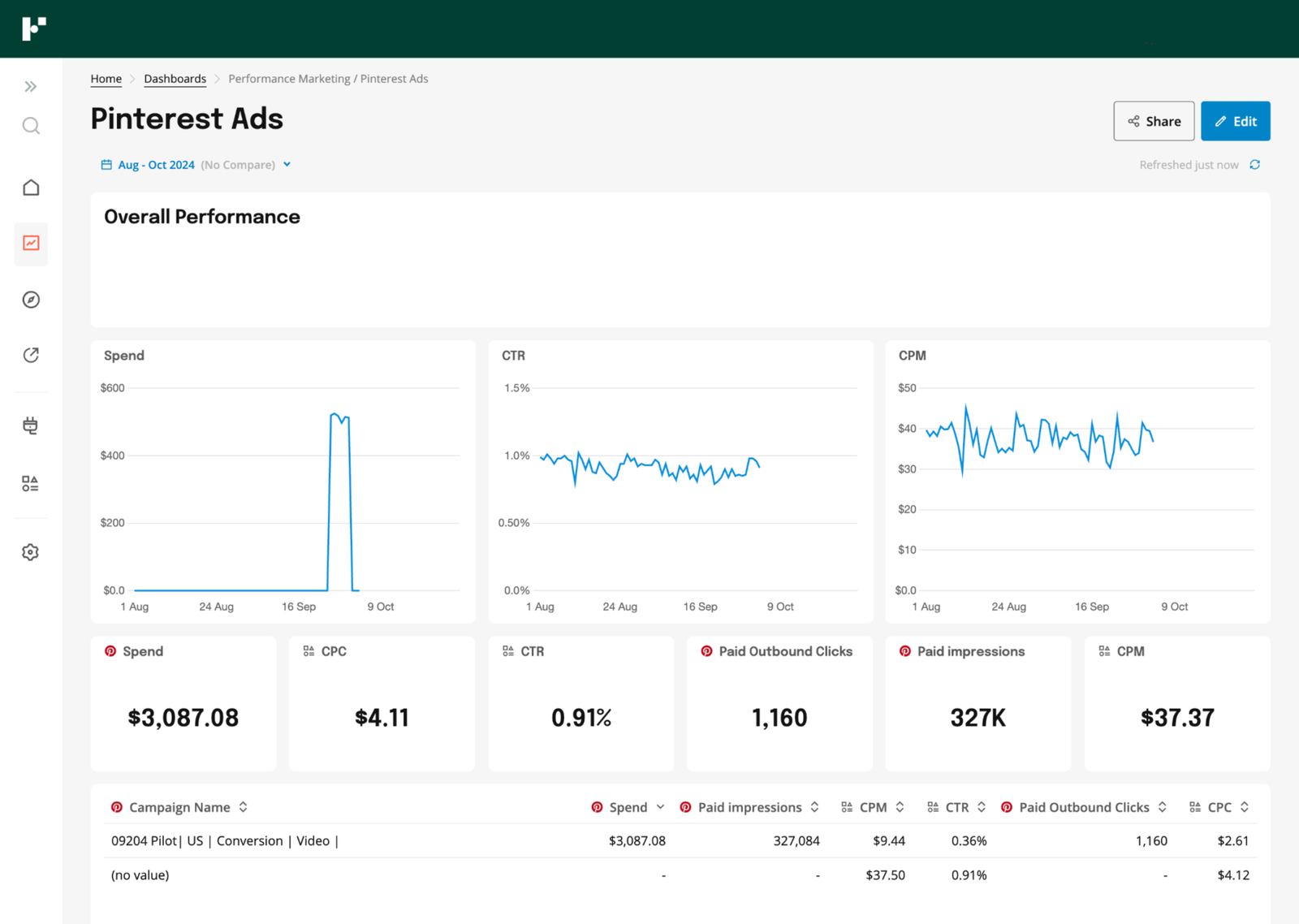
One of Pinterest’s biggest advantages is affordability. While advertising costs vary by industry and competition, Pinterest remains one of the most budget-friendly paid marketing platforms available today. Small businesses especially appreciate its ability to generate meaningful traffic without requiring massive investments.
Campaign costs depend on targeting, audience size, bidding strategy, and creative quality. Better-performing ads usually receive more engagement while maintaining lower acquisition costs.
Average CPC
Pinterest’s average CPC generally remains lower than Facebook and Google Ads across many industries. Businesses frequently achieve affordable clicks because competition is still relatively lower.
Lower CPC allows marketers to test more campaigns without significantly increasing advertising expenses.
CPM
Pinterest also offers competitive CPM rates, making it attractive for awareness campaigns. Brands looking to build visibility often find Pinterest more cost-efficient than other visual advertising channels.
CPA
Cost per acquisition depends on landing pages, creative quality, and audience targeting. Businesses with optimized websites typically achieve stronger conversion rates while maintaining lower acquisition costs.
Budget Recommendations
Beginners should start with a modest daily budget before scaling successful campaigns. Testing multiple creatives and audience segments helps identify the highest-performing combinations.
| Advertising Metric | Google Ads | ||
|---|---|---|---|
| Average CPC | Lower | Medium to High | High |
| Content Lifespan | Months | Days | Search Dependent |
| Purchase Intent | High | Moderate | High |
| Competition | Moderate | Very High | Very High |
| Best For | Discovery & Shopping | Social Engagement | Search Intent |
Pinterest Ads vs Facebook
Businesses often compare Pinterest with Facebook before allocating advertising budgets. Although both platforms offer advanced targeting, they attract users with different intentions. Understanding these differences helps marketers choose the right platform for their goals our detailed breakdown of Meta Ads covers exactly what to expect on the Facebook side of this comparison.
Pinterest performs exceptionally well for products requiring inspiration, while Facebook excels at community engagement and remarketing.
Audience Quality
Pinterest users actively search for solutions, ideas, and products. Facebook users often browse casually while interacting with friends and entertainment content.
This distinction means Pinterest frequently delivers visitors who are closer to making purchase decisions.
Cost Comparison
One reason advertisers choose pinterest ads vs Facebook comparisons is the noticeable difference in advertising costs. Pinterest generally experiences less bidding competition, allowing businesses to generate affordable clicks.
Companies with limited budgets often achieve better traffic volume through Pinterest advertising campaigns.
Conversion Potential
Pinterest users regularly save products they intend to purchase later. This behavior extends the customer journey while increasing future conversion opportunities.
Brands using high-quality visuals and optimized landing pages often experience impressive return on ad spend.
Types of Pinterest Ads
Pinterest provides several advertising formats that support different marketing objectives. Choosing the right format depends on campaign goals, target audience, and available creative assets. Each option offers unique advantages for improving visibility and driving conversions.
Standard Ads
Standard image ads blend naturally into Pinterest feeds and search results. They work well for promoting blog articles, ecommerce products, and service-based businesses.
Shopping Ads
Shopping Ads automatically display product information directly from your product catalog. They simplify the buying journey while increasing purchase opportunities.
Video Ads
Video content captures attention quickly and demonstrates products more effectively than static images. Short, engaging videos usually generate stronger engagement across many industries for advertisers weighing video-first platforms, our YouTube Ads benchmarks guide is a useful cost comparison.
Carousel Ads
Carousel Ads showcase multiple products or tell a visual story within one advertisement. They are particularly useful for collections, product features, and step-by-step demonstrations.
How to Launch Your First Pinterest Campaign
Launching your first Pinterest campaign is easier than many beginners expect. The platform provides a straightforward dashboard with clear campaign objectives and audience settings. Taking time to plan your campaign carefully can significantly improve your advertising results.
Create a Pinterest Business Account
A Pinterest Business account, which you can set up directly through Pinterest’s official Business Hub, unlocks advertising tools, analytics, and audience insights. It also allows you to claim your website and build trust with potential customers. Completing your business profile with accurate information helps strengthen your brand presence.
Install the Pinterest Tag
The Pinterest Tag tracks important website actions such as purchases, sign-ups, and page visits. This data helps measure campaign performance and improve future targeting. Accurate tracking is essential for making informed advertising decisions much like the setup we recommend in our Google Analytics vs Matomo comparison for tracking website conversions accurately.
Choose the Right Campaign Objective
Pinterest offers objectives such as awareness, traffic, conversions, and catalog sales. Select the goal that best matches your business needs before launching a campaign. Choosing the correct objective allows Pinterest’s algorithm to optimize delivery more effectively.
Design High-Quality Creative
Pinterest is a visual platform where eye-catching images perform exceptionally well. Use high-resolution graphics, readable text overlays, and clear calls to action. Attractive visuals encourage users to click and save your content.
Target the Right Audience
Pinterest allows targeting based on keywords, interests, demographics, and customer lists. Combining multiple targeting methods improves campaign relevance and reduces wasted ad spend. Regular testing helps identify the audiences that deliver the strongest results.
Set Your Budget
Start with a manageable daily budget and monitor performance closely. Increase spending only after identifying successful campaigns and profitable audience segments. A gradual approach reduces risk while maximizing long-term returns.
Best Pinterest Advertising Strategies
A successful campaign requires more than simply creating attractive ads. Consistent testing and optimization help improve campaign performance over time. Businesses that analyze data regularly often achieve better return on investment.
Use Keyword Targeting
Pinterest functions similarly to a search engine, making keyword targeting extremely valuable. Include relevant keywords naturally within pin titles and descriptions. This strategy improves visibility for users actively searching for related topics.
Focus on Seasonal Trends
Pinterest users plan purchases weeks or even months ahead of important events. Launch seasonal campaigns early to reach customers before competitors. Holiday, travel, fashion, and home improvement campaigns often perform particularly well.
Retarget Interested Visitors
Retargeting reconnects with people who previously visited your website or engaged with your content. These audiences already recognize your brand and usually convert more easily. Combining retargeting with fresh creative can significantly improve campaign performance.
Test Multiple Creatives
No single design works perfectly for every audience. Create different versions of your ads and compare performance over time. Small creative improvements often produce meaningful increases in click-through rates and conversions.
Common Pinterest Advertising Mistakes
Even experienced marketers occasionally make mistakes that reduce campaign performance. Understanding these common issues helps avoid unnecessary advertising costs. Continuous learning remains essential for long-term success.
Using Low-Quality Images
Pinterest users expect visually appealing content that inspires action. Poor-quality graphics often receive fewer clicks and lower engagement. Investing in professional visuals can dramatically improve campaign performance.
Ignoring Analytics
Campaign data reveals what works and what requires improvement. Reviewing reports regularly helps advertisers make smarter optimization decisions. Businesses that rely on data usually achieve stronger long-term results.
Targeting Too Broadly
Large audiences may increase impressions but often reduce relevance. Narrow audience targeting typically produces higher engagement and lower acquisition costs. Testing different audience segments helps identify the most profitable customers.
Forgetting Mobile Optimization
Most Pinterest users browse on mobile devices. Slow-loading pages and poor mobile experiences reduce conversion rates. Ensure landing pages load quickly and display correctly across all screen sizes.
Who Should Use Pinterest Ads?
Pinterest advertising works particularly well for businesses with visually appealing products or services. The platform supports both established brands and growing small businesses. Companies targeting consumers during the planning stage often achieve impressive results.
Industries that perform especially well include:
- Fashion and apparel
- Home décor and furniture
- Beauty and skincare
- Food and recipes
- Travel and tourism
- DIY and crafts
- Health and wellness
- Digital products
- Online education
- Ecommerce stores
These industries naturally align with Pinterest’s inspiration-focused audience and shopping behavior.
Expert Tips to Lower CPC and Improve ROAS
Lower advertising costs come from continuous optimization rather than luck. Smart advertisers regularly refine campaigns based on performance data. Small improvements often generate significant savings over time.
Some practical tips include:
- Use clear and engaging images.
- Write compelling pin titles and descriptions.
- Test multiple audience segments.
- Refresh creatives regularly.
- Improve landing page speed.
- Track conversions accurately.
- Pause underperforming campaigns.
- Scale only successful advertisements.
Following these practices helps maintain a lower CPC while improving overall return on ad spend.
Key Takeaways
- Pinterest offers significantly lower CPCs than many competing advertising platforms.
- Users typically show stronger purchase intent than traditional social media audiences.
- High-quality visuals play a major role in campaign success.
- Keyword targeting improves visibility because Pinterest functions like a visual search engine.
- Testing and optimization are essential for improving ROAS over time.
- Long-lasting Pins continue generating traffic well beyond the initial campaign period.
- Pinterest is especially effective for ecommerce, lifestyle, fashion, home décor, and travel brands.
Conclusion
Pinterest has evolved into a powerful advertising platform that many businesses still overlook. With lower advertising costs, high-intent audiences, and longer-lasting content visibility, it offers an excellent opportunity for brands looking to maximize their marketing budget in 2026. Businesses that invest in creative visuals, smart targeting, and consistent optimization can achieve sustainable growth while spending less on customer acquisition. As digital advertising continues to become more competitive, Pinterest stands out as a practical choice for marketers seeking better value and stronger long-term results. For more marketing insights, advertising strategies, and business growth guides, Brandsholder is a valuable resource to explore.
Frequently Asked Questions
1. Are Pinterest Ads cheaper than Facebook Ads?
In many industries, Pinterest Ads have a lower average CPC because advertiser competition is generally lower than on Facebook.
2. How much should beginners spend on Pinterest Ads?
A small daily budget is enough to begin testing campaigns. Once you identify successful audiences and creatives, you can gradually increase your spending.
3. Which businesses benefit most from Pinterest advertising?
Ecommerce stores, fashion brands, beauty companies, home décor businesses, travel services, food brands, and DIY creators often achieve excellent results.
4. Can Pinterest Ads generate sales?
Yes. Pinterest users frequently search for products and ideas before making purchasing decisions, making the platform highly effective for driving qualified traffic and conversions.
5. Is Pinterest advertising worth using in 2026?
Yes. Pinterest continues to offer affordable advertising costs, strong buyer intent, advanced targeting options, and excellent opportunities for businesses seeking better return on investment.