Cart abandonment remains one of the biggest challenges for ecommerce businesses because customers often leave after showing strong buying intent. To improve conversions, brands need a complete approach that combines a smoother checkout experience, personalized marketing, better payment options, and effective recovery campaigns. A modern reduce cart abandonment 2026 focuses on removing customer friction, building trust, and using automation to bring shoppers back. The best results come from understanding why customers leave and fixing those specific problems. By applying checkout improvements, AI-powered personalization, and customer-focused recovery methods, ecommerce stores can increase completed purchases and improve revenue.
How to Reduce Cart Abandonment 2026: 12 Proven Tactics That Work
Shopping cart abandonment happens when customers add products to their carts but leave before completing their purchase. This issue affects ecommerce businesses of every size because visitors can lose interest at any stage of the checkout journey. Understanding customer behavior is the first step toward improving conversions and reducing lost revenue.
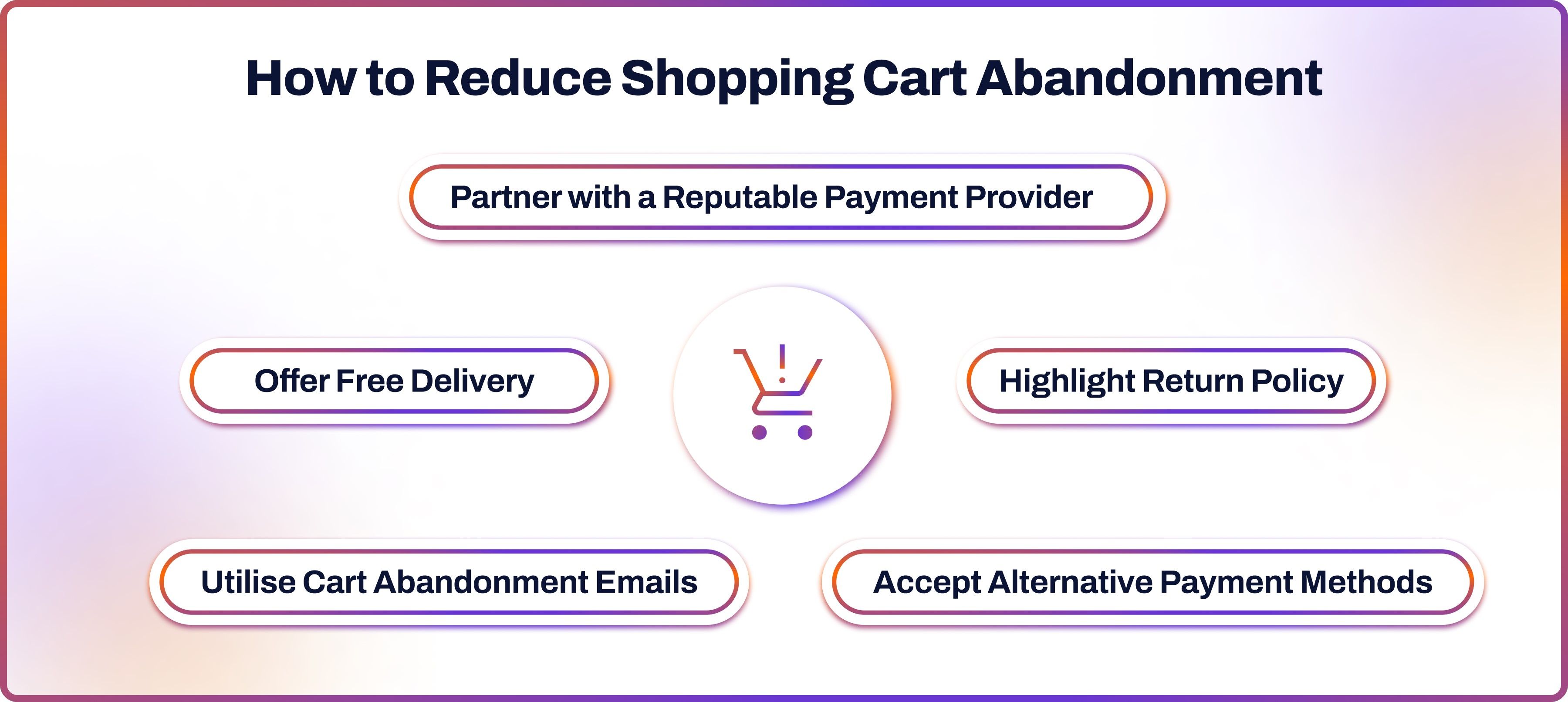
In 2026, shoppers expect fast, simple, and personalized buying experiences. A complicated checkout process or unexpected cost can quickly push customers toward competitors. Businesses that focus on improving the complete shopping experience can build stronger customer relationships.
Common Reasons Customers Leave Before Checkout
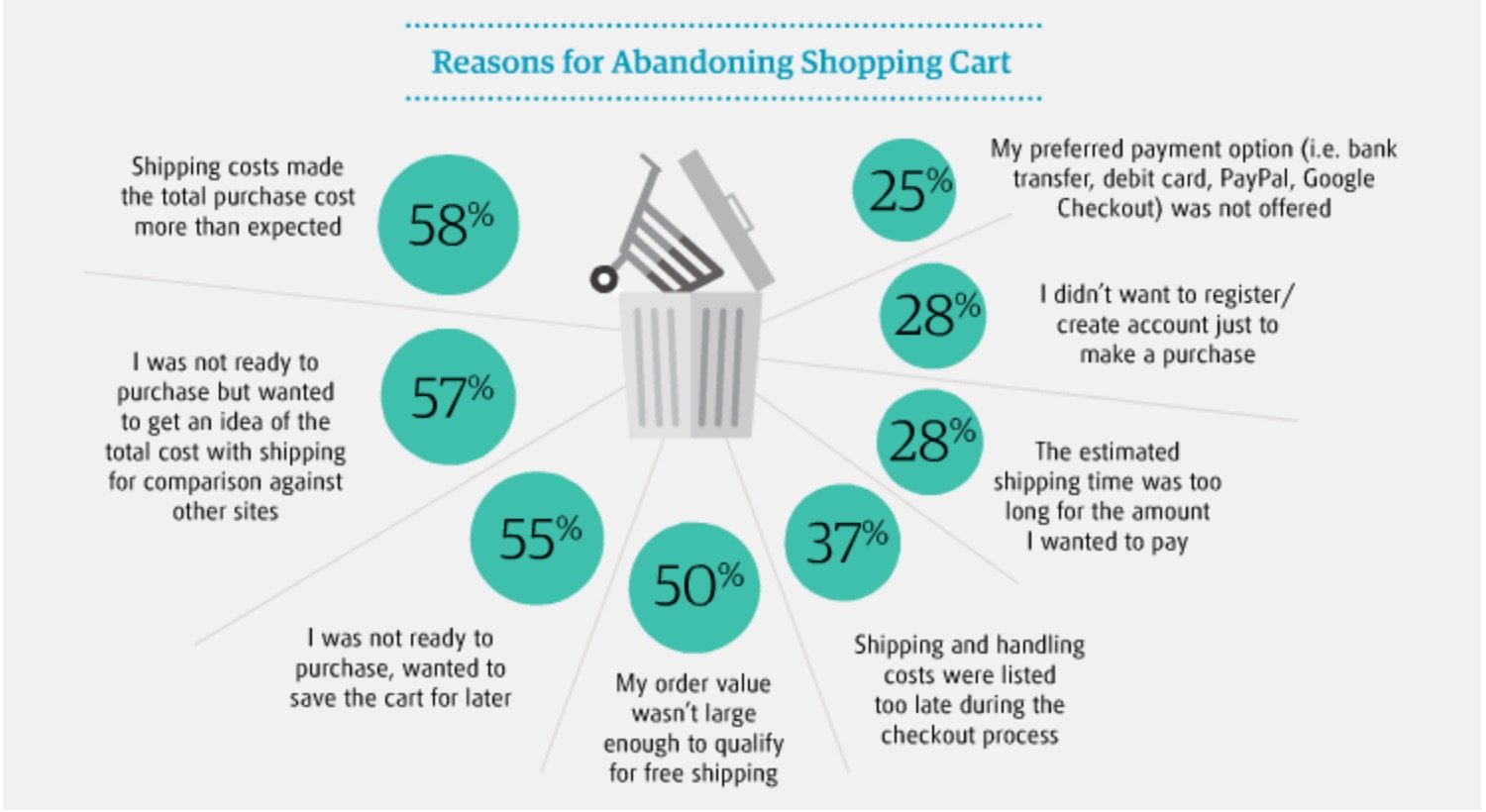
Many customers abandon carts because the buying process creates unnecessary friction. Hidden charges, limited payment options, and slow websites are some of the biggest reasons behind incomplete purchases.
Other common causes include:
- Complicated checkout forms
- Lack of trust signals
- Poor mobile experience
- Unexpected shipping costs
- Limited payment flexibility
Fixing these problems requires businesses to study customer behavior instead of making random changes. A data-driven approach helps identify the exact reasons shoppers leave.
Why Businesses Need a Strong Cart Abandonment Strategy
A successful ecommerce business cannot rely only on attracting new visitors. Recovering potential customers who already showed purchase interest is often more affordable and effective. A strong cart abandonment strategy helps brands reconnect with shoppers and increase completed orders.
Modern ecommerce requires a balance between customer experience and smart automation. Businesses should create smooth checkout journeys while using personalized communication to encourage customers to return.
Analyze Customer Behavior Before Fixing Checkout Problems
Before making improvements, businesses should understand where customers leave during checkout. Analytics tools can reveal whether the problem comes from payment failures, confusing pages, or unexpected costs.
Important areas to monitor include:
- Checkout drop-off points
- Device performance
- Customer navigation patterns
- Conversion funnel issues
Customer insights help businesses create meaningful improvements instead of temporary solutions. Every checkout change should be supported by real user behavior data.
12 Ways to Reduce Cart Abandonment in 2026
Simplify the Checkout Process
A lengthy checkout process can discourage customers from completing their orders. Reducing unnecessary steps makes purchasing faster and creates a better customer experience.
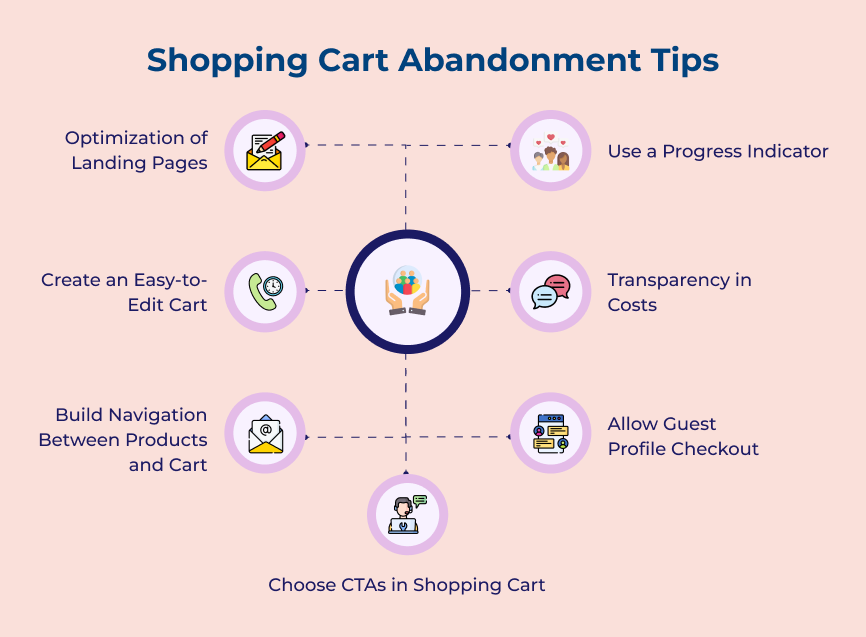
A simple checkout design should include guest checkout, autofill options, and clear progress indicators. Customers should understand what information is required without feeling overwhelmed.
Shorter checkout journeys often create higher conversion opportunities. Convenience has become a major factor in modern online shopping decisions.
Improve Mobile Checkout Experience
Mobile shopping continues to grow because customers want flexibility and quick purchasing options. A poor mobile checkout experience can cause customers to leave immediately.
Businesses should optimize mobile pages with:
- Faster loading speeds
- Easy navigation
- Mobile-friendly payment buttons
- Responsive checkout designs
A smooth mobile experience helps customers complete purchases without frustration. Mobile optimization is now essential for ecommerce success.
Add Multiple Payment Options
Customers prefer having payment choices that match their personal preferences. When a store only provides limited payment methods, shoppers may abandon their carts.
Popular options include:
- Digital wallets
- Credit and debit cards
- Buy-now-pay-later services
- Local payment solutions
Flexible payments remove barriers and make checkout more convenient. The right payment options can significantly improve purchase completion rates.
Remove Hidden Fees and Surprise Costs
Unexpected costs are among the biggest reasons customers abandon carts. Transparency throughout the buying process helps create confidence and trust.
Businesses should clearly display:
| Checkout Element | Customer Benefit |
|---|---|
| Shipping costs | Prevents surprises |
| Taxes | Improves transparency |
| Delivery timelines | Builds confidence |
| Return policies | Reduces purchase hesitation |
Clear pricing improves customer satisfaction and reduces last-minute exits. Shoppers appreciate honesty throughout their buying journey.
Use AI Personalization to Increase Checkout Completion
Artificial intelligence is changing how ecommerce brands interact with customers. AI tools can analyze shopping behavior and provide personalized recommendations or reminders.
Personalized experiences may include:
- Product suggestions
- Customized discounts
- Smart recovery messages
- Individual shopping recommendations
AI-driven experiences make customers feel understood and valued. This approach can improve engagement and increase completed purchases.
How to Recover Abandoned Carts and Win Back Customers
Learning how to recover abandoned carts is important because many shoppers leave temporarily rather than permanently. A timely reminder can bring them back and encourage them to complete their purchase.
Recovery campaigns work best when they provide value instead of feeling aggressive. Helpful messages, product reminders, and personalized incentives can improve customer response.
Create an Effective Abandoned Cart Email Sequence
Email recovery remains one of the most effective ways to reconnect with potential buyers. The timing and message quality determine whether customers return.
A simple email sequence can include:
- First reminder after abandonment
- Helpful product information
- Limited-time incentive
- Final follow-up message
The goal is to remind customers while maintaining a positive brand experience. Good emails focus on customer needs rather than only pushing sales.
Use SMS and Retargeting Campaigns
SMS messages and retargeting ads provide additional opportunities to reconnect with shoppers. These channels can remind customers about products they viewed or added to their carts.
Successful campaigns should use personalized messaging and proper timing. Excessive reminders may annoy customers and damage trust.
Ecommerce Checkout Fixes That Lower Abandonment Rates
A proper ecommerce checkout fix focuses on removing every obstacle between product selection and final payment. Even small improvements can create noticeable conversion gains.
Businesses should regularly review checkout performance and test improvements. Customer expectations change quickly, especially with increasing competition.
Build Trust During the Checkout Process
Trust plays a major role when customers decide whether to complete purchases. Many shoppers hesitate if they are unsure about payment security or return policies.
Trust improvements include:
- Customer reviews
- Security badges
- Clear refund policies
- Contact information
A trustworthy checkout experience encourages customers to complete their orders confidently. Transparency creates stronger relationships with buyers.
Test Checkout Changes With A/B Testing
A/B testing helps businesses understand which checkout improvements actually work. Instead of guessing, brands can compare different layouts, messages, and features.
Testing opportunities include:
- Button placement
- Checkout length
- Payment options
- Discount messaging
Continuous testing creates better long-term results. Ecommerce optimization should always be based on measurable performance.
How to Measure Your Cart Abandonment Improvements
Tracking performance helps businesses understand whether their changes are successful. The right metrics reveal customer behavior and highlight future opportunities.
| Metric | Purpose |
|---|---|
| Cart abandonment rate | Measures lost purchases |
| Conversion rate | Tracks completed sales |
| Recovery rate | Shows recovered customers |
| Checkout completion time | Identifies friction points |
Regular measurement ensures businesses continue improving their shopping experience. Data-driven decisions create sustainable ecommerce growth.
Final Checklist to Reduce Cart Abandonment in 2026
Businesses can improve checkout performance by focusing on customer convenience, trust, and personalization. The most successful stores continuously optimize their buying process.
Key actions include:
- Improve checkout speed
- Offer flexible payment methods
- Remove hidden costs
- Use recovery automation
- Personalize customer communication
- Test checkout improvements regularly
These steps help brands create smoother shopping experiences. A customer-friendly checkout process can become a powerful competitive advantage.
Key Takeaways
- Cart abandonment happens because of checkout friction, uncertainty, or poor user experience.
- Businesses need updated strategies that match 2026 customer expectations.
- Automation and personalization improve recovery opportunities.
- Mobile optimization and payment flexibility increase conversions.
- Continuous testing helps maintain long-term ecommerce growth.
Conclusion
Reducing cart abandonment requires more than sending reminder emails or offering discounts. Businesses need a complete strategy that improves checkout usability, builds trust, and creates personalized customer experiences. By focusing on these proven tactics, ecommerce stores can recover lost sales and improve customer satisfaction.
For brandsholder, investing in checkout optimization, automation, and customer-focused strategies creates stronger revenue opportunities in a competitive ecommerce environment. A well-planned approach helps businesses turn abandoned carts into completed purchases while building lasting customer relationships.
Frequently Asked Questions
1. What is the fastest way to reduce cart abandonment?
The fastest improvements usually come from simplifying checkout, removing hidden costs, and adding convenient payment options. These changes reduce customer frustration immediately.
2. How effective are abandoned cart recovery emails?
Abandoned cart emails can be highly effective when they are personalized, timely, and focused on helping customers complete their purchase.
3. Why do customers abandon online shopping carts?
Customers often leave because of unexpected costs, complicated checkout processes, limited payment options, or lack of trust.
4. How can AI help with cart abandonment?
AI can analyze customer behavior, personalize recommendations, and create automated recovery messages that encourage customers to return.
5. What is the best way to lower ecommerce cart abandonment rates?
The best approach combines checkout optimization, customer research, recovery campaigns, and continuous testing to improve the overall buying experience.