Social proof remains one of the most powerful conversion optimization strategies in 2026 because customers trust real experiences more than promotional messages. Businesses can improve credibility by using testimonials, verified reviews, trust badges, user-generated content, expert endorsements, and secure checkout signals. Strategic placement of these trust elements throughout the customer journey reduces hesitation and encourages purchases. Regularly updating reviews, avoiding fake testimonials, and testing different trust signals help create a website that users and search engines consider reliable and helpful.
In today’s competitive digital world, earning customer trust is more challenging than ever. People compare brands, read reviews, and seek recommendations before making a purchase. That is why social proof marketing 2026 has become one of the most effective ways to increase website conversions naturally. Instead of relying only on promotional messages, businesses now use authentic customer experiences to build confidence and encourage action.
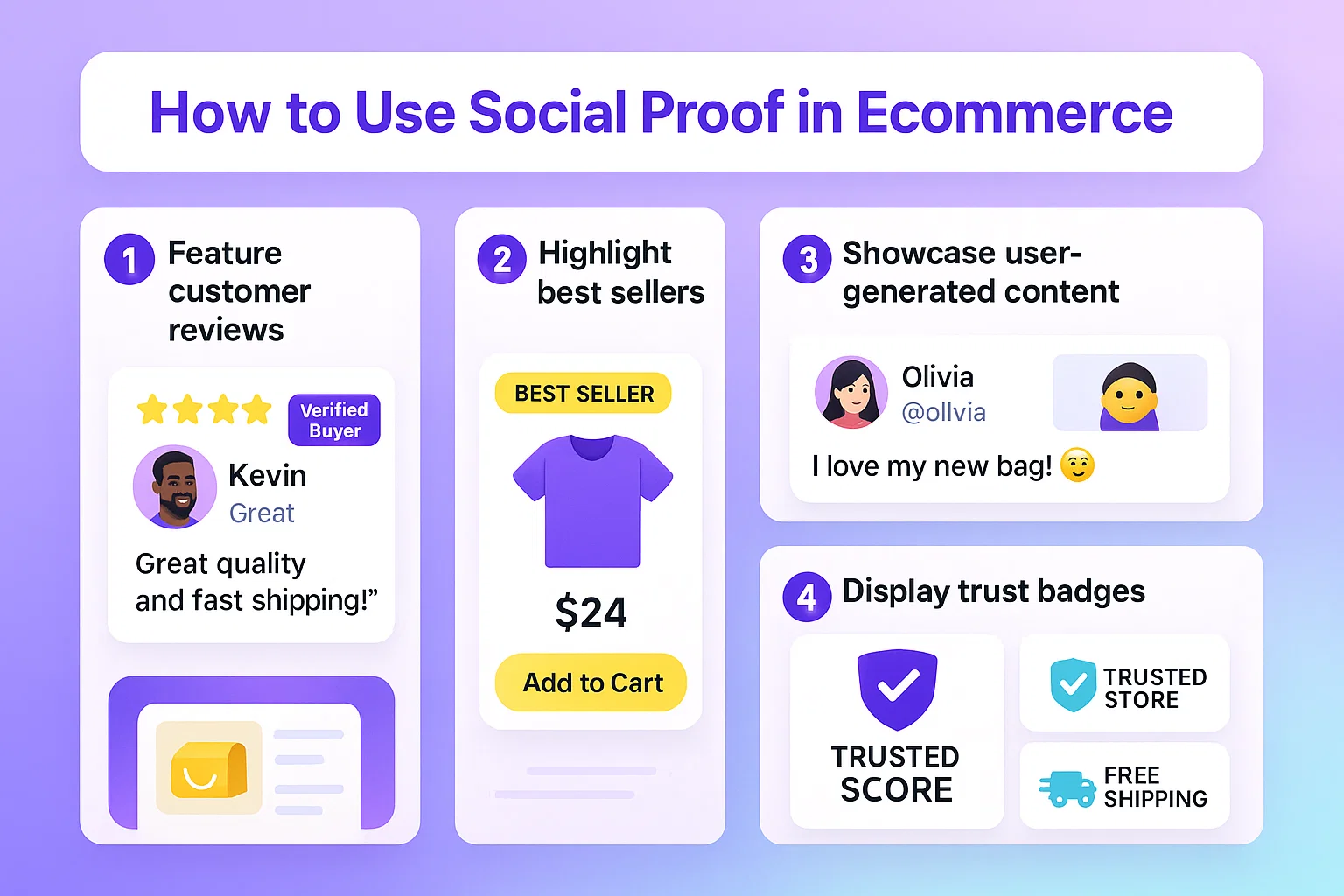
Whether you run an eCommerce store, SaaS platform, or service-based business, adding the right trust signals can make visitors feel more comfortable. This guide explains how social proof works, the different types available, and practical ways to use them for higher conversions. You’ll also learn updated strategies that align with modern user expectations and Google’s focus on helpful, trustworthy content.
What Is Social Proof Marketing in 2026?
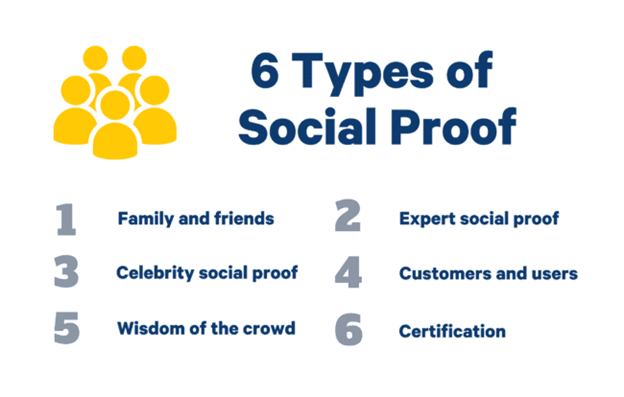
Social proof is the idea that people trust the actions and opinions of others when making decisions. In digital marketing, it means using customer experiences, reviews, ratings, and endorsements to show that your brand is reliable. Businesses that display genuine social proof often create stronger trust with first-time visitors. Modern buyers expect transparency before spending money on unfamiliar online businesses today.
Definition of Social Proof
Social proof refers to evidence that real people have used and appreciated your product or service. It can appear as customer testimonials, online reviews, user-generated content, or expert recommendations. These trust-building elements reduce uncertainty and help visitors feel more confident about choosing your brand. They also strengthen your website’s credibility in a natural and authentic way.
Why It Influences Buyer Decisions
Most people prefer making decisions backed by the experiences of others. Seeing positive reviews or real success stories reassures potential customers that they are making a safe choice. This emotional confidence often leads to faster purchasing decisions. People naturally follow trusted recommendations when facing uncertain buying decisions online.
How Consumer Behavior Has Changed in 2026
Consumers today expect proof before they trust any business online. AI-powered search, comparison websites, and review platforms have made information easier to access than ever. Buyers now value authentic experiences more than polished advertisements. Brands that provide genuine trust signals usually stand out from their competitors.
Why Social Proof Increases Website Conversions
People rarely buy products based only on marketing claims. Instead, they want reassurance from other customers who have already made the purchase. Effective trust signals reduce hesitation and encourage users to complete their journey. Confidence plays a significant role in improving every customer’s purchase decision today.
Psychology Behind Social Proof
Social proof is based on human psychology and the desire to make safe choices. When people notice others recommending a product, they assume it is trustworthy and valuable. This principle is especially powerful for first-time visitors unfamiliar with a brand. It reduces uncertainty without requiring aggressive sales techniques.
Building Trust Through Social Validation
Every positive review or testimonial acts as proof that your business delivers results. Visitors are more likely to trust opinions from real customers than direct advertising messages. Adding authentic experiences throughout your website creates consistent credibility. Trust grows faster when genuine customer experiences remain visible across important pages.
Reducing Purchase Anxiety
Customers often hesitate because they fear wasting money or making poor decisions. Social proof helps remove these concerns by showing successful outcomes from previous buyers. Clear evidence of customer satisfaction makes purchasing feel less risky. This simple approach can improve both conversions and customer confidence.
| Social Proof Element | Primary Benefit | Best Placement |
|---|---|---|
| Customer Reviews | Builds trust | Product pages |
| Testimonials | Demonstrates satisfaction | Homepage and landing pages |
| Star Ratings | Improves credibility | Product listings |
| Trust Badges | Increases security confidence | Checkout page |
| Case Studies | Shows measurable results | Service pages |
Types of Social Proof That Work Best
Not every type of social proof delivers the same impact. Choosing the right combination depends on your audience, products, and business goals. Using multiple trust signals together creates a stronger impression than relying on only one method. Different audiences respond better to different forms of trustworthy social validation.

Customer Testimonials
Testimonials remain one of the most effective trust-building tools for any website. They allow satisfied customers to describe their positive experiences in their own words. Including names, photos, or job titles increases authenticity and makes testimonials more believable. Short, specific testimonials usually perform better than lengthy generic statements.
Product Reviews
Online reviews directly influence buying decisions because they provide honest feedback from previous customers. Positive reviews improve confidence, while balanced reviews appear more authentic. Encourage customers to leave detailed feedback after every purchase. Responding professionally to reviews also demonstrates excellent customer service.
Star Ratings
Star ratings help visitors evaluate products quickly without reading every review. They create instant visual credibility and improve user experience on product pages. Products with higher ratings often receive better click-through and conversion rates. Consistency across your website strengthens customer confidence even further.
User-Generated Content (UGC)
Photos, videos, and social media posts created by customers provide authentic proof of product quality. User-generated content feels genuine because it reflects real experiences instead of company-produced promotions. Sharing this content also strengthens your relationship with existing customers. Authentic customer content often outperforms expensive promotional campaigns across digital platforms.
Expert Endorsements
Recommendations from industry professionals or recognized experts increase your brand’s authority. Expert opinions are particularly valuable for healthcare, finance, education, and technology businesses. Visitors often trust knowledgeable voices when evaluating unfamiliar products. Make sure endorsements remain relevant and transparent.
Influencer Recommendations
Influencers help introduce products to engaged communities that already trust their opinions. The most successful partnerships focus on authenticity instead of direct selling. Micro-influencers often generate stronger engagement because their audiences view them as more relatable. Honest recommendations create lasting credibility for both brands and creators.
Trust Badges and Certifications
Security badges, payment certifications, and money-back guarantees reassure visitors during the buying process. These trust signals reduce concerns about privacy and payment safety. Display them near checkout pages and important conversion points. Small visual indicators can significantly improve customer confidence.
Social Media Mentions
Positive mentions on platforms like LinkedIn, Instagram, and X demonstrate active customer engagement. Sharing customer stories, reviews, and achievements builds ongoing credibility. Social conversations also provide fresh proof that your business continues delivering value. Regular engagement strengthens both trust and brand visibility.
How to Use Testimonials Effectively
Testimonials create the strongest impact when they appear naturally throughout your website instead of being hidden on one page. Strategic placement helps visitors find reassurance exactly when they need it most. Well-written testimonials answer common objections before they become barriers. Relevant customer stories encourage hesitant visitors to become confident buyers naturally.
Placement on Landing Pages
Landing pages are designed to convert visitors into customers, making testimonials highly valuable. Place them close to calls-to-action so visitors can read positive experiences before making a decision. Highlight testimonials that match the page’s specific offer or audience. Relevant examples improve both trust and conversion potential.
Adding Photos and Real Names
Testimonials become far more believable when they include real customer identities. Adding photos, names, and company details creates authenticity without overwhelming the design. Visitors are more likely to trust feedback that feels genuine and verifiable. Avoid using anonymous quotes whenever possible.
Video Testimonials
Video testimonials create a stronger emotional connection because visitors can see and hear real customers. They demonstrate authenticity better than plain text and often increase engagement on landing pages. Keep videos short, honest, and focused on measurable results. Short videos with genuine experiences often outperform scripted promotional advertisements significantly.
Case Study Testimonials
Case studies go beyond simple praise by showing the customer’s challenge, solution, and outcome. Including real numbers, timelines, and results makes them more convincing for potential buyers. They work especially well for B2B companies, agencies, and SaaS businesses. Detailed success stories help visitors visualize similar results for themselves.
Website Trust Signals That Improve Conversion Rates
Trust signals reassure visitors that your business is legitimate, secure, and customer-focused. They reduce uncertainty during the buying journey and encourage users to complete their purchase. The most effective websites combine several trust signals instead of relying on only one. Strong credibility encourages visitors to purchase with greater confidence every single time.
Secure Payment Icons
Payment security logos reassure customers that their financial information is protected. Display recognized payment methods and SSL security badges near checkout. These visual elements reduce hesitation and improve checkout completion rates. Keep security information clear without overwhelming the page.
Money-Back Guarantees
A money-back guarantee lowers the perceived risk of buying from your business. Customers feel safer knowing they have an option if expectations are not met. Explain the guarantee in simple language with transparent terms. Honest policies build long-term customer trust.
Privacy and Security Badges
Privacy badges demonstrate your commitment to protecting customer data. Visitors appreciate businesses that clearly explain how personal information is handled. Place privacy assurances near forms where users submit sensitive details. Transparency strengthens both trust and compliance.
Third-Party Review Platforms
Displaying ratings from trusted platforms like Google Reviews, Trustpilot, G2, or Capterra increases credibility. Independent reviews appear more trustworthy because customers know they are hosted externally. Link to your review profiles whenever appropriate. Updated reviews show that your business remains active and reliable.
Verified Customer Reviews
Verified reviews reassure visitors that feedback comes from genuine buyers rather than anonymous sources. Authentic reviews with balanced opinions often perform better than overly perfect ratings. Encourage customers to share honest experiences after every purchase. Transparency builds stronger relationships with future customers.
| Trust Signal | Why It Matters | Best Location |
|---|---|---|
| SSL Certificate | Protects customer data | Header & Checkout |
| Money-Back Guarantee | Reduces purchase risk | Product Pages |
| Verified Reviews | Builds credibility | Product Pages |
| Third-Party Ratings | Adds independent proof | Homepage |
| Secure Payment Icons | Increases payment confidence | Checkout |
Best Practices for Reviews and Conversion Optimization
Customer reviews should become an ongoing part of your marketing strategy rather than a one-time activity. Regularly collecting and showcasing authentic feedback keeps your website fresh and trustworthy. Businesses that actively manage reviews often experience stronger customer loyalty. Consistent review management creates lasting trust and sustainable business growth over time.
Collecting Authentic Reviews
Ask customers for feedback shortly after they receive your product or service. Make the review process simple by sending direct links through email or SMS. Never purchase fake reviews because they damage long-term credibility. Genuine experiences always provide greater value.
Displaying Positive and Constructive Feedback
Showing only perfect reviews can seem unrealistic to potential customers. A balanced mix of positive and constructive feedback appears more authentic. Respond professionally to criticism and explain how issues were resolved. Honest communication demonstrates accountability.
Responding to Customer Reviews
Every response shows that your business values customer opinions. Thank customers for positive feedback and address concerns respectfully. Quick, thoughtful replies improve your online reputation and encourage future engagement. Consistent communication reflects excellent customer service.
Highlighting Ratings Across the Website
Display ratings on product pages, landing pages, and important conversion points. Visitors should encounter trust signals naturally throughout their journey. Avoid placing all reviews on a single page that users may never visit. Strategic placement maximizes their impact.
Common Social Proof Mistakes to Avoid
Even strong social proof can lose effectiveness when implemented incorrectly. Small mistakes often reduce credibility instead of increasing it. Focus on authenticity, relevance, and user experience throughout your website. Trust disappears quickly when visitors notice misleading or outdated social proof.
Fake Testimonials
Invented testimonials damage your brand if customers discover they are not genuine. Use only real feedback from actual buyers with permission. Authenticity always outperforms exaggerated marketing claims.
Outdated Reviews
Old testimonials may suggest your business is inactive. Refresh customer reviews regularly to demonstrate ongoing satisfaction. Recent feedback feels more relevant to today’s buyers.
Too Many Trust Badges
Adding excessive badges creates visual clutter and distracts users. Choose only recognized certifications that provide real value. Simplicity often improves user confidence.
Poor Placement of Social Proof
Testimonials hidden on separate pages have limited impact. Position trust signals near pricing, checkout, and call-to-action sections. Visitors need reassurance at critical decision points.
Ignoring Mobile Users
Most visitors browse websites on smartphones today. Ensure reviews, testimonials, and trust badges display correctly on smaller screens. Mobile-friendly layouts improve both usability and conversions.
Social Proof Marketing Trends for 2026
Customer expectations continue evolving as technology changes online shopping behavior. Businesses that adapt to new trust-building methods stay ahead of competitors. Modern strategies focus on transparency, personalization, and real customer experiences. Future marketing success depends heavily on authentic customer relationships and measurable trust.
AI-Verified Reviews
Artificial intelligence is helping identify fake reviews and verify genuine customer feedback. Verified reviews increase confidence for both users and search engines.
Personalized Social Proof
Websites increasingly display testimonials relevant to a visitor’s industry, location, or interests. Personalized experiences improve engagement and conversion rates.
Interactive Testimonials
Interactive reviews with images, videos, and customer stories create stronger engagement than plain text. Rich media helps visitors better understand real experiences.
Real-Time Purchase Notifications
Showing recent purchases or sign-ups demonstrates ongoing customer activity. Use these notifications carefully to avoid distracting visitors.
First-Party Customer Data and Privacy
Privacy-focused marketing is becoming increasingly important. Collect customer information responsibly while clearly explaining how it will be used.
Action Plan for Doubling Website Conversions
Improving conversions requires continuous testing rather than one-time changes. Follow a structured process to identify what builds the most trust with your audience. Small improvements often create significant long-term growth. Regular optimization delivers better conversion improvements than occasional website redesigns alone.
Step 1: Audit Existing Trust Signals
Review your current website and identify missing testimonials, reviews, or security indicators.
Step 2: Add High-Impact Testimonials
Display relevant customer success stories on landing pages, product pages, and service pages.
Step 3: Optimize Review Placement
Position reviews where visitors typically hesitate before making a purchase decision.
Step 4: A/B Test Social Proof Elements
Experiment with testimonial layouts, review formats, and badge placement to determine what performs best.
Step 5: Measure Conversion Improvements
Track conversion rates, bounce rates, and user behavior using analytics tools to measure success.
Key Takeaways
- Social proof builds trust before customers make purchasing decisions.
- Authentic testimonials and verified reviews improve website credibility.
- Trust signals such as SSL badges and guarantees reduce buying hesitation.
- User-generated content and expert endorsements strengthen brand authority.
- Regular testing and optimization help maximize conversion rates.
- Focus on authenticity rather than quantity when using social proof.
Conclusion
Building trust has become a competitive advantage in today’s digital marketplace. Authentic testimonials, customer reviews, trust badges, and user-generated content help visitors feel confident before making a purchase. Instead of relying solely on persuasive marketing, focus on demonstrating real customer satisfaction and maintaining transparency across every stage of the buying journey. By consistently applying these social proof strategies and optimizing them over time, you can increase conversions while building lasting customer relationships. For more practical digital marketing insights and up-to-date business strategies, Brandsholderis an excellent resource to explore
Frequently Asked Questions
1. What is social proof marketing?
Social proof marketing uses customer reviews, testimonials, ratings, and other trust signals to demonstrate that people value your products or services, helping potential customers make confident buying decisions.
2. How do testimonials improve website conversions?
Testimonials reduce uncertainty by sharing genuine customer experiences. They increase credibility, answer common objections, and encourage visitors to trust your business.
3. Which type of social proof works best?
Customer reviews, verified testimonials, user-generated content, expert endorsements, and trust badges are among the most effective forms of social proof because they provide authentic evidence of customer satisfaction.
4. Where should trust signals be placed on a website?
Trust signals work best near product descriptions, pricing sections, checkout pages, contact forms, and call-to-action buttons where customers often hesitate before taking action.
5. How often should customer reviews be updated?
You should continuously collect and display fresh reviews. Recent, authentic feedback reassures visitors that your business remains active, reliable, and committed to customer satisfaction.