A successful welcome email strategy combines automation, personalization, and valuable content to convert subscribers into customers. A seven-day sequence introduces your brand, builds trust, answers customer concerns, and encourages purchases naturally. Modern businesses can improve results by using behavioral targeting, AI personalization, and continuous performance analysis.
A well-planned email journey can turn new subscribers into loyal customers quickly. A welcome email sequence guide helps businesses create meaningful conversations instead of sending random promotional messages. When new subscribers receive valuable content at the right time, they are more likely to trust a brand and make purchases.
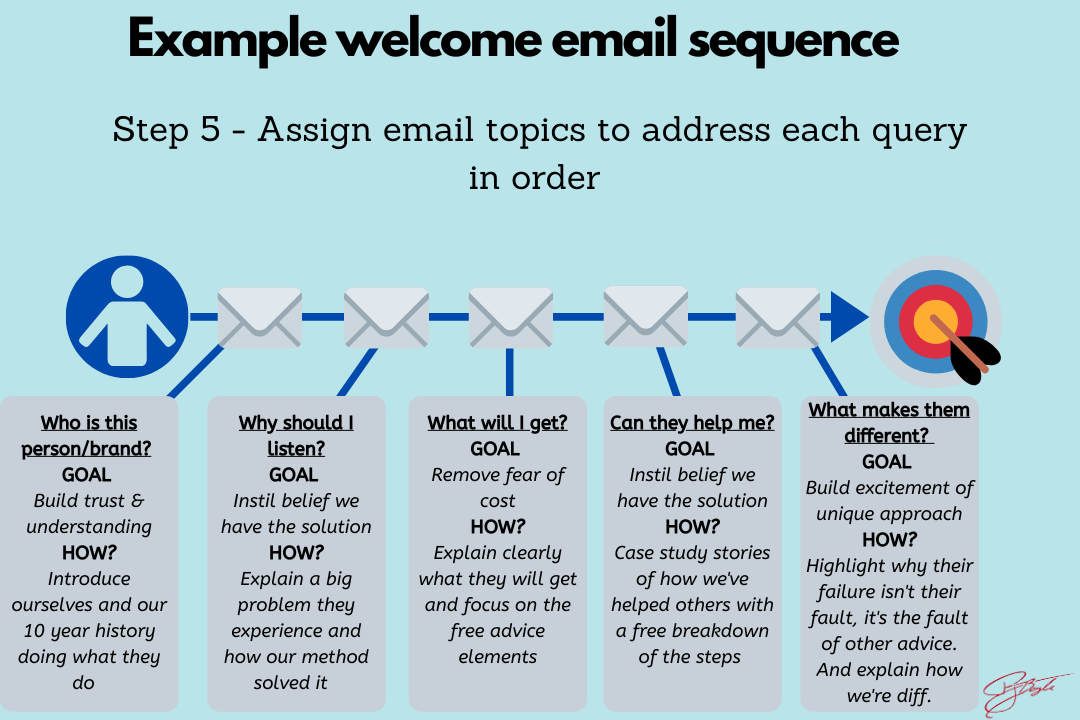
Modern email marketing is not only about sending messages; it is about building relationships. A strong welcome sequence introduces your brand, solves customer problems, and creates a smooth buying experience. This guide explains how to build a seven-day email strategy that improves engagement and drives sales.
What Is a Welcome Email Sequence Guide and Why Does It Matter?
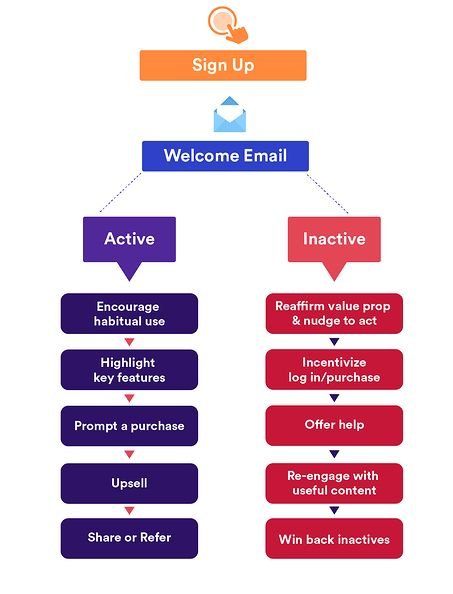
A welcome email sequence is a series of automated emails sent after someone joins your subscriber list. These emails introduce your business, provide value, and guide subscribers toward taking action. Unlike single emails, a sequence creates a complete customer journey with planned communication.
The main purpose of a welcome sequence is to build confidence. New subscribers do not immediately know your brand, products, or services. A thoughtful email flow helps remove doubts while showing why your solution matters.
Why Welcome Emails Generate Higher Engagement
Welcome emails often receive better engagement because subscribers expect them after signing up. The first interaction creates an important impression and influences future communication. A helpful email creates curiosity and encourages readers to continue opening messages.
Successful welcome emails focus on customer needs rather than immediate selling. They answer questions, share useful information, and create a connection. This approach improves subscriber engagement while preparing customers for future offers. This approach improves subscriber engagement while preparing customers for future offers. In fact, Mailchimp’s email marketing benchmarks show welcome emails consistently achieve significantly higher open rates than standard promotional campaigns.
The Role of First Email Subscriber Experience
The first email a subscriber receives sets the tone for the entire relationship. It should clearly explain what customers can expect and provide immediate value. A confusing or overly promotional first message can reduce trust quickly.
A strong first email usually includes:
- A friendly introduction.
- A clear explanation of benefits.
- A simple next step.
- Helpful resources or guidance.
The goal is to make subscribers feel welcomed and appreciated. This early experience can influence whether they become active customers.
How to Build a 7-Day Welcome Email Series That Makes Sales
A successful welcome email series follows a planned timeline instead of random messaging. Each email should have a specific purpose that moves subscribers closer to a purchase decision. The seven-day approach balances education, trust-building, and conversion.
The sequence should not feel like a sales campaign only. It should guide customers naturally through awareness, interest, and action stages.
| Day | Email Purpose | Main Goal |
|---|---|---|
| Day 1 | Introduction email | Build connection and trust |
| Day 2 | Value email | Educate subscribers |
| Day 3 | Product introduction | Explain your solution |
| Day 4 | Social proof email | Build credibility |
| Day 5 | Objection handling | Remove buying concerns |
| Day 6 | Offer email | Encourage action |
| Day 7 | Conversion email | Generate sales |
Day 1: Send a Strong Introduction Email
The first email should welcome subscribers and explain why joining your list was valuable. Avoid overwhelming readers with too much information. Keep the message simple, personal, and focused on building trust.
A good introduction email includes your brand story and expectations. Subscribers should understand what type of content they will receive. This creates a positive foundation for future emails.
Day 2: Deliver Immediate Value
The second email should provide something useful before asking for a purchase. This could include educational content, a helpful guide, or practical tips related to your product.
Providing value early shows that your brand cares about customer success. It also increases the chance that subscribers will continue engaging with your emails.
Day 3: Share Your Product Solution
After building initial trust, introduce your product or service naturally. Explain how your solution helps solve a specific customer challenge.
Avoid focusing only on features. Instead, highlight benefits and real outcomes. Customers are more interested in how a product improves their situation.
Day 4: Build Trust Through Stories and Proof
Social proof plays an important role in purchase decisions. Customer reviews, testimonials, and success stories help reduce uncertainty.
Sharing real experiences makes your brand appear more reliable. People often trust proven results more than simple advertising claims.
Day 5: Handle Objections Before Buying
Many subscribers delay purchases because they have unanswered questions. Your email sequence should address common concerns before customers leave.
Explain pricing, features, guarantees, or support options clearly. Removing barriers makes the buying process easier and more comfortable.
Day 6: Create Urgency and Encourage Action
A well-timed promotional email can motivate subscribers to take action. However, urgency should feel helpful rather than aggressive.
You can use limited offers, special bonuses, or reminders to encourage decisions. A clear call-to-action helps readers understand the next step.
Day 7: Convert Subscribers Into Customers
The final email should focus on conversion while maintaining a helpful tone. Remind subscribers about the value your product provides and encourage them to move forward.
A strong closing email combines confidence, clarity, and a direct action. It should make purchasing feel like a natural next step.
Creating an Effective Onboarding Email Strategy
An effective onboarding email strategy helps customers understand your brand after subscription. It focuses on guiding users through their early experience and creating long-term relationships. Good onboarding improves retention and increases customer satisfaction.
Businesses should design emails based on customer behavior. Different subscribers may need different messages depending on their interests and actions.
Segment Subscribers Based on Behavior
Email segmentation allows businesses to send more relevant messages. Instead of sending identical emails to everyone, marketers can customize content based on customer actions.
For example, someone downloading a product guide may need different communication than someone who visits a pricing page. Behavioral targeting improves engagement and conversion opportunities.
Personalize Emails for Better Conversion Rates
Personalization makes emails feel more natural and customer-focused. Simple changes like using names, recommending relevant content, or adjusting messages can improve results.
| Basic Email Approach | Personalized Email Approach |
|---|---|
| General message | Customer-specific content |
| Same offer for everyone | Relevant recommendations |
| Limited engagement | Stronger connection |
Modern customers expect brands to understand their needs. To scale this further, many businesses now compare tools like ChatGPT vs Jasper AI to decide which AI platform best supports personalized email content creation. Personalized communication creates better experiences and stronger relationships.
Welcome Automation 2026: Modern Strategies for Growth
Email marketing continues evolving with smarter automation tools. Welcome automation 2026 focuses on personalization, artificial intelligence, and customer behavior analysis. Businesses can now create more responsive email journeys.
Automation helps companies save time while maintaining consistent communication. When combined with quality content, automation creates better customer experiences.
Using AI to Improve Email Personalization
Artificial intelligence helps marketers understand subscriber preferences and optimize messaging. AI tools can analyze engagement patterns and suggest better content strategies.
However, automation should support human communication rather than replace it. Brands exploring AI-driven marketing stacks can also check these Miami B2B AI marketing tools to identify platforms suited for automated customer journeys. Authentic messages still create stronger customer connections.
Tracking Metrics That Improve Results
Tracking performance helps businesses improve their email campaigns. Important metrics include:
- Open rates.
- Click-through rates.
- Conversion rates.
- Revenue generated.
Analyzing these numbers reveals what works and what needs improvement. For deeper campaign-level tracking, comparing Google Analytics vs Matomo can help marketers choose the right analytics setup for email performance monitoring. Continuous testing creates stronger email marketing performance.
Common Welcome Email Mistakes to Avoid
Many businesses struggle because their emails focus too much on selling. A successful sequence balances promotion with education and relationship-building.
Common mistakes include:
- Sending too many sales messages.
- Ignoring personalization.
- Using unclear calls-to-action.
- Not testing email performance.
Avoiding these mistakes helps create a smoother subscriber experience. A thoughtful strategy produces better long-term results.
Best Practices for a High-Converting Welcome Email Sequence
A high-performing email sequence requires planning, testing, and customer understanding. Every message should have a clear purpose and provide meaningful value.
Focus on writing naturally and speaking directly to customer problems. Simple language often creates stronger connections than complicated marketing terms.
Key practices include:
- Keep emails focused on one goal.
- Use clear subject lines.
- Test different approaches.
- Maintain consistent branding.
- Improve based on analytics.
A strong sequence is not created once and forgotten. Regular optimization keeps your email strategy effective.
Key Takeaways
- A welcome sequence builds trust with new subscribers.
- Seven-day email flows can guide customers toward purchases.
- Valuable content should come before aggressive selling.
- Personalization improves engagement and conversions.
- Automation works best with human-focused communication
Conclusion
Creating an effective email journey requires more than sending promotional messages. A structured sequence helps businesses connect with subscribers, build credibility, and increase sales through meaningful communication. Following a clear seven-day approach allows brands to educate customers while guiding them toward action.
Companies looking to improve their digital growth strategies can also explore resources from platforms like brandsholder, which emphasizes stronger branding and marketing approaches. A successful welcome sequence combines strategy, creativity, and customer understanding to create lasting business relationships.
FAQs
1. What is the purpose of a welcome email sequence?
A welcome email sequence introduces new subscribers to a brand, provides value, builds trust, and guides customers toward future purchases.
2. How many emails should a welcome series contain?
A typical welcome series can include three to seven emails depending on the business goals and customer journey.
3. When should the first welcome email be sent?
The first email should usually be sent immediately after someone subscribes because engagement is highest at that moment.
4. Can welcome automation increase sales?
Yes, automated welcome emails can increase sales by nurturing subscribers and delivering relevant messages throughout the buying journey.
5. What makes a welcome email sequence successful?
A successful sequence combines valuable content, personalization, clear messaging, and strong calls-to-action that match customer needs.