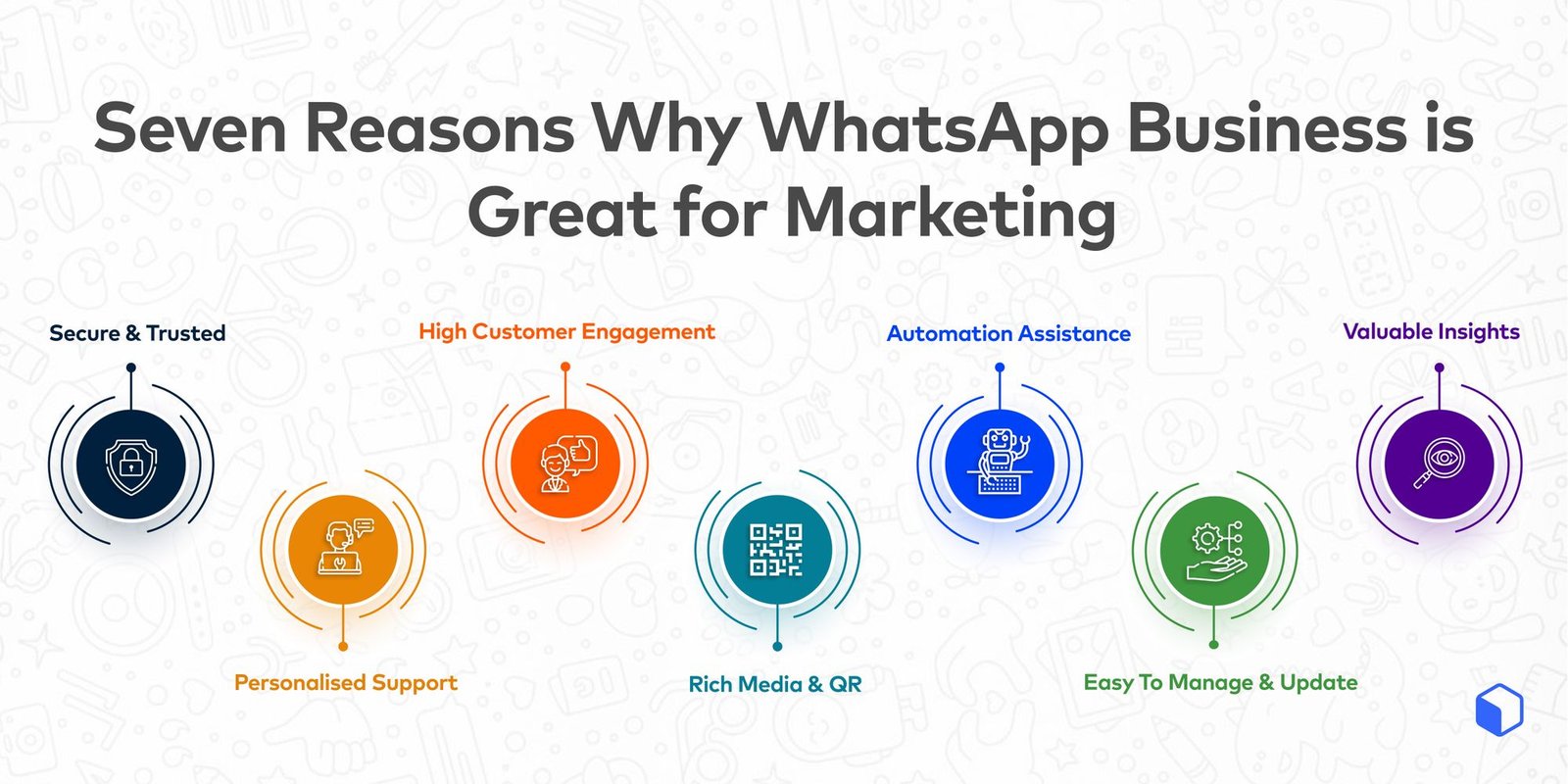
WhatsApp has evolved into a full-funnel business channel in 2026.Brands use it for lead generation, sales, support, and retention. Targeted broadcasts are more useful than generic mass promotions. The WhatsApp Business Platform helps larger brands scale automation. CRM integration can connect conversations with customer journeys. Click-to-WhatsApp ads can turn advertising into direct conversations.AI can handle routine interactions while humans manage complex needs. Conversational commerce is bringing discovery and purchasing closer together. Consent, relevance, segmentation, and message quality remain essential. The strongest strategy focuses on customer value rather than message volume.
WhatsApp business marketing 2026 has moved far beyond being a simple customer messaging tool. In 2026 brands are using it for lead generation, product discovery, sales, customer support, and retention. The strongest campaigns feel like useful conversations, not traditional advertisements. Current brand case studies show businesses using marketing messages, WhatsApp Flows, AI-assisted shopping, and conversational experiences to move customers through the buying journey.
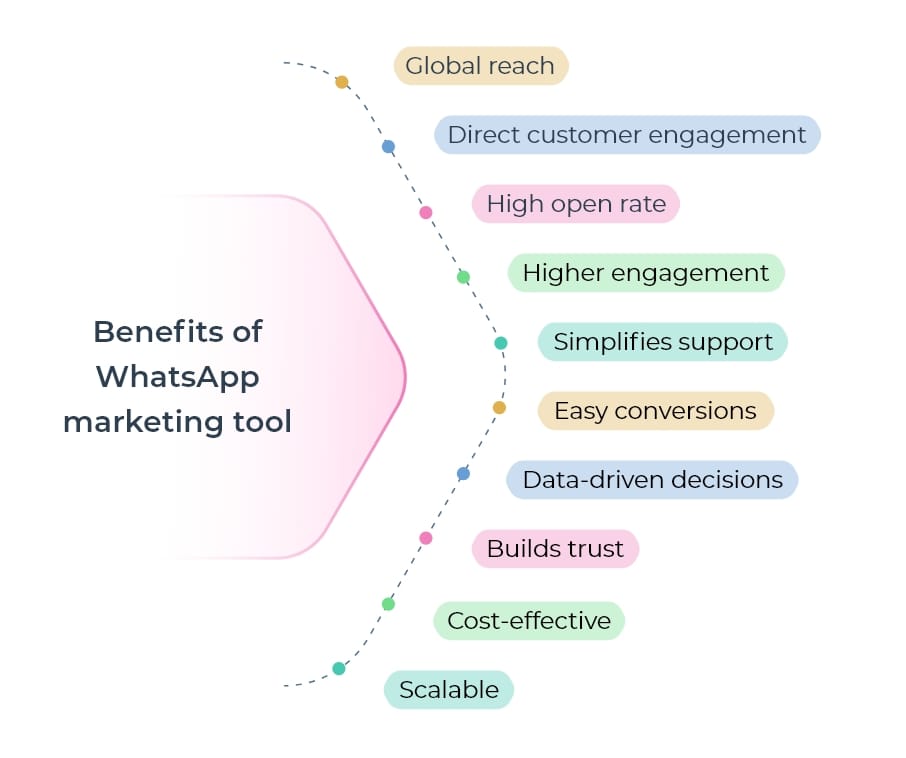
Why WhatsApp Business Marketing Matters in 2026
Brands want marketing channels where customers can respond quickly and naturally. WhatsApp offers a familiar environment where businesses can combine messaging, automation, catalogs, and customer service. This makes it especially useful for brands that want shorter paths between advertising, conversation, and purchase.
From Customer Support to Sales Conversations
Many businesses once used WhatsApp mainly for answering customer questions. Today, those same conversations can include recommendations, product information, offers, order assistance, and follow-ups. A helpful conversation can now become a genuine sales opportunity. This shift is closely connected with the growth of conversational commerce, where customers can discover and evaluate products inside messaging experiences.
How Brands Are Using WhatsApp for Marketing
Brands are using WhatsApp at several stages of the customer journey instead of treating it as one promotional channel. They can attract prospects through ads, nurture leads through conversations, and encourage repeat purchases with relevant follow-ups. The goal is to make every message useful, timely, and easy to act on.
| Brand Use Case | How It Works | Main Goal |
|---|---|---|
| Product launches | Announce new products to opted-in customers | Awareness |
| Broadcasts | Send targeted offers to selected segments | Sales |
| Automation | Trigger messages after customer actions | Conversion |
| Customer support | Answer questions through chat | Trust |
| Cart recovery | Remind interested shoppers about products | Revenue |
| Retention | Share useful offers after purchases | Loyalty |
Personalized Product Recommendations
Instead of sending identical promotions to everyone, brands can tailor recommendations around customer interests and previous purchases. A fashion retailer might suggest matching products, while a beauty company could recommend products based on a customer’s earlier selection. Personalization makes promotional messages feel more relevant and less intrusive.
Product Launches and Promotional Campaigns
WhatsApp can help brands create urgency around launches, seasonal promotions, exclusive discounts, and limited-stock products. A short message with an attractive image and clear action can move an interested customer directly into a conversation. Recent 2026 case studies show brands using WhatsApp marketing to drive campaign engagement and repeat purchases.
Abandoned Cart Recovery
Cart recovery is another practical use because the customer has already shown buying intent. A well-timed reminder can answer questions, provide product details, or encourage the shopper to finish the purchase. The best recovery messages help customers rather than simply repeating the sales pitch.
Customer Support That Leads to Sales
Support conversations can naturally create opportunities for cross-selling and upselling when the recommendation genuinely solves another customer need. For example, someone asking about a laptop could also receive information about compatible accessories. This approach works because the conversation starts with an existing customer need.
WhatsApp Broadcast Marketing Is Becoming More Targeted
WhatsApp broadcast marketing works best when businesses treat their audience as groups of individuals rather than one giant list. Customers have different interests, purchase histories, budgets, and reasons for interacting with a brand. Relevant segmentation helps businesses protect customer trust while improving campaign efficiency.
Segment Customers Before Sending Broadcasts
Brands can separate audiences according to purchase history, engagement, location, product interest, or customer lifecycle stage. New subscribers might receive educational content, while repeat buyers could receive early access to new products. This approach makes each campaign more useful and reduces unnecessary messages.
Personalize Offers Instead of Blasting Everyone
Generic promotions can quickly become annoying when customers receive offers that do not match their needs. Brands should use clear opt-ins, sensible frequency, and relevant content when planning campaigns. Permission and relevance are essential for sustainable WhatsApp marketing.
How the WhatsApp Business API Helps Brands Scale
Small businesses can manage many basic activities through the WhatsApp Business app, but larger operations often need more advanced infrastructure. The WhatsApp Business Platform supports scalable engagement, sales workflows, and customer-support experiences for medium and large businesses.
WhatsApp Business App vs WhatsApp Business API
The right option depends on business size, messaging volume, automation requirements, and integration needs.
| Feature | WhatsApp Business App | WhatsApp Business API/Platform |
| Best for | Small businesses | Growing and larger brands |
| Automation | Basic | Advanced |
| CRM integration | Limited | Extensive |
| Team workflows | Limited | Scalable |
| Campaign management | Simpler | More advanced |
| Customer journeys | Basic | Sophisticated |
The API is particularly valuable when WhatsApp needs to connect with existing business systems. It can support automated workflows, customer routing, CRM data, and personalized communication at scale.
CRM Integration and Automated Customer Journeys
Brands can connect WhatsApp with customer databases and other business systems to create more useful workflows. For example, a customer might receive a welcome message, product recommendation, purchase update, and post-purchase follow-up based on their actions. Automation handles repetitive tasks while employees focus on complex customer conversations.
WhatsApp Marketing Strategy Brands Are Using in 2026
A strong WhatsApp marketing strategy starts with the customer rather than the technology. Brands need a clear reason for collecting contacts and a useful experience after someone opts in. The process can then connect acquisition, engagement, conversion, and retention.

Step 1 : Build an Opt-In Audience
Brands can invite customers through websites, QR codes, checkout pages, social media, and click-to-WhatsApp advertising. The value should be clear, such as early access, useful updates, personalized assistance, or exclusive offers. Avoid adding people to promotional lists without appropriate permission.
Step 2 : Segment the Audience
Segmentation allows businesses to send different messages to different customer groups. A first-time buyer should not necessarily receive the same campaign as a loyal customer. Better segmentation usually creates better conversations and more relevant offers.
Step 3 : Automate Repetitive Conversations
Automation can handle welcome messages, frequently asked questions, lead qualification, order updates, and other predictable interactions. More advanced systems can connect these workflows with customer data and business tools. This gives customers faster responses without requiring employees to answer every routine question manually.
Step 4 : Combine Automation With Human Support
Automation should not remove the human element completely. Customers need a simple way to reach a person when their problem is unusual, sensitive, or complicated. A good system lets automation handle routine questions and smoothly transfers difficult cases to trained staff.
Step 5 : Measure Revenue, Not Just Messages
Open and response rates can provide useful signals, but they should not become the only success measures. Brands should also monitor conversions, revenue, repeat purchases, customer acquisition costs, and opt-outs. The real goal is profitable customer relationships, not more messages.
New WhatsApp Marketing Trends Brands Should Watch
The platform is becoming more connected to advertising, automation, AI, and commerce. Current 2026 examples include brands using WhatsApp Flows, AI-enabled shopping experiences, and marketing messages as part of broader customer journeys.
Click-to-WhatsApp Advertising
Click-to-WhatsApp ads can move interested prospects from Meta advertising directly into a business conversation. Instead of forcing someone through several landing-page steps, the brand can begin answering questions immediately. This can be particularly useful for products where customers need guidance before purchasing.
AI-Powered WhatsApp Conversations
AI can help businesses answer routine questions, recommend products, qualify leads, and manage repetitive requests. However, human oversight remains important when conversations involve unusual requests or decisions requiring judgment. The strongest approach combines automated speed with human understanding.
Conversational Commerce
Conversational commerce brings product discovery and customer interaction closer together. Magalu, for example, reports using AI shopping assistance, product carousels, WhatsApp Flows, and payments to create an end-to-end shopping experience inside WhatsApp. Its published case study reports a 3X higher conversion rate compared with its usual ecommerce channels, although the result is self-reported and may not generalize to other businesses.
Common WhatsApp Marketing Mistakes Brands Should Avoid
WhatsApp can be powerful, but careless messaging can quickly damage customer relationships. Brands should avoid sending excessive promotions, ignoring replies, using irrelevant broadcasts, and automating every interaction. They should also respect applicable WhatsApp policies and customer consent requirements.
Other common mistakes include:
- Sending messages without appropriate opt-in
- Overusing promotional content
- Ignoring audience segmentation
- Making customers repeat information to support agents
- Using automation without human escalation
- Measuring engagement without tracking sales
- Treating WhatsApp exactly like email marketing
How to Build a WhatsApp Marketing Strategy That Converts
A simple framework can make the channel easier to manage: Attract → Opt in → Segment → Engage → Convert → Retain → Measure. Each stage should have a clear purpose and a useful customer experience. When these steps work together, WhatsApp becomes part of the overall marketing system rather than another disconnected communication tool.
Key Takeaway
The biggest lesson from current brand examples is simple: WhatsApp works best when businesses use it to solve customer needs. Broadcasts, automation, APIs, AI, catalogs, and click-to-WhatsApp ads are tools, but relevance is what makes those tools effective. Brands should build conversations around customer intent instead of chasing message volume.
Conclusion
WhatsApp is becoming an increasingly important channel for modern customer acquisition, commerce, support, and retention. The most effective approach combines segmentation, useful messaging, automation, human support, and measurable business outcomes. For brandsholder, the opportunity is to treat WhatsApp as a complete customer journey rather than simply another place to publish promotions. A thoughtful strategy can turn everyday conversations into stronger relationships and sustainable business growth.
Frequently Asked Questions
1. What is WhatsApp Business marketing in 2026?
WhatsApp Business marketing uses WhatsApp to attract, engage, convert, and retain customers. Brands can combine broadcasts, automated conversations, catalogs, customer support, and advertising to create more direct customer experiences.
2. How do brands use WhatsApp for marketing?
Brands use WhatsApp for product launches, personalized recommendations, lead generation, cart recovery, customer support, promotional campaigns, and retention. The most effective campaigns are targeted and based on customer permission and intent.
3. What is the WhatsApp Business API used for?
The API, now part of the WhatsApp Business Platform, helps larger businesses manage messaging at scale. It can support automation, CRM integration, customer journeys, team workflows, and advanced conversational experiences.
4. Is WhatsApp broadcast marketing effective?
It can be effective when broadcasts are permission-based, targeted, relevant, and properly timed. Sending the same promotion to everyone too frequently can reduce engagement and damage customer trust.
5. What is the best WhatsApp marketing strategy for brands?
A strong strategy starts with an opted-in audience and then uses segmentation, useful conversations, automation, and human support. Brands should ultimately measure conversions, revenue, retention, and customer satisfaction rather than message volume alone.