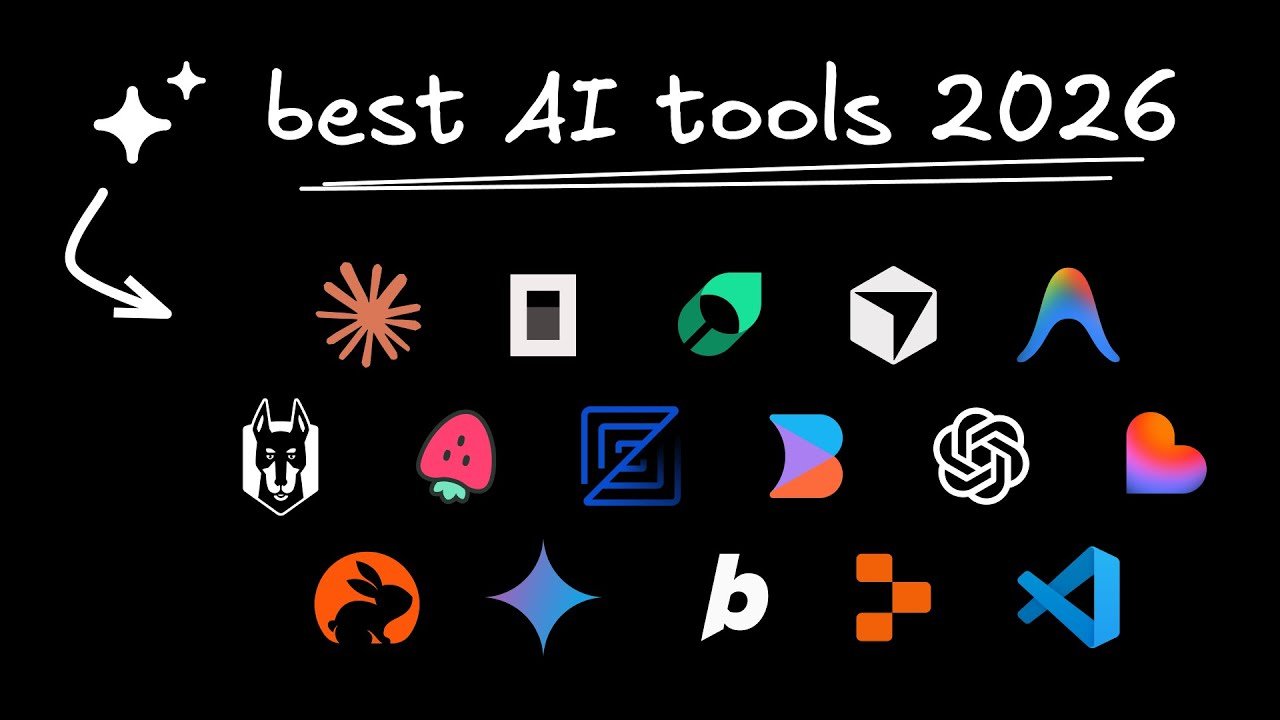
AI SEO tools are now essential for faster content creation, keyword research, and optimization. In this guide, we tested seven top tools and found Surfer SEO best for content optimization, Semrush best for full SEO workflows, and WriterZen strongest for keyword research. Budget users can rely on NeuronWriter, while Link Whisper solves internal linking quickly. The best choice depends on your workflow and content goals.
SEO in 2026 looks very different from what it did two years ago. AI is no longer just helping writers; it now supports keyword research, content planning, on-page SEO, and competitor analysis. That’s why finding the best AI SEO tools 2026 matters more than ever. The right tool can save hours every week and improve your workflow.
Many SEO tools claim to use AI, but not all of them deliver real value. Some create fluff, while others miss search intent completely. This guide tests seven tools based on actual usability, speed, and output quality. The goal is simple: help you find the best tool without wasting money.
Why AI SEO Tools Matter More in 2026
Search engines have become smarter, and content quality matters more. Google now rewards helpful content, topical depth, and real user value. This means creators need faster research and better optimization. AI SEO tools help bridge that gap. New entrants are also changing the space, our review of using DeepSeek for SEO shows how free AI models are starting to compete with paid tools on research and content planning tasks.
They can cut down repetitive tasks like clustering keywords, building content briefs, and analyzing SERPs. That saves time for strategy and creativity. Instead of spending five hours researching one article, many marketers now finish in one.
How We Tested the Best AI SEO Tools
Choosing the right tool needs more than reading reviews. We looked at real use cases and tested them across multiple content projects. Each tool was reviewed based on speed, accuracy, and practical SEO value. This gives a fair and useful comparison. For a broader look beyond AI-specific tools, our master list of the best SEO tools covers traditional and hybrid platforms that still hold strong in 2026 workflows.
Testing Criteria
We focused on what actually matters for ranking and efficiency:
- Keyword research accuracy
- SERP analysis depth
- Content optimization quality
- Ease of use
- AI suggestions relevance
- Pricing vs value
- Workflow speed
These points reflect how most bloggers and agencies work today.
Top 7 Best AI SEO Tools in 2026
The market is crowded, but only a few tools consistently save time. Some are strong in keyword research, while others dominate content optimization. Below are the tools that stand out based on real testing. Each one has a different strength.

1. Surfer SEO – Best for Content Optimization
Surfer SEO remains one of the strongest content optimization tools in 2026. It uses NLP and SERP-based recommendations to improve article structure and keyword usage. Its content editor is simple and very practical. Writers can optimize while writing. If you’re deciding between the two top NLP tools, our detailed breakdown of Surfer SEO vs Clearscope compares scoring accuracy, workflow speed, and value at each price tier.
It helps with content scores, keyword density, and competitor analysis. This makes it useful for ranking-focused blogs. The AI suggestions are usually accurate and easy to apply.
Best for: Bloggers and niche site owners
Downside: Pricing is still expensive
2. Semrush AI – Best All-in-One Platform
Semrush has pushed hard into AI features recently. It combines keyword research, competitor tracking, and AI content support in one place. That makes it powerful for agencies and advanced users. It saves a lot of manual work.
Its AI writing assistant has improved a lot. The keyword gap analysis is one of the best. If you need one tool for everything, it is hard to ignore.
Best for: Agencies
Downside: Complex for beginners
3. Frase – Best for Content Briefs
Frase is excellent for creating content briefs fast. It scans top-ranking pages and builds structured outlines quickly. This saves time before writing starts. That’s where most people struggle.
Its AI answers and content optimization features are strong too. For content teams, it speeds up planning. It is one of the smartest workflow tools available.
Best for: Content teams
Downside: Limited keyword data
4. Clearscope – Best for Premium Optimization
Clearscope is known for quality over quantity. Its recommendations are clean, focused, and easy to trust. Many enterprise brands still use it heavily. That says a lot.
The interface is smooth and distraction-free. Its semantic keyword suggestions are among the best. If budget is not a concern, it’s a strong option.
Best for: Enterprise teams
Downside: Very costly
5. WriterZen – Best AI Keyword Research Tool
If your main focus is keyword discovery, WriterZen performs well. It offers keyword clustering, topic discovery, and content planning. It makes SEO planning easier for beginners. The layout is simple to understand.
This tool works well for building topical authority. Its keyword golden ratio insights are useful too. For an AI keyword research tool, it offers strong value.
Best for: Beginners and bloggers
Downside: Content editor needs improvement
6. NeuronWriter – Best Budget AI SEO Tool
NeuronWriter has become popular because of pricing. It gives many Surfer-like features at a lower cost. That makes it attractive for small publishers. Budget users get a lot here.
Its semantic analysis is solid. The content scoring works well for optimization. It’s one of the best affordable AI SEO software review picks.
Best for: Budget users
Downside: UI feels outdated
7. Link Whisper – Best for Internal Linking
Internal linking often gets ignored, but it matters a lot. Link Whisper automates that process. It suggests relevant internal links while writing. This improves site structure fast.
It is not a full SEO suite, but it solves one important problem well. For larger content sites, it saves hours every month. Before committing, check our head-to-head of Link Whisper vs Internal Link Juicer to see which automation fits your site size and publishing speed better.
Best for: Large content sites
Downside: Limited outside internal linking
Comparison Table of the Best AI SEO Tools
Choosing the right platform depends on your workflow. Some focus on optimization while others specialize in research. This table gives a quick overview. It makes comparing easier.
| Tool | Best For | Pricing | Time Saving Score | AI Quality |
|---|---|---|---|---|
| Surfer SEO | Content optimization | High | 9/10 | Excellent |
| Semrush AI | All-in-one SEO | High | 9.5/10 | Excellent |
| Frase | Content briefs | Medium | 8.5/10 | Very Good |
| Clearscope | Premium optimization | High | 8/10 | Excellent |
| WriterZen | Keyword research | Medium | 8.5/10 | Very Good |
| NeuronWriter | Budget optimization | Low | 8/10 | Good |
| Link Whisper | Internal linking | Low | 7.5/10 | Good |
Surfer SEO vs Semrush AI — Which Is Better?
This is one of the biggest comparisons in the SEO space. Both tools are strong, but they solve slightly different problems. Your choice depends on your workflow. There is no one-size-fits-all answer.
Features Comparison
Surfer focuses deeply on on-page SEO. It helps improve articles with NLP suggestions and content scoring. Semrush covers broader SEO tasks like backlinks, audits, and competitor analysis. It offers more overall tools.
Pricing Comparison
Surfer gives focused value but costs less than Semrush overall. Semrush has more features, but pricing rises fast. Agencies may justify that cost. Solo bloggers may not.
Which Saves More Time?
For content optimization, Surfer saves more time. For complete SEO campaigns, Semrush saves more time. That’s the biggest difference. Choose based on your daily needs.
How to Choose the Best AI SEO Tool for Your Workflow
Not every user needs the same features. Bloggers usually care about content optimization and keyword research. Agencies need audits, competitor tracking, and reports. Choose based on your actual workflow.
If you publish often, prioritize speed. If you build topical authority, use clustering tools. If content quality matters most, choose stronger NLP optimization.
Are AI SEO Tools Worth It in 2026?
Yes, if used correctly. They reduce manual work and improve speed. But they are not magic ranking machines. Strategy still matters.
AI helps scale content faster. It improves research quality and reduces repetitive tasks. That gives more room for better decision-making. That is where the real value is.
Key Takeaways
AI SEO tools are becoming essential for modern workflows. They save time, improve optimization, and support smarter decisions. But choosing the wrong one wastes both money and effort. Focus on your goals first.
If you want better content, go with Surfer. If you want full SEO control, Semrush is stronger. If you want affordability, NeuronWriter is a smart choice.
Final Verdict on the Best AI SEO Tools in 2026
The best tool depends on what you need daily. For pure content optimization, Surfer still leads. For complete SEO management, Semrush remains the strongest all-rounder. WriterZen is ideal for keyword planning, while Link Whisper fixes internal linking faster than manual work.
At Brandsholder, we believe the smartest SEO strategy is using tools that improve efficiency without replacing human thinking. AI should support expertise, not replace it. That’s the balance that wins in 2026.
FAQs
What is the best AI SEO tool in 2026?
For content optimization, Surfer SEO is still leading. It offers strong NLP-based recommendations and practical workflow benefits.
Which AI tool is best for keyword research?
WriterZen is one of the strongest options for keyword clustering and topic discovery.
Is Surfer SEO better than Semrush AI?
For content optimization, yes. For broader SEO management, Semrush is stronger.
Can AI tools improve Google rankings?
They can support better optimization, but rankings still depend on quality, relevance, and authority.
Are AI SEO tools worth paying for?
Yes, especially if you publish content regularly and want to save time on research and optimization.