Email marketing remains one of the most effective ways to bring readers back to your blog because it gives you direct access to an audience that already values your content. By building a quality email list, creating engaging newsletters, using automation, segmenting subscribers, and tracking performance metrics, you can develop a sustainable strategy for long-term blog growth. Instead of relying solely on social media algorithms, use email as your primary content distribution channel to build stronger relationships and generate consistent traffic.
Getting people to visit your blog once is challenging, but encouraging them to return regularly is even harder. Social media algorithms change constantly, making it difficult to reach the same audience every time you publish. That’s why email marketing remains one of the most reliable ways to build lasting relationships with readers. A well-planned email marketing blog traffic strategy helps you notify subscribers about new content, share valuable resources, and keep your blog top of mind without depending on third-party platforms.

Instead of sending random promotional emails, successful bloggers create meaningful newsletters that educate, inspire, and encourage readers to click back to their websites. Whether you’re a beginner or an experienced blogger, learning how to use email effectively can significantly improve engagement and long-term traffic growth.
Why Email Marketing Is Essential for Blog Growth
Email marketing gives you direct access to people who have already shown interest in your content. Unlike search engines or social media platforms, your email list is an audience you own, allowing you to communicate without worrying about changing algorithms. Consistent emails build trust and encourage readers to revisit your valuable content. Over time, this relationship leads to higher engagement, increased page views, and stronger brand loyalty.
Why Social Media Alone Isn’t Enough
Social media is excellent for discovering new audiences, but your posts may never reach every follower. Platform algorithms prioritize different content every day, reducing the visibility of your blog updates. Email campaigns, however, land directly in subscribers’ inboxes, giving your content a better chance of being seen. Combining social media with an email strategy creates a more balanced and sustainable marketing approach.
Benefits of Returning Visitors
Returning visitors often spend more time reading articles and exploring related posts. They are also more likely to subscribe, leave comments, and share your content with others. Loyal readers increase engagement, conversions, and overall website authority naturally every month. Building this loyal audience should be one of every blogger’s primary goals.
Build an Email List That Supports Long-Term Blog Growth
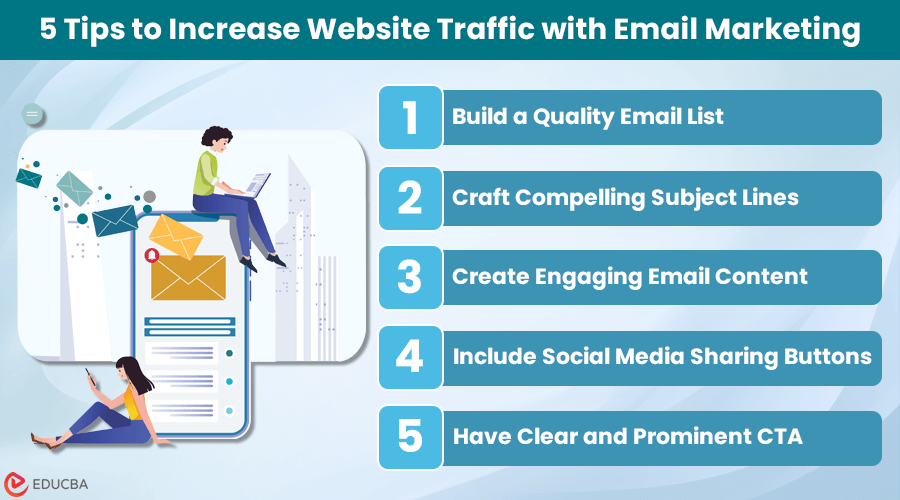
Growing an engaged email list should be your first priority before sending newsletters. A large list is helpful, but a smaller audience that genuinely values your content often performs much better. Quality subscribers create stronger engagement than large but inactive email lists. Focus on attracting readers who truly care about your niche instead of chasing numbers.
Create Valuable Lead Magnets
People usually need a reason to share their email addresses. Offer useful resources such as checklists, templates, eBooks, printable guides, or exclusive tutorials that solve a specific problem. The more relevant your lead magnet is to your blog topic, the higher your subscription rate will become. Ensure your free resource delivers immediate value and builds trust from the beginning.
Optimize Opt-In Forms
Your subscription forms should be visible without interrupting the reader’s experience. Place them within blog posts, after articles, in the sidebar, and on dedicated landing pages. Simple signup forms improve conversions without distracting visitors from reading your articles. Keep the form short by asking only for essential information like a name and email address.
Grow Subscribers Organically
Growing your list organically ensures that subscribers actually want to hear from you. Avoid buying email lists because they often result in poor engagement and lower deliverability. Instead, encourage signups through valuable blog content, social media promotions, webinars, and downloadable resources.
Create Newsletters Readers Actually Open
A newsletter should provide useful information rather than simply promoting your latest blog post. Subscribers stay engaged when every email offers practical advice, helpful insights, or exclusive updates, all of which align closely with proven email marketing best practices. Interesting newsletters keep readers excited about opening every email you send regularly. Think of your emails as conversations rather than advertisements.
Write Better Subject Lines
Your subject line determines whether people open your email or ignore it. Keep it short, specific, and focused on the value readers will receive. Curiosity works well, but avoid misleading clickbait because it damages trust. Testing different subject lines through A/B testing can help improve open rates over time.
Keep Emails Valuable
Every newsletter should solve a problem, answer a question, or teach something useful. Instead of filling emails with multiple promotions, focus on one clear topic and provide actionable advice. Useful content always earns more clicks than overly promotional email messages today. When readers consistently gain value, they become more likely to visit your blog regularly.
Add Clear Calls to Action
After delivering value, guide readers toward the next step with a clear call to action. Whether you want them to read a new article, download a guide, or watch a tutorial, make the action obvious. Place one primary CTA instead of several competing links to improve click-through rates.
Use Email for Content Distribution
Publishing a blog post is only the first step in content marketing. You also need an effective strategy to ensure people actually see your work. Using email for content distribution allows you to reach subscribers immediately after publishing new content while also promoting evergreen articles that remain valuable throughout the year.
Share New Blog Posts
Whenever you publish fresh content, notify your subscribers with a concise and engaging email. Instead of copying the entire article into the newsletter, write a compelling summary that encourages readers to continue on your blog. Short previews generate curiosity and increase blog clicks from email campaigns consistently. This approach helps drive traffic with email while improving website engagement.
Promote Evergreen Content
Not every email has to feature brand-new articles. Many older blog posts remain highly relevant and can continue attracting readers months or even years after publication. Reintroducing evergreen content gives valuable articles a second life while helping new subscribers discover your best resources. Rotating evergreen posts also saves time because you’re promoting content you’ve already created.
Repurpose Existing Articles
One blog post can become several different email campaigns. Break long articles into shorter tips, create quick summaries, or highlight important statistics and link back to the complete guide. This email list blog strategy allows you to maximize every piece of content while maintaining a steady flow of useful newsletters. Repurposing also ensures subscribers receive consistent value without requiring you to create entirely new content every week.
Drive Traffic with Email Campaigns
Sending emails consistently is one of the most effective ways to keep readers engaged with your blog. Rather than emailing only when you publish something new, create a schedule your audience can expect. Consistency builds familiarity and strengthens long-term relationships with loyal blog readers. A balanced email calendar keeps your audience interested without overwhelming their inbox.

Weekly Newsletters
Weekly newsletters help you stay connected with subscribers while sharing your latest content. Include one featured blog post, a quick tip, and a helpful resource to keep the email valuable. Avoid making every message promotional, and focus on solving readers’ problems.
Monthly Roundups
Monthly roundups are perfect for highlighting your best articles in one place. They allow new subscribers to discover older posts while giving existing readers another chance to explore valuable content. This format also saves time because you’re promoting several resources in a single email.
Seasonal Campaigns
Seasonal newsletters let you connect your blog content with holidays, industry events, or changing trends. Readers are often looking for timely advice during these periods, making seasonal campaigns highly effective. Plan these emails in advance to ensure they reach subscribers at the right moment.
Product or Service Updates
If your blog supports a business, occasionally share updates about products, services, or new resources. Always explain how these offerings help readers instead of focusing only on selling. Educational updates build trust while encouraging visitors to return to your blog for more information.
Build an Effective Email List Blog Strategy
A successful email strategy focuses on sending the right message to the right audience. Every subscriber has different interests, making personalization an important part of long-term engagement. Relevant emails encourage higher engagement and stronger reader loyalty over time. Understanding your audience helps you create newsletters that consistently earn clicks.
Segment Your Audience
Segmenting your list means grouping subscribers based on their interests or behavior. For example, readers interested in SEO may receive different content than those interested in blogging tips. This targeted approach improves both open rates and click-through rates.
Personalize Content
Adding personalization goes beyond using someone’s first name. Recommend articles based on previous clicks, interests, or downloaded resources. Personalized emails make subscribers feel understood and increase the likelihood of repeat visits.
Send Automated Workflows
Automation allows you to nurture subscribers without manually sending every email. Welcome email sequences, educational series, and follow-up emails introduce readers to your best content automatically. This saves time while ensuring every new subscriber receives a consistent experience.
Metrics That Measure Email Marketing Success
Tracking performance helps you understand what’s working and where improvements are needed. Reviewing campaign results regularly allows you to refine your strategy and improve future newsletters. Data-driven decisions produce stronger campaigns and better long-term traffic growth consistently. Focus on meaningful metrics rather than vanity numbers.
Open Rate
Open rate shows how many subscribers opened your email. Strong subject lines and recognizable sender names usually improve this metric.
Click-Through Rate
Click-through rate measures how many readers clicked a link inside your email. It reflects how compelling your content and call to action are.
Conversion Rate
Conversion rate tracks how many visitors completed your desired action after clicking through. This might include reading a blog post, downloading a guide, or subscribing to another resource.
Bounce Rate
Bounce rate indicates emails that could not be delivered. Keeping your subscriber list clean improves deliverability and protects your sender reputation.
Unsubscribe Rate
A few unsubscribes are normal, but a sudden increase may signal irrelevant content or excessive email frequency.
| Metric | Why It Matters | Improvement Tip |
|---|---|---|
| Open Rate | Shows subject line effectiveness | Test different subject lines |
| Click-Through Rate | Measures reader engagement | Use stronger CTAs |
| Conversion Rate | Tracks campaign success | Match email with user intent |
| Bounce Rate | Reflects email list quality | Remove inactive addresses |
| Unsubscribe Rate | Indicates subscriber satisfaction | Deliver consistent value |
Common Email Marketing Mistakes Bloggers Should Avoid
Even experienced bloggers can make mistakes that reduce engagement. Recognizing these issues early helps you build stronger relationships with subscribers. Avoiding common mistakes improves trust and increases repeat visits naturally every month. Small improvements often produce noticeable results.
Sending Too Frequently
Bombarding subscribers with daily emails can lead to fatigue and higher unsubscribe rates. Choose a schedule your audience can comfortably follow.
Ignoring Segmentation
Sending identical emails to every subscriber often reduces relevance. Segmentation ensures readers receive content matching their interests.
Weak Calls to Action
A confusing or missing CTA leaves readers unsure about the next step. Make every email include one clear action.
Poor Mobile Design
Most subscribers read emails on smartphones. Ensure your emails are mobile-friendly with readable text and easy-to-click buttons.
No Analytics Review
Without reviewing campaign performance, you cannot improve future emails. Monitor your metrics regularly and adjust your strategy based on real data.
Advanced Strategies for Increasing Blog Traffic with Email
Once you’ve mastered the basics, advanced techniques can generate even stronger results. These strategies improve engagement while helping readers discover more of your content. Continuous testing helps every campaign become more effective over time naturally. Small optimizations often lead to significant improvements.
Behavioral Automation
Trigger emails based on user actions, such as downloading a guide or reading a specific article. These highly relevant messages often achieve better engagement.
A/B Testing
Experiment with different subject lines, CTAs, layouts, and sending times. Running structured email A/B testing helps identify what resonates most with your audience.
Dynamic Content
Show different recommendations based on subscriber preferences or browsing history. Dynamic content creates a more personalized experience.
Reader Re-Engagement
Reach inactive subscribers with special campaigns featuring your most popular articles or exclusive resources. Sometimes a simple reminder is enough to bring readers back.
Email Funnels
Create automated funnels that introduce new subscribers to your best content over several weeks. This keeps readers engaged while steadily increasing blog visits.
Key Takeaways
- Build an engaged email list instead of chasing subscriber numbers.
- Send valuable newsletters that educate rather than simply promote.
- Use automation to deliver timely and relevant content.
- Segment subscribers for better personalization and higher engagement.
- Monitor important metrics to improve future campaigns.
- Repurpose evergreen blog posts to generate recurring traffic.
- Test subject lines and CTAs regularly to increase click-through rates.
Conclusion
Building consistent blog traffic doesn’t happen overnight, but email marketing gives you a reliable path toward long-term success. Focus on delivering genuine value, maintaining a regular publishing schedule, and sending newsletters that solve real problems for your audience. As your subscribers begin to trust your recommendations, they’ll naturally return whenever you publish something new. Following these proven strategies will help you create sustainable growth while building a loyal community around your blog. For more practical digital marketing insights and blogging resources, Brandsholder can be a valuable source of information to support your content growth journey.
Frequently Asked Questions
1. How often should I send blog newsletters?
Most bloggers achieve good results by sending one newsletter each week or every two weeks. Choose a schedule you can maintain consistently.
2. Can email marketing increase blog traffic?
Yes. Email marketing encourages subscribers to revisit your website whenever you publish valuable content, making it one of the most reliable traffic sources.
3. What should I include in a blog newsletter?
Include a featured blog post, useful tips, relevant resources, and one clear call to action that directs readers back to your website.
4. Why is email segmentation important?
Segmentation allows you to send relevant content to different subscriber groups, improving open rates, click-through rates, and overall engagement.
5. Which metrics matter most in email marketing?
The most important metrics include open rate, click-through rate, conversion rate, bounce rate, and unsubscribe rate because they help measure campaign effectiveness and identify opportunities for improvement.