Google Ads is becoming more AI-driven in 2026.Smart Bidding improves bidding decisions using real-time signals. Performance Max automates campaigns across all Google channels. Better data improves AI performance. Marketers must shift from manual control to strategic supervision.
Google Ads is changing fast, and AI is now leading that change. What once needed hours of manual work can now be done in minutes through automation. In 2026, advertisers are seeing a big shift in how campaigns are built, optimized, and scaled. AI in Google Ads 2026 is no longer just a feature. It has become the system behind most campaign decisions.
From smart bidding to Performance Max, Google is pushing machine learning deeper into PPC. This helps businesses improve conversions while reducing manual effort. But it also changes how marketers think and work. The focus is moving from controlling every detail to guiding the system with better input
What AI in Google Ads 2026 Really Means
AI in Google Ads is about letting machine learning handle tasks that humans used to manage. This includes bidding, targeting, budget distribution, and creative testing. Google uses real-time signals to make decisions faster than any marketer can. That speed changes campaign performance in major ways.
The system studies user behavior constantly. It learns what converts and what does not. Then it adjusts campaigns automatically. This makes advertising more data-driven than ever.
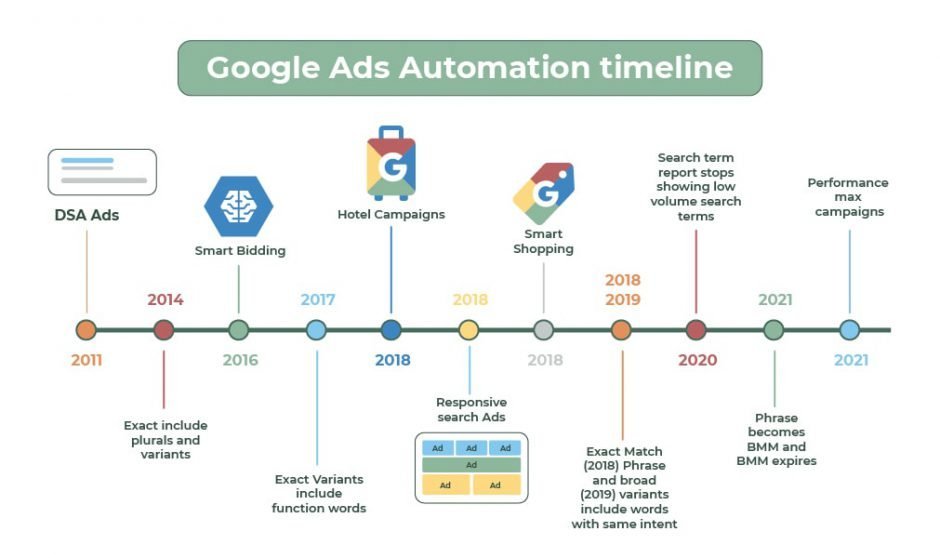
Evolution from Manual PPC to AI Automation
Years ago, PPC meant full manual control. Advertisers adjusted bids, paused keywords, and changed ads by hand. Today, that process is fading. Automation now handles much of the heavy work.
This shift saves time. It also improves speed and accuracy. Human input still matters, but in different areas now.
Why Google Is Prioritizing Machine Learning
Google has more data than any advertiser. Its machine learning models process billions of signals daily. These signals help predict buyer intent better. That prediction improves conversion rates.
This is why Google keeps expanding AI tools. It wants campaigns to perform better with less manual effort.
Understanding Google AI Ads Smart Bidding
Smart Bidding is one of the biggest changes in Google Ads. It uses AI bidding strategy models to optimize for conversions. Instead of setting fixed bids, Google adjusts them in every auction. That creates better efficiency.
It looks at many signals. Device, location, time, and search intent all matter. Google’s official documentation on Smart Bidding strategies outlines exactly which signals are used in each auction, helping advertisers set the right conversion goals before handing control to the AI system. This gives better context for each bid.
Target CPA Explained
Target CPA helps advertisers get conversions at a specific cost. Google adjusts bids to hit that average. This is useful for businesses with strict budgets. It keeps spending more controlled.
The AI learns from past conversions. Over time, it becomes more accurate.
Target ROAS and Predictive Learning
Target ROAS focuses on revenue instead of simple conversions. It predicts which clicks bring higher value. This makes it strong for ecommerce brands. Revenue becomes the main goal.
Predictive bidding improves results here. It uses past value data to guide future bids.
Maximize Conversions Strategy
This strategy tells Google to get the highest number of conversions. It spends the budget where it sees the best chance. This works well for growth campaigns. Speed matters here.
It is simple but powerful. Many new advertisers start here.
When Smart Bidding Works Best
Smart Bidding performs best when enough data exists. Without data, the AI struggles. Campaign history helps the system learn faster. Strong conversion tracking is also critical.
Without proper tracking, the system becomes weaker.
Key Takeaway
- Smart Bidding removes guesswork.
- It improves speed and accuracy.
- Better data creates better outcomes.
Performance Max AI Explained
Performance Max is Google’s most automated campaign type. It combines Search, Display, YouTube, Gmail, and Discover into one campaign. Instead of managing each separately, advertisers feed Google assets. AI handles placement and optimization.
This changes how campaigns scale. It brings all channels under one system.

How Performance Max Uses AI Across Channels
PMax looks at all Google inventory. It decides where the best opportunity exists. If YouTube works better than Search, it shifts budget there. This happens automatically.
That flexibility improves reach. It also improves efficiency. Since Performance Max distributes budget across YouTube automatically, it helps to know the latest YouTube Ads benchmarks so you can judge whether PMax is actually delivering expected returns on that channel.
Asset Groups and Audience Signals
Asset Groups help organize creative inputs. You provide headlines, images, and videos. Google mixes them automatically. Then it tests combinations.
Audience signals guide the learning phase. They speed up optimization.
AI Creative Testing in PMax
PMax constantly tests creative combinations. It checks which headlines and visuals perform better. Then it prioritizes those winners. This creates faster ad improvement.
Manual A/B testing becomes less important here.
Limitations of PMax Campaigns
PMax is powerful but not perfect. Reporting is still limited compared to standard campaigns. Marketers have less control. That can frustrate advanced advertisers.
It works best when goals are clear.
| Feature | Performance Max | Standard Campaign |
|---|---|---|
| Automation Level | High | Medium |
| Channel Reach | All Google Channels | Single Channel |
| Manual Control | Low | High |
| Speed of Testing | Fast | Slower |
Automated Google Ads vs Manual Campaign Management
Many advertisers now compare automation with manual setups. Both have strengths. The right choice depends on goals. Not every campaign needs full automation.
Automation wins in speed. Manual wins in control. While Google leads in search-based automation, advertisers running multi-platform strategies should also understand how Meta Ads handle AI-driven targeting, as the two platforms together cover the largest share of digital ad spend in 2026.
Speed of Optimization
Automated Google Ads reacts instantly. It sees trends faster than humans. It adjusts bids within seconds. That speed can improve conversions.
Manual management cannot match that pace.
Data Dependency
AI depends heavily on data quality. Bad tracking leads to bad decisions. Good tracking improves AI learning. Data quality is everything.
This is where many campaigns fail.
Human Control vs AI Decisions
Humans still understand business strategy better. AI follows data patterns. It cannot fully understand brand context. That gap still matters.
The best results often combine both.
AI Bidding Strategy in 2026
AI bidding strategy is getting smarter every year. In 2026, predictive models are stronger. They now forecast conversion probability better. This changes budget planning.
Advertisers can focus more on strategy now.
Predictive Conversion Modeling
Google predicts future behavior using historical patterns. This helps prioritize better leads. It reduces wasted clicks. That saves money.
Prediction is becoming central to PPC.
Budget Allocation Automation
AI now shifts budget across campaigns automatically. It moves spending toward high-performing areas. This keeps campaigns efficient. Budget waste drops.
This helps scaling businesses.
Cross-Channel Learning
Google’s systems now learn across channels. Search behavior can improve YouTube targeting. Display engagement can improve Search campaigns. This connected learning is powerful.
It creates smarter advertising ecosystems.
What’s Next for AI in Google Ads?
The next stage is deeper automation. Google wants campaigns to become almost self-running. That means fewer manual settings. Advertisers will focus on strategy, not setup.
This trend is already visible.
Fully Autonomous Campaigns
Future campaigns may need only goals and assets. AI will handle everything else. This reduces setup time greatly. Simplicity will increase.
That changes the advertiser role.
AI-Generated Ad Creatives
Google is moving into creative generation. Headlines, descriptions, and visuals may soon be AI-built. Testing becomes faster. Production costs fall.
Creative speed will become a major advantage.
Intent-Based Dynamic Targeting
Targeting will rely more on live intent. Instead of fixed audiences, AI will detect signals in real time. This improves relevance. Better timing improves conversions.
Privacy-First Machine Learning
Cookies are fading. AI will depend more on first-party data. Privacy-safe learning will become normal. This protects users better.
Advertisers need to adapt early.
How Marketers Should Adapt in 2026
The role of marketers is shifting. AI handles execution, but humans guide strategy. Success now depends on data quality, creativity, and business understanding. That mix matters more.
Adaptation is no longer optional. For businesses unsure whether to manage AI campaigns in-house or outsource them, understanding how to choose a digital marketing agency for your business can help you decide the right setup before committing to automation strategies.
Feed Better Data into AI
Good conversion tracking is essential. Clean data improves every AI system. Without it, campaigns weaken. Accuracy matters here.
Focus on Creative Strategy
AI can test ads, but humans create strong ideas. Messaging still matters. Brand positioning still matters. Creativity remains a
human strength.
Shift from Optimization to Supervision
Marketers now supervise more than optimize. They guide campaigns instead of adjusting everything. That changes skill requirements. Strategic thinking becomes more valuable.
Quick Checklist for Success
- Use strong conversion tracking
- Give AI enough data
- Improve creative quality
- Monitor performance regularly
- Keep testing audience signals
Final Thoughts on AI in Google Ads 2026
The future of PPC is clearly moving toward automation. Smart Bidding, Performance Max, and machine learning are changing how campaigns work. But success still depends on the human behind the system. AI is powerful, but strategy gives it direction.
Businesses that understand this shift will perform better. Those who resist may struggle to keep up. At Brandsholder, we see AI as a tool, not a replacement. The marketers who learn how to work with it will shape the next generation of digital advertising.
FAQs
Is AI replacing manual Google Ads completely?
No. AI handles many tasks, but strategy and creativity still need humans.
Is Smart Bidding better than manual bidding?
For most advertisers, yes. It improves speed and uses real-time data.
Does Performance Max work for small businesses?
Yes. It helps smaller businesses access multiple channels easily.
What is the best AI bidding strategy in Google Ads?
It depends on goals. Target ROAS is strong for revenue, while CPA is better for lead generation.
Will Google Ads become fully automated in the future?
It is moving in that direction, but human strategy will still be important.