Promotional emails work best when they focus on customer needs rather than aggressive selling. Effective emails combine helpful information, personalization, storytelling, and clear value to create genuine connections. The goal of modern email marketing is not only to increase sales but also to build trust and long-term relationships with subscribers.
Key Takeaways
- Successful promotional emails focus on solving customer problems.
- A natural tone creates stronger engagement than direct selling.
- Storytelling helps brands connect emotionally with audiences.
- Personalization improves trust and email performance.
- Value-driven messages enacourage customers to take action.
How to Write Promotional Emails That Don’t Feel Salesy
Writing emails that promote a product or service can be challenging because customers quickly ignore messages that feel too promotional. Effective promotional email writing requires a balance between sharing value and encouraging action. The best emails feel like helpful conversations rather than advertisements.
Modern customers want brands to understand their needs before asking them to buy. A thoughtful email approach creates trust, improves engagement, and increases conversions naturally. The focus should always remain on helping readers make better decisions.
What Is Promotional Email Writing and Why Does It Matter?
Promotional email writing is the process of creating marketing emails that introduce products, offers, services, or updates to an audience. These emails are designed to encourage readers toward a specific action, such as purchasing, signing up, or exploring a service.
However, successful emails are not only about selling products. They create meaningful connections by delivering useful information and addressing customer interests. This customer-first approach aligns with broader consumer protection guidance on marketing communications, as outlined by the FTC’s guidelines on email marketing and CAN-SPAM compliance.
The Difference Between Helpful Emails and Salesy Emails
A helpful promotional email focuses on customer benefits, while a salesy email only talks about the brand. Readers respond better when they feel the message provides value instead of pressure. A non salesy promotional email makes customers feel respected and understood.
For example, instead of saying, “Buy our new product today,” a better approach explains how the product solves a specific problem. This creates a more natural experience and encourages customers to explore the offer themselves.
| Sales-Focused Message | Customer-Focused Message |
|---|---|
| Buy our product now | Discover how this can help you |
| Limited offer, purchase immediately | Explore a solution designed for your needs |
| Our product is the best | Here is why customers find it useful |
How to Write Promotional Emails Without Sounding Pushy
The best marketing emails do not feel like advertisements because they prioritize relationships. Brands should understand their audience, provide useful information, and create messages that feel personal. Good emails guide customers instead of forcing decisions.
A natural approach helps businesses maintain subscriber trust. It also improves long-term customer loyalty and engagement.
Start With Customer Needs Instead of Product Features
Many businesses make the mistake of focusing only on product details. Customers usually care more about how a product improves their situation. Understanding customer challenges helps you create messages that feel relevant.
When you sell via email naturally, you focus on benefits rather than pressure. Explain the outcome customers can achieve instead of listing every feature available.
For example, a fitness brand should not only describe equipment features. It should explain how the product helps customers reach their personal fitness goals.
Use Storytelling to Make Promotional Emails More Human
Stories make promotional emails more memorable because people connect with experiences. A simple customer story can communicate value more effectively than a long sales explanation. Storytelling allows brands to show real-world benefits.
A strong email can include a customer success story, product journey, or relatable situation. This approach makes the message feel authentic and encourages readers to trust the brand.
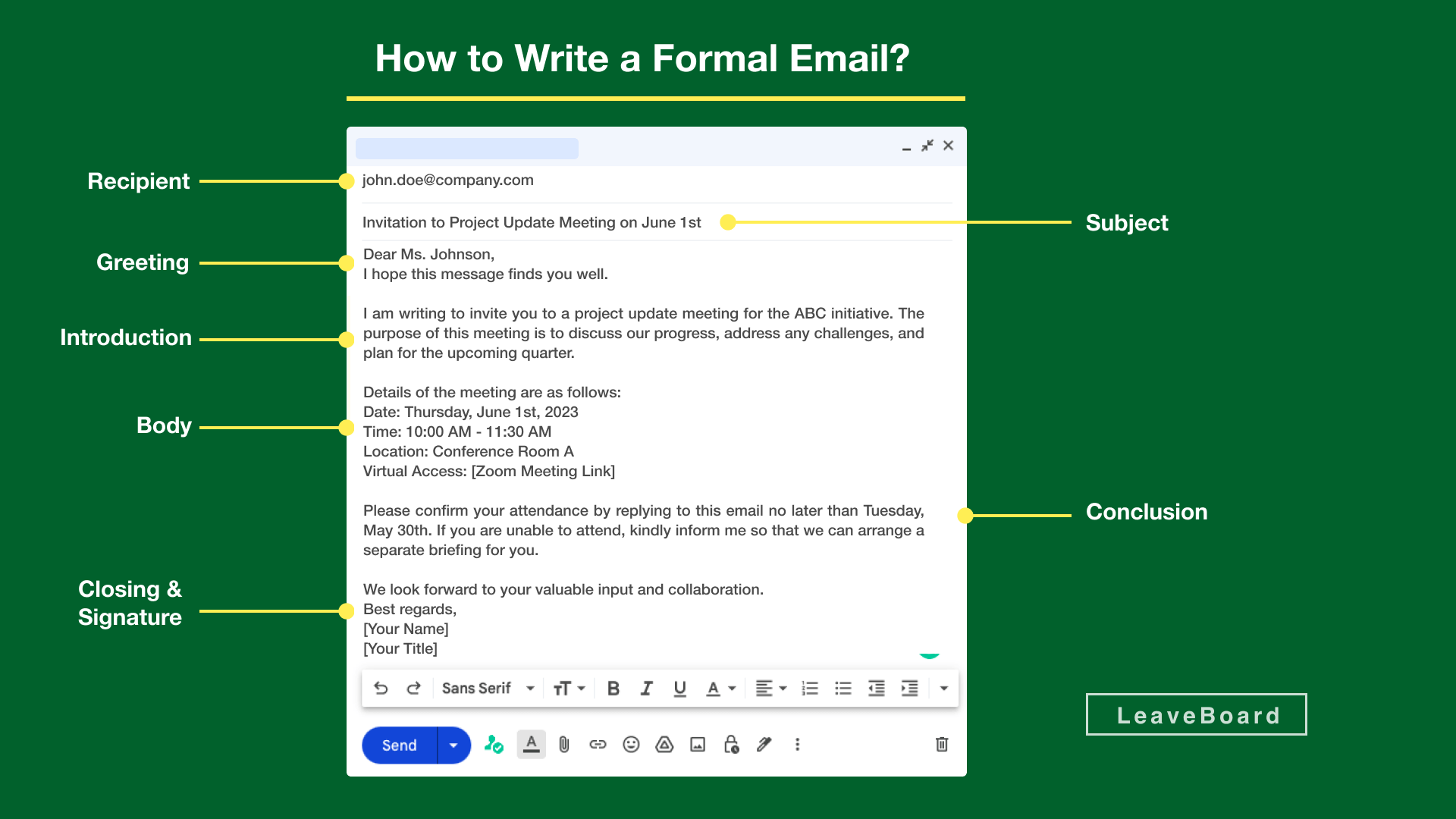
Create Subject Lines That Encourage Opens
The subject line is the first impression of any email campaign. A boring or overly promotional subject line may cause subscribers to ignore the message. A clear and engaging subject line creates curiosity without misleading readers.
Good subject lines often include:
- A clear benefit
- Personal relevance
- Curiosity
- Simple language
Avoid using excessive words like “urgent,” “exclusive,” or “buy now.” These phrases often reduce trust and make emails appear like spam. If you want to systematically test which subject lines actually perform best, our email A/B testing guide breaks down exactly what to experiment with and what to skip.
Email Copywriting Tips for More Engaging Promotional Emails
Great email campaigns require more than attractive offers. They need strong writing that connects with readers emotionally. Applying practical email copywriting tips can improve engagement and encourage more responses.
The best emails sound natural because they are written for people, not algorithms. Clear communication always performs better than complicated marketing language.
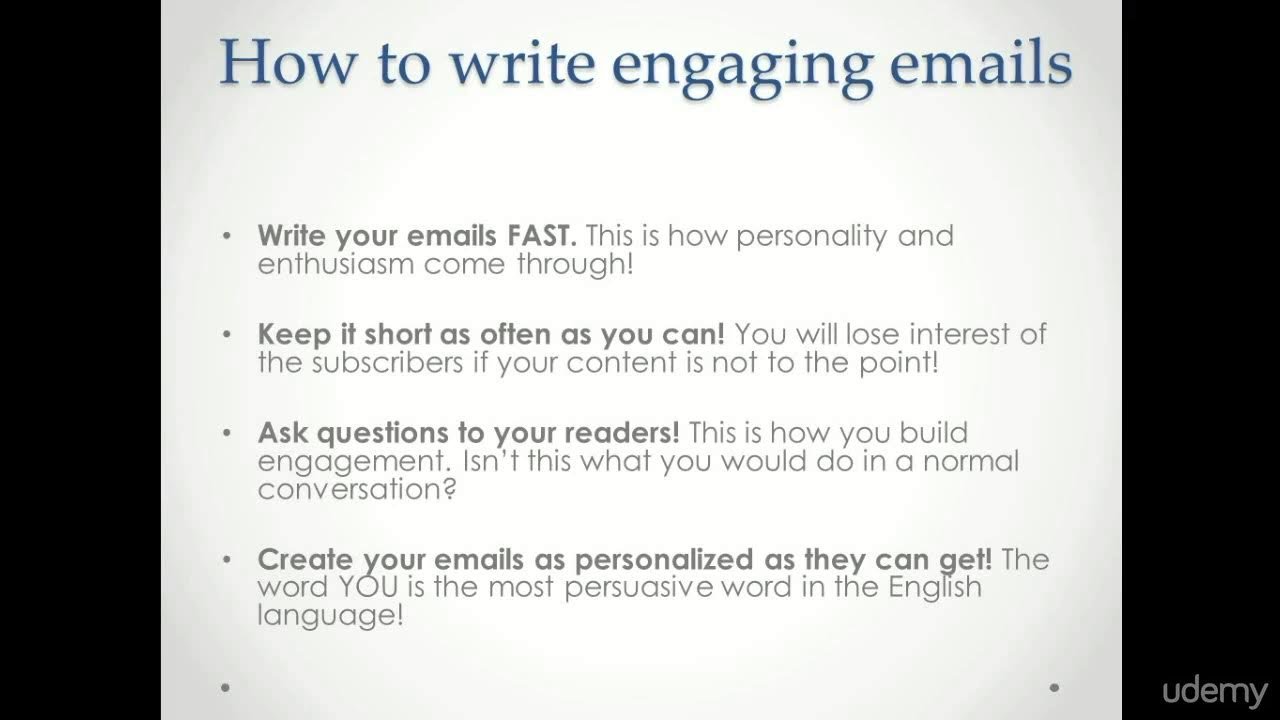
Write Like a Conversation, Not an Advertisement
Customers prefer emails that sound human and friendly. A conversational style creates a stronger relationship between the brand and reader. Avoid corporate language that feels distant or automated.
Imagine explaining your offer to a customer face-to-face. Your email should have the same helpful and approachable feeling.
Using simple words, short sentences, and direct communication makes messages easier to understand. Readers are more likely to engage when emails feel personal. AI writing assistants can help maintain this conversational tone at scale, our comparison of ChatGPT vs Jasper AI covers which tool handles brand voice better for email copy.
Balance Promotion With Useful Information
A successful email campaign should provide value before asking customers to purchase. Helpful tips, educational content, and useful recommendations create a stronger connection.
For example, a skincare company can share skincare advice before introducing a new product. This approach makes the promotion feel like a helpful suggestion instead of a sales attempt.
A balanced email structure often includes:
- A useful opening message
- A problem or challenge
- A helpful solution
- A clear but natural call-to-action
Use Strong But Natural Calls-to-Action
A call-to-action tells readers what step they should take next. However, aggressive CTAs can make customers uncomfortable. The goal is to encourage action without creating pressure.
Instead of using phrases like “Buy immediately,” consider softer alternatives such as:
- Explore the collection
- Learn more about the solution
- See how it works
Natural CTAs create confidence and allow customers to make decisions comfortably.
Promotional Email Mistakes That Make Readers Ignore You
Many promotional campaigns fail because they focus too heavily on selling. Customers receive many marketing messages daily, so emails must provide a reason to pay attention.
Common mistakes include:
- Writing only about the company
- Using generic messages
- Sending too many promotions
- Ignoring customer interests
- Creating unclear offers
Avoiding these mistakes helps brands create stronger communication. A customer-first approach always produces better results.
Examples of Non Salesy Promotional Emails
Different businesses can use promotional emails in creative ways. The key is maintaining value and authenticity throughout the message.
Product Launch Email Example
A product launch email should explain why the product matters. Instead of only announcing a new release, explain the problem it solves and how customers can benefit.
A good launch email creates excitement through information rather than pressure.
Discount Promotion Email Example
Discount emails often become too aggressive. A better approach explains why the offer exists and how customers can benefit from it.
For example, a brand can celebrate a milestone or seasonal event while offering a special discount. This creates a positive reason for the promotion.
Customer Story Email Example
Customer stories are powerful because they provide social proof. They show real experiences and help potential buyers understand possible results.
| Email Type | Main Purpose | Natural Approach |
|---|---|---|
| Product Launch | Introduce something new | Explain customer benefits |
| Discount Offer | Encourage purchases | Highlight value |
| Customer Story | Build trust | Share real experiences |
How to Measure the Success of Promotional Emails
Tracking performance helps businesses understand what works. Important metrics include open rates, click-through rates, conversions, and customer responses.
A successful campaign is not only measured by immediate sales. Engagement and customer trust are also important indicators.
Testing different subject lines, messages, and offers can improve future campaigns. Continuous improvement creates stronger email marketing results.
Final Tips for Writing Promotional Emails That Build Trust
Creating effective promotional emails requires patience and customer understanding. Brands should focus on helping readers rather than constantly pushing products. A genuine approach creates stronger relationships.
Remember that customers appreciate brands that provide value. When emails feel personal, useful, and honest, readers are more likely to respond positively.
Conclusion
Creating successful promotional campaigns requires a thoughtful approach that combines value, storytelling, and customer-focused communication. Good promotional email writing is not about convincing people through pressure; it is about creating trust and showing how a solution can improve their experience.
Brands that focus on authentic messaging can achieve better engagement and stronger customer relationships. Businesses looking to improve their marketing strategies can also learn from platforms like brandsholder, where brand communication and digital growth strategies are explored. A natural email approach helps companies build credibility while increasing conversions over time.
Frequently Asked Questions (FAQs)
1. What makes a promotional email feel less salesy?
A promotional email feels less salesy when it focuses on customer needs, provides value, and uses conversational language. The message should help readers instead of only asking them to purchase.
2. How can I sell products through email naturally?
You can sell via email naturally by explaining benefits, sharing stories, and offering useful information before presenting your product. This builds trust and encourages customers to take action.
3. What are the best email copywriting tips for beginners?
Beginners should focus on clear writing, strong subject lines, customer benefits, personalization, and simple calls-to-action. Understanding the audience is the foundation of effective emails.
4. How often should businesses send promotional emails?
The ideal frequency depends on the audience and industry. Businesses should send emails consistently while avoiding excessive promotions that may reduce engagement.
5. Why are engaging promo emails important?
Engaging promo emails help businesses maintain customer attention and improve conversions. They create stronger relationships by making subscribers feel valued rather than targeted.